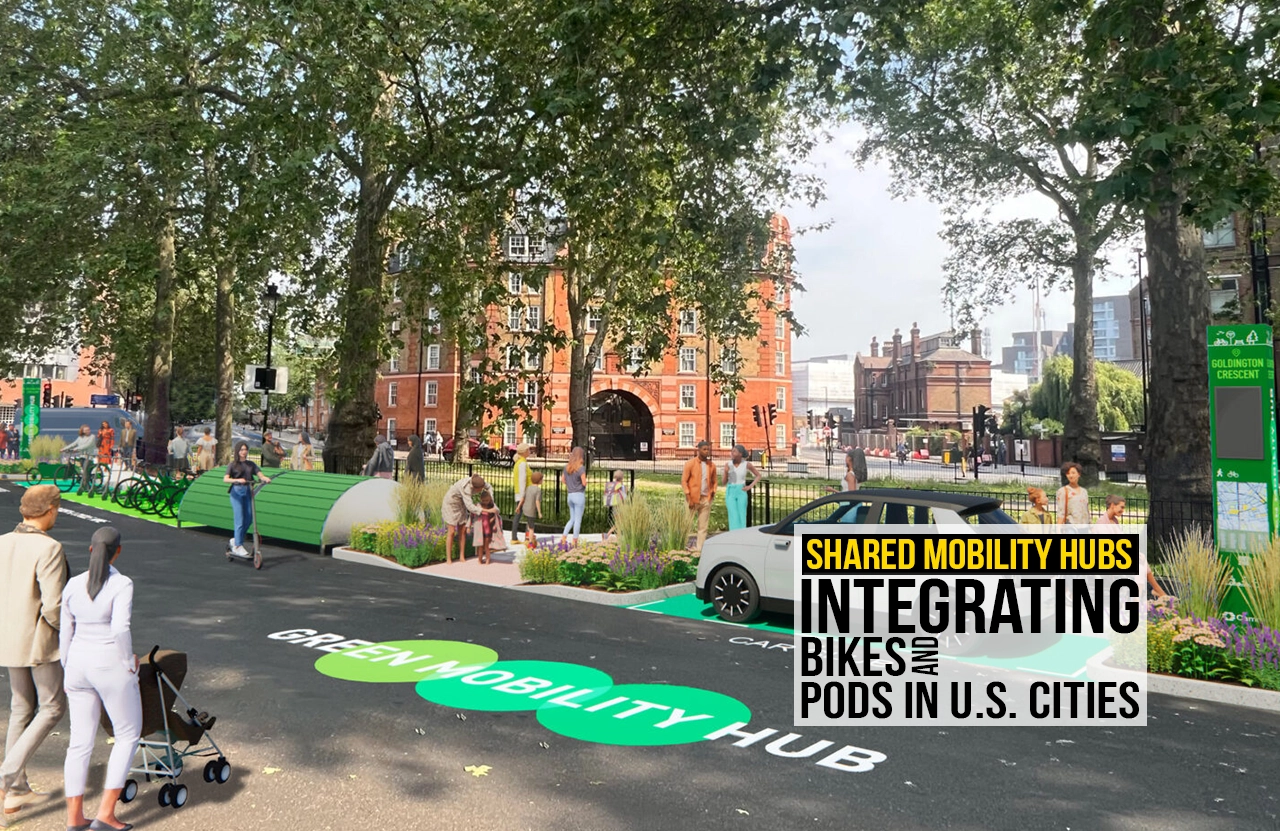
The transportation structure of cities is undergoing a massive transformation as they face congestion, climate crisis, and emerging travel behaviours. Planners in several cities across the U.S. are testing shared mobility hubs, which are converged points of bicycles, electric micro-vehicles, and autonomous pods, in addition to public transit. These hubs do not view mobility services as isolated individual options, but rather bring them together and to form a logical spatial and ideational system.
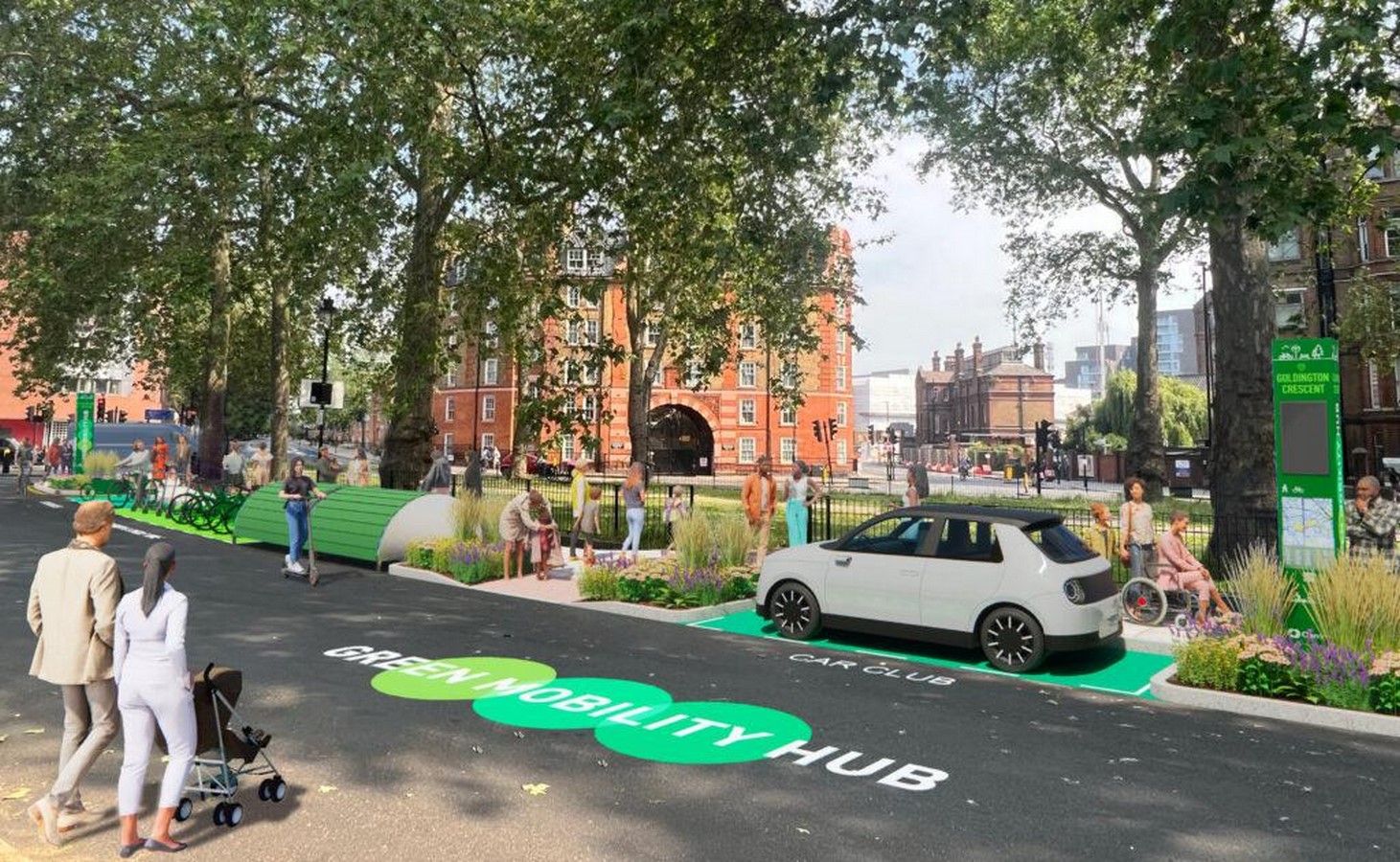
The concept of mobility brings every transport system together in a coordinated physical and digital infrastructure rather than treating it as a single transport entity. The outcome of this is a more adaptive and efficient urban transit network that supports sustainability while improving accessibility in the city.
The Evolution of Transit Stops to Integrated Mobility Hubs
Conventional physical transport infrastructure has generally focused on single transit points of bus stops or Metro stations. Although these systems can be used effectively in large- scale movement, they frequently fail to cope with the first and last mile challenge, which is the short distance between the place of origin or destination of a traveler and an immediate transit point.
To address this complication, shared mobility hubs combine multiple choices of transport within a single area. The common hub can consist of bike-sharing posts, electric scooters, dedicated areas of ride-sharing vehicles, electric mobility charging points, and a digital information system that enables a user to figure out the multi-modal path.
The idea has been spreading in various cities in the U.S., as part of larger sustainability initiatives. Mobility hubs partially eliminate the need to use private vehicles since several transport services are placed in major urban areas, so that people will start relying on more environmentally friendly modes of transportation.
The Contribution of Bikes and Micro-Mobility.
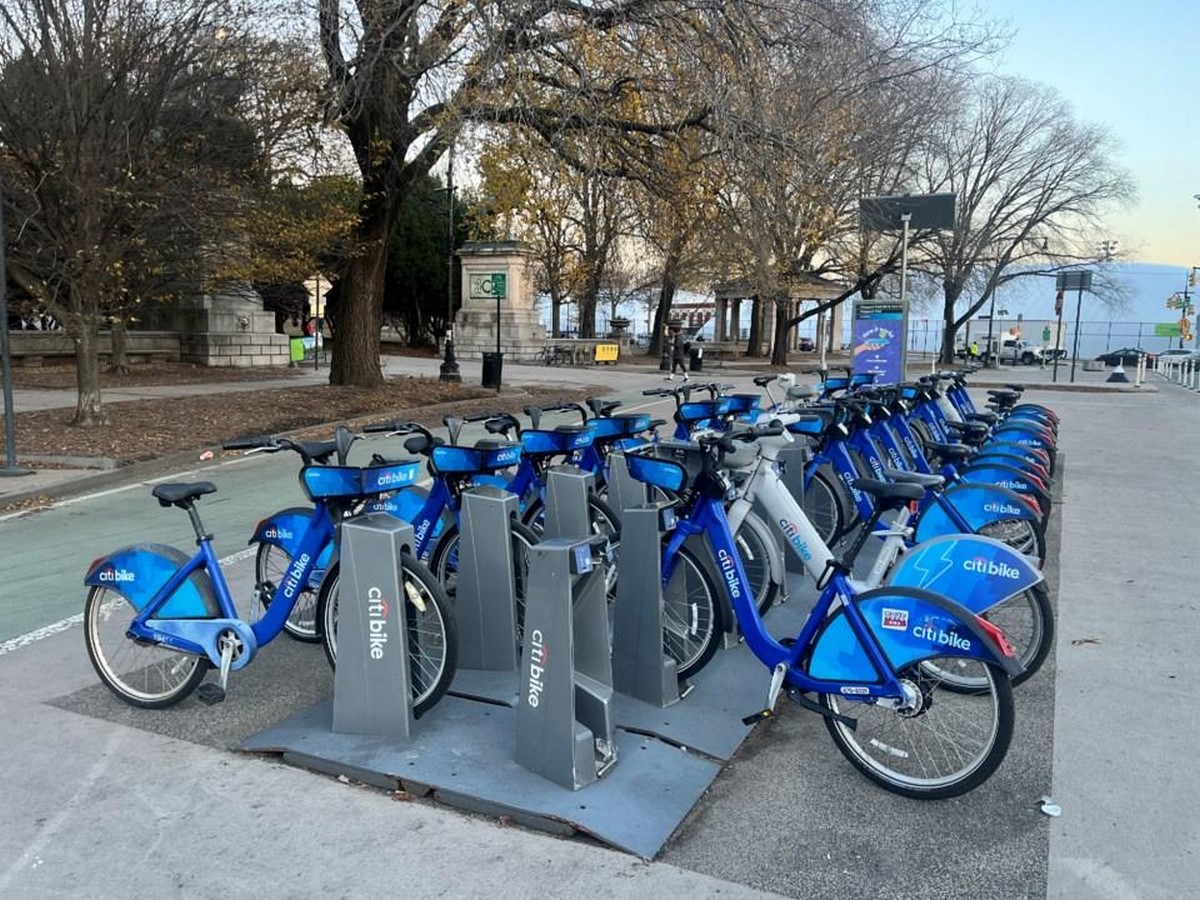
The bike sharing systems are the central elements within most mobility hubs. During the last ten years, there has been a sharp increase in bike-share programmes in American cities as evidence of the importance of cycling activity in the daily commuting process in urban areas.
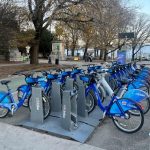
The Citi Bike network has become one of the most extensive bike-sharing networks in the world, with thousands of bicycles that are distributed in hundreds of stations in New York. These stations are often close to the entrance of a subway and the places of the public transport network, which gives the commuters the opportunity to combine bike riding with railway travel. Positioning bikes in transit stations allows the expansion of the metro network, and commuters can easily get around and cover short distances.
In the same way, in Chicago, the Divvy bikes sharing programme combines bicycles with the bus and train network within the city. The availability of electric bicycles has also made cycling a longer distance more viable, as users can now get through several kilometres without making a lot of physical exertion. Both scenarios make bicycles the most reasonable form of mobility, enabling people to use them on their short journeys, cutting down on daily car usage.
Autonomous Pods and New Mobility Solutions
Although bicycles and scooters will cover short-range transportation, some mobility hubs are incorporating the next stage of mobility experimentation, like autonomous pods or small self-driving shuttles. These cars move at very slow speeds and serve small numbers of passengers for a short urban range.
The autonomous pods are especially applicable in locations where conventional mass transit might be incompetent, such as massive campuses, entertainment zones, or neighbourhood links between the transit station and residential zones. They can also help to mitigate the pollution of major cities because they run on electricity and shared ride models.
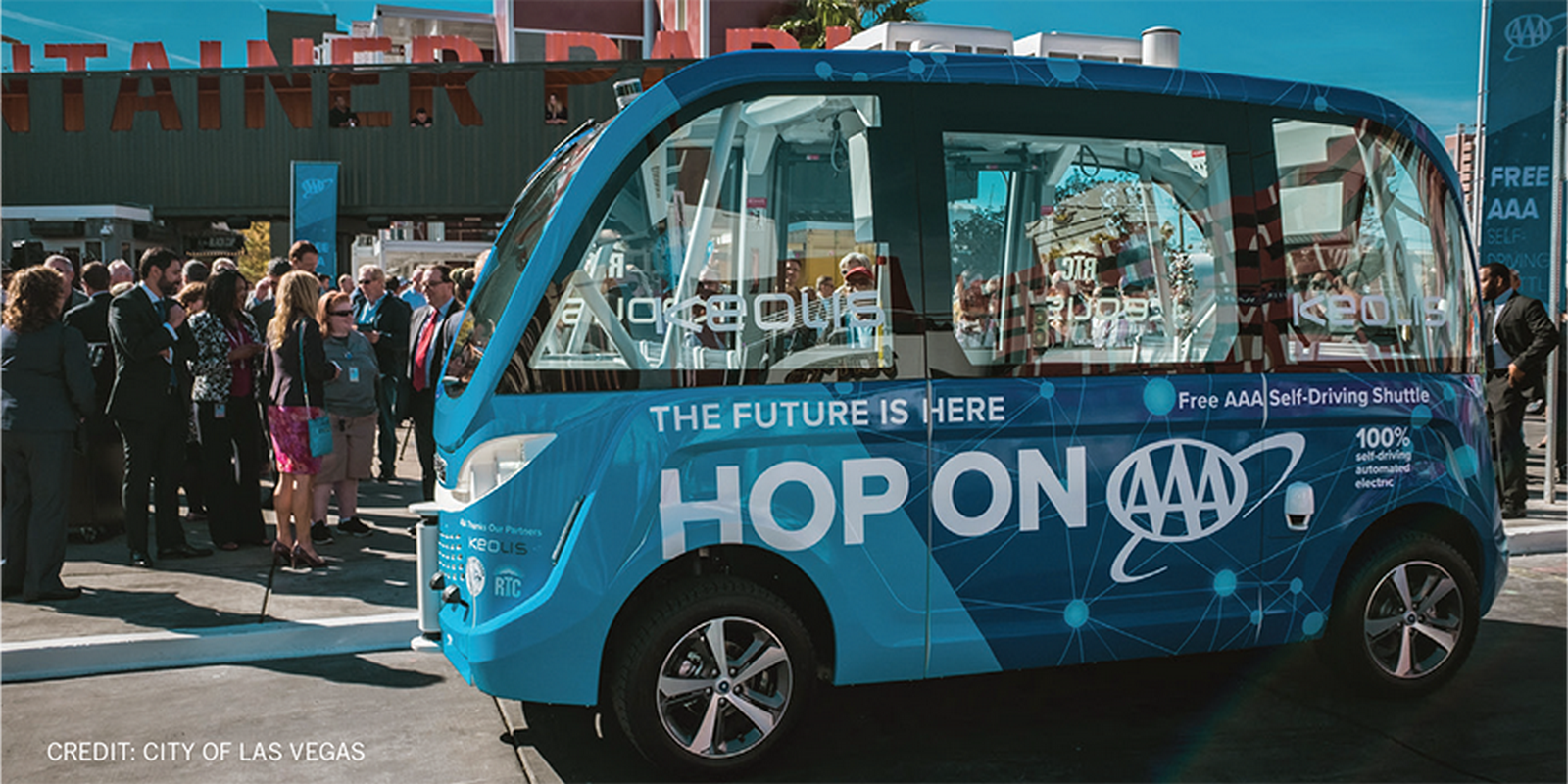
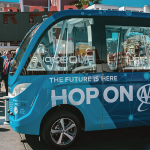
One of the modern examples of using this kind of technology is Las Vegas. The city launched an autonomous shuttle pilot programme that dedicated its operations to the downtown area of the innovation district. The miniature shuttle will follow specific routes and will interact with the existing traffic system, which will move the passengers without charges.
Such efforts ensure that autonomous vehicles can be used to supplement and not destroy public transport, even though they have not been fully developed yet. These pods are capable of being the transition linkage between the various mobility systems when linked with cycling networks and transit hubs.
The Los Angeles Mobility Hub Programme.
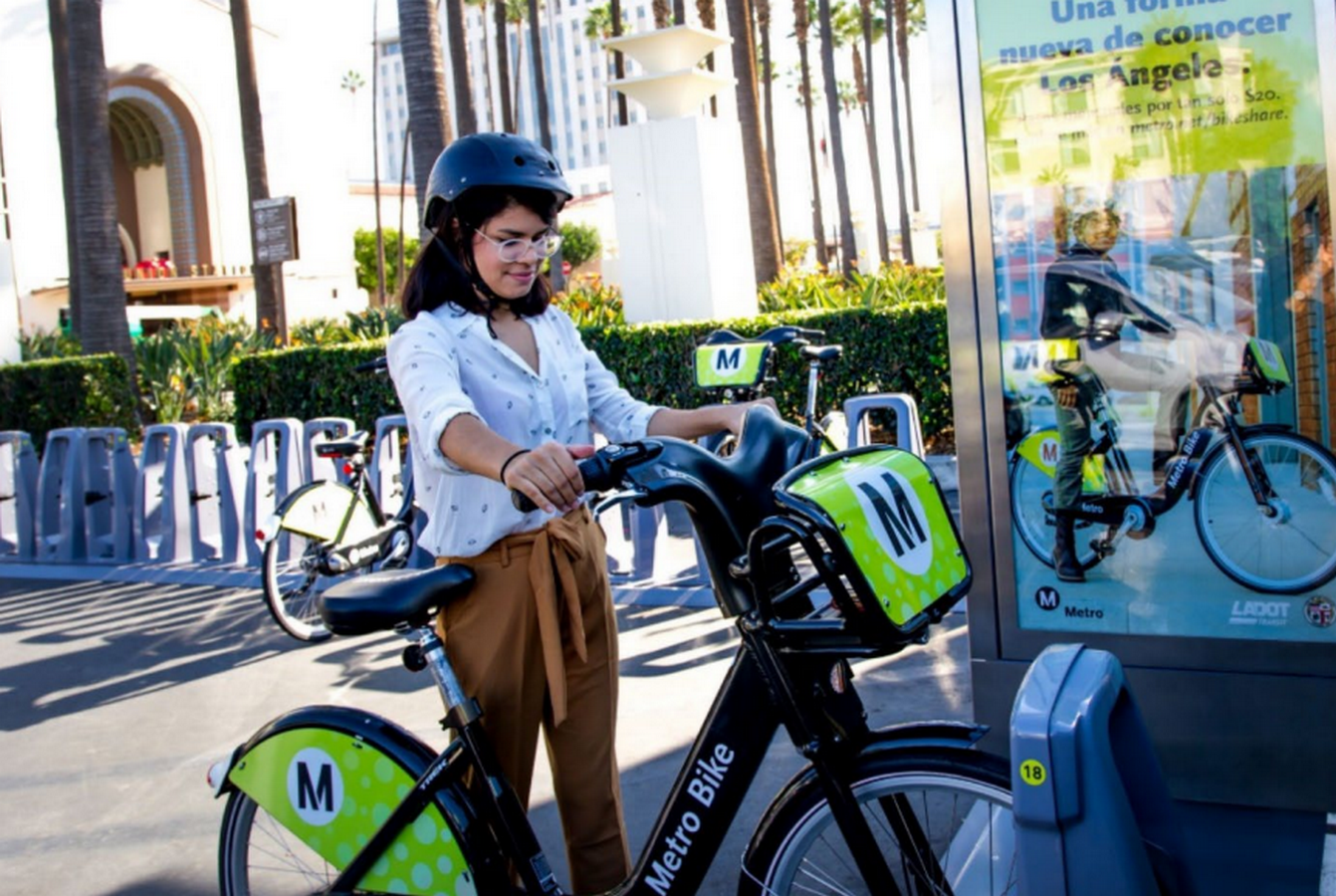
Los Angeles has become one of the U.S. cities that is the most active in exploring shared mobility hubs. The Los Angeles Department of Transportation has come up with a framework in which it has identified key areas in which various mobility services can be united in the city. These centres are often situated close to the larger metro stations and are equipped with bike-share docking, electric scooter parking, ride-share pickup and real-time mobility information kiosks. Electric vehicle infrastructure charging is also frequently included.
In addition to transportation, the design of these hubs prioritises the public realm. Many sites are equipped with pedestrian crossings, seating points, shade structures, and clear wayfinding signage. It is aimed at making transport nodes welcoming urban environments where people can walk, ride their bikes, and socialise. Being among the cities that implement mobility services along with considerate urban design, Los Angeles illustrates how shared mobility centres can be both infrastructure and a public space.
The Pena Station Mobility Hub, Denver.

The other remarkable case is the Pena Station mobility hub that was built as a component of the Denver Smart City programme. Pena Station is situated in the commuter rail line that links Denver International Airport and the city centre, and it has been designated as a laboratory of new mobility technologies.
The hub contains the combined components of the electric vehicles, autonomous shuttles, bicycle infrastructure, and the solar-powered charging stations. The mobility infrastructure can be used to meet the larger environmental goals, as solar canopies installed on the site can produce renewable energy to provide a more efficient charge to electric vehicles.
There is also testing that has been done on autonomous shuttle services that connect the rail station to the developments nearby. It is quite an illustrative example of mobility hubs as the sources of experimental platforms of urban sustainability solutions via renewable energy systems and high-tech transport technology.
Urban Designing Aspect of Shared Mobility.
The implication of the development of shared mobility hubs is not limited to the systems of transport. The fact that these hubs gather various options of travelling in one place has an impact on city activity patterns and the utilisation of public spaces.
Considerations made in design are therefore very important towards their success. Easy access to hubs through clear signage, available pathways, lighting, and weather protection are some of the factors that make sure that hubs are safe and easy to navigate. The inclusion of greenery, seating and pedestrian-friendly design can convert them into active community areas rather than just being technical infrastructure.
Mobility hubs are also being seen by planners in many of the U.S. cities as the way to support walkable neighbourhoods and transit-oriented development. These hubs promote more sustainable travel habits in the residents through the concentration of transport services and the enhancement of the public spaces.
Towards a Multi-Modal Urban Future.

Shared mobility hubs signify a change in the nature of transportation planning in urban areas. Rather than having one dominating style of travel, urban transportation is slowly changing to a coherent system of bicycles, autonomous vehicles, shared transportation, and mass transit.
In a number of cities in the US, initial tests indicate that the accessibility, reduced congestion and adherence to the environment can be enhanced by introducing these systems into a well-organised hub structure. The concept is still on the rise, although there are still hurdles with respect to regulation, investment in infrastructure, and coordination of the service providers.
Shared mobility hubs can emerge as an icon of future transport systems as more urban population seeks to travel, and more technologies of mobility exist, and a lot of cities become unified by them, creating more connected and comprehensive cities.
References:
- Los Angeles Department of Transportation (LADOT) — Shared Mobility / Mobility Hubs, Available at – https://ladot.lacity.gov/sites/default/files/documents/mobility-hubs-readers-guide.pdf
- Citi Bike NYC Official Website — system overview and system data, Available at – https://citibikenyc.com/system-data
- Transdev North America — Denver Launches First Autonomous Shuttle, Available at – https://transdevna.com/news/2019/01/30/denver-launches-first-autonomous-shuttle/
- Peña Station NEXT / microgrid coverage, Available at – https://penastationnext.com/vision/
- Shared-Use Mobility Center — Mobility Hubs, Available at – https://sharedusemobilitycenter.org/
- Las Vegas autonomous shuttle pilot coverage, Available at – https://vegasexperience.com/downtown-insider/fremont-street-hosts-first-driverless-shuttle-country/