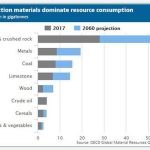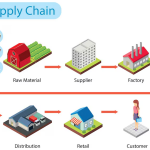
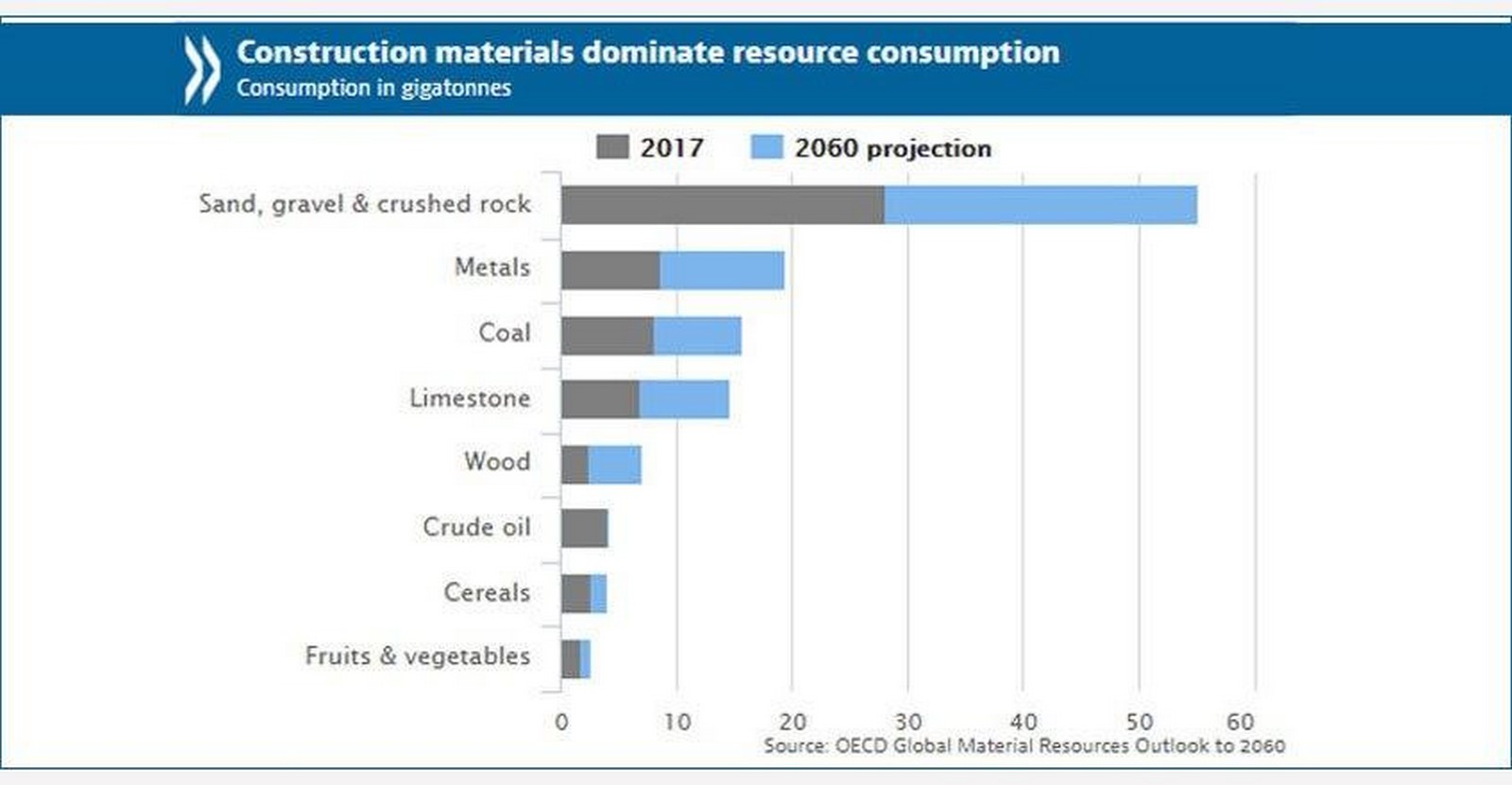
Globally, Around 40% of all raw material equivalent with 40 billion tons annually used by the construction sector. This makes the industry becoming one of the largest natural consumers of natural resources. These raw materials include sand, gravel, steel and timber essential for the construction of buildings, infrastructures and urban environments. (Valentini, 2022). Understanding construction through planetary supply chains is very important by uncovering hidden geographies of material extraction, processing, transportation and consumption. This allows the built environment with environmental, social and economic frame work.
Finite Resources and Construction Material Extraction
The fact that many construction materials are finite natural resources especially metals and minerals make their extraction and their long term sustainability a critical and a serious concern. Among the 100 billion tons of raw materials extracted only 10% derived by recycling the rest derived from virgin resources. For example, among construction materials, sand is the most used and the backbone of the built environment, while its extraction causes significant socio-ecological damage and political-economic frictions (Shakantu, Tookey and Bowen, 2003). (Horvath, 2004). For example, unregulated sand mining contributes to riverbank erosion, ecosystem disruption and social conflict, showing how construction material demand creates consequences that go beyond boundaries.
Tracing hidden geographies of construction materials
As a significant natural resources consumer and major contributor in environmental pollution the need for inclusive supply chain frame work that is capable of assessing environmental impacts and tracing material geographies is undeniable. (Horvath, 2004).
Tracing the supply of Hidden Geographies of Construction Materials have significant challenges in terms of transparency, governance, and sustainability monitoring (Shakantu, Tookey and Bowen, 2003). The disruption of supply chain might lead to unsettlement of material availability and cost, which also affect construction markets and development process. (Shakantu, Tookey and Bowen, 2003).
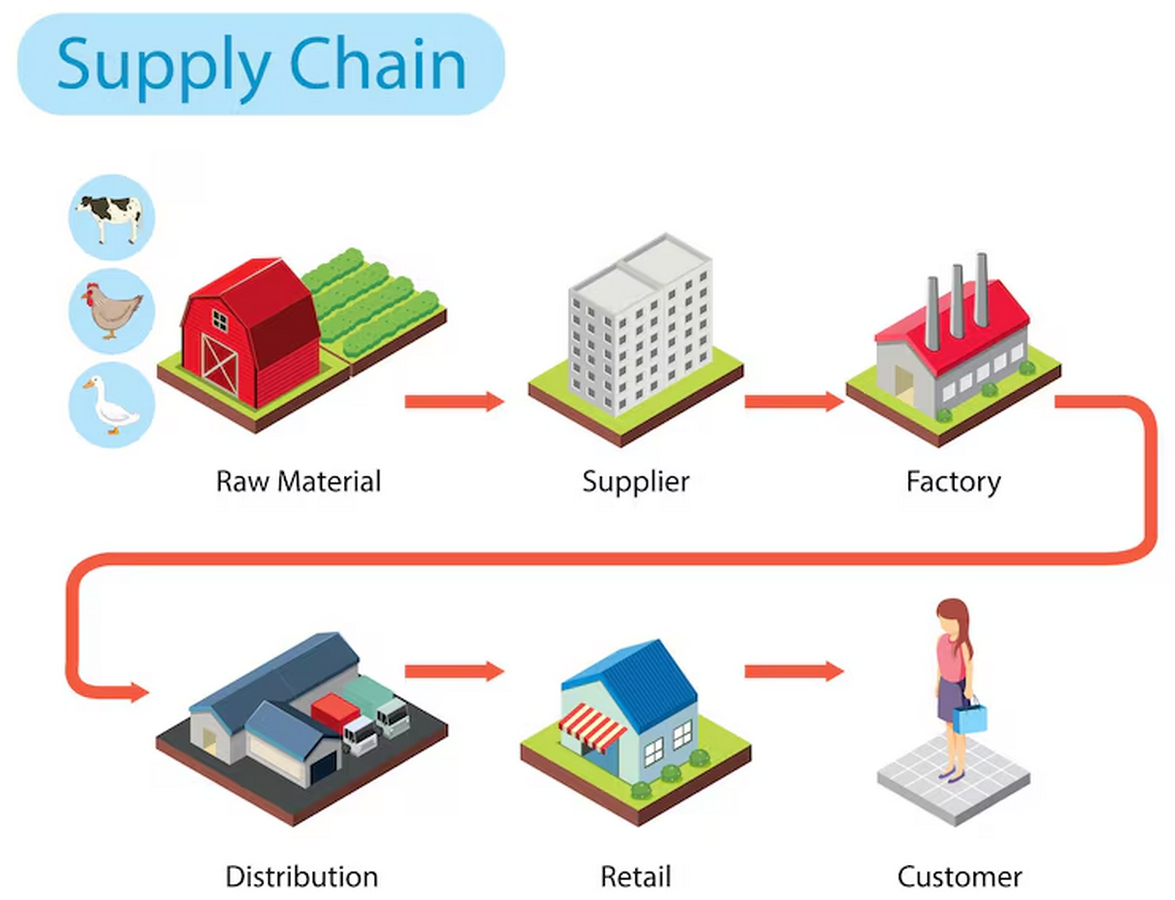
If natural resources extraction without an unregulated and adequate governing system, monitoring and long term consideration the effect on climate and environmental degradation, and socio economic and political consequences increase. (Valentini, 2022). The global construction material flows significantly contribute CO₂ emissions, through energy intensive production processes especially cement and steel manufacturing. (Horvath, 2004; Materials Today: Proceedings, 2023) This makes sustainable planetary supply chains have become necessary and urgent. (Valentini, 2022)
Towards Sustainable Construction supply chains
Contemporary researches increasingly highlight the use of locally available resources, circular economy principles and regenerative material cycles to reduce climate effects and dependence on global extractive networks (Valentini, 2022). These approaches, inspired by vernacular architecture, relied on the use of local materials and the application of climate responsive design strategies, offering both sustainable construction supply chain and practice. (Valentini, 2022)
By understanding Hidden geographies of construction materials, recognizes the responsibility of architecture and construction disciplines to address climate change and environmental degradation. This expands the role of design decisions beyond form, function or aesthetic, rather material flow, energy use, and ecological outcomes. The critical engagement of planetary supply chains will address the climate crisis and resilient developments.
Relating design strategies to planetary supply chains, it reveals how the built environment is embedded within a global scheme including material extraction, production, and circulation. These explain how construction materials are not neutrally technical but drive products of socio economic and ecological processes that extend beyond urban boundaries. It also uncovers how local development extends to distant resources, labor, and landscapes; often externalizes environmental and social costs.
These awareness of the supply chain complexity, resource limits, and environmental impacts, will strengthen responsible construction practices. It will move towards approaches that prioritize long term sustainability over short term efficiency. Understanding planetary supply chains ultimately expands the ethical and environmental responsibilities of designers, planners and builders, making construction a critical field in the global response to climate change and sustainability. References
- Horvath, A. (2004). Construction materials and the environment. Annual Review of Energy and the Environment, 29, 181–204. https://doi.org/10.1146/annurev.energy.29.062403.102215
- Valentini, L. (2022). Sustainable sourcing of raw materials for construction: From the Earth to the Moon and beyond. Elements, 18(5), 327–332.
- Shakantu, W., Tookey, J.E. and Bowen, P.A. (2003). The hidden cost of transportation of construction materials: An overview. Journal of Engineering, Design and Technology, 1, 103–118.
- Materials Today: Proceedings (2023). Massive material flows and carbon impacts in construction supply chains.