One of the most critical areas is construction, especially when we consider the fast urbanization and scarce resources. Considering the fact that construction is one of the biggest consumers of raw materials and producers of waste globally, it should be going beyond the linear “take, make, dispose” models. Circular Construction is a concept that intends to ensure a sustainable, regenerative future by changing the ways we create, build, and use materials.
From Linear to Circular: A Paradigm Shift
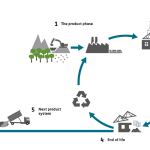
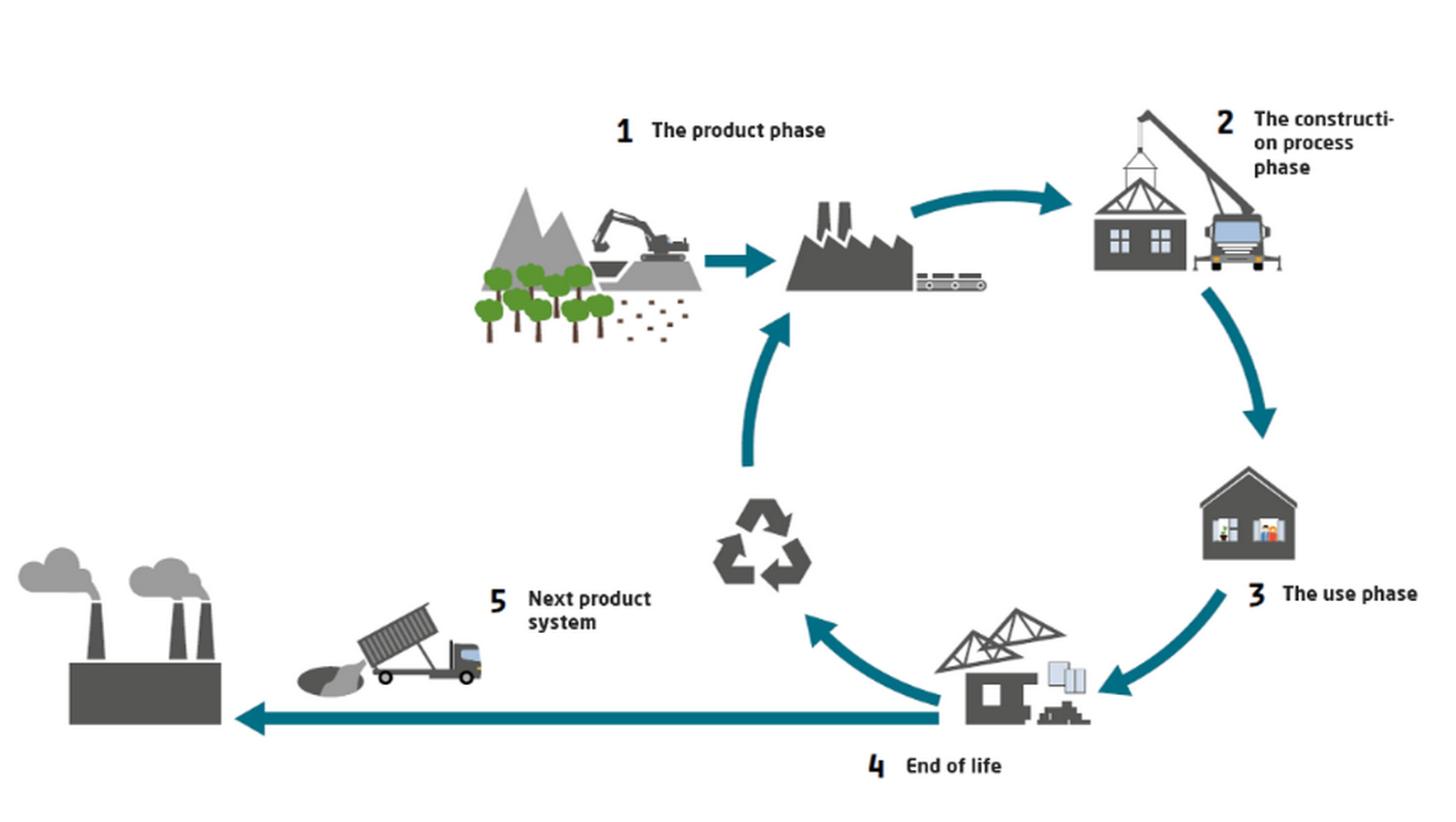
The linear economy model has been normally applied in the construction sector whereby raw materials are taken from nature for construction purposes and then, the waste is thrown into the dumps when a building is at its end of life.
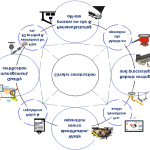
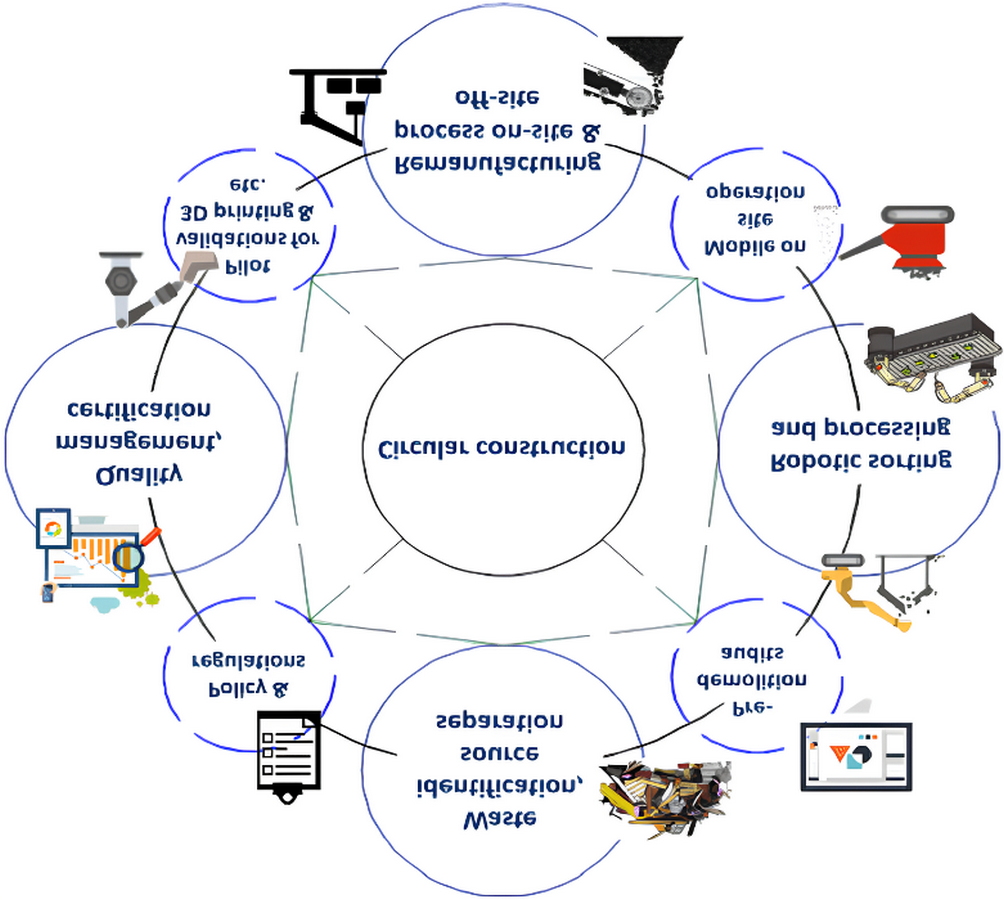
Alternatively, circular construction mainly involves such issues as reducing, reusing, repairing, and recycling. The ultimate objective is to retain the resources within the system and lessen the negative effect on the environment while giving out as much value as possible.
Surely, this change is technological but it also signifies a change in the building industry’s philosophy, a change in how the building-earth relationship is defined-from consumers to participants in a regenerative loop.
Key Principles of Circular Construction
Design for Disassembly:
Buildings are constructed similarly to LEGO models: the parts can very quickly be separated and reused when the building is no longer functional. This method saves a substantial portion of waste generated from demolition, at the same time, materials can be reabsorbed into the construction cycle.
Material Reuse and Recycling:
In circular construction, reclaimed materials are more heavily utilized than new ones. It can employ such recycled materials as concrete, steel, timber, and glass. Besides resource conservation, it is also a major factor in the reduction of embodied carbon.
Adaptability and flexibility:
The concept that spaces are implicitly changeable is what makes it so easy to transform an office area into a residential one or cultural space without additional renovation. As a result, the life span of adapting buildings is longer, at the same time, there is a reduction in material turnover.
Digital Integration:
Material passports and BIMs will be the main enablers of circular construction. All these instruments indicate the material of each part, its source, and the life cycle, which can be very helpful in maintenance, recovery, and reutilization if done in a straightforward manner.
Closed-Loop Systems:
The flows of energy, water, and materials are very closely linked: the waste of one process can be the feedstock for another, like the recycling of greywater or the transformation of construction waste into new raw materials.
Benefits Beyond Sustainability
The benefits of circular construction are not only restricted to the safeguarding of the environment. It differs also in economic and social aspects:
Economic efficiency: The long-term monetary benefits are the developers’ side, coming from the reusing of materials and designing of adaptive spaces. Simultaneously, there is less reliance on the raw material markets, which are quite unstable.
Innovation and employment: The processes of repair, remanufacturing, and material recovery are most rapidly progressing, therefore, a rise in job positions is the consequence.
Resilience: A relative insulation from the disruptions of the international supply chains is this, as most of its efforts are directed to local materials and re-use.
Social Value: The communities become the beneficiaries of an increased quality of the urban environment as a result of less pollution and buildings that serve their needs.
Global Examples Leading the Way
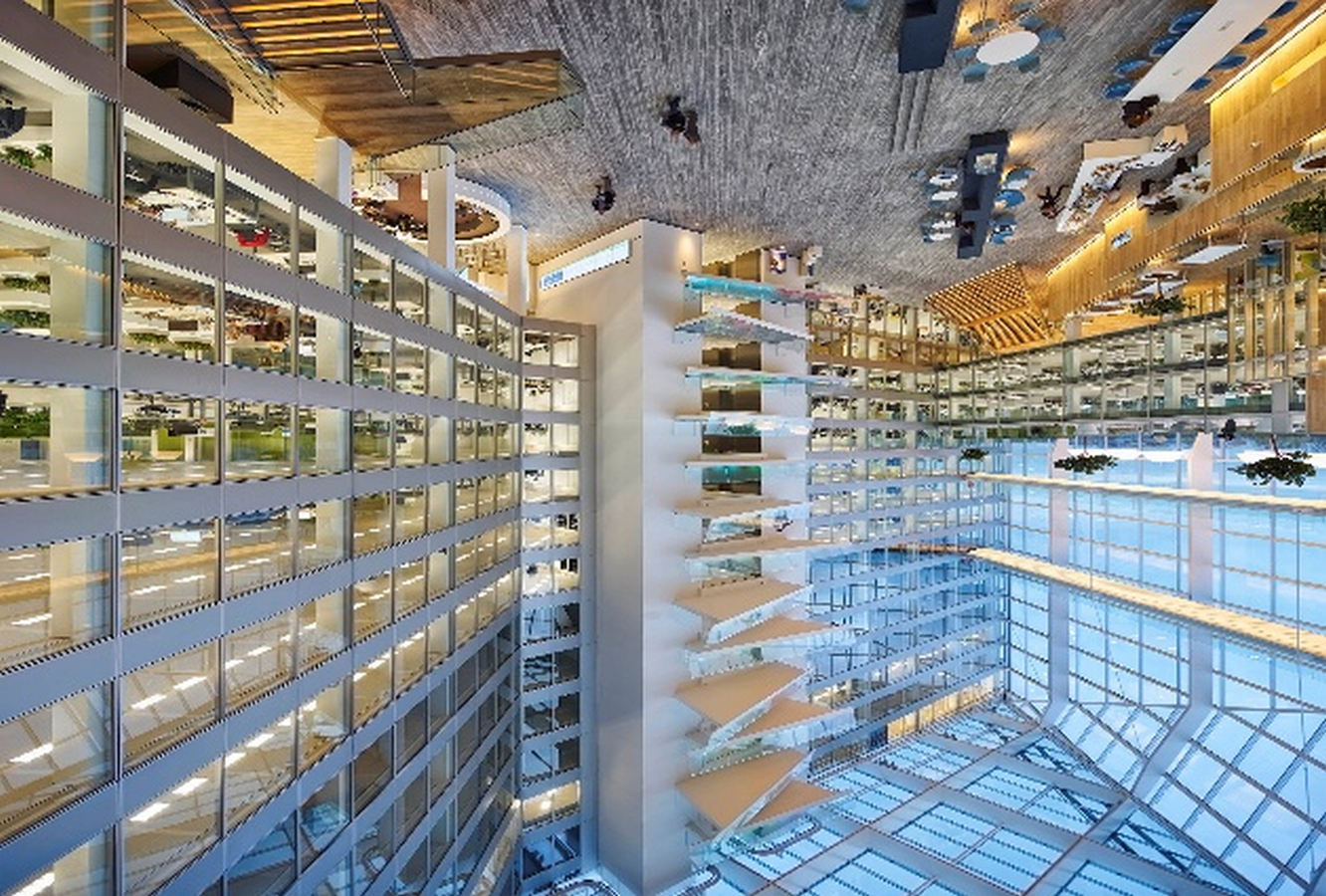
The Edge, Amsterdam:
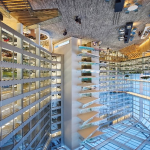
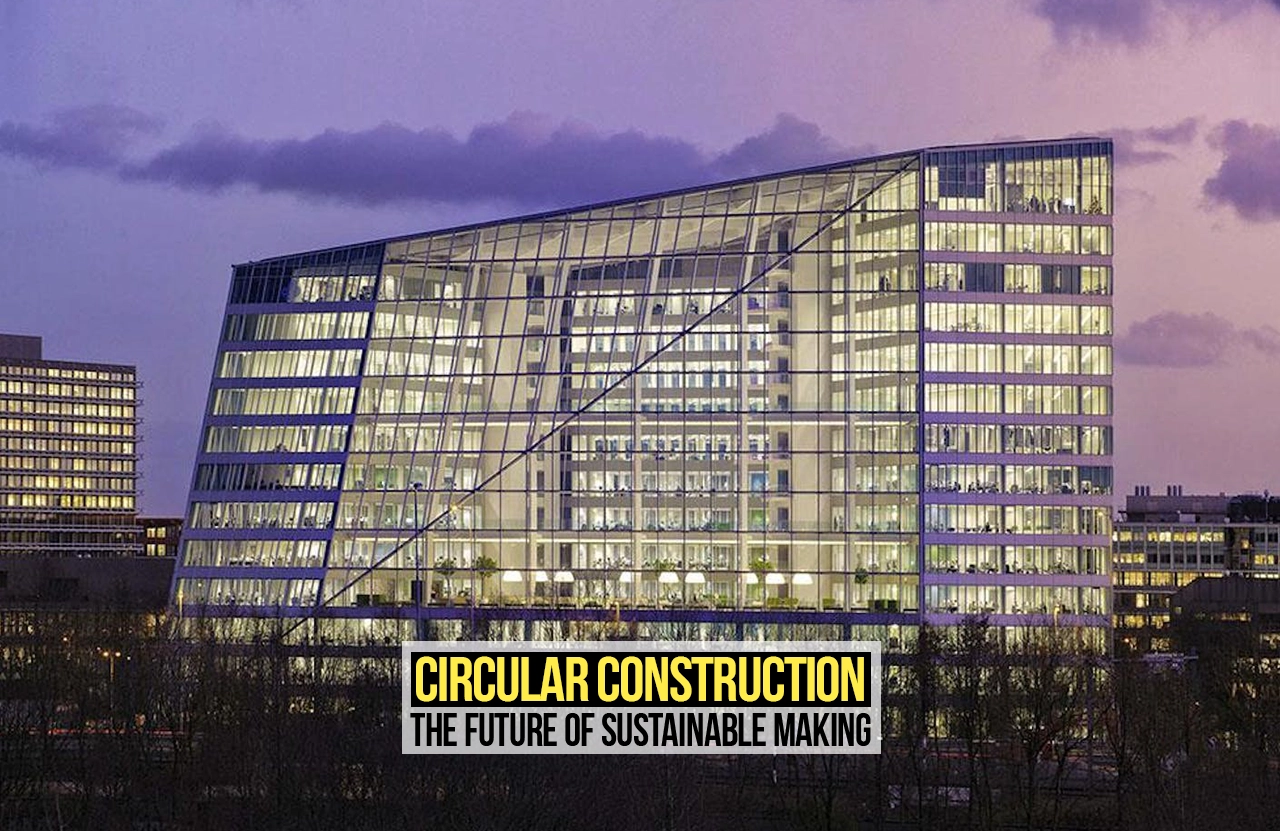
The Edge is believed to be one of the most green office buildings in the world, which is mainly due to its modular design coupled with an energy efficiency and material tracking digital monitoring system that primarily facilitates.
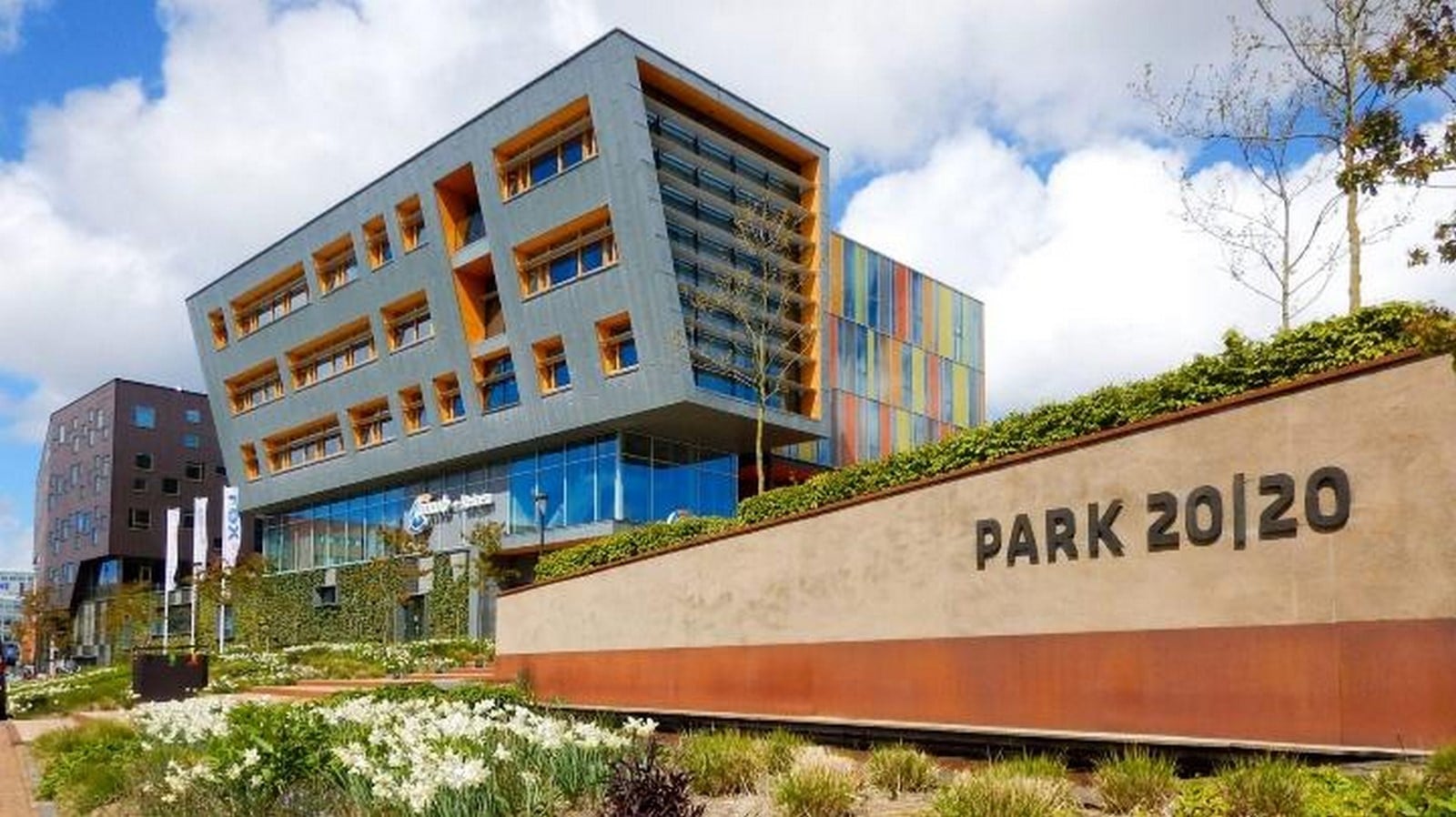
Park 20|20, Netherlands:
The business park was built using Cradle-to-Cradle principles, which means that the materials used in the park are always available for reuse. Simply put, everything from facade panels to the floor can be taken apart and reused.
Round Pavilion, Brussels:
This temporary architecture, put together solely by reused fabrics, is an example of what reclaimed components can do not only to create beautiful but also functional architecture.
Essentially, these examples of the circularity concept implementation simply demonstrate that it does not limit the creativity of architects and designers, rather it stimulates their innovation when they take into consideration form, function, and material life cycles.
Challenges Along the Road Ahead
Regulatory Barriers: Codes and standards related to buildings rarely consider that a material will be reused or recycled.
Neither contractors nor clients, however, are equally aware of the different circular methods that will bring about long-term benefits.
Material Traceability: Guaranteeing the safety and quality of recycled materials is very challenging if there are no strong databases and tracking systems. These could be surmounted only if there was a joint effort from policy makers, architects, engineers, and industries to facilitate and set standards that are friendly towards the circular economy.
The Future of Sustainable Making The ideal of circular construction is not only about green buildings but rather a complete overhaul of the earth’s built environment starting from the ground up. Imagine cities as one big living organism: waste becomes food, buildings adapt and change with time, and every material counts, even after years of use. Material banks, urban mining, and design-for-change will be standard in education, policy, and practice during the next few years. In case if circulatory approaches are to become the norm rather than the exception, cooperation should exist between governments and the private sectors sectors.
Citations:
https://www.euki.de/en/circular-construction-the-future-of-sustainable-building/
https://circulairebouweconomie.nl/wp-content/uploads/2023/07/Circular-Buildings-constructing-a-sustainable-future.pdf
https://circulairebouweconomie.nl/wp-content/uploads/2023/07/Circular-Buildings-constructing-a-sustainable-future.pdf
https://www.interregeurope.eu/find-policy-solutions/policy-briefs/sustainable-circular-construction
https://www.vlses.com/stay-in-the-know/newsroom/what-is-circular-construction/