The Architecture and Real Estate business is going through such an overhaul as significant as the advent of CAD in the 1980s. The worldwide AI real estate market is estimated to be USD 2.9 billion in 2024 and is set to rise to USD 41.5 billion by 2033. It is not fiction but a reconstruction of studios and boardrooms around the world.
Generative Design: Unleashing Computational Creativity
One of the most interesting trends in architecture is generative design, in which the algorithm of AI tries thousands of design options at once. Surveys of 1,200 designers and architects indicate that the excitement in AI experimentation has already skyrocketed, and more and more firms are already incorporating AI in their design processes.
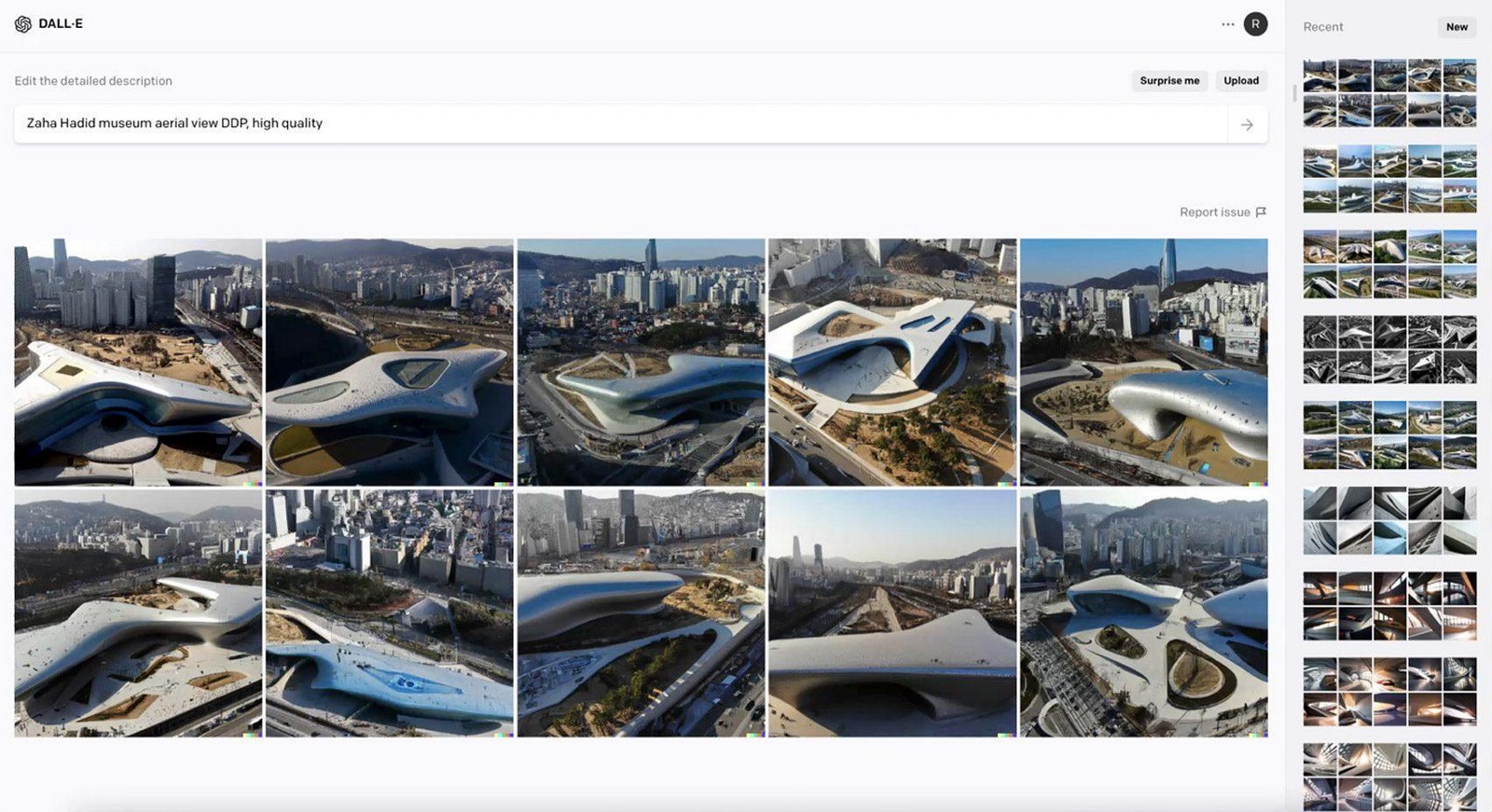
Zaha Hadid Architects has also adopted AI image makers such as DALL-E 2 and Midjourney to develop conceptual work, and at a roundtable event, Principal Patrik Schumacher admitted that the studio uses such tools to generate design concepts quickly and refine them through parametric workflows. Their Heydar Aliyev Centre in Baku shows the possibilities of computational design; its flowing, continuously moving surface could barely be possible without the use of the parametric modelling tools.
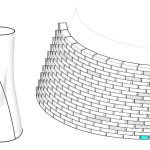
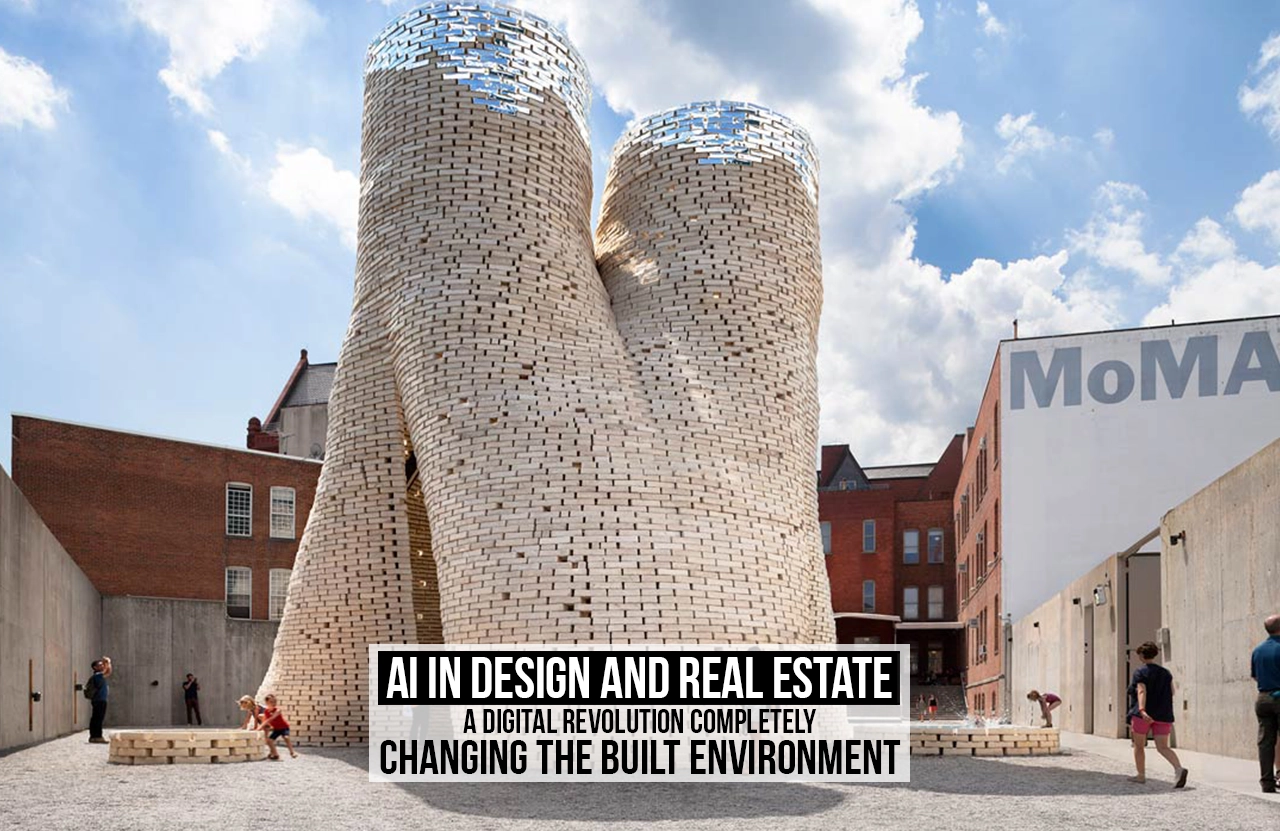
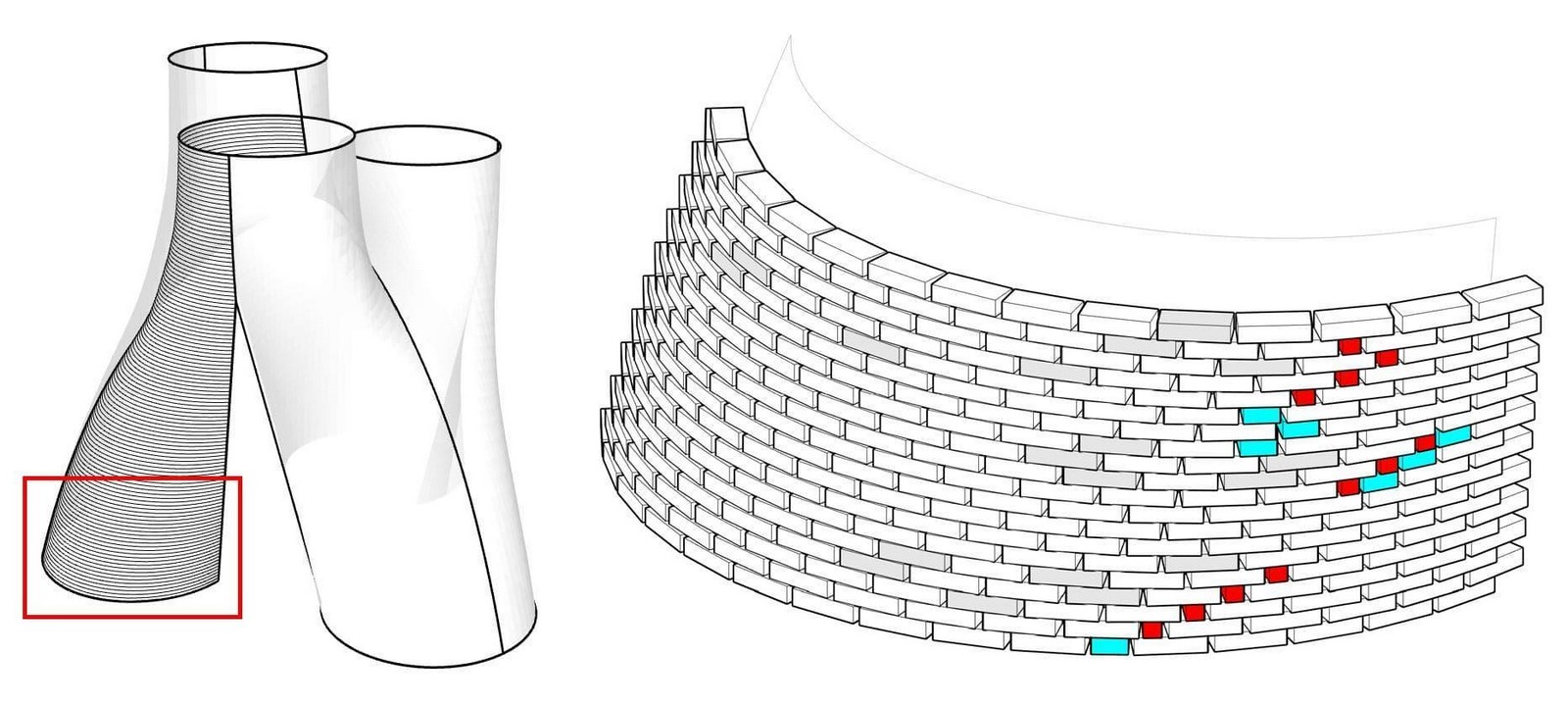
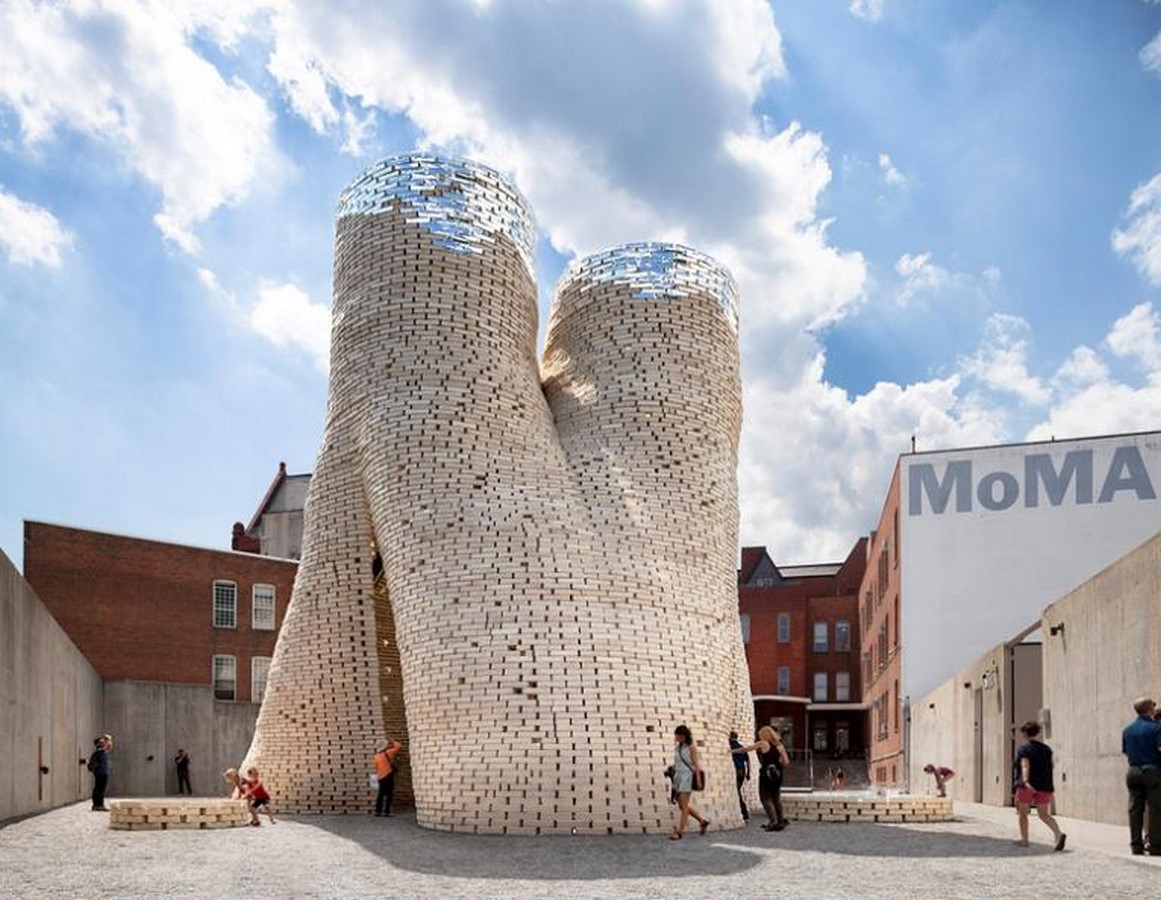
The generative design by Autodesk allowed The Living to develop Hy-Fi by MoMA PS1, a 40-foot tower constructed using 10,000 custom-designed compostable bricks, experimenting and optimizing with low-energy materials and finding the most efficient structure by AI exploration.
Transformation in Real Estate: Making Data Science out of Guesswork
The AI in the real estate market increased by 36.1 percent from 222.65 billion in 2024 to 303.06 billion in 2025. This is a virtual boom driven by the fact that AI has revolutionized property valuation, tenant matching, and portfolio management.
Predictive analytics has transformed the process of property valuation into accurate data science. Zillow and Redfin, among other companies, use machine learning models that process millions of data points, such as school scores, walkability scores, past sales data, etc., to provide the most accurate estimates of values ever. Morgan Stanley estimates that AI can save the company up to $34 billion in sales, managerial, and infrastructure expenses by the year 2030.
A good example of practical use is VTS: their AI identifies tenants’ commercial premises based on their requirements, lease conditions, and building features. In Manhattan, where the vacancy cost of prime space is over 10,000 dollars a month, AI placement is bringing change in a financial aspect, not only convenience.

BIM and Machine Learning: Geometrical Improvement
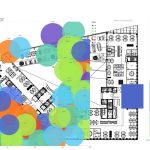
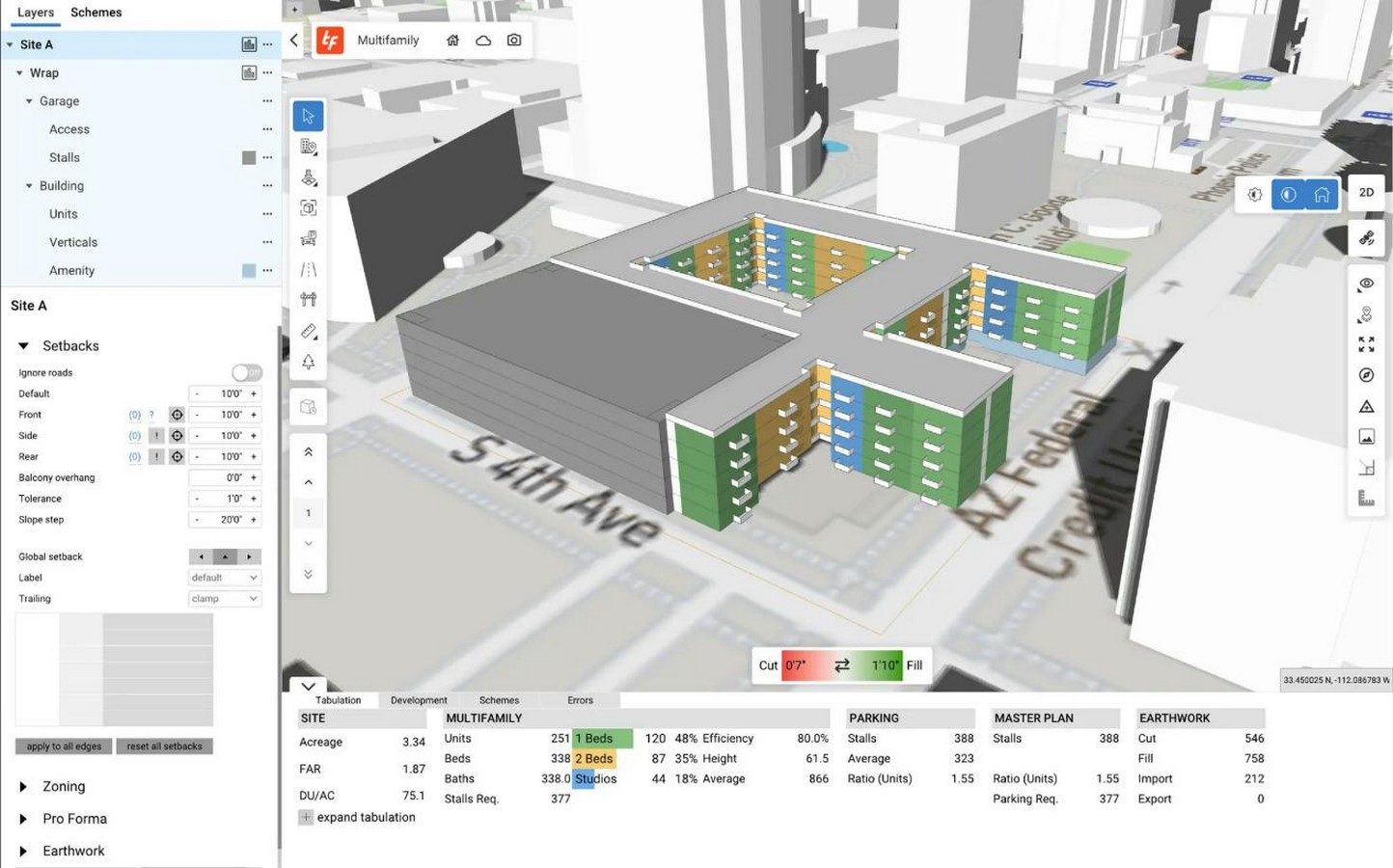
AI enhances the capabilities of BIM, which has been in service to architecture during the past 20-year period. Testfit creates hundreds of building designs within a few minutes, all being designed to maximize a variety of priorities, including maximum units, optimal views, construction cost, or parking efficiency. What used to take days of reiteration before is instantly accomplished.
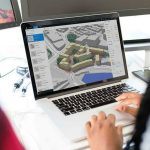
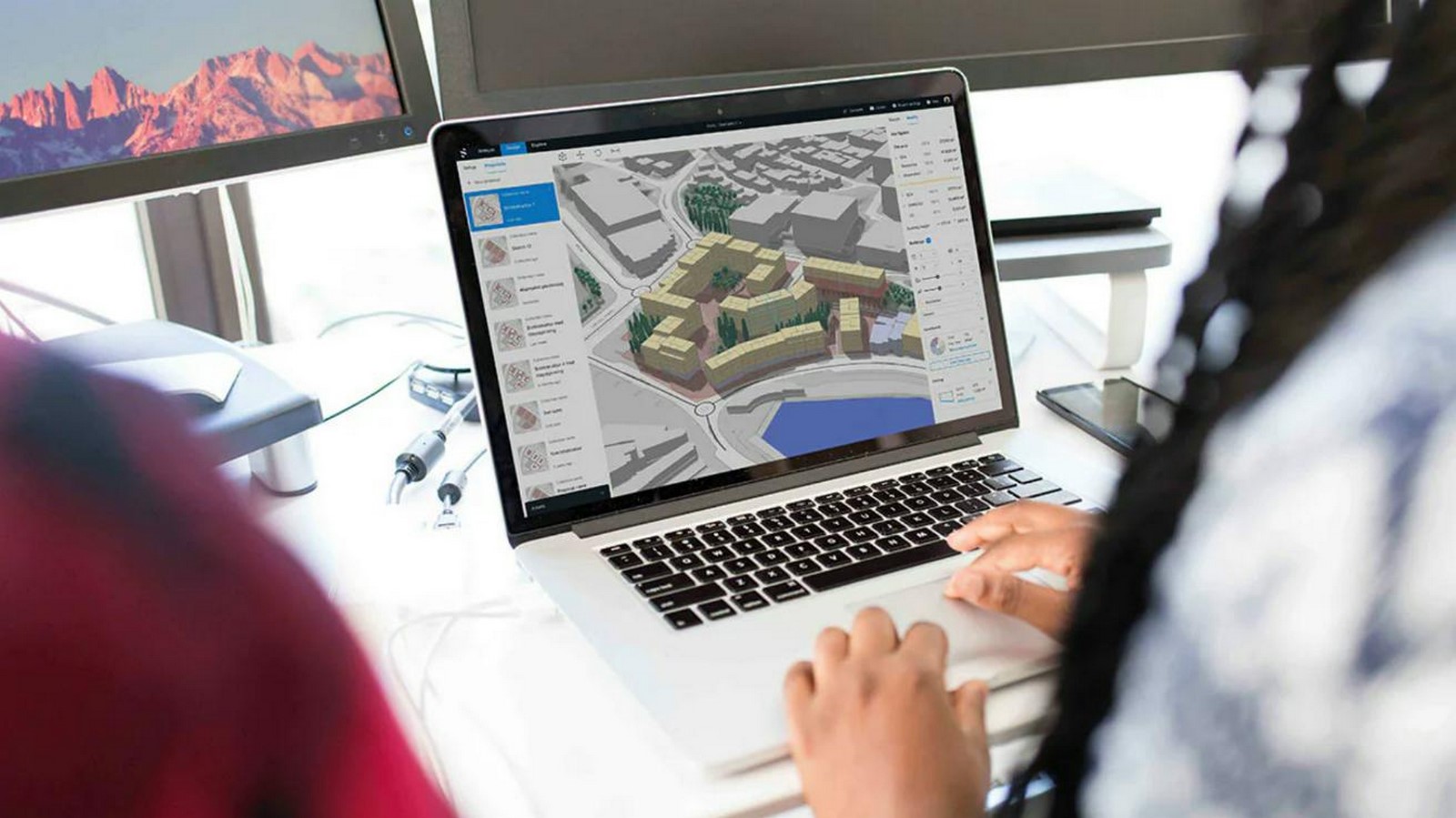
In 2020, Autodesk purchased Spacemaker, which analyzes building sites and comes up with the best proposals depending on the sunlight exposure, winds, noise pollution, and views. In a Norwegian residential project carried out by Norwegian company A-lab with the help of Spacemaker, AI discovered the configurations of apartments that maximized their sunlight exposure by 45 percent over how the apartments were first designed. The main architect, Odd Klev, told Architectural Record: “The AI did not substitute our creativity; it liberated us to concentrate on areas where we realize human intuition and experience are most important.”
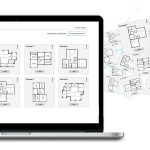
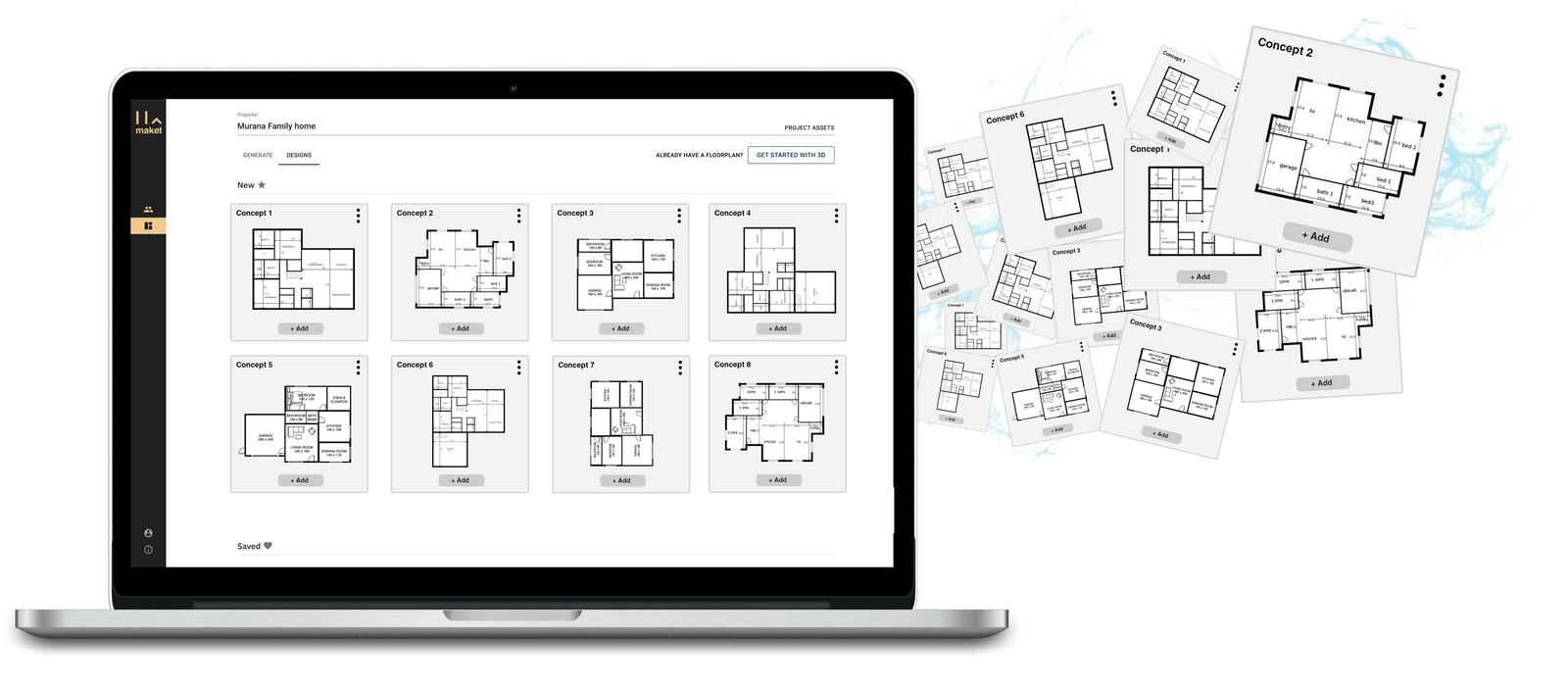
On the other hand, Maket.ai produces floor plans based on sketches or descriptions. Type 3-bedroom house with open-plan living, south-facing garden, home office, and get dozens of code-compliant options in a second game-changer to residential architects, who must operate within a tight budget and an even tighter schedule.
Research Frontiers: Theory to Reality
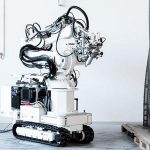
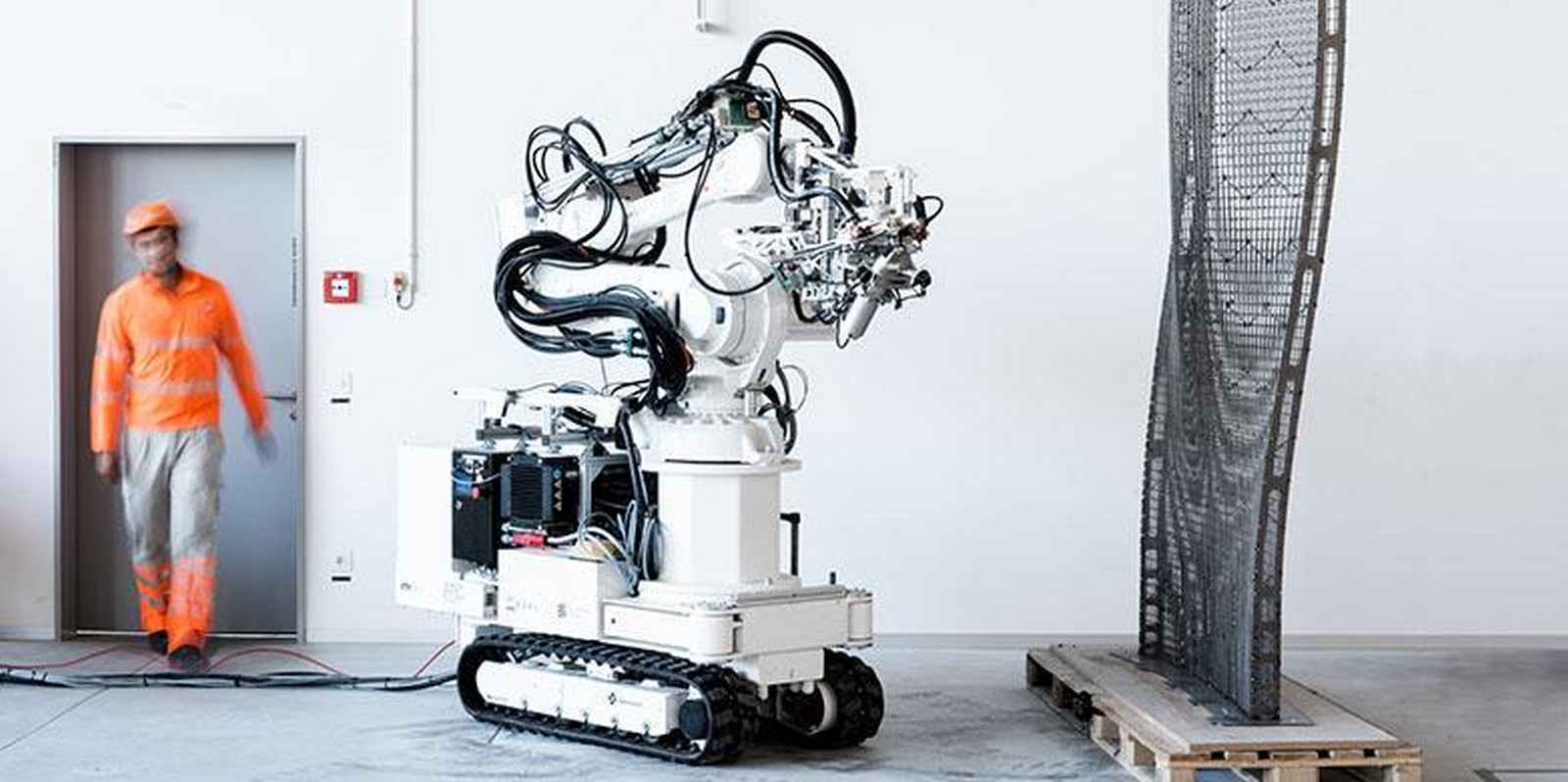
Colleges are considering the use of applications that are coming out of science fiction into life. The Digital Building Technologies group at ETH Zurich creates AI that designs construction structural systems that are optimised to be built by robots. Their Smart Slab project is based on machine learning to produce the floor systems with strategically placed voids that will cut material consumption by 70 percent, while still being structurally sound and optimized to be assembled by construction robots.
The Graduate School of Design at Harvard studies the idea of AI predicting the aging of buildings and proposing maintenance measures to eliminate issues before they escalate. Their prototype uses data from building sensors, weather patterns, and maintenance records to predict system failures. Third-party testing on three office towers in Boston had an average prediction of six weeks of failure of HVAC systems, which could save millions of dollars in emergency failures and wasted time.
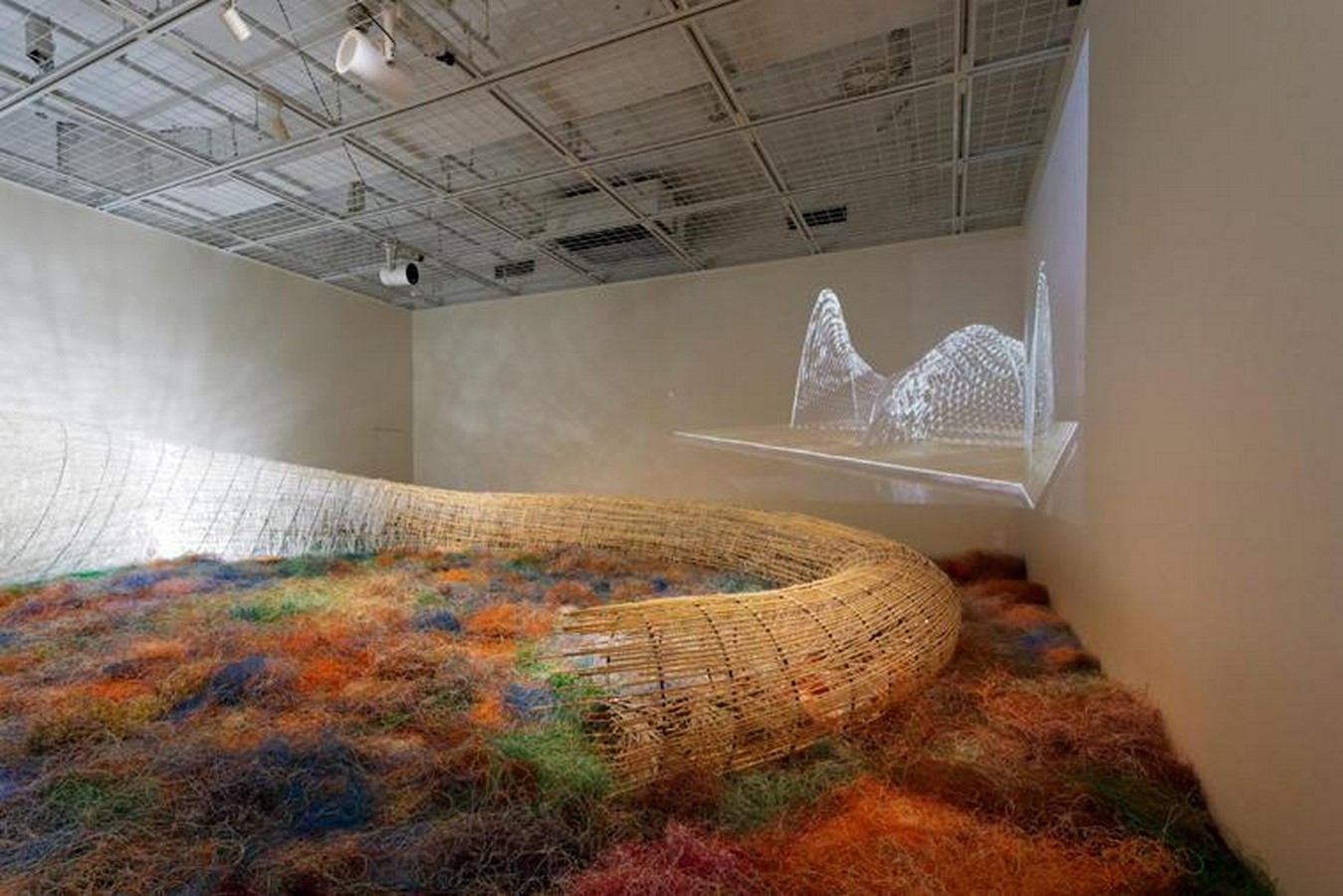
Kuma Lab by the University of Tokyo, headed by Kengo Kuma, examines AI-based design that reacts to local context and culture and applies machine learning to understand the traditional building forms and create modern designs that reflect the cultural background.
Smart Building Management Revolution
AI is changing the world of property management. The smartest building in the world, the Edge in Amsterdam, features 28,000 sensors and algorithms based on artificial intelligence controlling lighting, temperature, and the use of space. The system memorizes the occupant’s preferences and takes control.
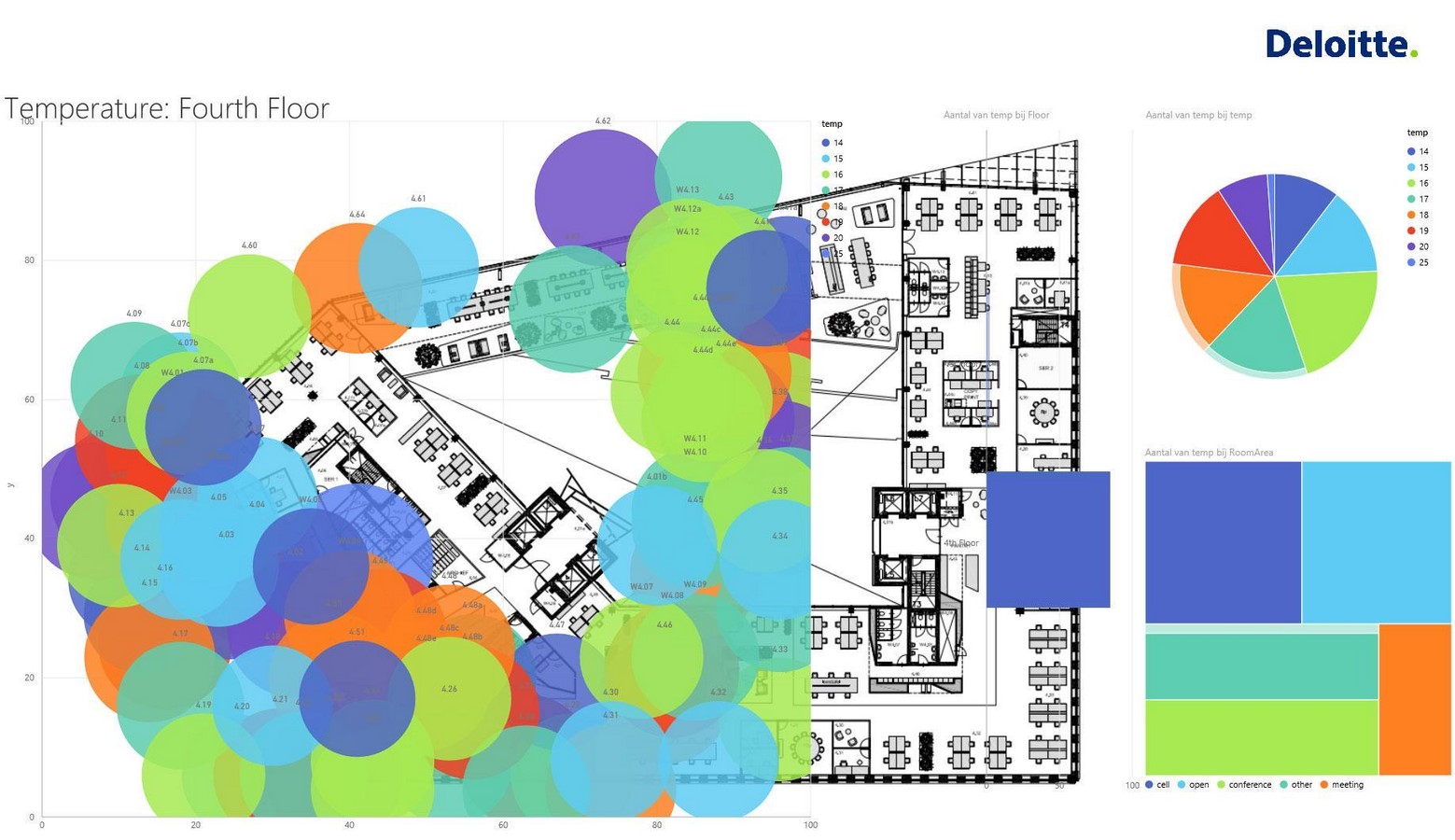
The construction of management platforms such as Equiem studies the way the tenants utilize their amenities, arrival and departure time, and service requests, and customizes the experience- setting the office temperature ahead of time before arriving, recommending the best time to visit the gym after work, even ordering regular coffee at lobby cafes.

LeasePilot and Kira Systems are examples of AI systems that automate the lease analysis. In a study on 700 commercial leases by Brookfield Properties in which AI was applied, they found that they had over 50 million recoverable expenses they had been missing.
Ethical Troubles and Compromises
The most important questions arise: Who is to blame when a building fails, in case AI designs buildings? The existing systems can produce beautiful and structurally unsound or prohibitively costly designs. The technology involves advanced human supervision- skills acquired over the years.
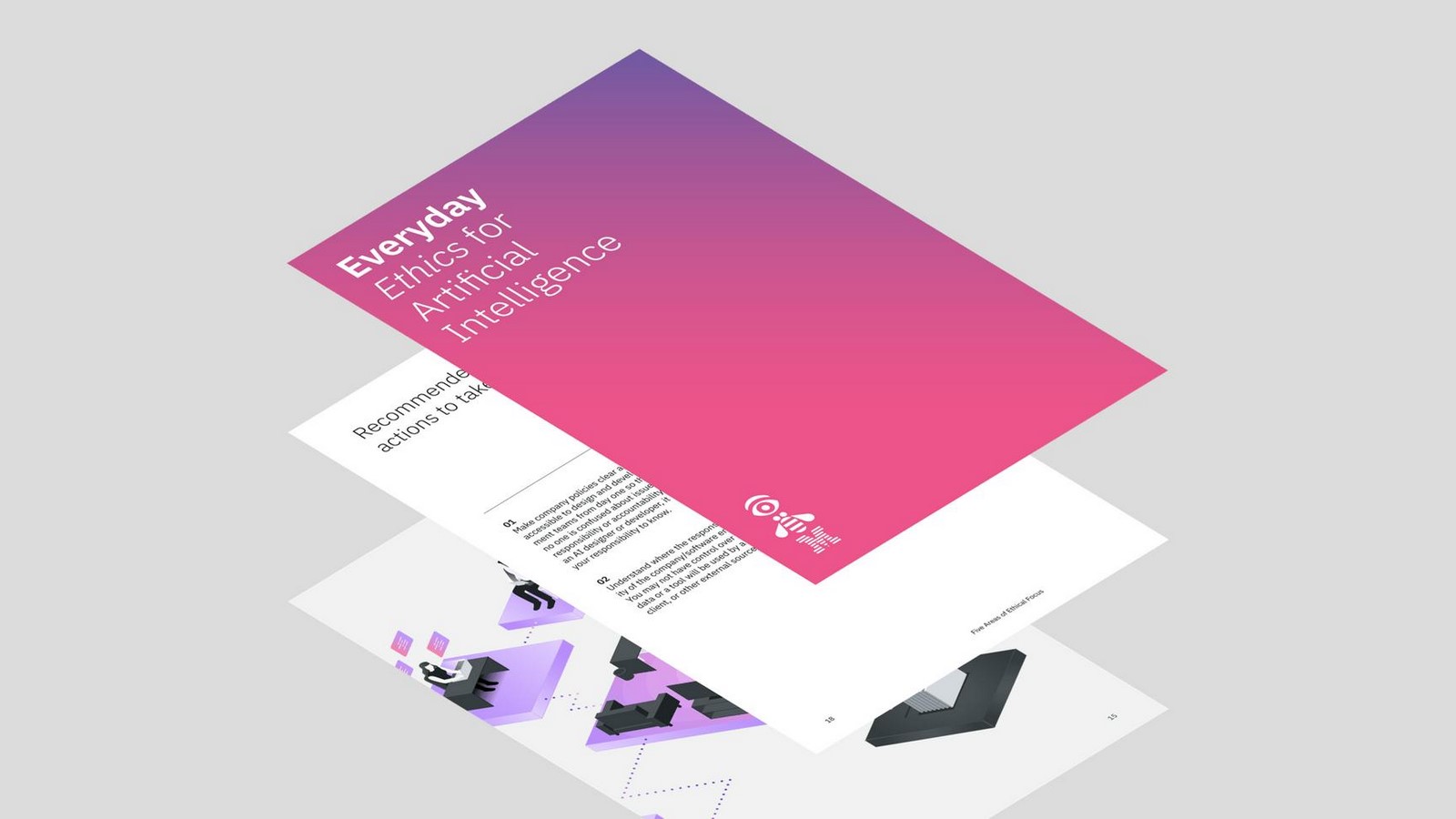
Another issue is the bias. The machine learning models that are trained using the historical data can continue to reproduce errors and biases. The research indicates that present AI design tools have demonstrable biases in specific tendencies to distinct architectural styles and spatial organization (MIT Media Lab).
Smart Building privacy is problematic. Who belongs to the information of occupant behavior being collected in buildings? Following the revelation of the tracking of employee movement by The Edge, employees expressed concerns regarding privacy, which led to new data collection procedures.
The Future of the Road: New Potential
The convergence of AI and augmented and virtual reality enables the experiences of immersive design. With Microsoft HoloLens, architects stroll through the designs made by AI technology superimposed on real construction sites.
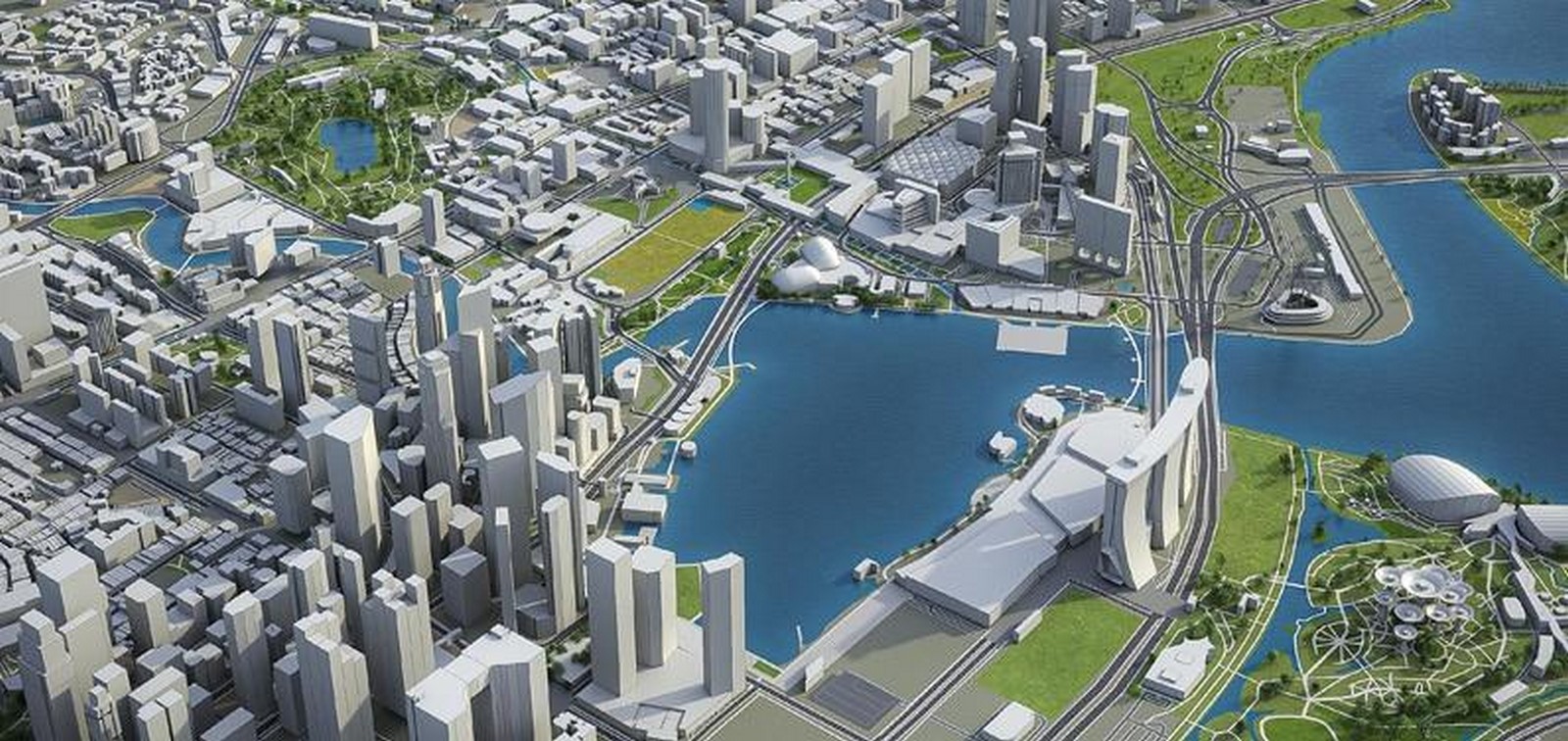
Digital twins- virtual copies of buildings that can update with real-time changes are becoming a new trend when it comes to intricate projects. Virtual Singapore, a city-state digital twin in Singapore, enables urban planners to model the proposed development effects on traffic, shadows, wind patterns, and views through AI to simulate thousands of scenarios in Singapore.
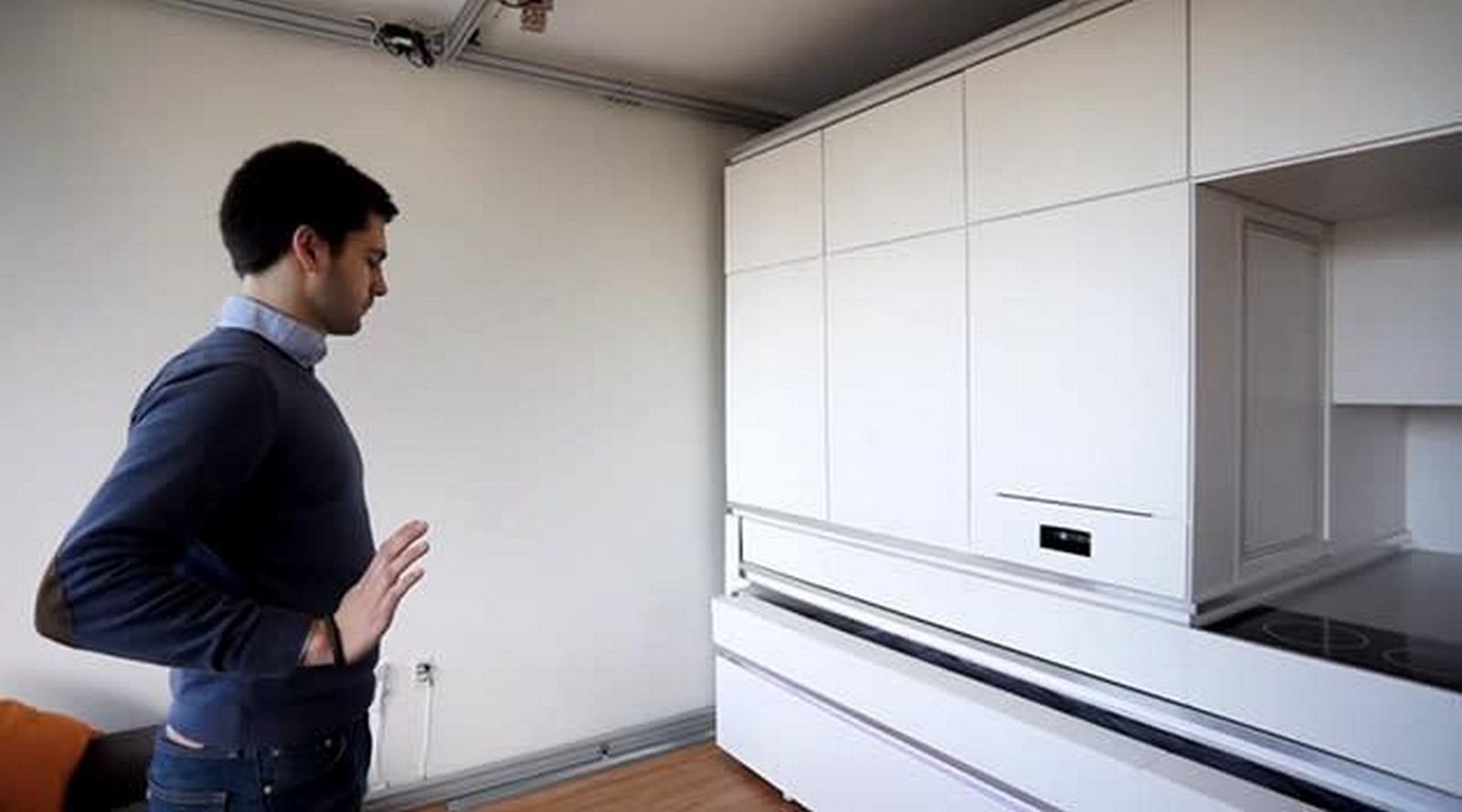
The Changing Places Lab at MIT has made a prototype building with genuinely responsive architecture, i.e., a room in which the walls, floors, and furniture can reorganize based on current activity. AI learns how to use space and actually reorganizes itself to accommodate requirements: the morning meetings get turned into conference spaces, physical exercise into gyms, evenings into lounges.
Human-Centred Collaboration
The most successful AI applications enhance human abilities and do not eliminate them. This was best described by Bjarke Ingels: AI is a thousand interns that never sleep, never complain, but can look at every potential option. Yet they do want you to tell them what is important, what is beautiful, what fulfills human needs.
Our future is not human versus machine; rather, it is human and machine working together in new ways never before seen. Thriving architects and real estate professionals will find it unnecessary to oppose AI, as they will learn to work with it, allowing technology to liberate them to work only human beings can: envisioning futures worth building, creating environments where humans can thrive, and designing built surroundings that meet the challenges and opportunities of the future.
Images and Websites:
RIBA (Royal Institute of British Architects). Artificial Intelligence: how are architects using AI right now and what are they using it for? Retrieved from https://www.architecture.com/knowledge-and-resources/knowledge-landing-page/artificial-intelligence-in-architecture
Cocho-Bermejo, A. (2025). Artificial Intelligence and Architectural Design Before Generative AI: Artificial Intelligence Algorithmics Approaches 2000–2022 in Review. Engineering Reports. https://onlinelibrary.wiley.com/doi/full/10.1002/eng2.70114
Umm Al-Qura University. (2025). The role of artificial intelligence (AI) in architectural design: a systematic review. Journal of Engineering and Architecture. https://link.springer.com/article/10.1007/s43995-025-00186-1
MDPI. (2025). A Review of Artificial Intelligence in Enhancing Architectural Design Efficiency. Applied Sciences, 15(3), 1476. https://www.mdpi.com/2076-3417/15/3/1476
Neuroject. (2024). Artificial Intelligence or AI in Architecture; Guide to 2024. https://neuroject.com/ai-in-architecture/
Zhang, W., et al. (2023). Machine-learning assisted topology optimization for architectural design with artistic flavor. Computer Methods in Applied Mechanics and Engineering. https://www.sciencedirect.com/science/article/abs/pii/S0045782523001652
Nature Communications. (2022). Self-directed online machine learning for topology optimization. https://www.nature.com/articles/s41467-021-27713-7
Zhou, H., et al. (2025). Reinforcement learning-based topology optimization for generative designed lightweight structures. Results in Engineering. https://www.sciencedirect.com/science/article/pii/S2215016125003838
NASA/ADS. (2023). Machine-learning assisted topology optimization for architectural design with artistic flavor. https://ui.adsabs.harvard.edu/abs/2023CMAME.41316041Z/abstract
University of Toronto Robotics Institute. (2024). Robot Made 2024: Digital fabrication brings Engineering and Architecture students together. https://robotics.utoronto.ca/news/robot-made-2024-digital-fabrication-brings-engineering-and-architecture-students-together/
Novatr. (2024). 5 Examples of Robotic Fabrication in Modern Architecture. https://www.novatr.com/blog/robotic-fabrication-in-modern-architecture
Tibbits, S. Science Robotics. Digital architecture and robotic construction. https://www.science.org/doi/10.1126/scirobotics.aan3673
arXiv. (2023). Ethics of Artificial Intelligence and Robotics in the Architecture, Engineering, and Construction Industry. https://arxiv.org/html/2310.05414
ScienceDirect. (2024). Ethics of artificial intelligence and robotics in the architecture, engineering, and construction industry. https://www.sciencedirect.com/science/article/abs/pii/S0926580524001055
ACM Digital Library. (2024). Application Research on Artificial Intelligence Generated Content in Architectural Design. Proceedings of the 2024 International Conference on Machine Intelligence. https://dl.acm.org/doi/10.1145/3662739.3673681
ScienceDirect. (2024). Generative AI models for different steps in architectural design: A literature review. https://www.sciencedirect.com/science/article/pii/S209526352400147X
Autodesk. How AI in architecture is shaping the future of design, construction. https://www.autodesk.com/design-make/articles/ai-in-architecture