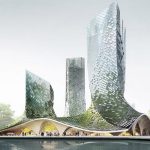
Buildings and spaces as we know them now are lit up using daylight, and artificial lights as the sun starts to set. This consumes a lot of energy, especially for areas that are lit up throughout the night. The next alternative step was to then make these lights solar-powered, which is still being implemented in many daily uses. However, we might have the next advancement in lighting in our hands already. While solar-powered lighting fixes energy from sunlight, what if buildings could not only utilise the carbon dioxide from the air, but also use the energy to produce their own native lighting?
Though it may sound a little fictitious, it is proven to be in use on real city streets. The answer to this lies in an organism that has been under development since the mid-20th century: Algae.
Algae as a Powerhouse: The Algae Photobioreactor
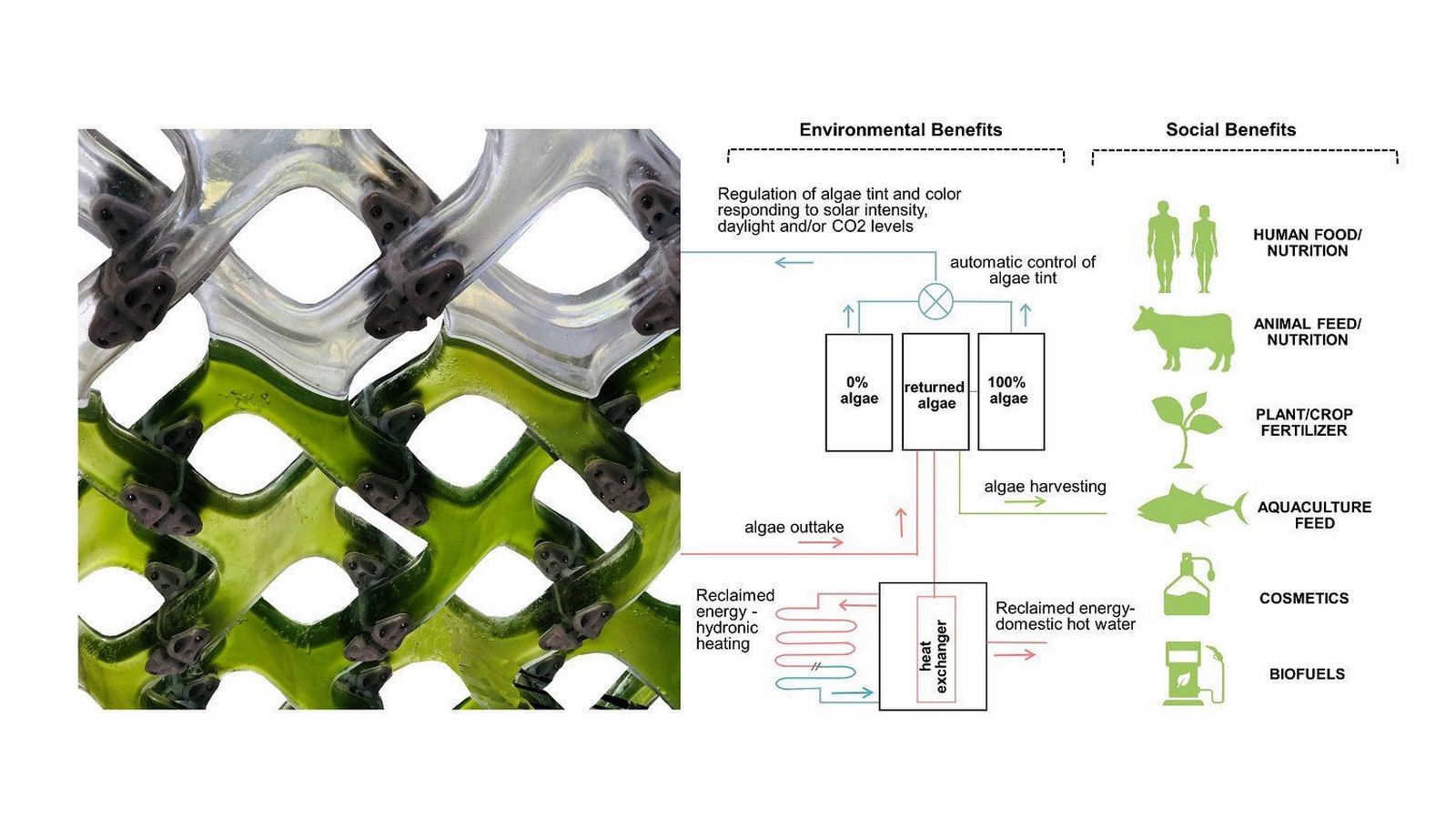
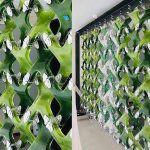
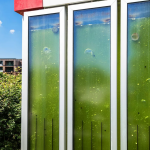
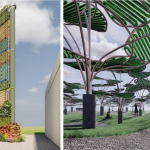
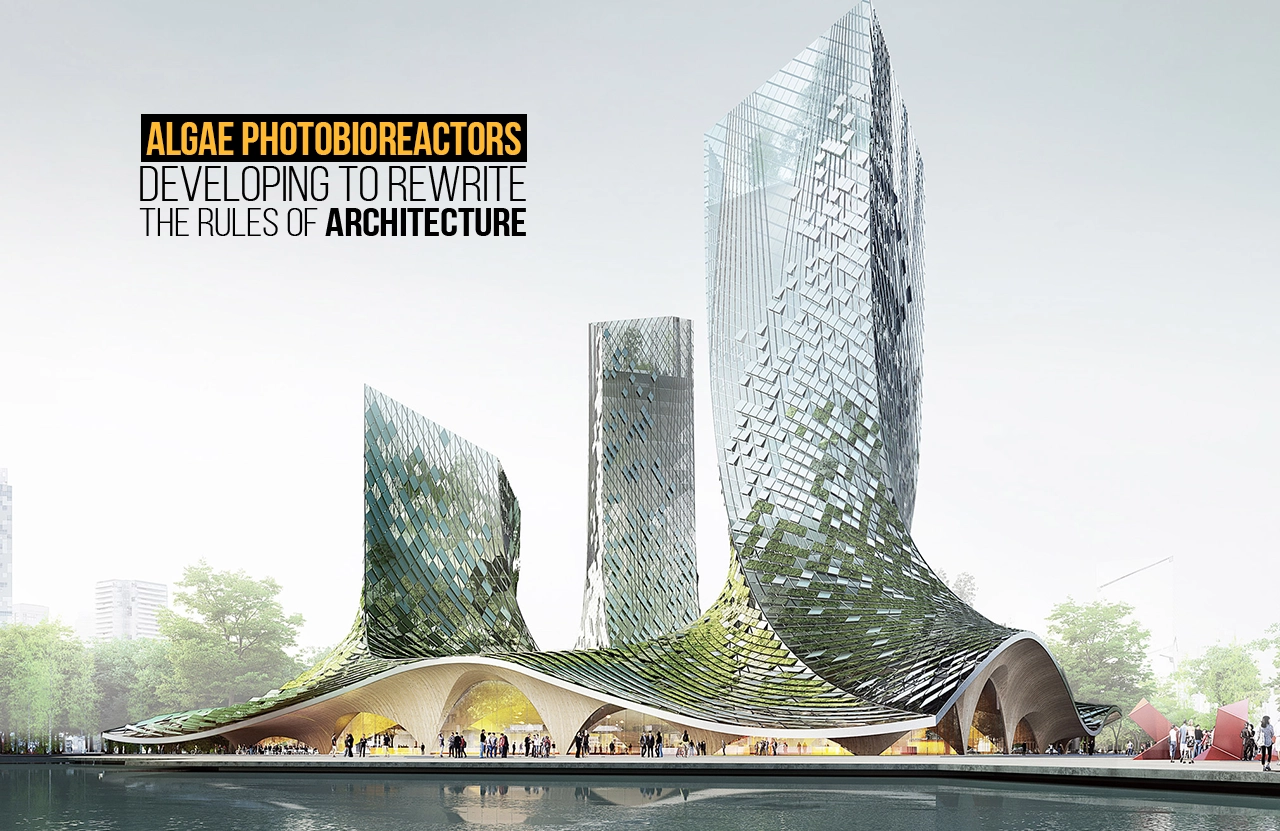
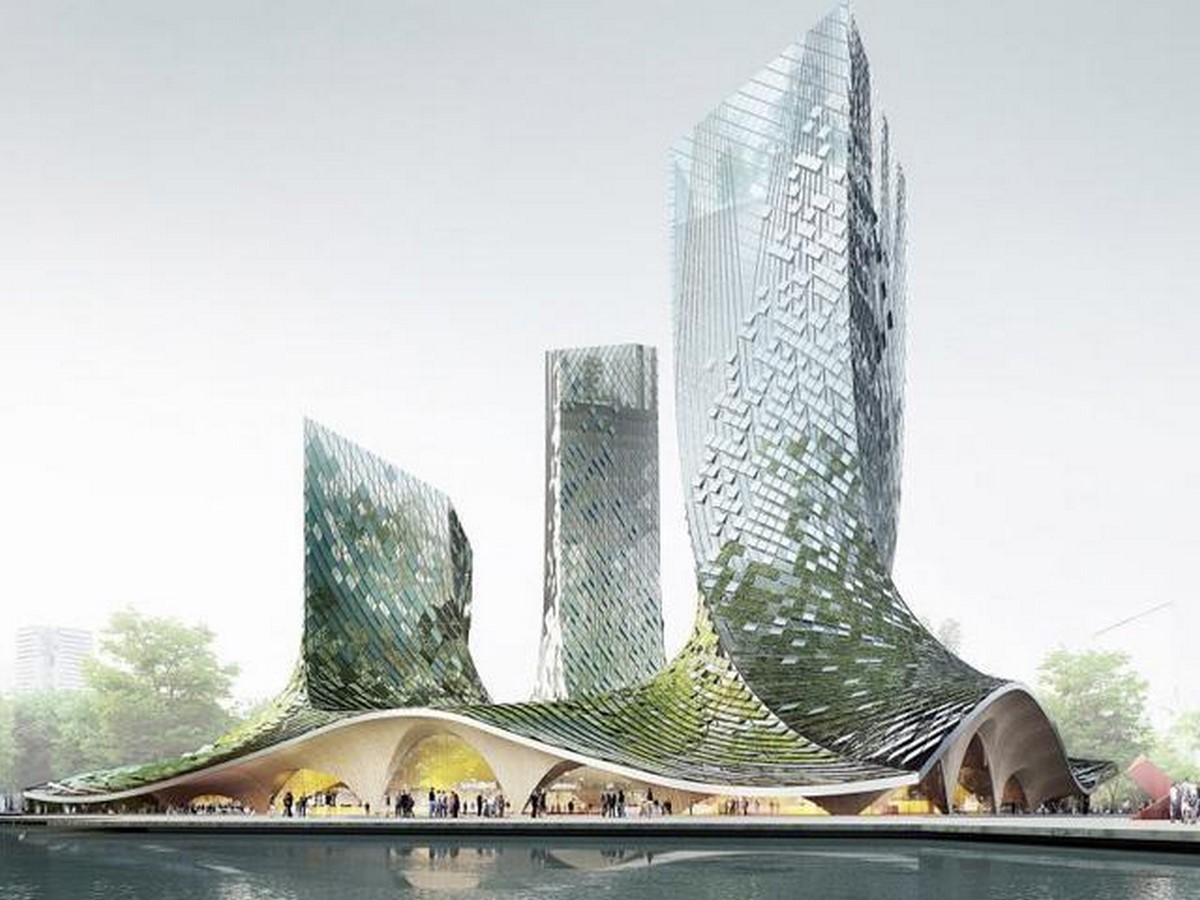
A photobioreactor panel contains a system that cultivates photosynthetic microalgae. When it is applied on top of a building, it performs a similar function to that of a solar panel, but in a different method, with a different impact on the environment. The panels transform the building envelope into a complete entity capable of absorbing carbon dioxide, generating biomass for biofuel, providing shading to internal spaces, as well as emitting a soft natural light. Not only can they be used during the construction phase, but they can also be retrofitted into existing buildings, especially for west-facing windows.
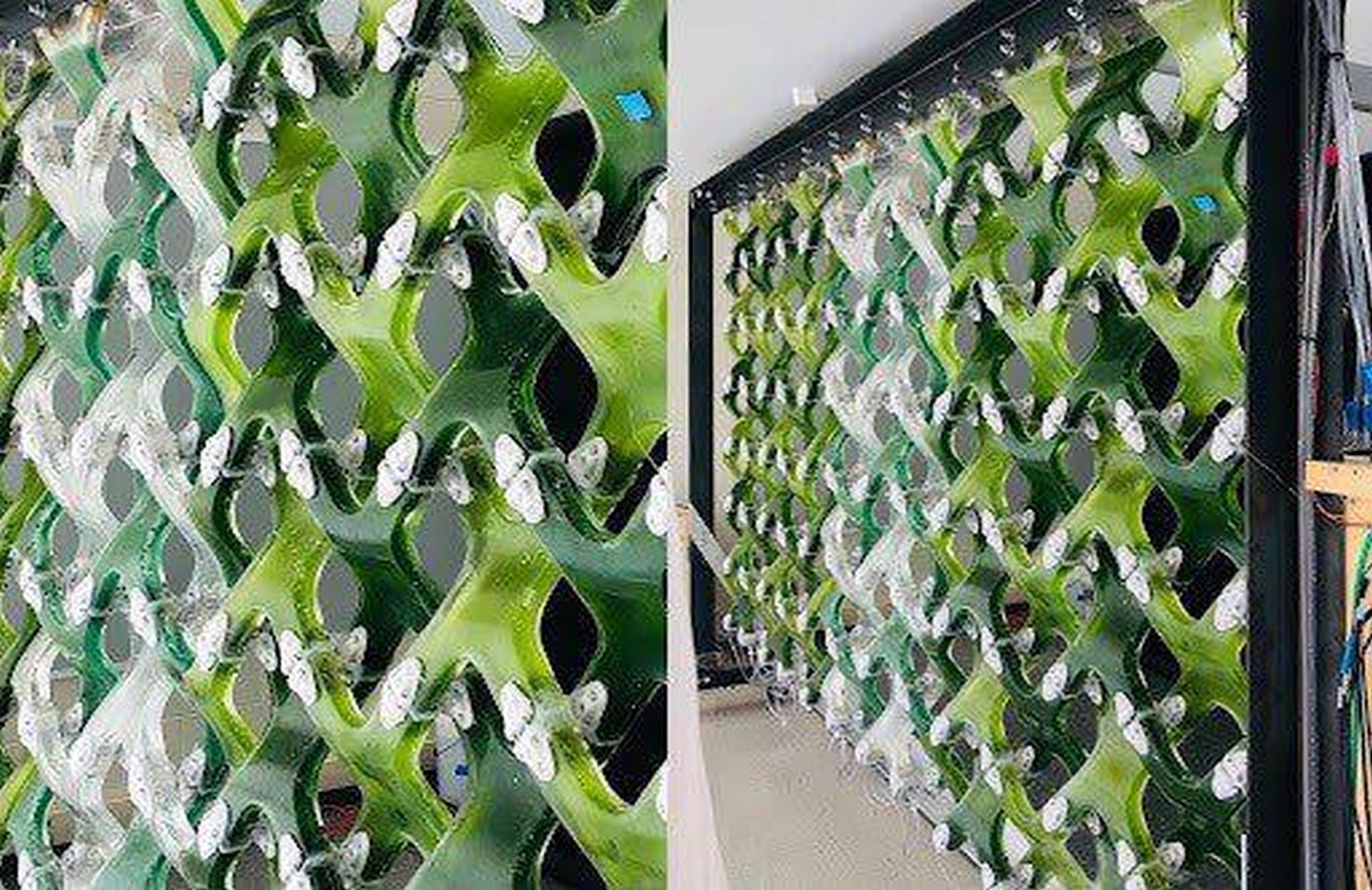
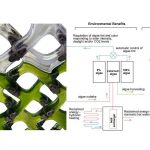
As sunlight hits the envelope, the algae within the double-glazed transparent glass panels are provided with the conditions to perform photosynthesis and absorb carbon dioxide, and release oxygen. As the sunlight increases, the algae culture becomes denser, providing more shade to the surrounding spaces. Once the captured solar heat passes a threshold and is not used by the algae, it is extracted and fed into the building’s heating system. And the biomass of the algae culture can be processed into biofuels, fertilisers, and products such as medicine or cosmetics or nutrition.
PBRs in Real Life Applications
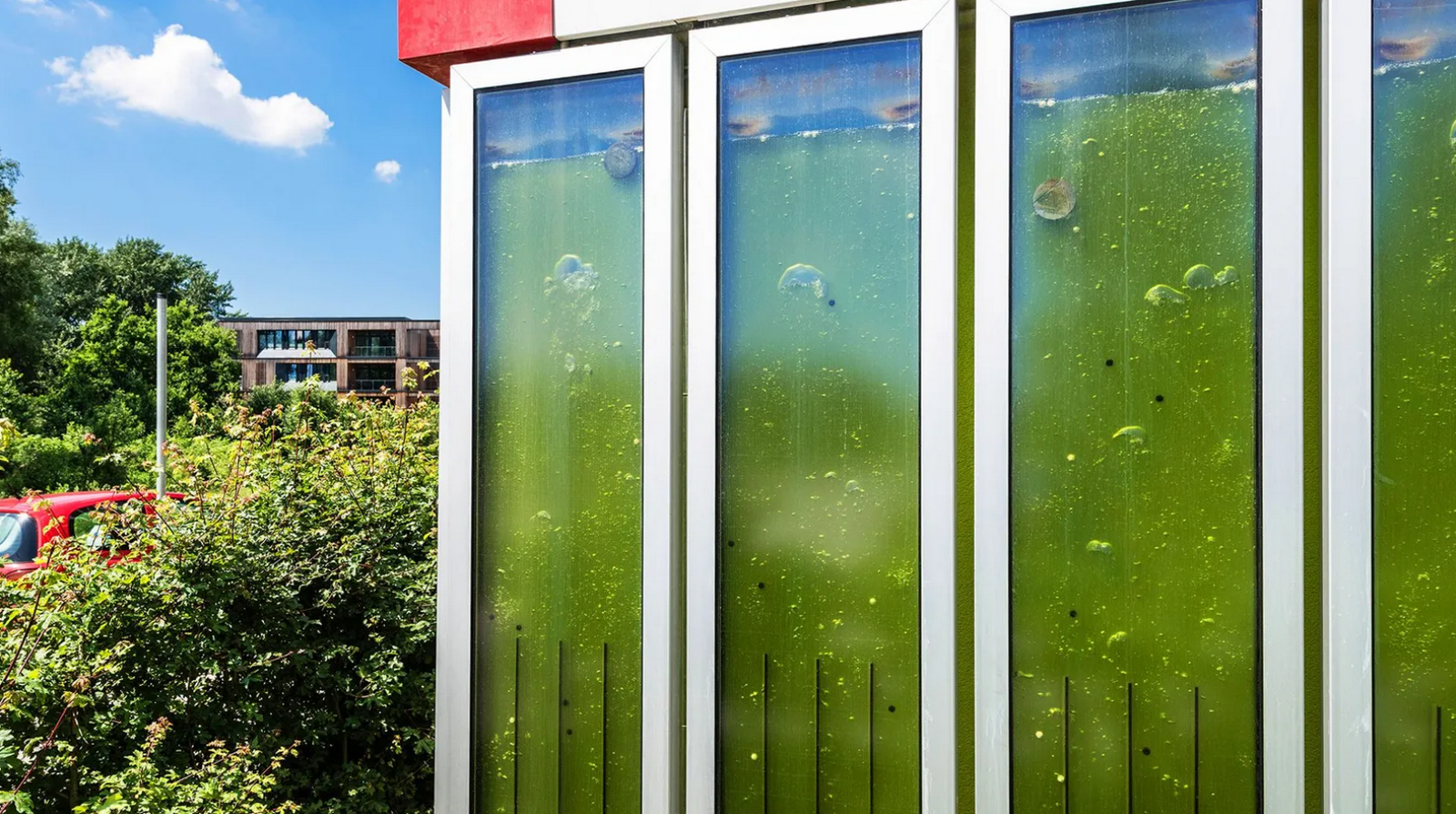
Though presented as a radical theory for the 2006-2013 International Building Exhibition, the BIQ House in Hamburg, Germany, presents a real-life use case for integrating PBR panels into a building. It was designed by Splitterwerk Architects in collaboration with Arup, which manufactures the algae PBR system branded Solarleaf. Microalgae grow in 24-litre glass cavities, which absorb carbon dioxide from on-site combustion that is supplied through a pipe. The biomass is converted to biogas, and the excess heat is stored underground in brine tanks for space and water heating. The structure achieved a reduction in CO2 emissions by around 6tonnes per year. This provides an excellent example of carbon-neutral design.
The SolarLeaf panels report an efficiency of 10% while converting light to biomass and 38% on converting light to heat. This results in a total 48% efficiency, which is significantly higher compared to the 12-15% efficiency rate for conventional solar panels. The concept of these PhotoBioReactor panels has the potential to be developed into a strong contemporary concept due to its various contributions to shaping a space architecturally. This includes shading, insulation, energy generation, CO2 sequestration and noise buffering, all packed into a single façade unit.
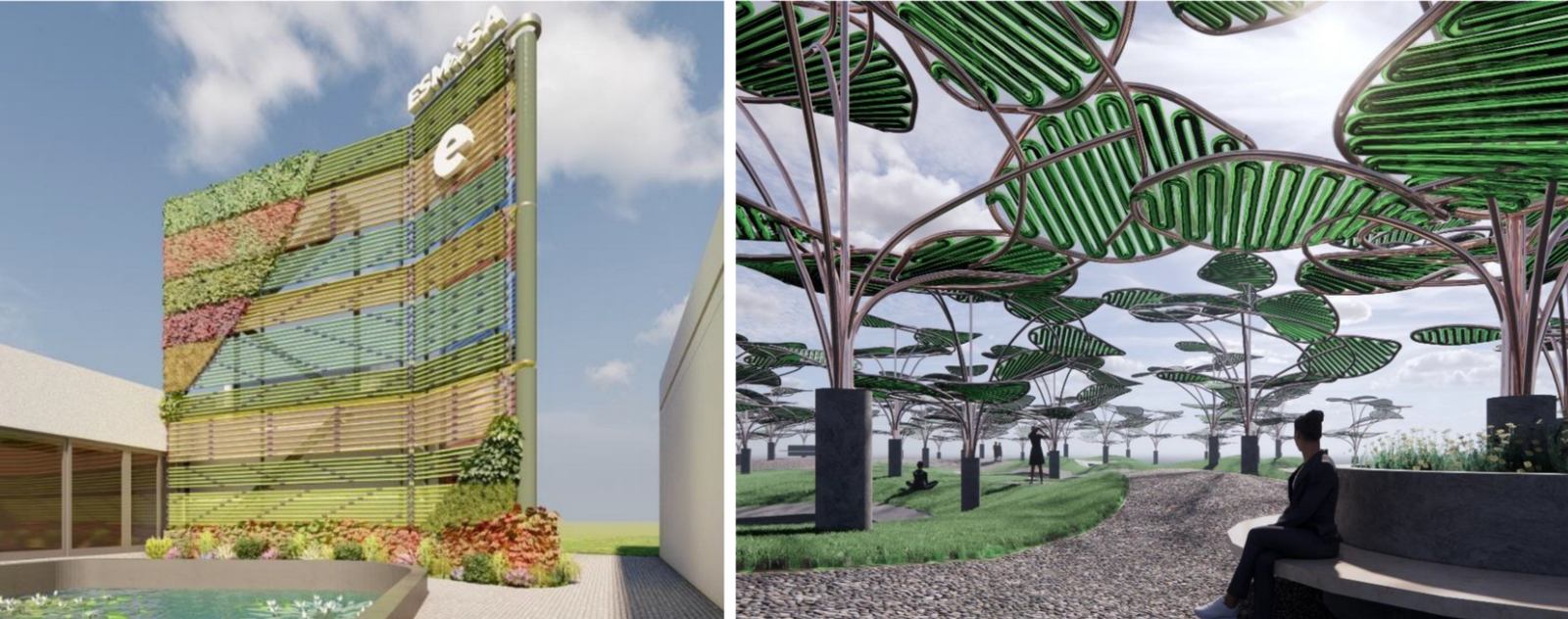
Beyond just theory, even the growing body of peer-reviewed research and its resulting numbers show considerable promise for the future. A 2023 study of the PBR installed in the façade element and artificial trees of the Municipal Council of Alcorcón in Spain calculated about 720kg of CO2 fixed from the atmosphere annually, along with 400kg of biomass extracted for fertilizer. If this could be applied across a large commercial façade, it would be part of a meaningful contribution to the building’s carbon balance.
Algae as a Lighthouse: Moving Beyond Edison’s 150-year-old Invention
If the potential of algae as an energy generator and shading device wasn’t remarkable enough, it also possesses another frontier where it can also become part of the FF&E department in architecture through bioluminescence.
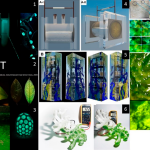
Reactions occur between the microalgae and certain bacteria in the presence of oxygen, which releases energy in the form of visible light, which poses a potential to be harnessed at an architectural scale. The BioLumCity project is one such attempt to develop bioluminescent panels that can be mounted on building facades, integrated into furniture, or used for lighting installations. While producing light, they also fix carbon dioxide from the air, similar to how PBRs also function. This reduces the dependence on electricity for light, as well as performing carbon sequestration. Two points on the road to sustainability for that.
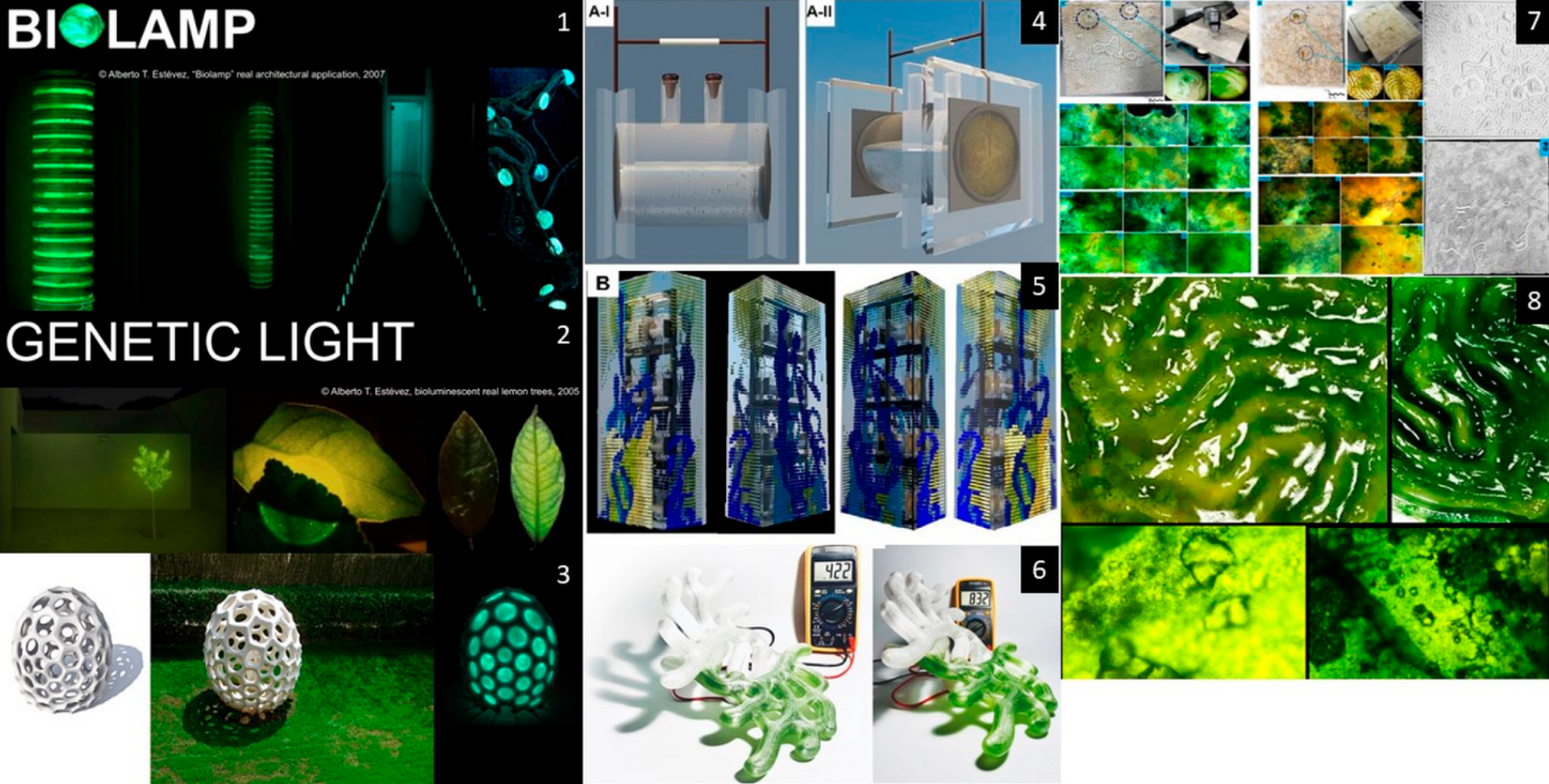
This concept can also possibly collaborate with another recent tech-advancement, 3D printing. A 2025 study from iBAG-UIC Barcelona proposes 3D-printed bioreceptive tiles embedded with Aliivibrio fischeri — a naturally bioluminescent marine bacterium — as cladding for urban facades. Unlike the glass photobioreactor panels, these tiles don’t require pressurised conditions. The organisms can be enclosed by thin membranes and allowed to grow directly on the solid surface. The unit cost of this proposition would also be significantly lower than bioreactor units, opening a path toward introducing bioluminescent cladding on a larger scale.
Analysing the Small Scale of PBR-integrated Architectural Projects
The most immediate challenge that this innovation faces might be the economic aspect of it. Its implementation would depend on weighing several factors against each other. Developers typically expect returns within a decade, but at the current state, the initial investment for installing PBR façade panels would only be returned after 16 to 24 years, more than double the commonly desired time period.
The next challenge would be its maintenance. Unlike light fixtures that run on electricity that can be screwed in place and forgotten about until their watt hours are up, the performance of algae cultures is sensitive to temperature. One threat would be the unwanted growth of organisms on glass surfaces (Biofouling), which needs to be actively managed. Scaling it into mainstream building tech would also require several regulatory frameworks which do not fully exist in any locality. Further research is still ongoing on how to increase the illumination levels of bioluminescent lighting for diverse conditions, in order to increase its marketability.
With continued research and the development of new systems, like the Algae Autobioreactor (AAB) developed in 2025 at the Tarbiat Modares University, Tehran, Iran, which uses real-time image processing for active maintenance, provides theoretical hope that a switch in appliances and façade design is steadily approaching.
The future of architecture could more closely be aligned with applied biology, perhaps forming a branch of itself. It could propose a reinvention of how we have viewed facades for ages: a static, visually unresponsive envelope. While this one responds to its environment and works to give something back to it.
REFERENCES LIST:
Arora, R., Sudhakar, K. and Rana, R.S. (2024) ‘Photobioreactors for building integration: An overview of designs and architectural potential’, Heliyon A Cell Press Journal, 10(15). Available at: https://www.cell.com/heliyon/fulltext/S2405-8440(24)11199-1?_returnURL=https%3A%2F%2Flinkinghub.elsevier.com%2Fretrieve%2Fpii%2FS2405844024111991%3Fshowall%3Dtrue (Accessed: 08 March 2026).
SolarLeaf, the world´s first bio-reactive façade – Arup (2026) Arup. Available at: https://www.arup.com/projects/solarleaf/ (Accessed: 08 March 2026).
Villalba, M.R., Cervera, R. and Sánchez, J. (2023) ‘Green Solutions for urban sustainability: Photobioreactors for algae cultivation on façades and artificial trees’, Buildings, 13(6), p. 1541. doi:10.3390/buildings13061541.
Sedighi, M., Pourmoghaddam Qhazvini, P. and Amidpour, M. (2023) ‘Algae-powered buildings: A review of an innovative, sustainable approach in the built environment’, Sustainability, 15(4), p. 3729. doi:10.3390/su15043729.
Kim, K.H., Parrow, M.W. and Kheirkhah Sangdeh, P. (2025) ‘Microalgae-integrated building enclosures: A nature-based solution for carbon sequestration’, Frontiers in Built Environment, 11. doi:10.3389/fbuil.2025.1574582.
Bioluminescent bacteria and algae for illuminating cities (2023) cragenomica.es. Available at: https://www.cragenomica.es/crag-news/230929_JaeSeong_BioLumCity (Accessed: 08 March 2026).
Abdallah, Y.K. et al. (2025) ‘BioLumCity: 3D-printed bioluminescent urban tiles employing Aliivibrio fischeri Bioink as passive urban light’, Applied Microbiology, 5(4), p. 105. doi:10.3390/applmicrobiol5040105.
Azimi, M. et al. (2025) ‘Real-time adaptive algae bioreactor facades: A novel method for dynamic daylight and thermal efficiency optimization in buildings’, Energy Conversion and Management, 346, p. 120409. doi:10.1016/j.enconman.2025.120409.