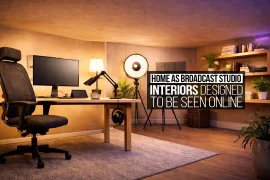
For years, the idea of a home and workspace in separate settings was not the norm. Workshops, houses, studios, and small businesses all used to be in the same building. Work was woven into the everyday duties. It wasn’t until globalisation and the rise of commercial centres and hubs that had become places of production that there was a pronounced separation between them both.
But today, the separation is beginning to shift again.
Digital technology has made it possible to work from anywhere. The change in digital patterns has given birth to flexible and hybrid work forms. Laptops can replace workstations, and a video call can replace meeting rooms, and a house has become a space that accommodates both work life and comfortable living.
Yet, most houses are designed for domestic use. Assigning a space for a particular reason, like the bedroom for sleeping, the kitchen for cooking, etc. Giving no specific space for a workstation. This creates a mismatch between how people live and how homes are designed.
The home office shouldn’t be understood as just a space with a work desk in it. It creates a larger question about whether a residential house should evolve to accommodate the changing needs of households and workspaces.
When Home and Workspaces Were Not Differentiated
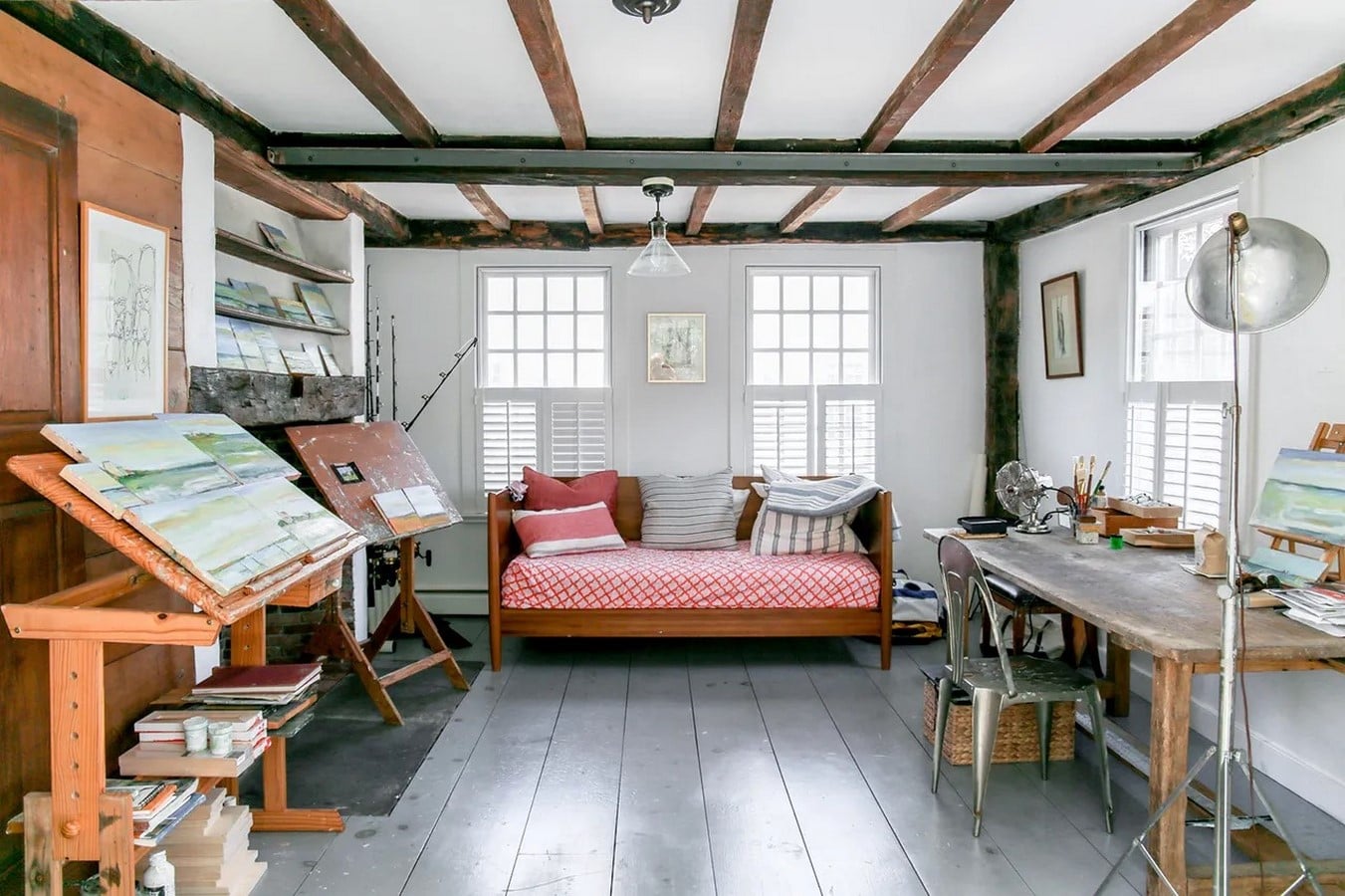
The separation of home and workspaces was relatively newer. Homes and workspaces were not differentiated earlier. Craftsmen, businessmen and even local vendors had done trade from a residential house. The home was not just a place for rest but went hand in hand with the needs of people, interactions between them and a place of production.
And when industrialisation happened, the factories and business centres separated workspace from home, but increasing transportation had also made it easier to commute. Houses had become more private. The study spaces and workspaces still existed but were never seen as a fundamental part of a household.
The Digital Shift
The emergence of computers and the internet fuelled this separation way before the pandemic. Personal computers allowed people to perform office-based tasks from home, and a stable internet connection also enabled work from different locations. Laptops made work portable. Cloud-based platforms made files accessible from anywhere around the world. Yet housing did not respond to this transformation.
Instead, people adapted to the change. A spare bedroom became a room for study, dining tables were converted into a workplace, and the corners in living rooms became spots for work desks.
The Pandemic as an Accelerator, Not the Beginning
The COVID-19 pandemic brought a lot of attention to this issue, but it was never the beginning of the issue; instead, it became a catalyst that made people realise the cause of the issue. People who had worked in a full-fledged office before had to suddenly work from home. This exposed constraints of residential homes that were never meant to support a full workspace setup.
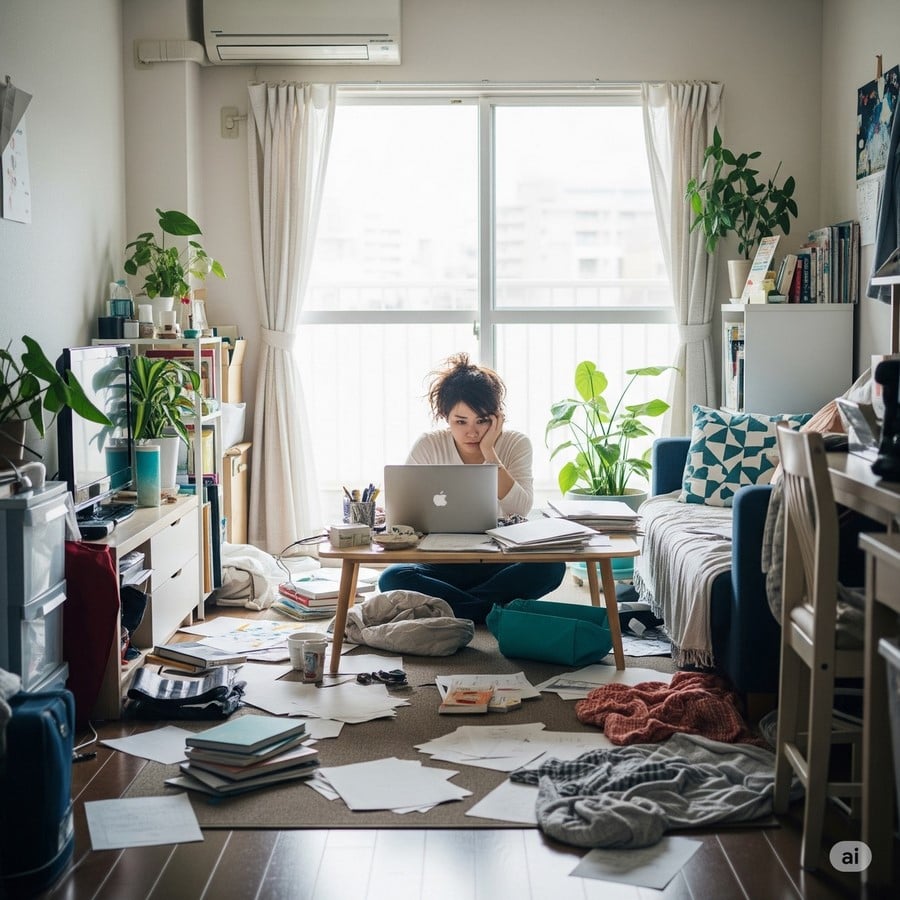
This made one thing visible: houses could accommodate workspaces physically but never comfortably or psychologically. However, when offices reopened post-pandemic, people did not fully return to work life since it has opened doors for a hybrid work style. The significance of the pandemic, therefore, lies less in creating the home office and more in making its importance impossible to ignore.
The Problem with the Existing Home
The challenge was not whether a home had enough space to accommodate a work lifestyle, but it was mainly about compensating different activities with one another. Work requires concentration, privacy, comfortable furniture, acoustic control and various other factors, whereas domestic life is the complete opposite, with movement, interaction and shared activity.
So, when these conditions overlap, conflicts emerge. A bedroom that was used for rest, if it is used as an office, can create a blurred distinction between work and rest, while a dining or living room may lead to privacy and comfort that is required for a long period of work. These are not just lifestyle problems but also architectural ones.
The Home Office as a Spatial Condition
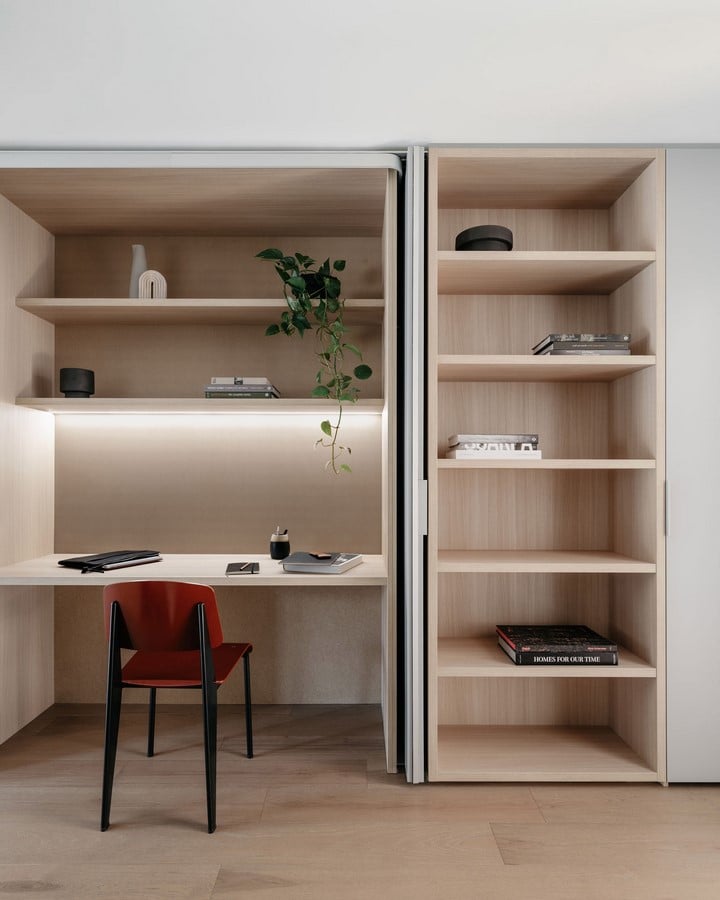
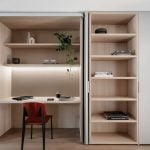
A permanent Home Office does not in particular require an additional closed room; instead, it can be understood as a spatial condition. When integrated into a residential layout, creating a niche or an enclosed corner or even an outdoor area can provide a suitable working environment without sacrificing valuable floor area; the objective is integration without intrusion.
Beyond the Individual Home
This approach can extend into residential communities. So, in apartment complexes, dedicated offices may not always be practical, but shared meeting rooms and co-working spaces could be provided as an additional workspace with residential development rather than making every dwelling house larger; you can provide private or shared workspace.
Towards an Adaptable Residential Typology
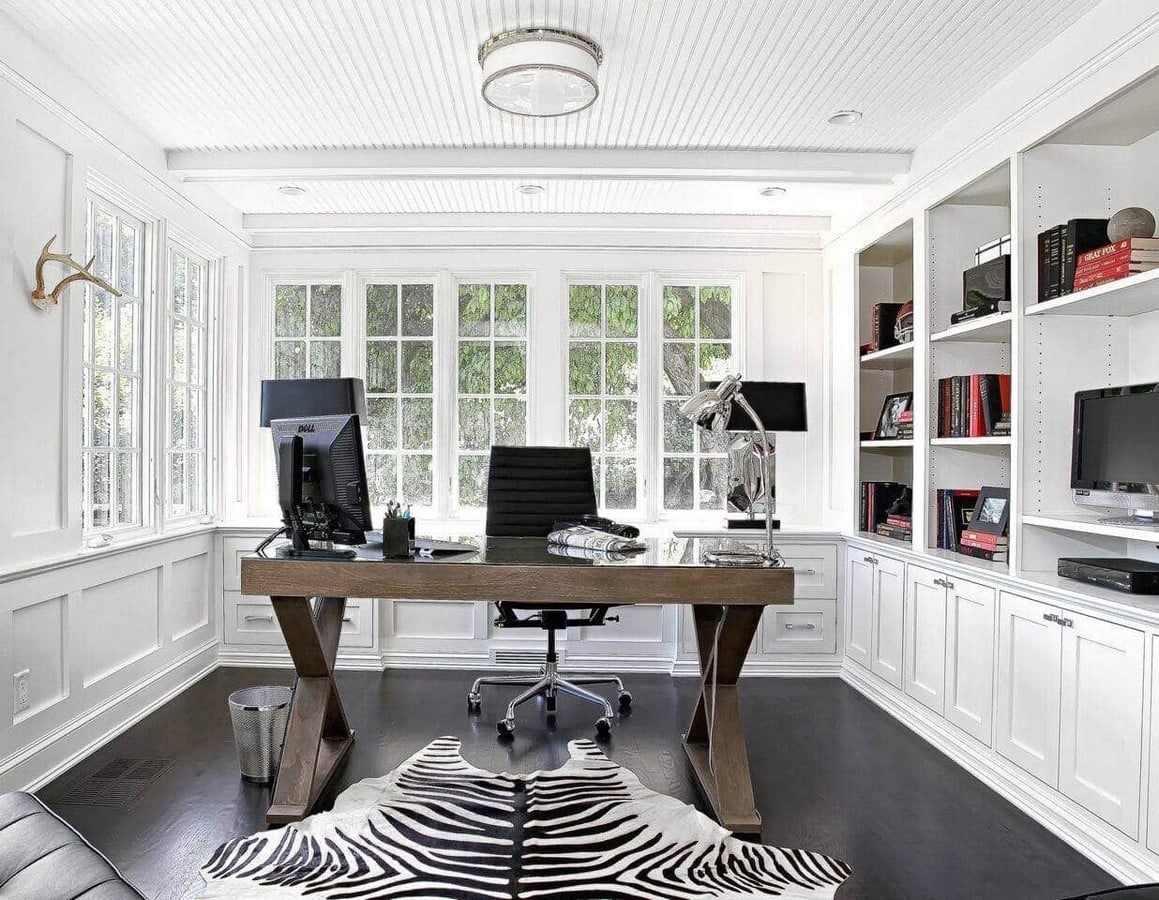
The future home should be designed around changing patterns of occupation rather than dedicated functions. A room could be an office today and a bedroom tomorrow; a study can become a child’s learning space, and also a balcony could accommodate a temporary workstation.
Movable partitions, modular furniture, and flexible infrastructures often allow homes to evolve with their occupants. Thus, the Home Office is more than just a desk or a room; it represents a broader shift in residential architecture from fixed programming towards adaptability, wellbeing, and comfort.
The future residential typology may not be defined by how many rooms a house can accommodate but how many ways those spaces can be adapted.
References:
- Smite, D., Moe, N.B., Klotins, E. and Gonzalez-Huerta, J. (2021) From Forced Working-From-Home to Working-From-Anywhere: Two Revolutions in Telework. (PDF) From forced Working-From-Home to voluntary working-from-anywhere: Two revolutions in telework [Accessed: 9 August 2026].
- Berg, J., Humblet, M. and Soares, S. (2021) Working from Home: From Invisibility to Decent Work. Geneva: International Labour Organization. Available at: ILO Research Repository [Accessed: 9 August 2026].