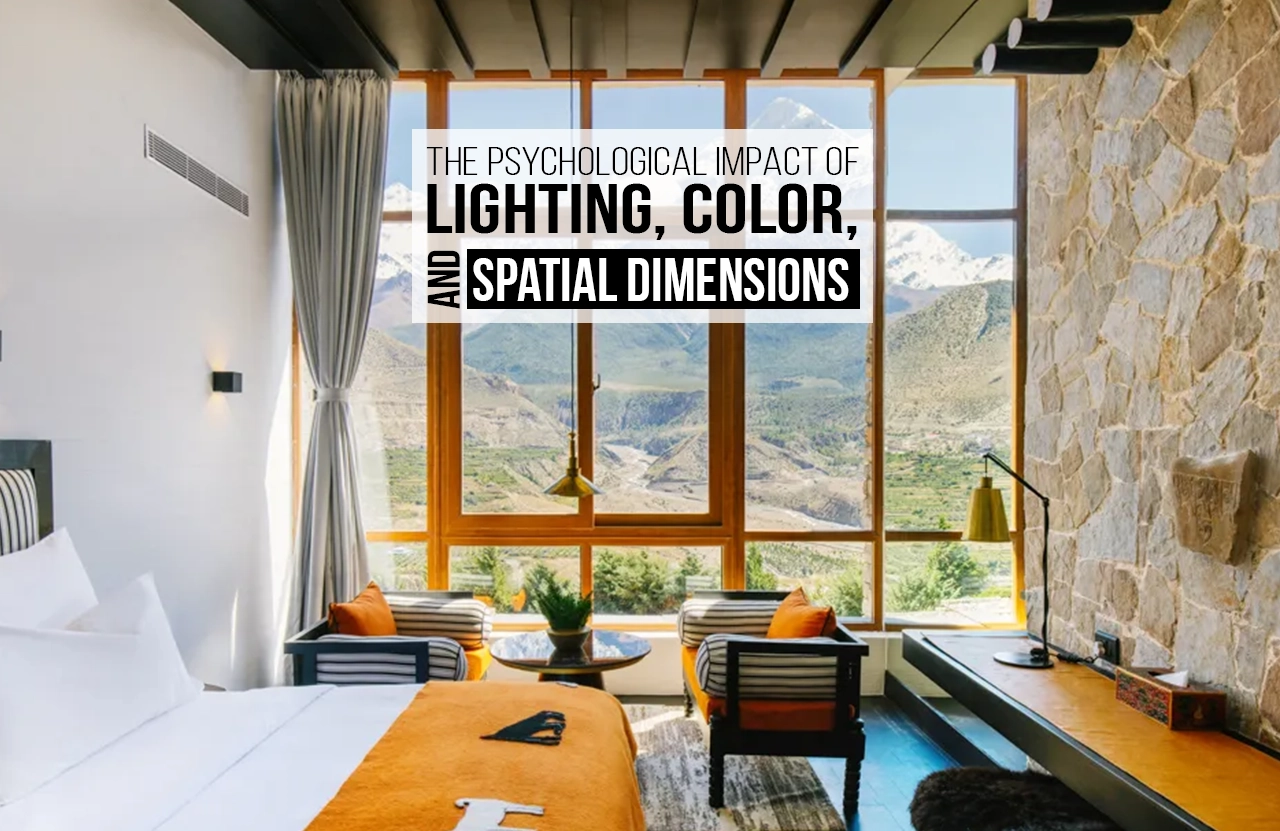
A large window facing a scenic view of trees and mountains gives you peace and tranquility, whilst a room with no openings gives you darkness and a feeling of being trapped. Architecture is not merely a structure where one can reside, work, or relax. It is a subject that governs one’s psychology, influencing lighting, color preferences, and shapes and forms. In the era where millions of people face several mental illnesses, architecture plays a crucial role in their mental well-being. As a result, designers these days don’t just design buildings that are functional and aesthetically pleasing, but also give them comfort, peace, and a sense of belonging.
The Role of Lighting in Architecture
The lighting in architecture can be divided into two types:
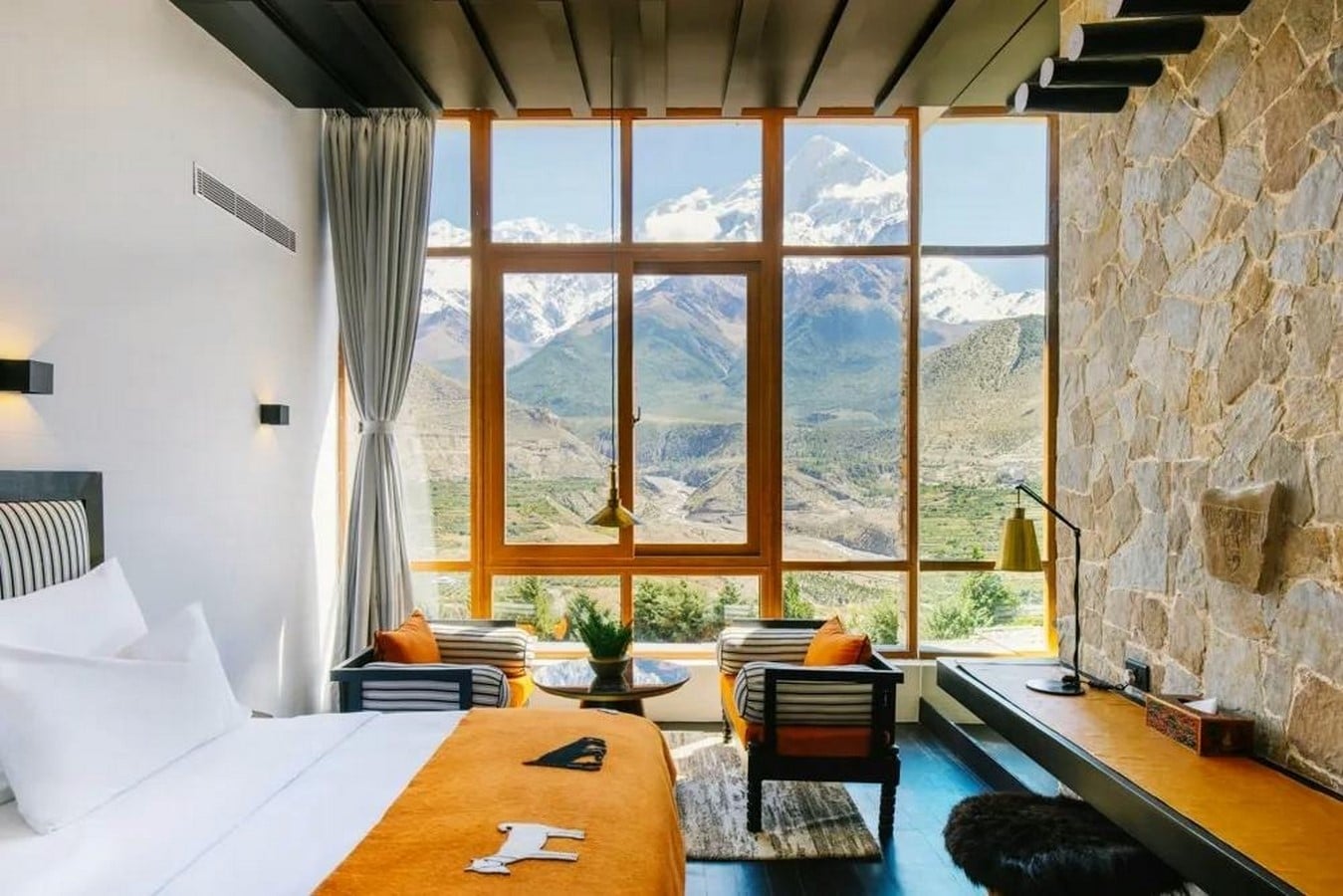
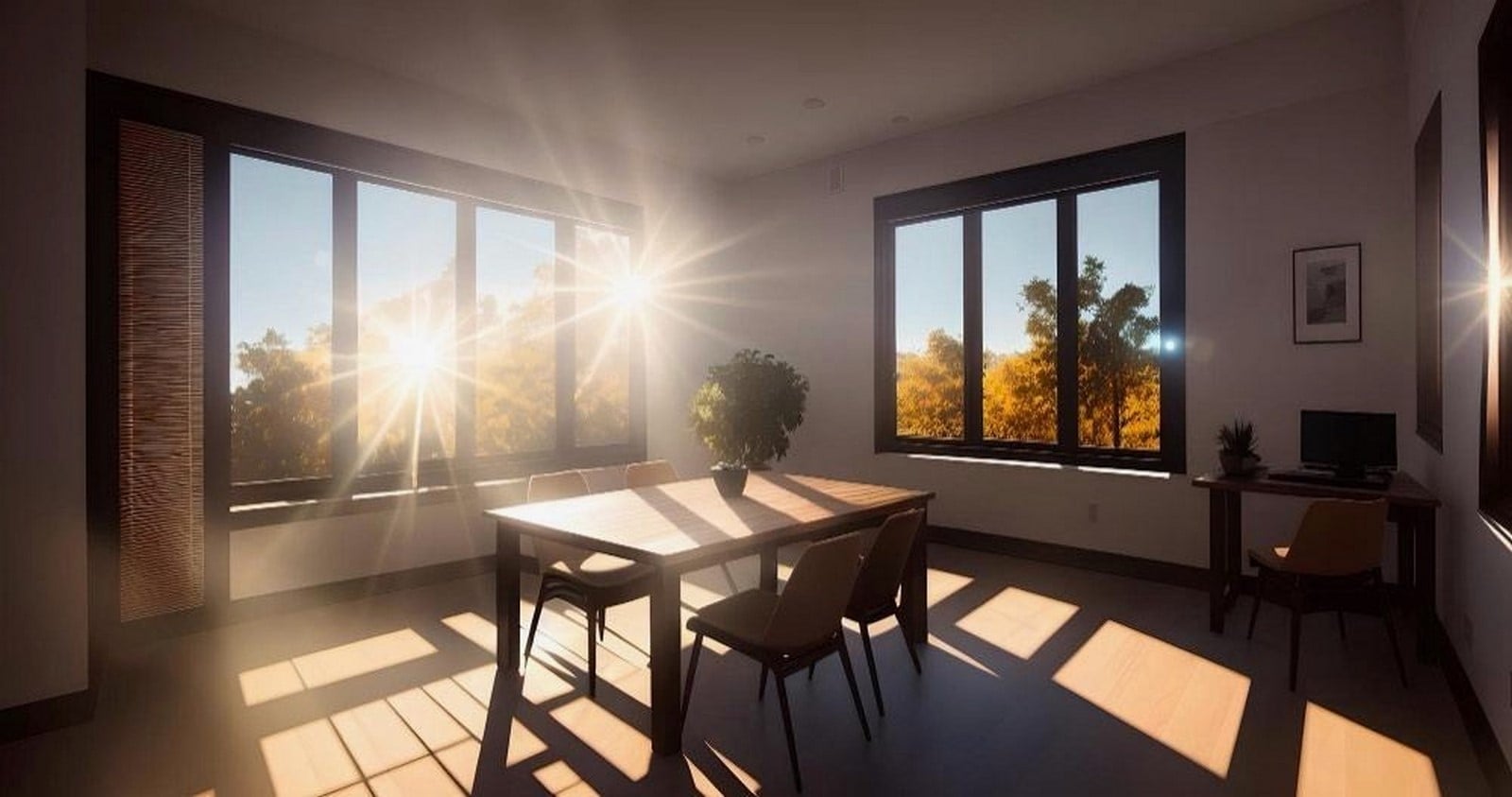
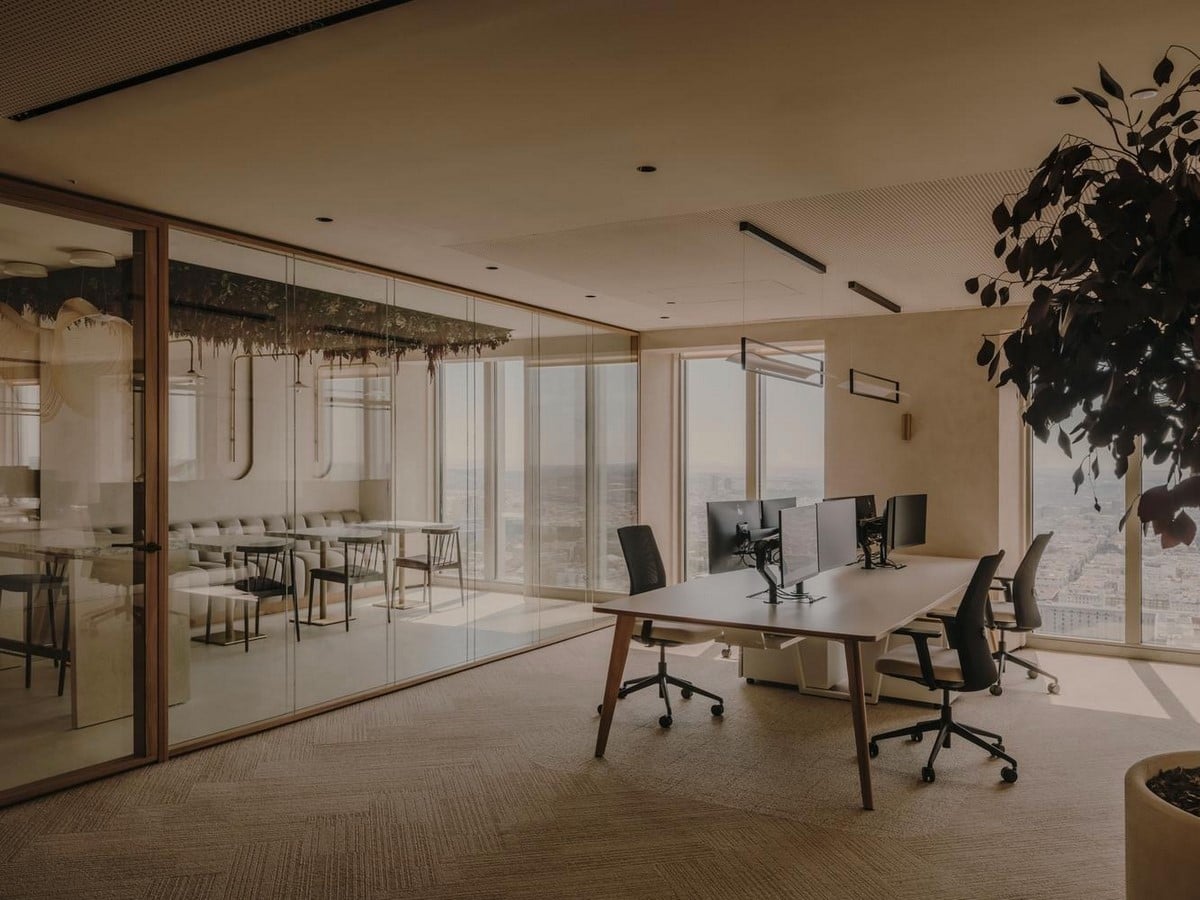
Natural Lighting: Natural lighting, also known as daylight, is a technique that brings natural light into indoor spaces through windows, doors, skylight and other openings. It has proven to increase health comfort levels for building occupants. Not only does it affect our mood, but it also supports natural sleep rhythms and reduces stress. Furthermore, natural lighting creates a connection between outdoor and indoor spaces, which results in improved productivity and concentration in workspaces and educational institutions. This form of lighting makes the room look bright and welcoming, which looks visually appealing and also circulates natural air that provides thermal comfort, making both our body and mind relaxed.
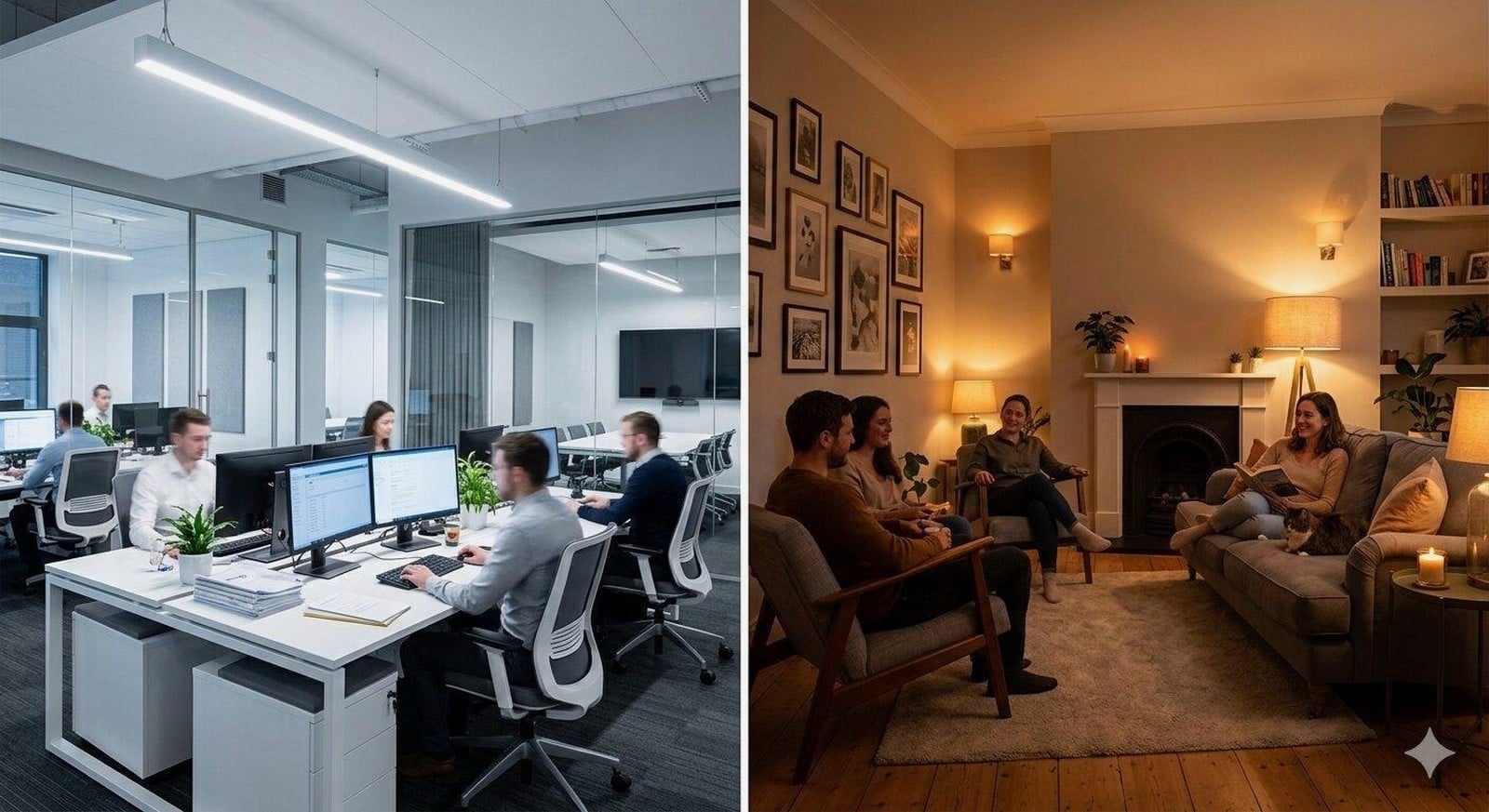
Artificial Lighting: Beyond illuminating the space, artificial lighting serves as a powerful tool that architects use to evoke emotions and enhance the overall ambience of the built environment. The color temperature, intensity, and distribution of light can profoundly influence how people perceive and interact with their surroundings. Warm light evokes a sense of intimacy and comfort in residential areas, cool light enhances productivity and focus in sleek office environments, and colorful lighting gives a sense of excitement. Artificial lighting can also be adequately illuminated according to its purpose. For instance, task lights in work areas reduce eye strain, and ambient lighting in circulation zones provides comfort and guidance.
Color Psychology and Architecture
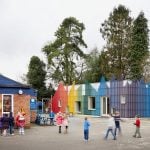
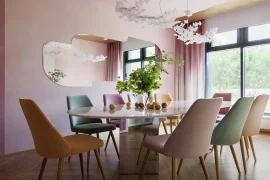
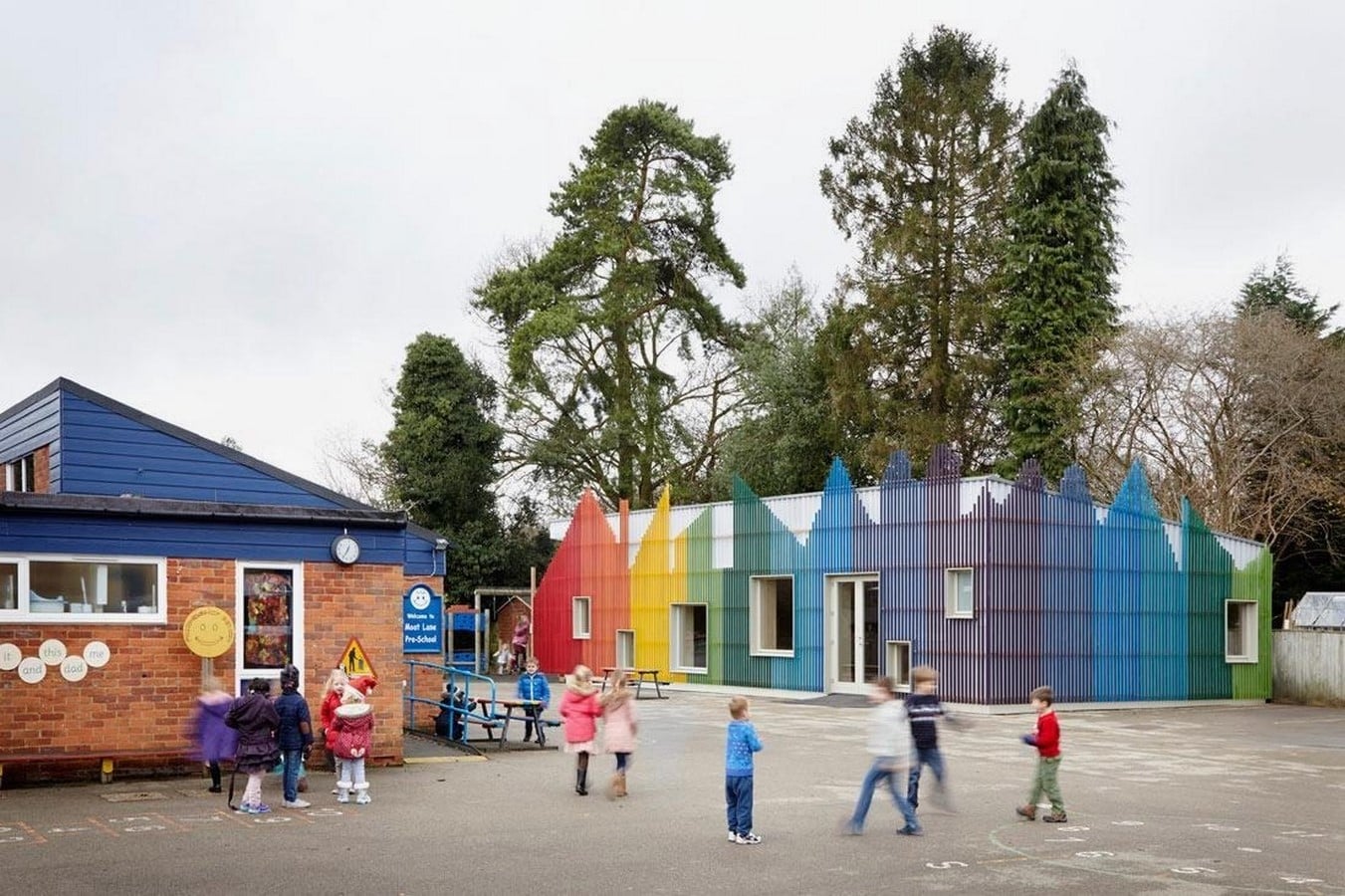
Color is an integral part of the world, not just in the natural environment but also in the built environment. According to empirical observations and scientific studies, humans tend to react to the architectural environment more based on colors. Different colors carry different emotions in an individual’s brain. For instance, red color evokes excitement, green evokes relaxation, and blue represents positivity and confidence. A space feels smaller and suffocating in a room painted in dark colors, but the same room painted in a pastel shade of colors feels welcoming and spacious. Colorful paints are used in schools and kindergartens to create a sense of enthusiasm amongst the children. In contrast, neutral tones are used in residences, offices, and libraries to enhance peace and concentration. A long, narrow corridor feels enclosed, whereas if stained glass windows are introduced, it feels playful and less confined. Thus, proper color selection according to the space designed is essential because overuse or poor selection of it might lead to visual discomfort and gradually have an impact on the psychology of the people.
Spatial Dimensions and Architectural Psychology
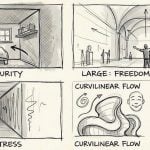
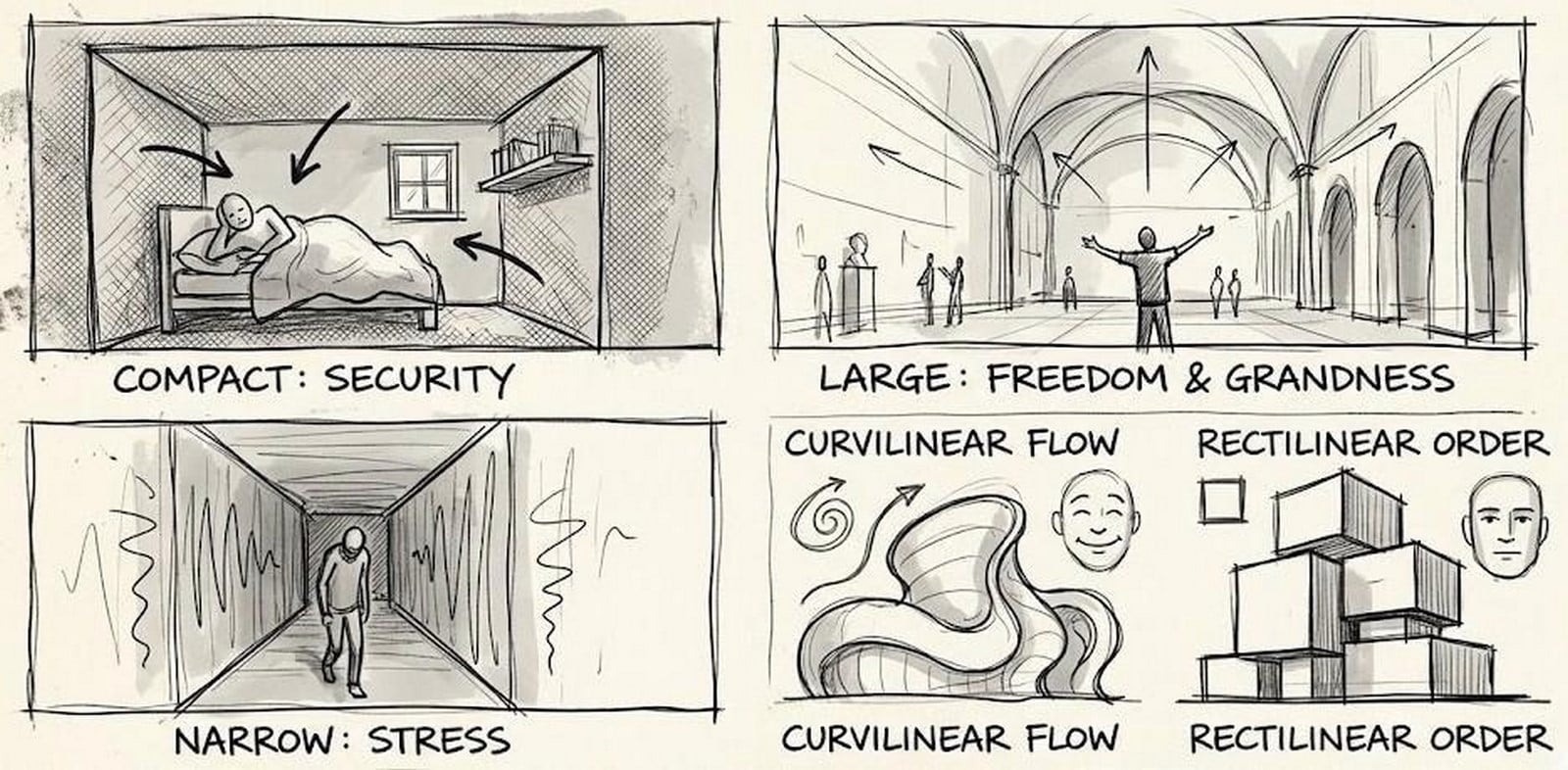
Spatial dimensions basically mean the size, height, width, form, and proportions of a space. These dimensions heavily impact people’s psychology. For instance, a compact room with a low ceiling height gives a feeling of intimacy and security. A large room with high ceiling height gives a sense of freedom and creativity, and a narrow space creates stress and fear. This is why, to enhance comfort and safety, residential rooms like bedrooms are made small, and buildings like churches and restaurants are made large to show grandness, which also encourages social interaction between the people. Thus, it is essential to design buildings that are built in relation to the human scale to ensure comfort and usability.
In addition to this, the forms of the building also play a crucial role in shaping humans’ psychology. Curvilinear forms convey flow and movement, whereas rectilinear forms convey stability and order. These geometric expressions influence how the users respond emotionally and react to the built environment.
Interaction Between Light, Color, and Spatial Dimensions
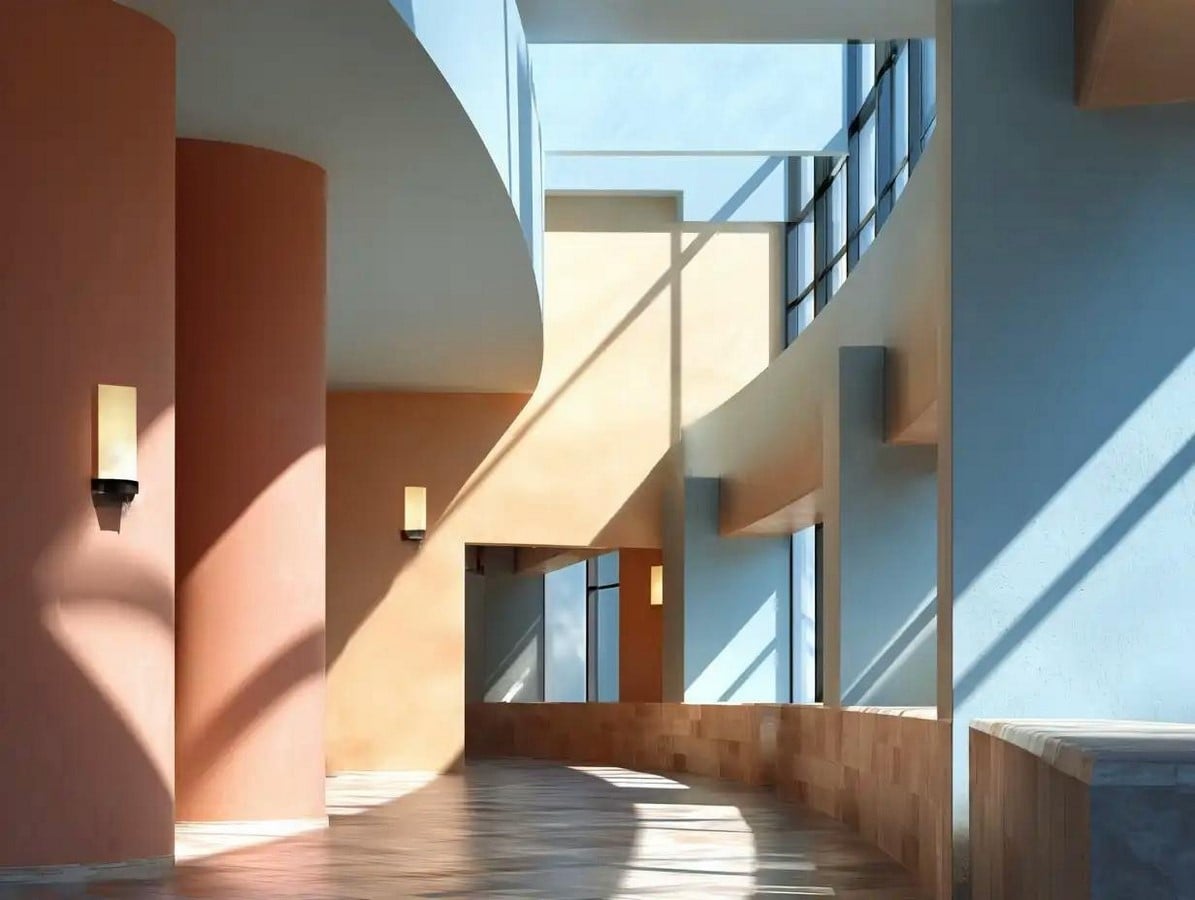
These three elements together are significant considerations that must be incorporated into buildings for the mental well-being of users. Color influences how a space feels upon entry, making it appear open, enclosed, or elongated. Light shows the true color, making them look brighter, duller, warmer, or cooler depending upon their intensity and source. This interaction directly influences human psychology, as it shapes the emotions and moods of the users. Therefore, a thoughtful and balanced integration is essential to create an environment that supports positive psychological results and overall well-being.
References:
Natural Lighting in Architecture and Its Benefits. Project Distributions. Available at: https://www.lkhpd.com.sg/natural-lighting-in-architecture/ (Accessed: 17 April 2026).
The Role of Artificial Lighting in Architectural Design. Buck. Available at: https://buck.lighting/blog/artificial-lighting-in-architectural-design/ (Accessed: 17 April 2026).
Color Psychology in Architecture. Green Built. Available at: https://greenbuilt.no/en/2018/01/04/color-psychology-in-architecture/ (Accessed: 17 April 2026).