“What’s out there?”
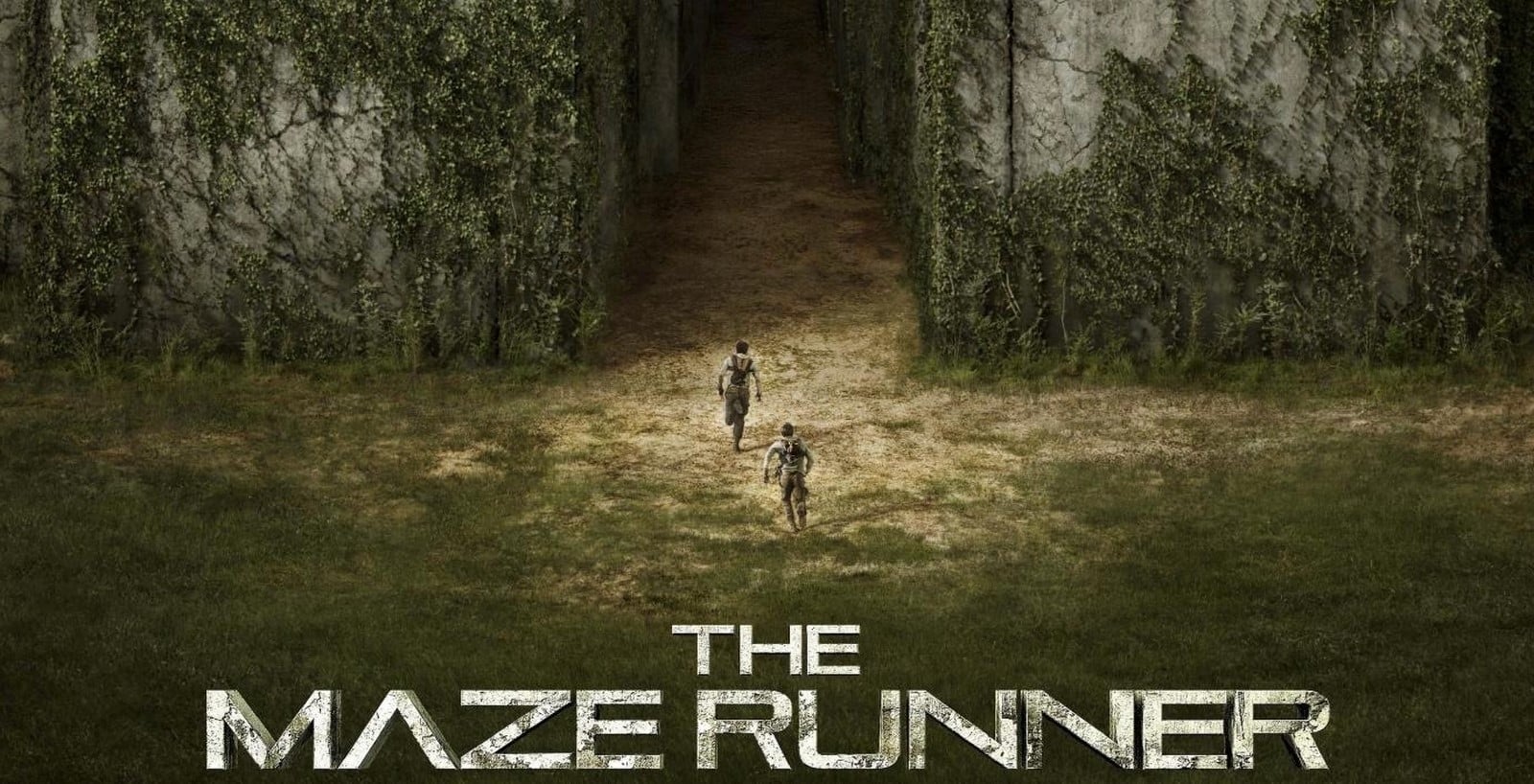
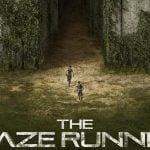
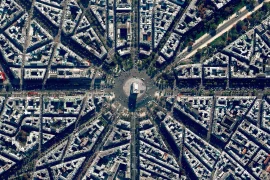
We all have used a map before. We used it to reach our destination. Its digital version is GPS. We use maps to understand where we are and how to get to our destination. Occasionally they stimulate our curiosity about a location. But what if the map continues changing itself? The Glade residents are locked for three long years, watching, recording, and still unable to get out. In their universe, the map is now useless; it turns against them. The guys send Runners to learn and memorise the massive maze surrounding their home. The big question in The Maze Runner is straightforward; “What’s out there? But the truth is still concealed. Behind the lofty walls of the Glade lies a maze, always shifting, that makes no sense.
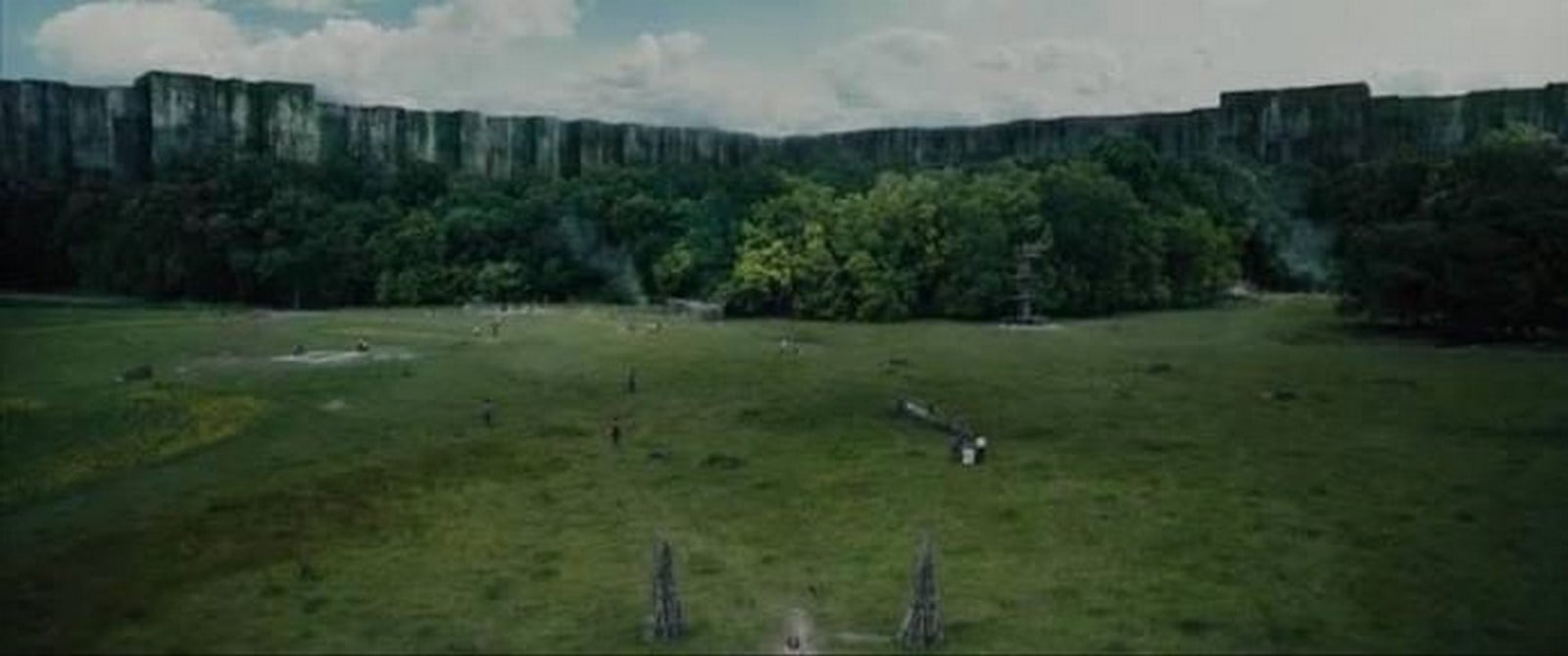
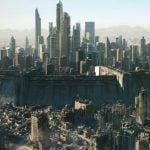
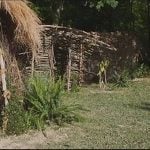
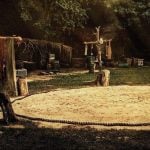
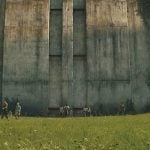
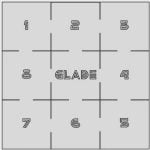
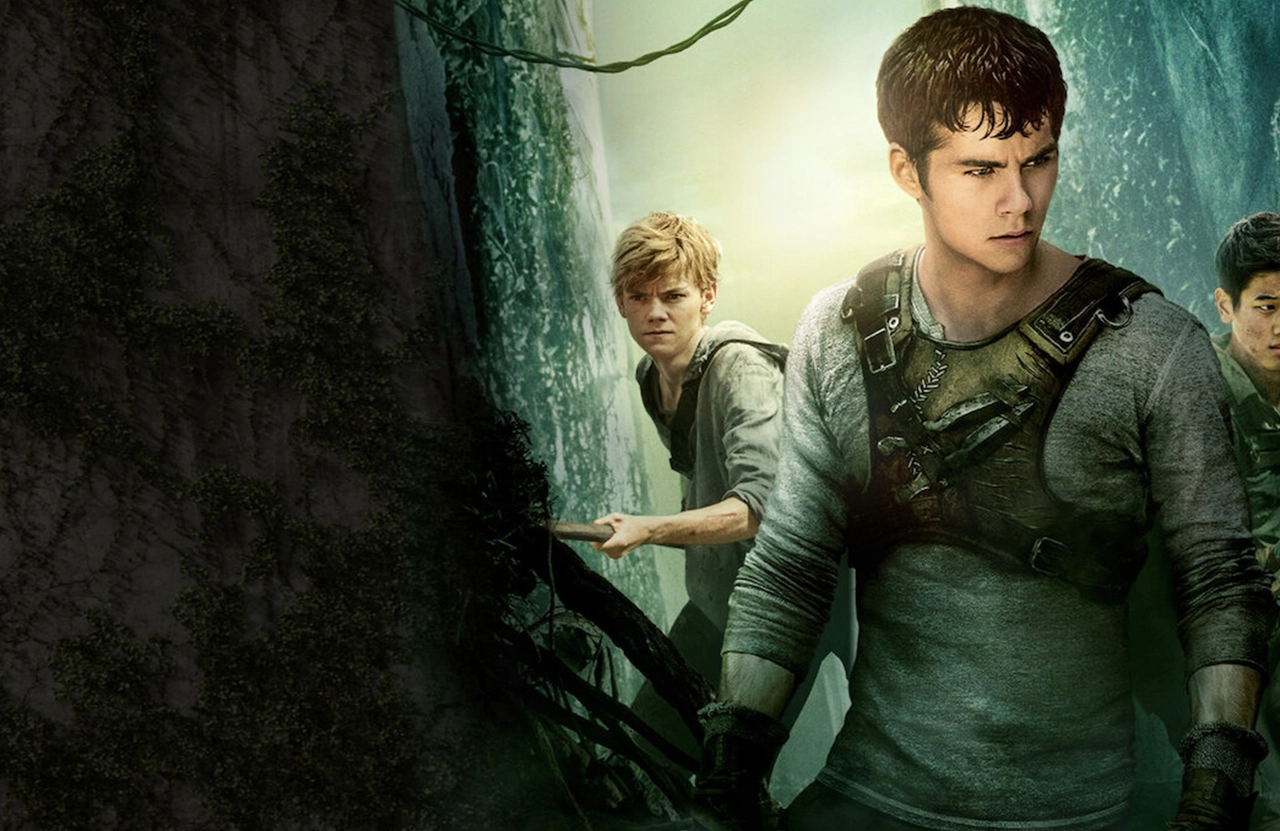
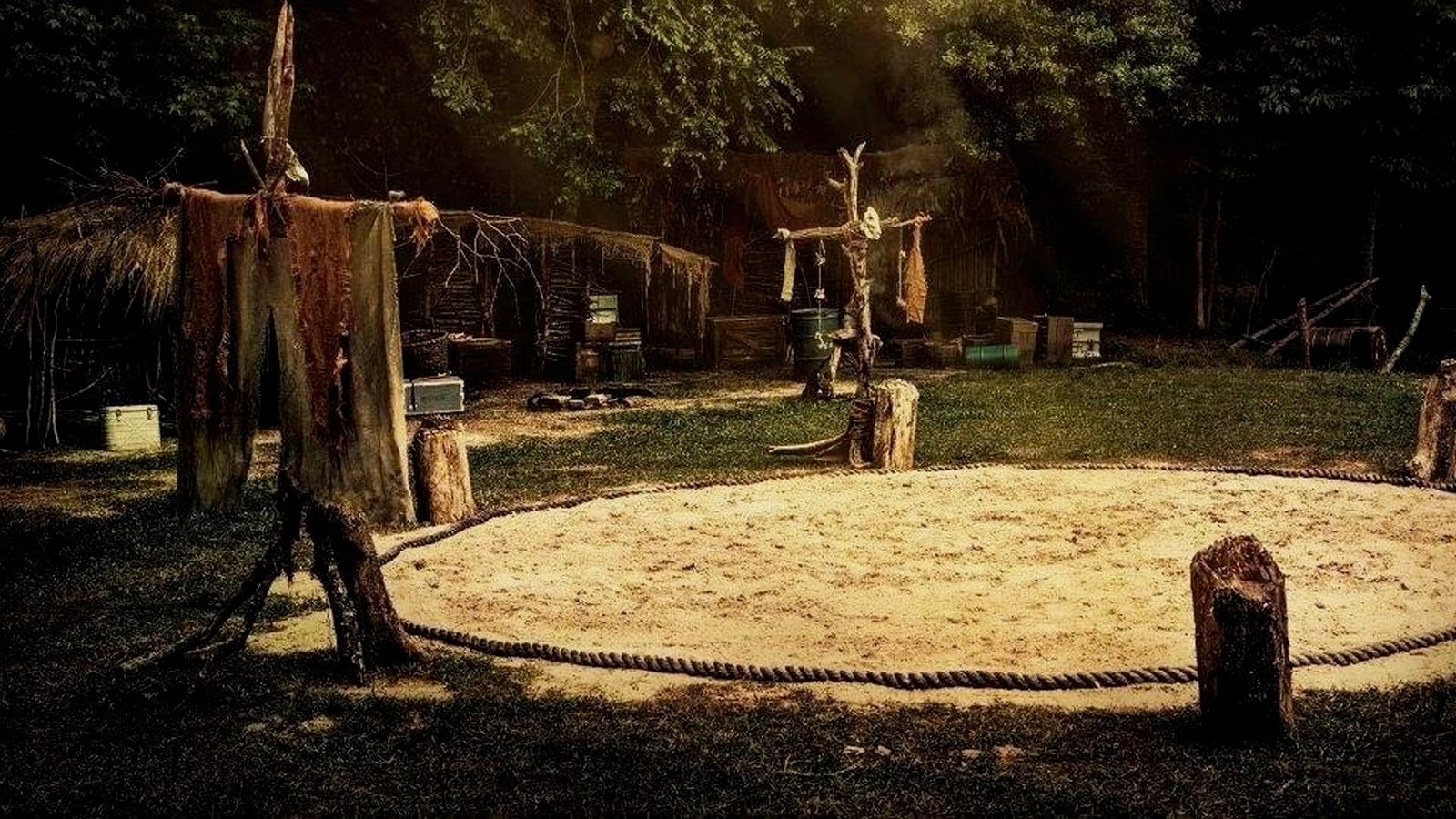
Architecture is not merely the backdrop in James Dashner’s novel The Maze Runner and Wes Ball’s film adaptation. It’s like the big adversary. It dictates where the characters can go, impacts their daily routine, and even determines whether they live or die. The story begins with a group of youngsters living in the Glade, a small area of grass and forest surrounded by the maze. The Glade is a prison, and they have to get that through their heads before night falls, when the gates slam shut and the maze becomes a lethal trap.
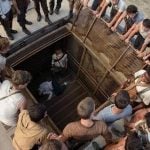
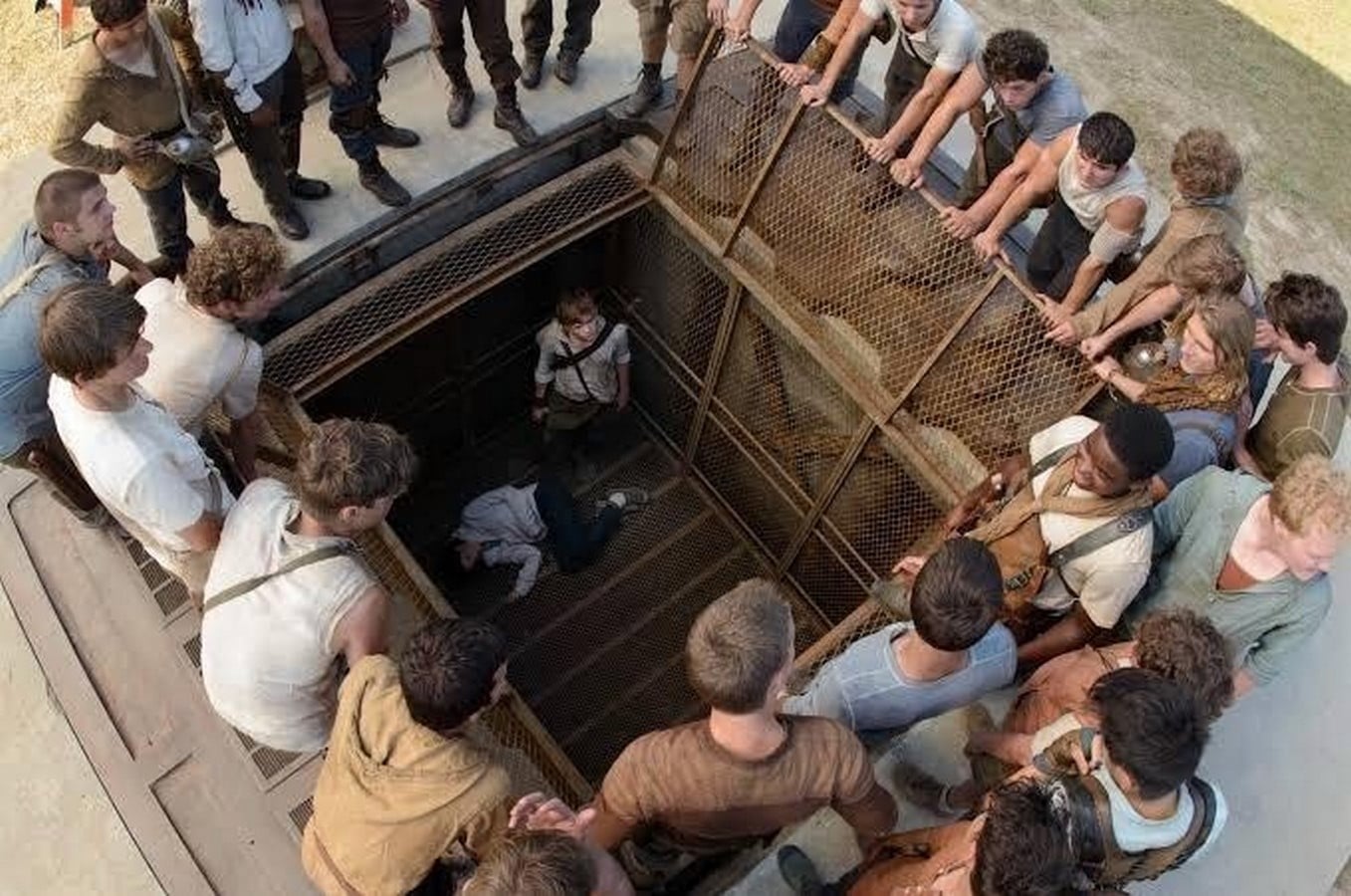
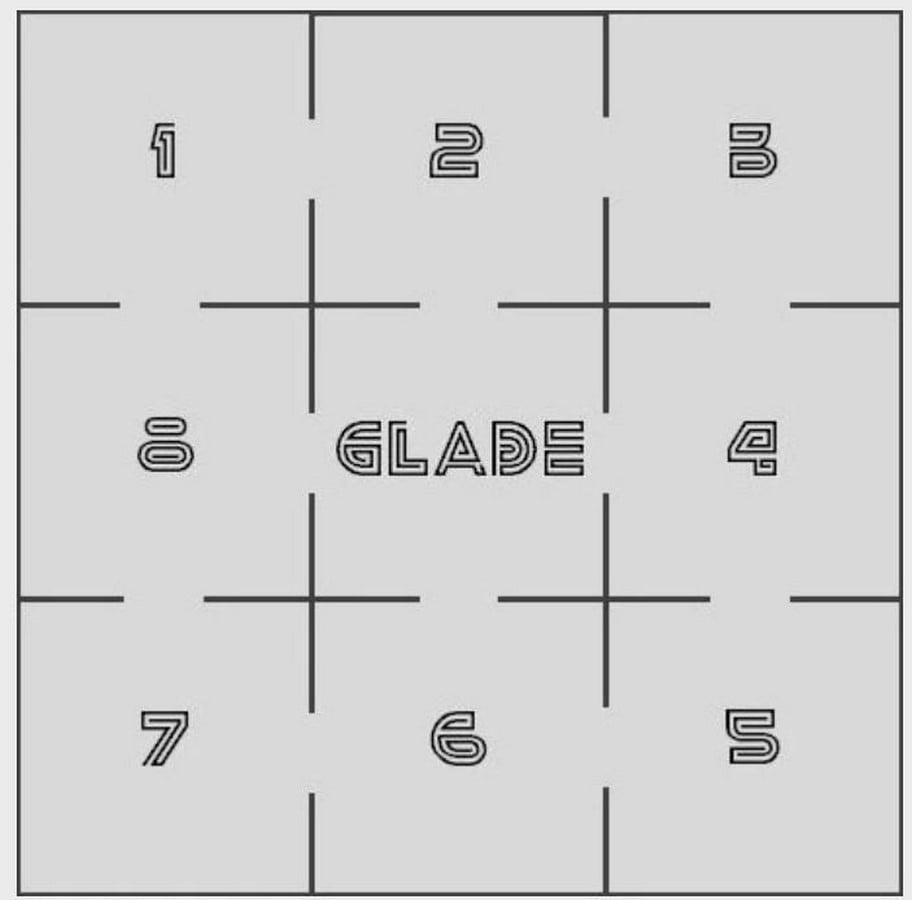
Thomas arrives in the Glade via a lift known as the Box. He does not know who he is or how he got there. The boys are not exactly amicable at first, partly because they have survived by following rigorous restrictions. They divided the glade into work sections and gave everyone a task, like Runner or Builder or Gardener or Med-jack or Sloper. These jobs make the Glade work like a little village, with housing, food and work areas.
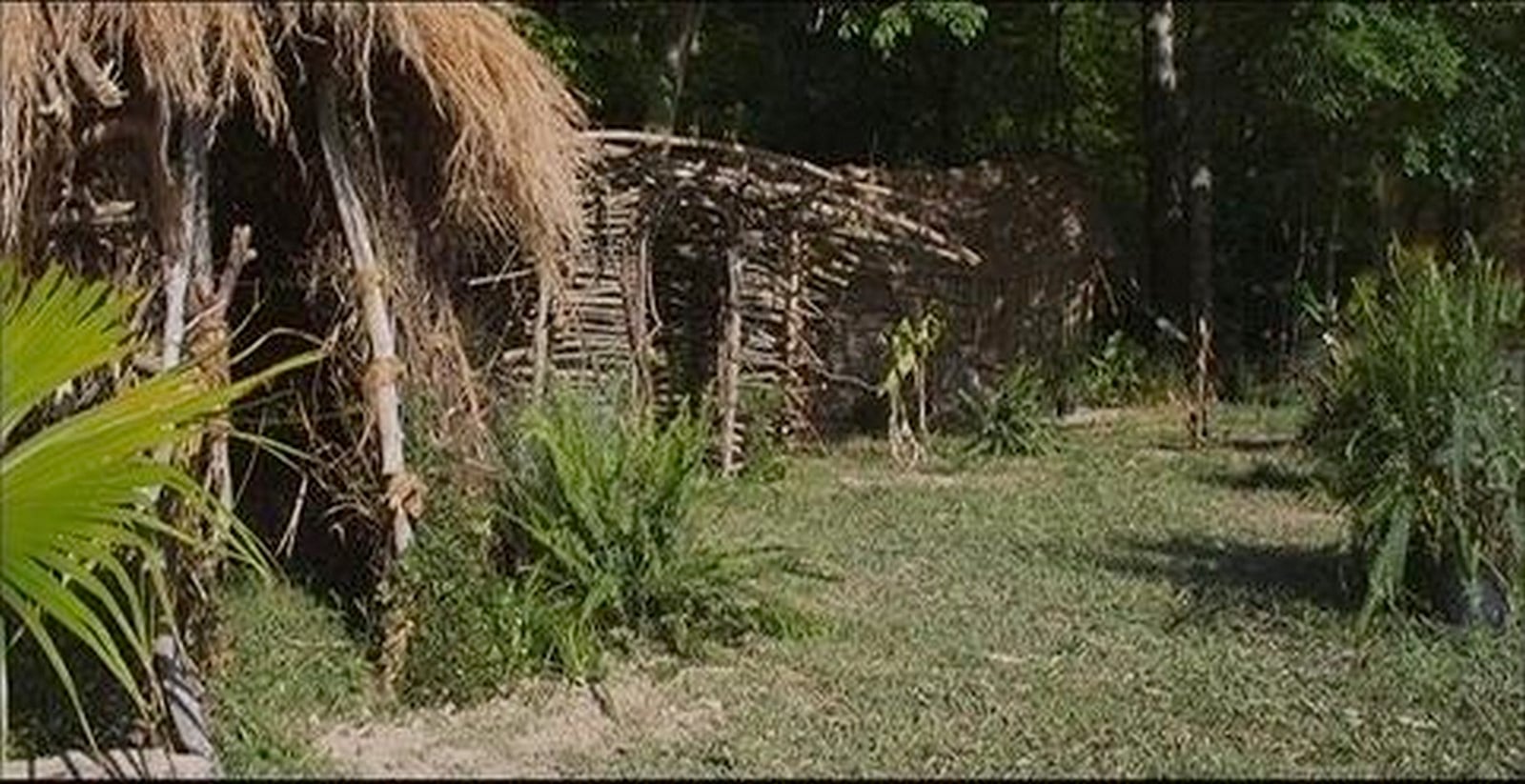
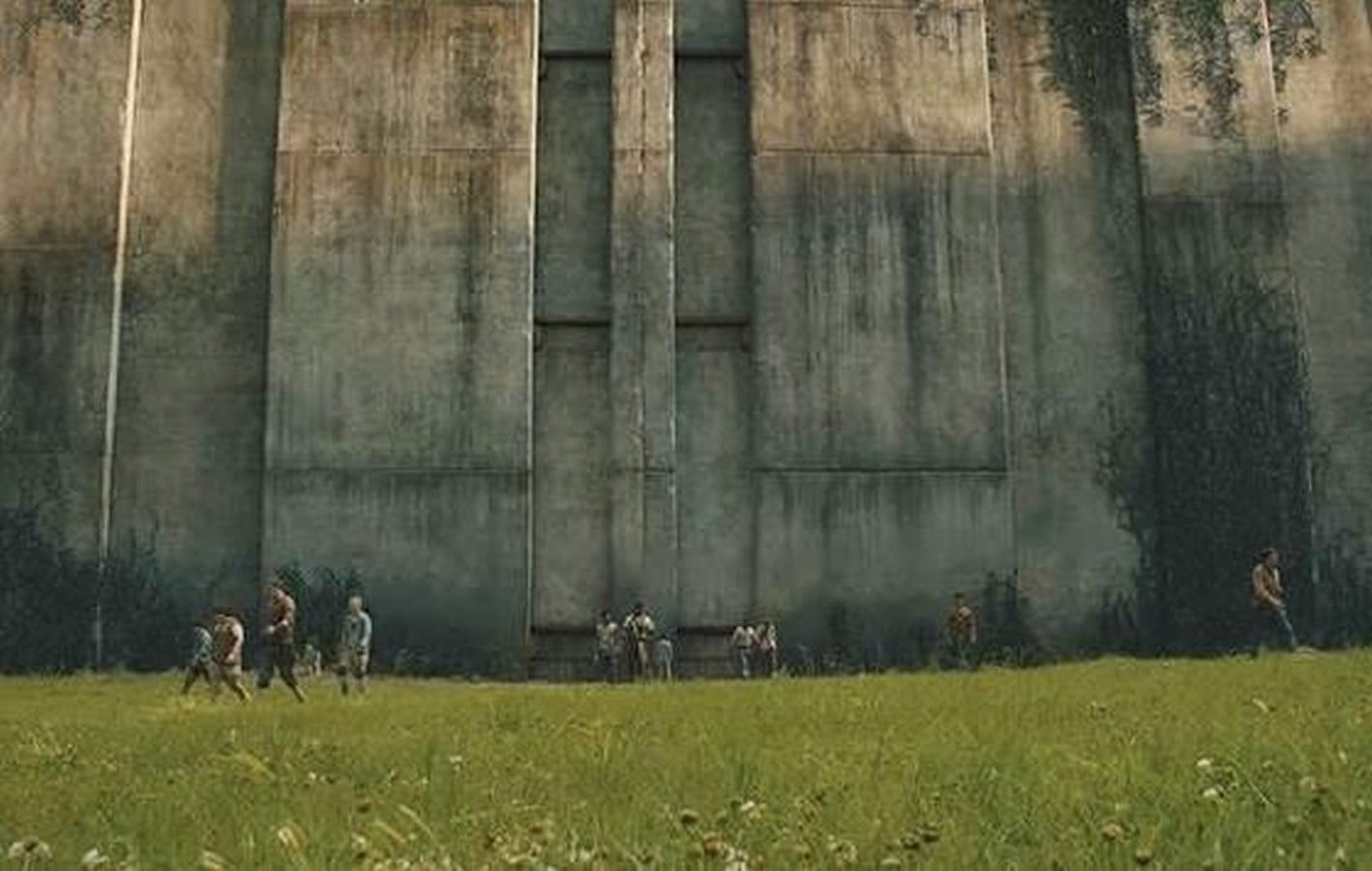
Life in the Glade centres around the four giant gates, one on each side. Every morning a gate opens, and the runners run off down concrete paths that twist, intersect and vanish. They have to rush. Their objective is to explore the shifting maze and return before the walls collapse, trapping them inside with the animals that reside there. These are the maze tests.
The maze is very clearly designed to control and confuse people. It is never fixed; therefore, characters can never fully trust their knowledge of the space. The stone barriers shift every night. One map is never enough. The runners know the maze just a short time before it changes again. A route that worked yesterday may be ineffective today. And to make matters worse, Grievers, horrifying half-machine monsters, act as guardians, making The Maze Runner seem all the more like a grim post-apocalyptic world.
From a design perspective the maze seems ‘Brutalist’ as it is big, concrete and covered in ivy. But it doesn’t employ that style in an optimistic or practical way. Instead of generating order it produces disconcertment. The walls are so tall that the guys feel small and trapped. The maze feels frigid and dominating, as if it were created to keep people locked up instead of protected. And because it is constantly moving, it takes away one thing that architecture normally provides us with: permanence.
Finally, when the plot escapes from the maze, we witness something far broader and worse going on. And that brings us back to WICKED. Thomas will not accept life in the Glade. WICKED is seeking a cure for a virus, but it’s willing to exploit children in horrific experiments to do so. The videos expand on this idea by showing numerous mazes for different test groups, while the book includes two connected mazes. In either case, WICKED uses structures and environments as instruments of testing and control.
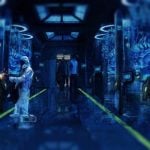
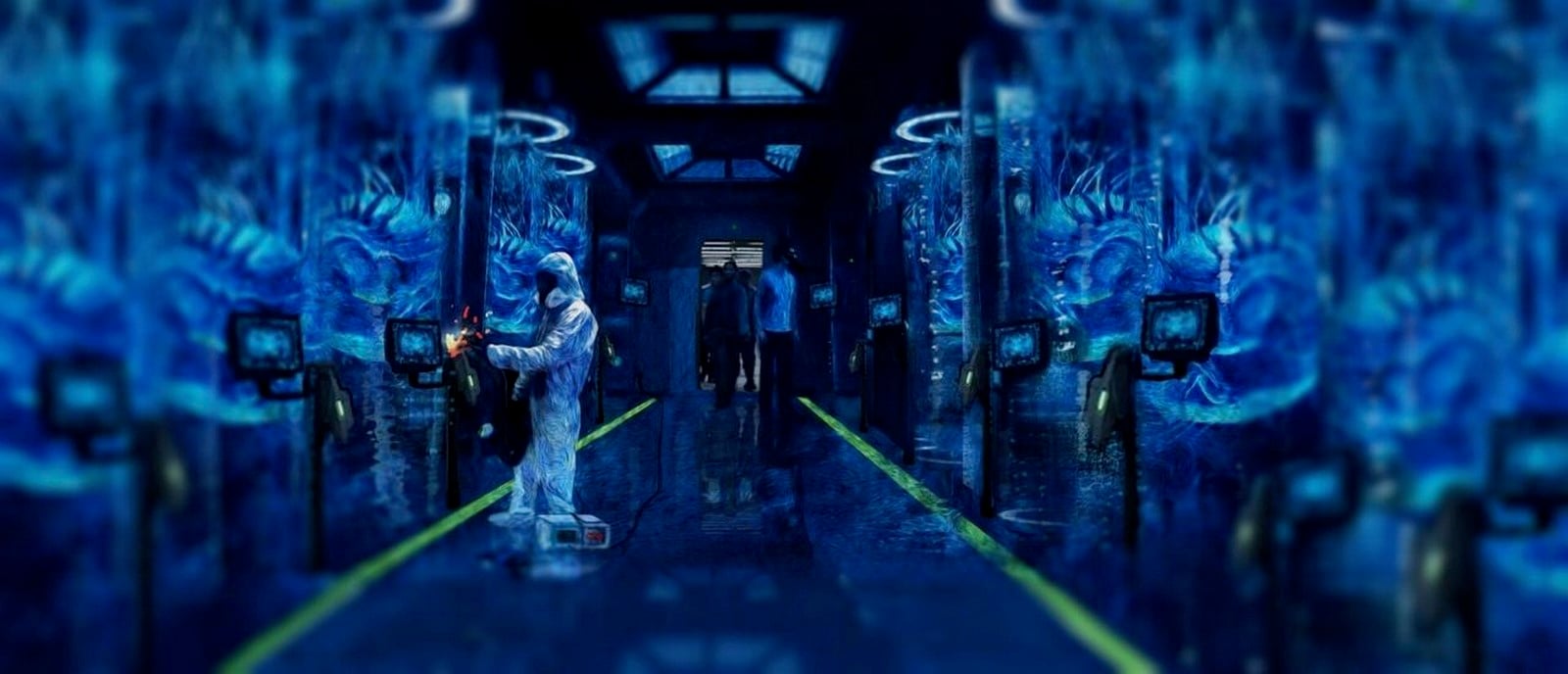
The move from the maze into the WICKED buildings affects the nature of the peril the characters are in. The challenge now is not just getting lost. They are watching, tracking and controlling it the dirty concrete walls of the maze are gone, replaced with spotless, sterile rooms. Every movement is tracked, every door regulated. WICKED doesn’t move barriers. It employs cameras, restricted compartments and rigorous systems. The plot then moves out of the labs and into the Scorch.
“Everything is going to change.”
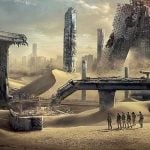
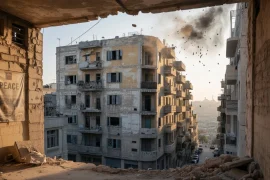
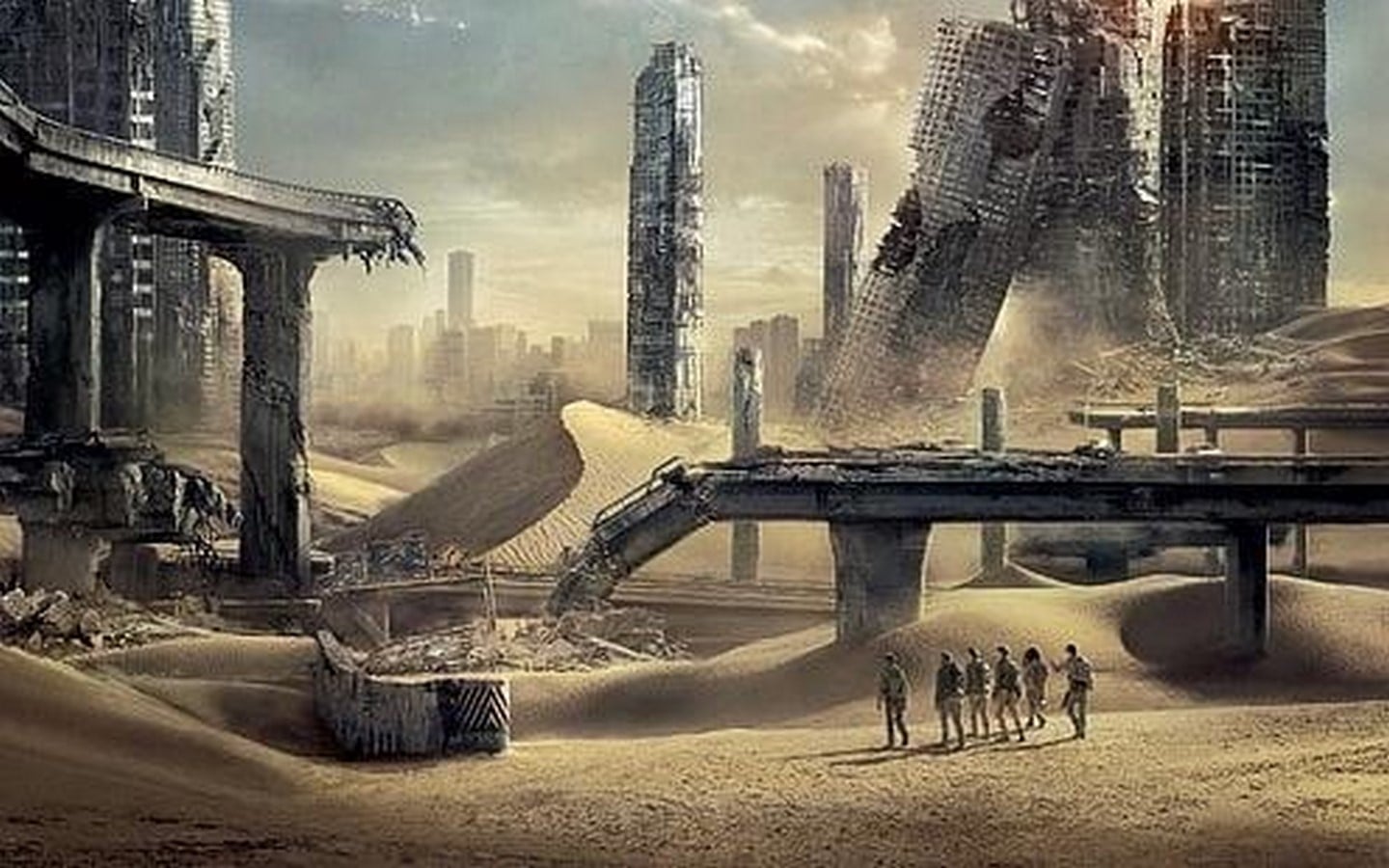
Once the Scorch was a city, but today it is all rusty metal and crumbling buildings. Out here buildings aren’t truly homes anymore or offices. They are locations for hiding, resting, and surviving. The Flare virus has wiped out the normal life, and the city is now a hazardous and unpredictable place. The Infected walk through empty streets and buildings, so the whole city seems unsafe. Architecture is no longer about everyday life. Why it matters. It can cover people and help them to survive. Each new place in the novel’s progression shows how people try to survive after society breaks down.
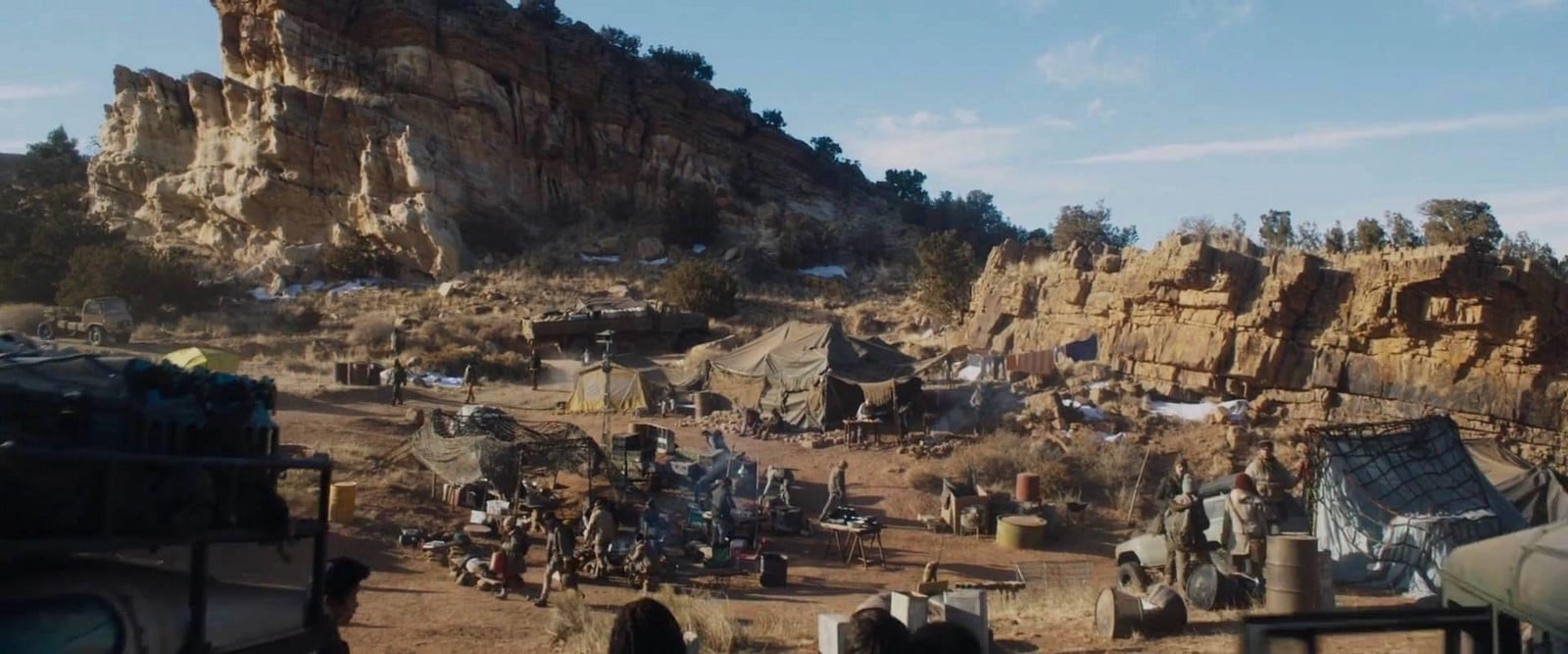
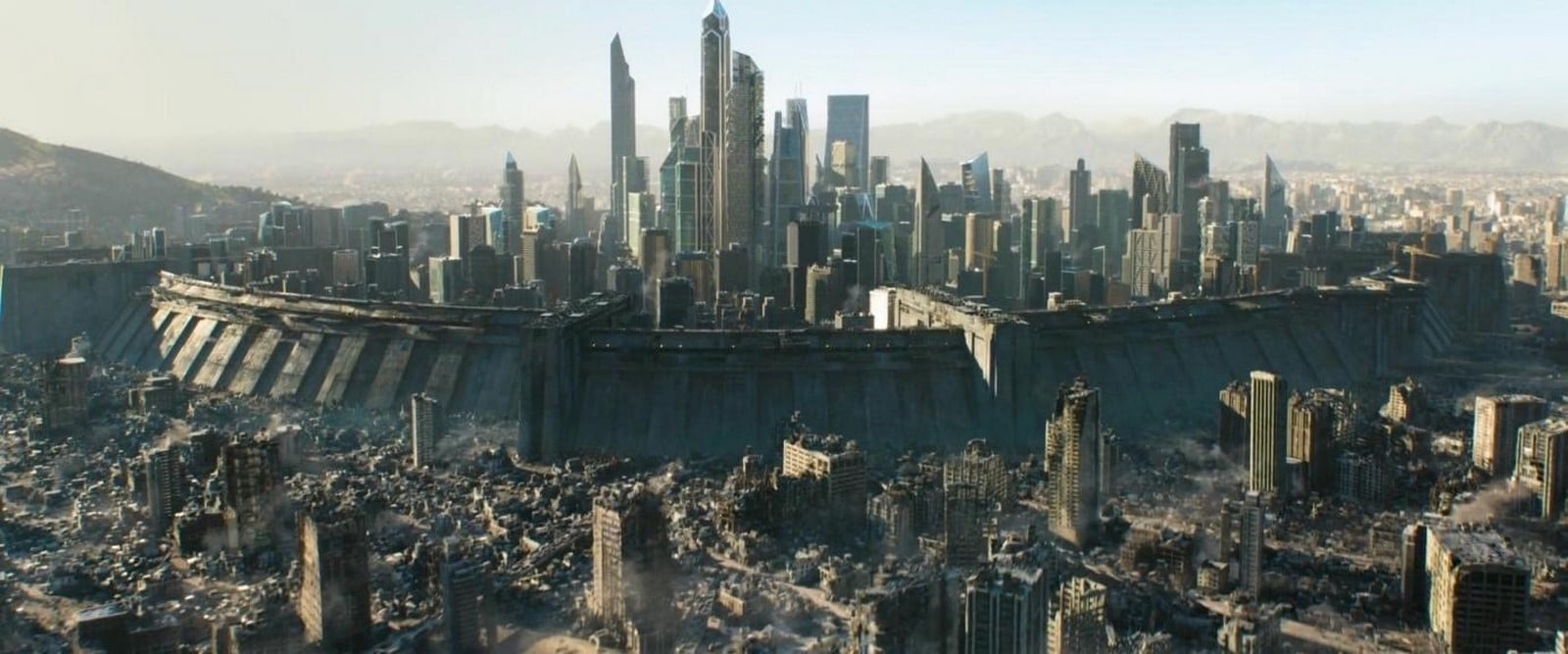
The Right Arm is a WICKED warfare force that employs abandoned buildings, secret places, tunnels, and tents. They make sensible use of what is there, instead of trying to create something new or outstanding. Their places are hidden, flexible, and functional, making them different from WICKED’s regulated labs. Later on, the Last City is a high-tech fortress with walls and checkpoints. Its gloomy streets, its neon lights and its congested spaces make it feel like a city based on exclusion. Like the maze, it divides the powerful from the Cranks and the common people. Its shape is about fear, control and inequality.
Finally, Safe Haven is a simpler and quieter alternative. It leaves the city and lab surveillance and returns to nature. The narrative ultimately discloses that safety is not attained by constructing high walls or establishing controls, but by living a life that embraces sustainability and modifications to the environment.
References:
- (N.D) Jessica Steele – Maze Runner: The Death Cure – Last City. Available at: https://jessicacullen.artstation.com/projects/Xm55L (Accessed: 14 August 2026).
- (N.D) Safe Haven | The Maze Runner Wiki | Fandom. Available at: https://mazerunner.fandom.com/wiki/Safe_Haven (Accessed: 16 August 2026).
- Benson, P. (2018) The film sets and Production Design of Maze Runner: The Death Cure and an exclusive tour of Ava Paige’s WCKD office, Film and Furniture. Available at: https://filmandfurniture.com/2018/01/film-sets-production-design-maze-runner-death-cure-and-tour-ava-paiges-wckd-office/ (Accessed: 15 August 2026).
- (N.D) Movie- Maze Runner theories. Available at: https://architecturetheori.wixsite.com/theories/movie–maze-runner (Accessed: 13 August 2026).
- (N.D) The Maze Runner (2014) 6.8 | action, mystery, sci-fi. Available at: https://www.imdb.com/title/tt1790864/ (Accessed: 16 August 2026).