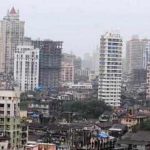
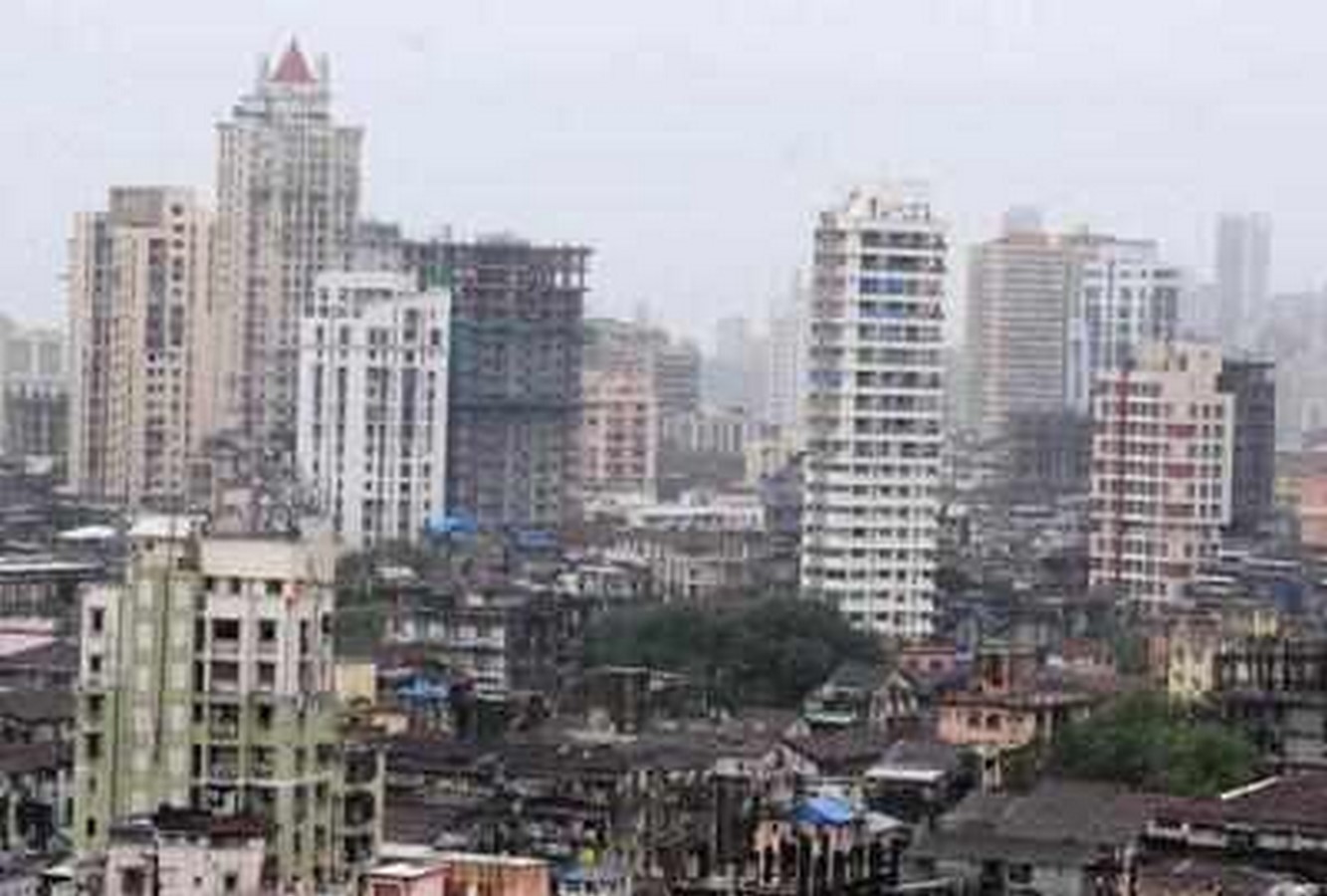
Climate change is one of the most critical challenges the world faces today, bringing sudden and drastic environmental shifts that directly impact ecosystems, cities, and livelihoods. And yet when I wandered through my city, I was confronted with something that is very unsettling. I find myself surrounded by buildings that are very monotonous and very similar, all wrapped in a standardized system, clad with something very unreal and artificial. This structure makes me disconnected, and they are themselves disconnected from the place. Cities with vastly different geographic and environmental conditions, such as Delhi and Mumbai, begin to homogenize architectural image; this silently says architectural image has lost its connection to the climate and context of the place.
Origins of Climate-Responsive Indigenous Strategies
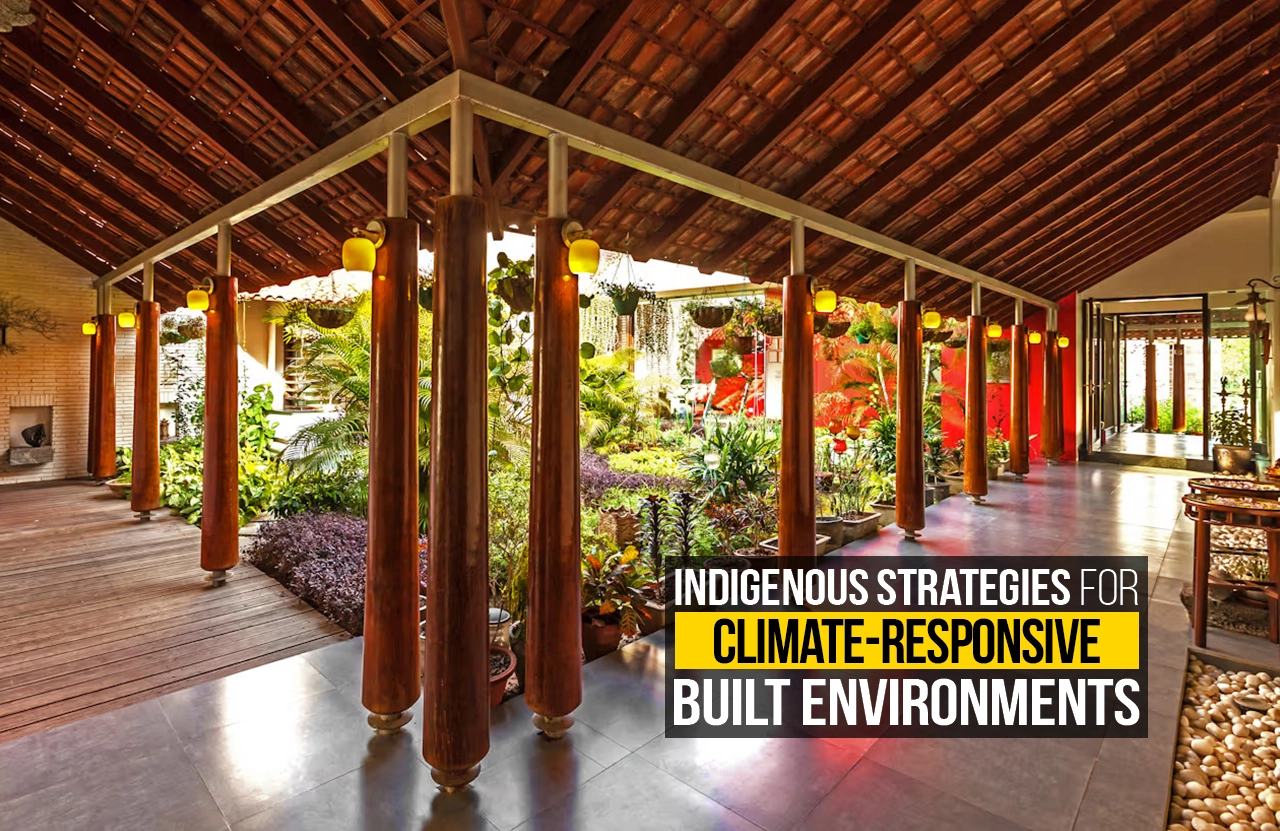
This Indigenous system that has served the environments and built space for decades did not emerge as a design choice but is necessarily shaped by environment and survival. Over generations, the communities developed an intimate understanding of the local climate, materials, and geography, allowing them to build directly in response to their surroundings. In regions with extreme heat, compact planning with shaded courtyards minimizes exposure to heat, while in humid climates, elevated structures and ventilated spaces allow air circulation and moisture control. These system principles and thumb rules have been developed and evolved over the years, refined through time use and collective knowledge.
Indigenous Approaches to Climate-Responsive Design
Deep understanding of climate and context leads to a set of design strategies that define the indigenous built environment. These strategies were inherently climate responsive, integrating material, spatial planning, and passive environmental strategies. These practices were a perfect example of how the planning, design, and strategies all coherently resulted in structure, rather than designing a building and then separately thinking about climatic strategies.
Spatial Planning as Climate Response
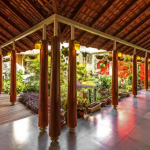
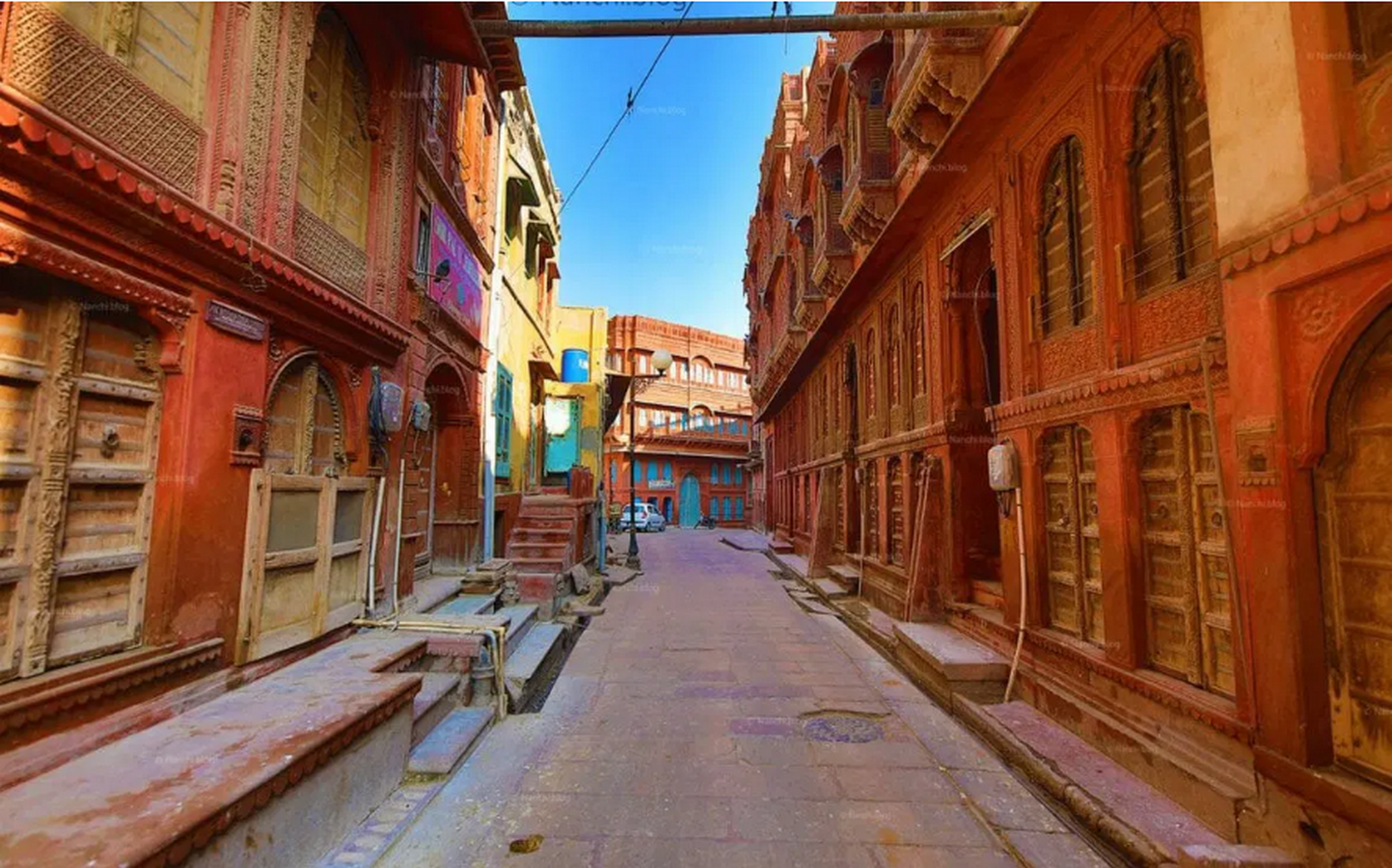
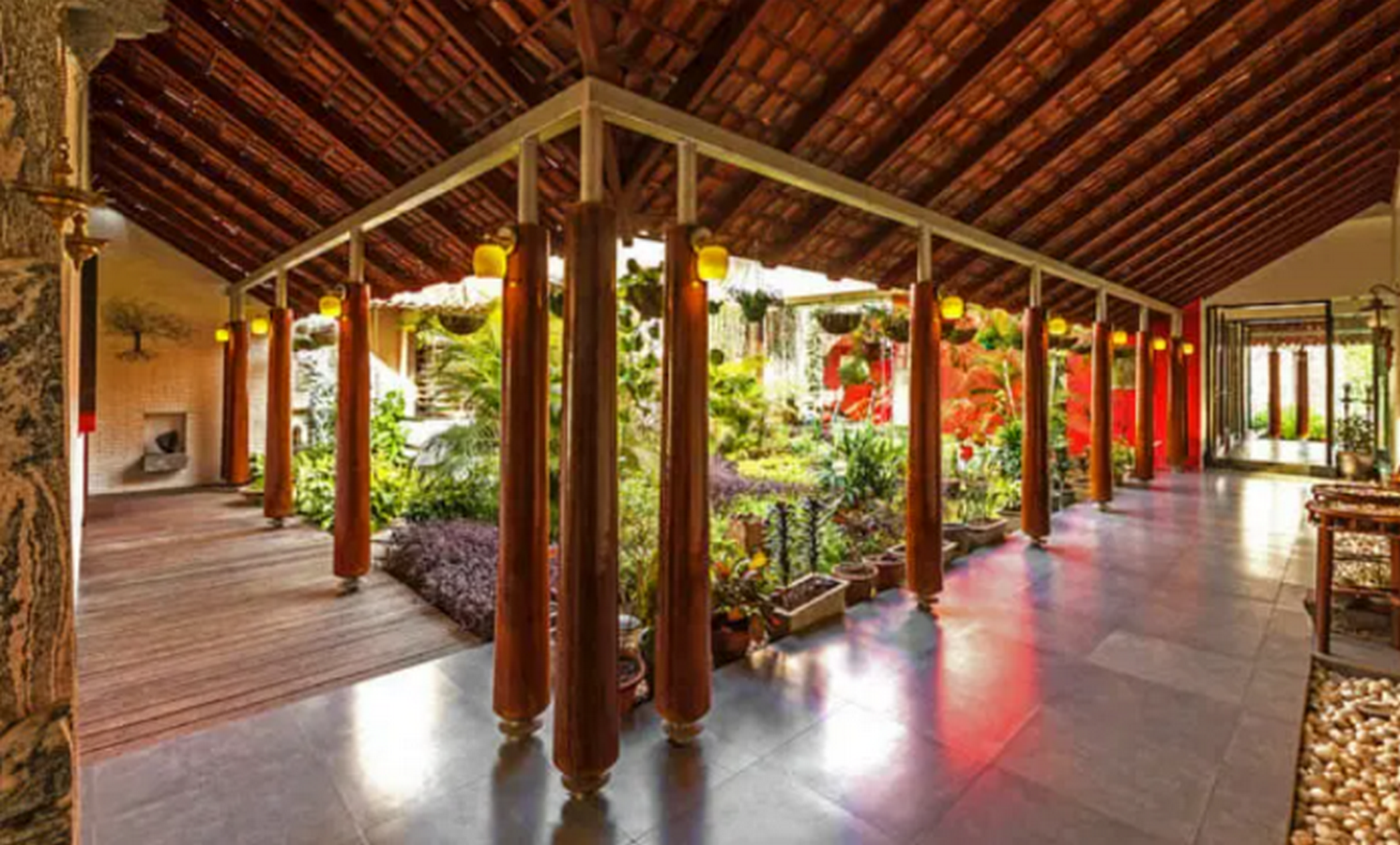
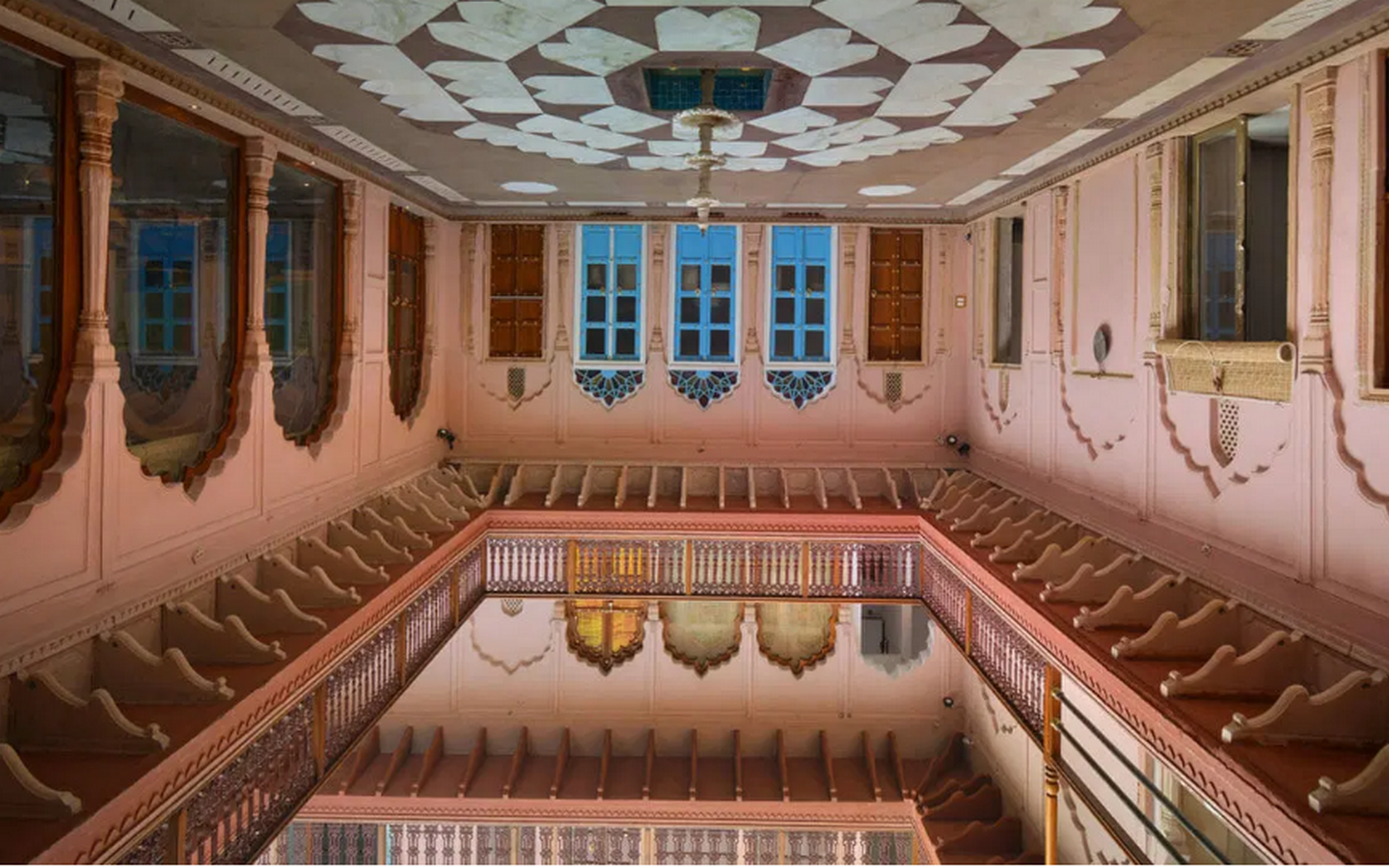
Spatial planning in Indian rural settlements is a perfect example of how they responded to the climate. To take a distinct example, Havelis in Rajasthan are inward-looking with courtyards that act as thermal conductors, allowing hot air to rise and keep the indoor cool. This is prominently seen in the lanes of Jodhpur, all the houses are inward, and the planning responds to the sun path to avoid heat gain and minimum sun exposure. Mutual shading keeps the building and the surroundings cool. In contradiction to these, when we take a typical Kerala house, the spatial planning is more open, with a shaded verandah, and the nature of the house is more outward than inward. The indoor-outdoor relationship is built as fluid to maintain airflow and avoid moisture retention. While the spatial planning in colder areas is completely different, compact and enclosed spaces are prioritized to minimize heat loss. Across these variations, spatial planning consistently responds to climatic stress, adapting form to ensure thermal comfort without mechanical systems.
Material and Structural Responses to Climate
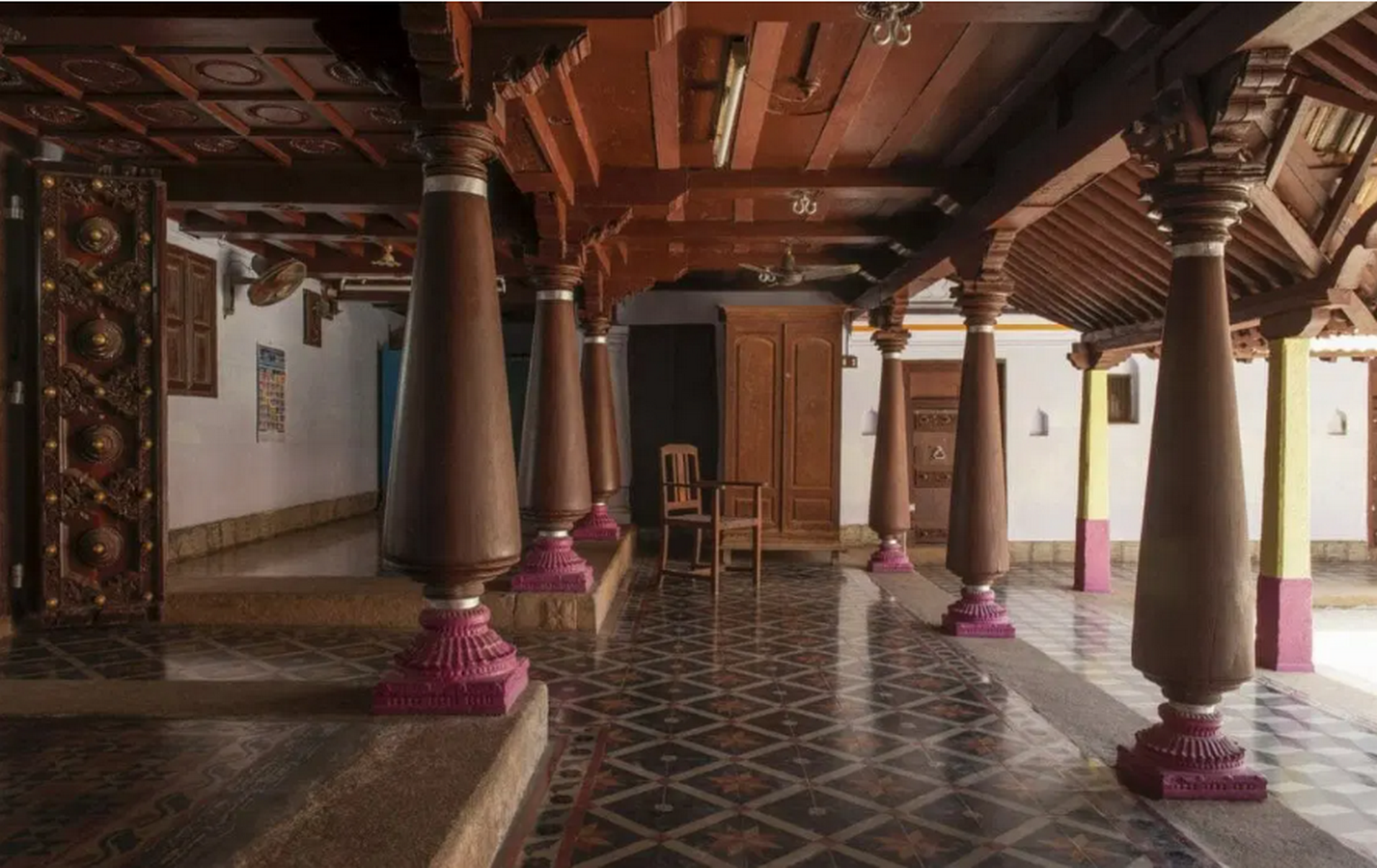
The material and structural system are deeply rooted in the region and availability context that eventually respond to climate. Structure and material operate together as an integrated system, ensuring thermal comfort and durability through natural means. In hot and dry areas of Rajasthan, thick masonry walls made of stone or mud act as thermal mass absorbing heat during the day and releasing it during the night to maintain temperature differences. This helps stabilize indoor temperatures in extreme climatic conditions. Jodhpur is a perfect example of what we nowadays call a strategy to reduce the urban heat island effect. Jodhpur had done it a decade before the blue painted surface reflected the heat, reducing heat gain and keeping the indoor cool.
In warm and humid climatic conditions, a pitched roof and an elevated plinth allow air circulation and act as protection against heavy rainfall. Local material from the region, like laterite stone and clay, supports breathability.
In contrast to all this, indigenous strategies are nowadays contemporary construction dominated by reinforced concrete adopted as a universal material, neglecting climatic consideration and environmental impact. While structurally efficient and adaptable, its widespread and standardized use often overrides local climatic logic, leading to a homogenization of built form. As a result, architecture becomes less responsive to environmental conditions and more dependent on mechanical systems for comfort, reducing the role of material and structure as climatic mediators.
Passive Environmental Systems as Climate Response
Indigenous architecture relies on passive environmental systems to regulate comfort without mechanical intervention. These systems use form, planning, orientation, shading, and natural resources in a responsive manner, resulting in an effective adaptation to changing climatic conditions.
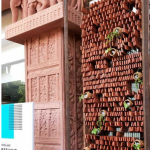
Indigenous climate response is not limited to courtyards and shaded verandahs. If observed closely, even façade elements reveal a deep environmental intelligence. The small and carefully proportioned window openings in traditional havelis demonstrate how early builders understood the control of heat, light, and airflow without technological support. Similarly, jaali systems in historic architecture act as a climatic filter, reducing heat gain while allowing air movement and diffused light into interior spaces.
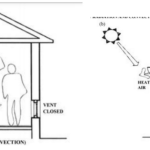
These perforated screens also enhance ventilation by accelerating airflow through pressure differences, often described through the Venturi effect. Air movement is further influenced by built form geometry, where narrow passages and controlled openings guide and accelerate wind flow, improving ventilation in dense urban settlements.
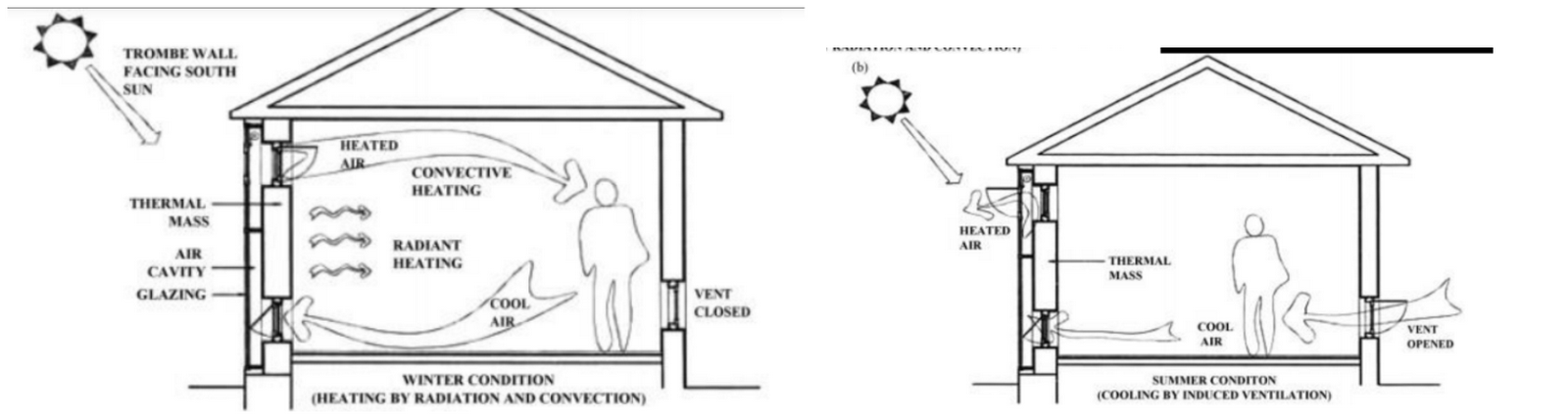
In colder climates, passive heating strategies such as the Trombe wall become especially significant. A Trombe wall captures solar radiation through its thermal mass during the day and gradually releases stored heat into interior spaces after sunset. This slow heat transfer process helps maintain indoor warmth naturally, reducing reliance on mechanical heating systems.
Contemporary Disconnect
Despite these deeply rooted integrated systems, building nowadays has gradually moved away from responsive systems. In the pursuit of speed, uniformity, and global aesthetics, buildings are increasingly designed as sealed, completely isolated between indoor and outdoor environments, with mechanically controlled indoor systems. Climate is no longer a driver of design but something to be compensated for through energy-intensive systems.
In this context, superficial solutions such as applied façades and decorative “green” layers attempt to simulate sustainability without addressing the fundamental relationship between building and climate. Comfort is achieved artificially rather than through design intelligence, marking a clear departure from the integrated logic seen in indigenous systems.
Reinterpreting Indigenous Logic in Contemporary Practice
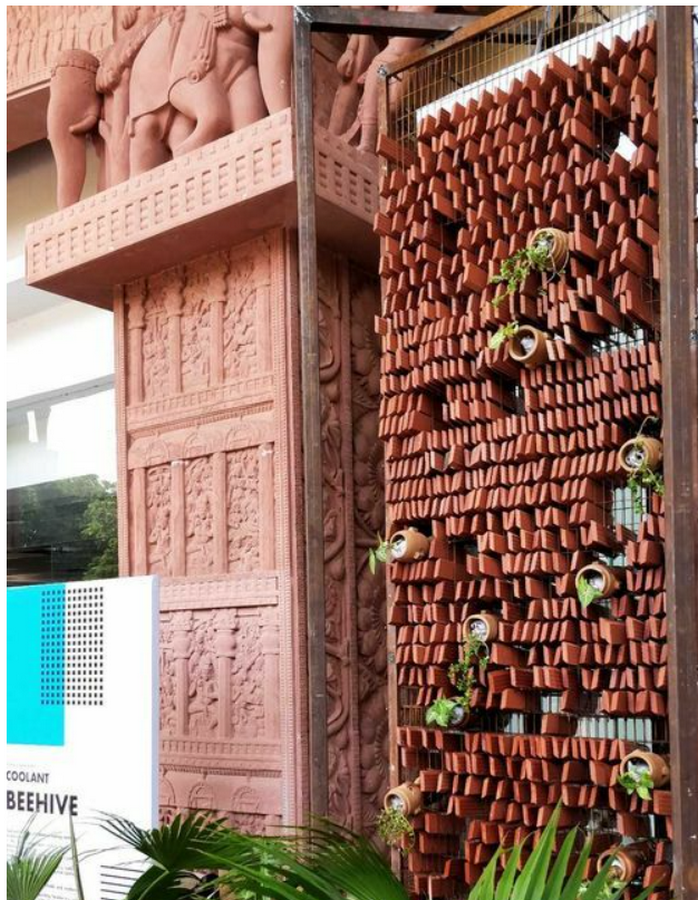
While contemporary architecture often overlooks indigenous practices, some intervention has link to indigenous practices through modern intervention. One such example is the “CoolAnt” system developed by Ant Studio. CoolAnt uses traditional cooling methods combined with advanced material science and delivers environmentally friendly solutions for urgent urban cooling needs. The systems also require considerably less energy and produce fewer carbon emissions, aligning with the United Nations Sustainable Development Goals. (S, n.d.) Drawn from traditional evaporative cooling principles using terracotta modules and a water-based cooling system, in a modern interpretation of an evaporative cooling system.
This demonstrates that indigenous logic is not obsolete, but adaptable to contemporary environmental challenges.
Conclusion
Indigenous climate strategies reveal a deep interconnection to climate and native environments; they don’t act as isolated techniques but bring cohesion of spatial planning, façade designing, material selection, and structural system together, responding to climate in a sustainable approach.
While I feel the modern system material personally, structural choices are creating a gap between the context and climate; they are fragmenting the wholesomeness and then addressing it individually, which eventually weakens the connection between architecture and context.
Although revisiting the strategies is not returning to the past, but its about rethinking how we design the future, incorporating these principles —where architecture once again becomes responsive, contextual, and truly rooted in its environment.
References:
- Nature’s Architects: Indigenous Practices Building Climate Resilience
(https://biofriendlyplanet.com/natures-architects-indigenous-practices-building-climate-resilience/)
- (S, n.d.)
(CoolAnt: Innovating Sustainable Cooling Solutions for a Greener Future
- (Devanshi Khatri, n.d.)
(https://issuu.com/devanshikhant/docs/16bar061_working_paper-movement_of_the_user_in_th)