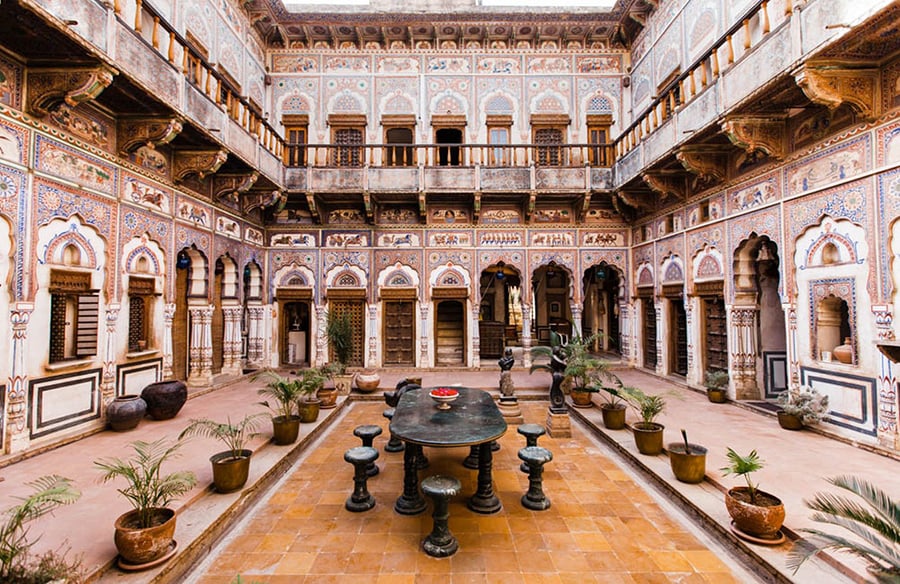
Havelis of Shekhawati, India – Largest abandoned houses in the world
Nestled in the heart of the Indian state of Rajasthan, the Havelis of Shekhawati stand as timeless architectural masterpieces that reflect the rich history and cultural heritage of the region. These ornate mansions, adorned with intricate frescoes and opulent designs, offer a glimpse into the opulence and artistic finesse of a bygone era. This article explores the architectural splendor of the Havelis, shedding light on their historical significance and unique design elements.
Historical Background
Origin and Evolution
The term “Haveli” refers to a traditional mansion or townhouse, and the Havelis of Shekhawati trace their roots back to the 18th and 19th centuries. Established by prosperous Marwari merchants, these architectural gems served as the residences of wealthy families. The Shekhawati region, known as the “Open-Air Art Gallery of Rajasthan,” became a canvas for these affluent merchants to showcase their wealth through the construction of these grand structures.
Cultural Influence
The Havelis are not merely architectural marvels; they are living testaments to the cultural and artistic affluence of the Shekhawati region. The frescoes adorning the walls depict scenes from mythology, local legends, and daily life, showcasing a harmonious blend of Rajput and Islamic influences. These intricate artworks not only served an aesthetic purpose but also conveyed the cultural ethos of the times.
Architectural Elements
Facade and Exterior Design
The exteriors of the Havelis are characterized by their grand facades, often featuring ornate arches, balconies, and jharokhas (overhanging enclosed balconies). The intricate latticework and filigree carvings showcase the craftsmanship of local artisans, emphasizing the cultural fusion that defines Shekhawati’s architecture.
Frescoes and Murals
One of the most striking features of the Havelis is the vibrant frescoes that adorn their walls. Executed with meticulous detail, these paintings depict mythological narratives, celestial beings, and scenes from daily life. The vivid colors and artistic precision make these frescoes a visual spectacle, attracting tourists and art enthusiasts from around the world.
Courtyards and Inner Sanctums
The layout of the Havelis often revolves around a central courtyard, providing a private oasis for the inhabitants. Intricately carved pillars and arches surround these courtyards, creating a serene and aesthetically pleasing environment. The inner sanctums of the Havelis feature opulent rooms with exquisite details, showcasing the luxurious lifestyle of the erstwhile residents.
Preservation Efforts
As the sands of time have weathered these architectural wonders, efforts have been made to preserve and restore the Havelis of Shekhawati. Various governmental and non-governmental initiatives focus on maintaining the structural integrity and authenticity of these buildings, ensuring that future generations can continue to marvel at their grandeur.
Visiting the Havelis
For those captivated by the allure of history and architecture, a visit to the Havelis of Shekhawati is a must. Several towns in the region, such as Mandawa, Nawalgarh, and Fatehpur, boast a plethora of well-preserved Havelis open to the public. Guided tours offer insights into the historical context, architectural nuances, and cultural significance of these magnificent structures.
Conclusion
In conclusion, the Havelis of Shekhawati stand as proud guardians of India’s architectural and cultural heritage. Their timeless beauty and intricate designs transport visitors to an era of opulence and artistic brilliance. As these architectural gems continue to captivate the imagination of those who encounter them, the need for preservation and appreciation becomes paramount. Let the Havelis of Shekhawati be a reminder of the rich tapestry of India’s past, a tapestry woven with threads of art, culture, and architectural magnificence.