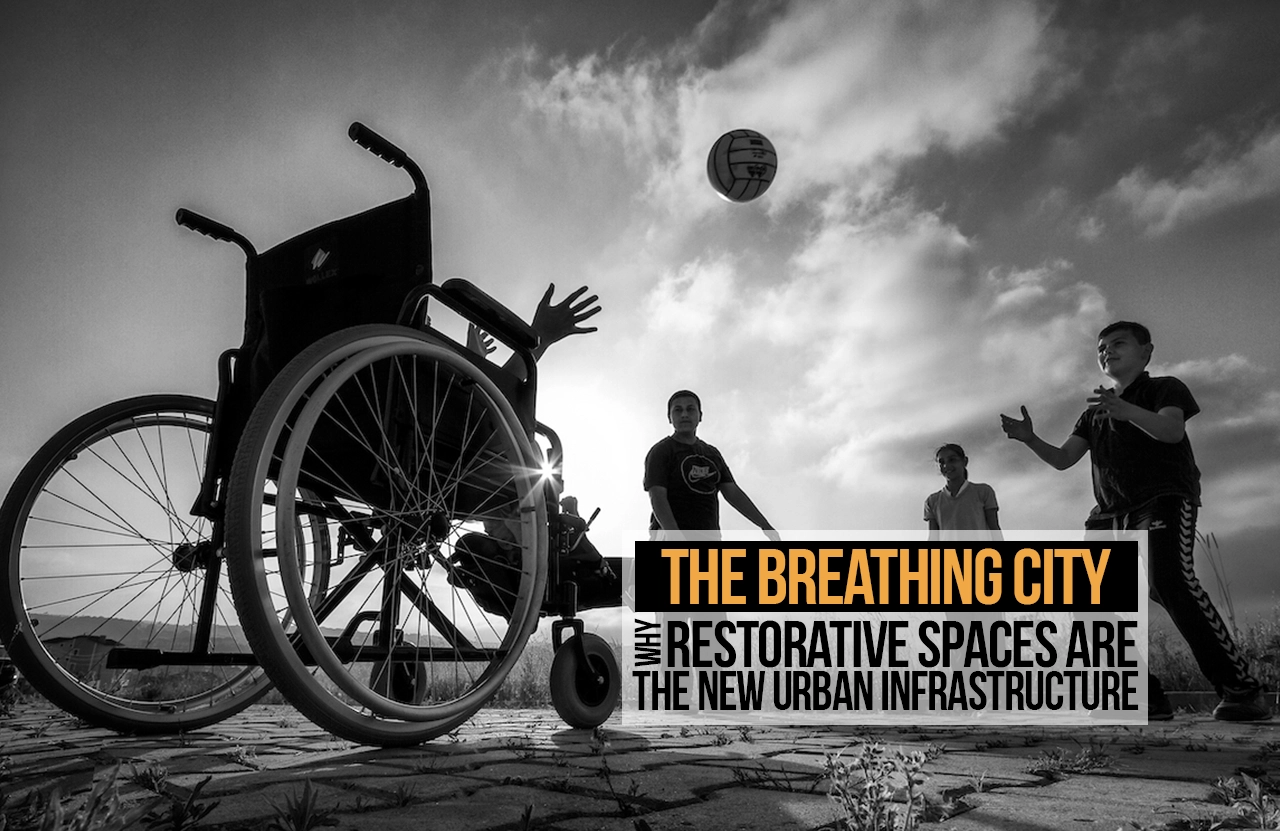
In a workaday, urbanized world that moves ever more quickly, personal spaces in which one can take a breath and transform are more important than ever. Cities are no longer judged solely by their infrastructure and economic output but also by how well they promote human well-being. In such a framework, restorative spaces (e.g., parks, pause points, and shaded corridors) are crucial mediators for healthier and sustainable urban environments.
Understanding restorative spaces
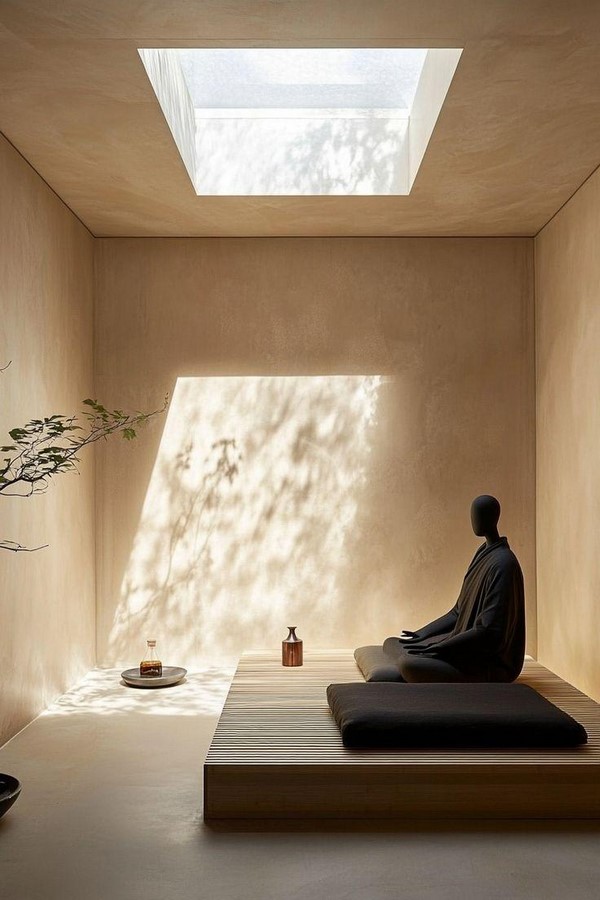
Restorative environments are those that aid in the recovery of mental fatigue, stress, and sensory overload. Based on environmental psychology, most notably Attention Restoration Theory, they offer respite from moment-by-moment sensory and cognitive overload. They provide moments of solitude, casual social engagement, and a reconnection with nature, even in crowded cityscapes.
Unlike monumental public spaces for event culture, or the great civic centers of metropolises and megalopolis, therapeutic spaces are often modest in scale and very personal. ‘They succeed because they are comfortable, accessible, and able to withstand daily use rather than entertain.
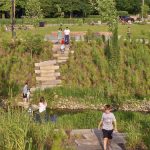
Restorative spaces in urban environments. Urban parks are the most obvious type of restorative space. In addition to their ecological role, like cleansing the air, nurturing biodiversity, and regulating microclimates, parks deliver psychological and social dividends. Green vistas, water features, and shaded seating are offered to people to linger, walk, or even sit in silence.
The best parks provide different experiences: open lawns for games, tree-lined paths to saunter beneath, and spots of seclusion for solitude. Importantly, proximity matters. Small neighborhood parks and pocket greens can be just as restorative as big city parks if they are accessible and well-designed.
In sunny climates, shade is the ultimate expression of comfort. Trees, pergolas, and other landscape structures don’t just reduce heat stress but also help to form spaces that feel welcoming at various times of day.
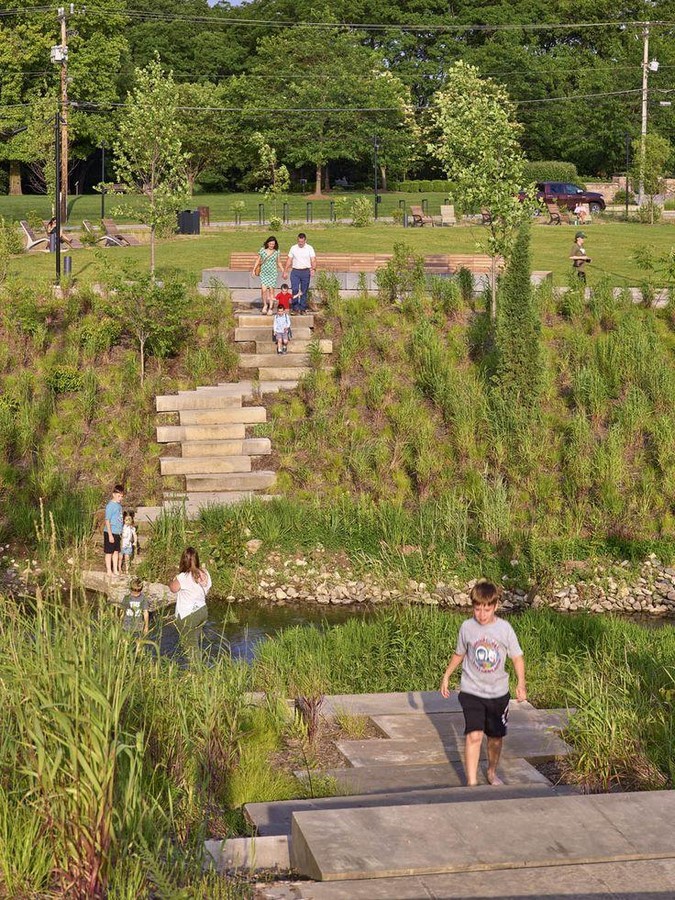
Interruptions are notional and potent moments in the urban system. They can be benches beneath trees, expanded sidewalks replete with seating, steps alongside bodies of water, or cloistered courtyards between buildings. Though seemingly insignificant, pause-points offer a place of respite on one’s daily journey, especially for people walking and their elders, youngsters, and persons less able.
Pause-points are most effective when they are naturally intuitive along movement paths; at corners, visual opportunities, shopping edges, or between active and inactive zones. They should be designed for comfort, positive visibility, and a feeling of security but yet sufficiently versatile to accommodate multiple groups of users.
By permitting people to stop without obligation, the pause-point humanizes streets and encourages a more languid engagement with the city.
Shaded corridors and restorative movement
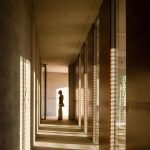
The last years have proven that movement itself is therapeutic, provided the right spatial conditions. Shaded passages, tree-lined streets, arcades, pedestrian pathways, and greenways bring a sense of cool pleasure to the otherwise mundane journey.
These corridors are particularly crucial in hot, arid, or high-altitude settings, where intense sun and winds can make walking off-putting. The shadows, vegetation, and ground-covering materials also reduce heat sensations and contribute to the enjoyment of a longer outdoor stay.
Shaded lanes serve multiple ecological and social purposes by connecting parks, residential areas, schools, and jobs. When they are designed as continuous systems rather than isolated corridors, they encourage walking, decrease vehicle dependence, and offer a more peaceful pulse of city life.
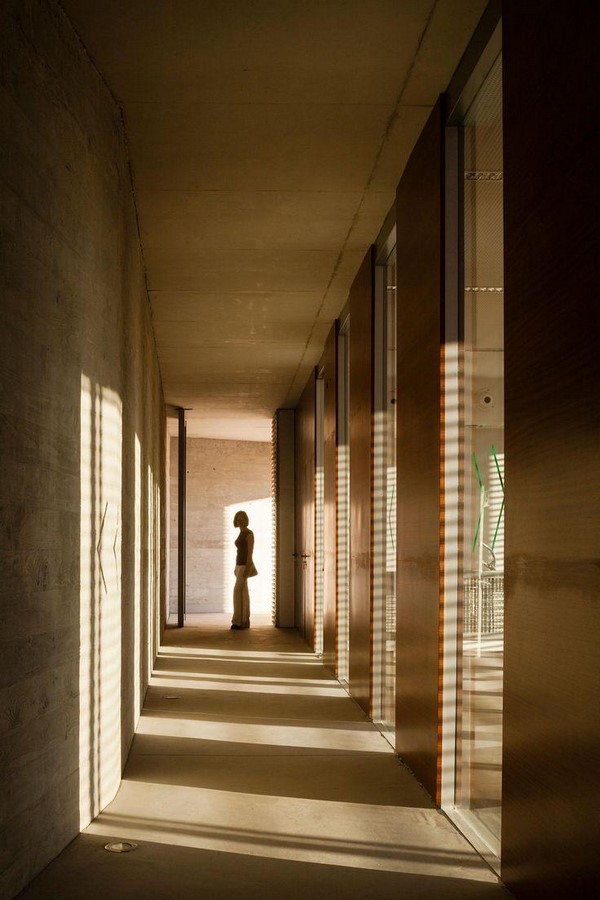
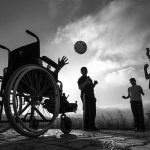
In order for such restorative spaces to be truly functional, equity should be built into their design. This involves taking into account various age ranges, abilities, and cultural usage patterns. Seat heights, pathway inclines, comfortable sightlines, and inclusive access aren’t options; it’s to do with whether a space can be restorative for everyone.
Equally important is everyday relevance. “We believe that restorative spaces need to encourage people to carry out and appreciate daily rituals like walking, chatting, playing with children, or simply observing quietly,”. Maintenance, sanitization, and stewardship by the community are vital factors to maintain their restorative value.
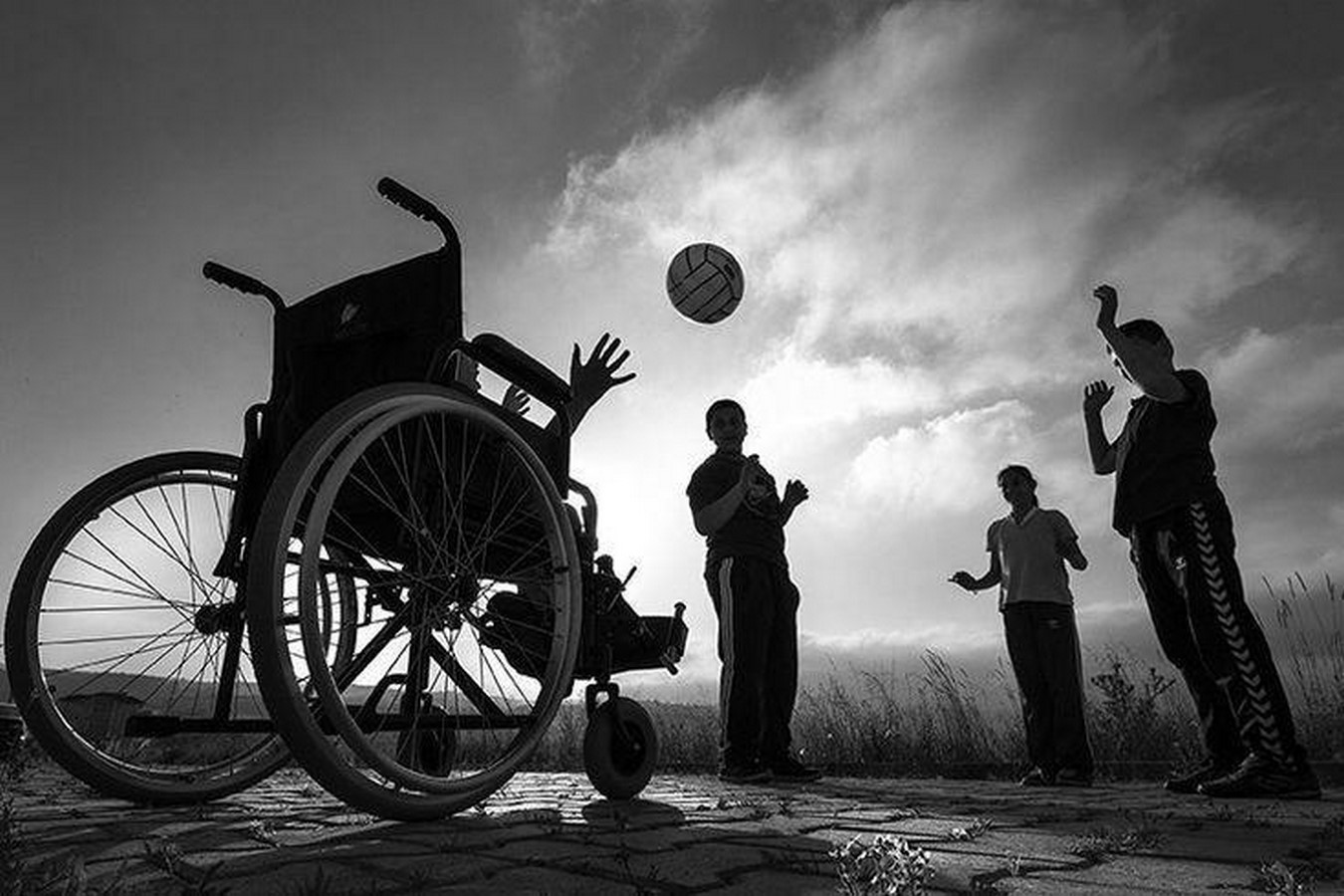
With cities ever densifying and increasing climate challenges, restorative spaces should be understood as vital urban infrastructure, not extras. In a time of rising stress, social isolation, and environmental uncertainty, these spaces are low-cost/ high-impact interventions contributing to mental health recovery, social solidarity, and urban resilience.
By thoughtfully weaving in parks, pause-points, and shaded corridors into planning frameworks and everyday design strategies, cities can look to a more civilized (equitable, sustainable) living scenario. These spaces puncture dense urban fabrics to provide restorative pauses, slowing the process of human movement down so that people can make informal encounters and enjoy more frequent low-level contacts with nature. Restorative spaces remind us, in the end, that cities are not just workplaces or means of passing through but living ecosystems where people ought to be able to stop, heal, and reconnect with themselves, one another, and the natural world.
References:
- Bowler, D.E., Buyung-Ali, L., Knight, T.M. and Pullin, A.S. (2010) ‘Urban greening to cool towns and cities: A systematic review of the empirical evidence’, Landscape and Urban Planning, 97(3), pp. 147–155.
- CABE Space (2010) Urban Green Nation. London: Commission for Architecture and the Built Environment.
- Carmona, M. (2019) Public Places, Urban Spaces: The Dimensions of Urban Design. 3rd edn. London: Routledge.
- Emmanuel, R. and Loconsole, A. (2015) ‘Green infrastructure as an adaptation approach to tackling urban overheating’, Landscape and Urban Planning, 138, pp. 99–111.
- Gehl, J. (2011) Life Between Buildings: Using Public Space. Washington, DC: Island Press.
- Gehl Institute (2017) Public Life Diversity Toolkit. New York: Gehl Institute.
- Hartig, T., Mitchell, R., de Vries, S. and Frumkin, H. (2014) ‘Nature and health’, Annual Review of Public Health, 35, pp. 207–228.
- Kaplan, R. and Kaplan, S. (1989) The Experience of Nature: A Psychological Perspective. Cambridge: Cambridge University Press.
- Low, S., Taplin, D. and Scheld, S. (2005) Rethinking Urban Parks: Public Space and Cultural Diversity. Austin: University of Texas Press.
- Norton, B.A., Coutts, A.M., Livesley, S.J., Harris, R.J., Hunter, A.M. and Williams, N.S.G. (2015) ‘Planning for cooler cities: A framework to prioritise green infrastructure to mitigate high temperatures in urban landscapes’, Landscape and Urban Planning, 134, pp. 127–138.
- Project for Public Spaces (n.d.) What Makes a Successful Place? Available at: https://www.pps.org (Accessed: Day Month Year).
- Speck, J. (2012) Walkable City: How Downtown Can Save America, One Step at a Time. New York: Farrar, Straus and Giroux.
- Ulrich, R.S. (1984) ‘View through a window may influence recovery from surgery’, Science, 224(4647), pp. 420–421.
- UN-Habitat (2020) Integrating Health in Urban and Territorial Planning. Nairobi: United Nations Human Settlements Programme.
- World Health Organization (2017) Urban Green Spaces: A Brief for Action. Copenhagen: WHO Regional Office for Europe.
- European Environment Agency (2021) Nature-based Solutions in Urban Areas. Luxembourg: Publications Office of the European Union.