Above the verdant lawns of Poissy, near Paris, a phantom ship hovers: The Villa Savoye. The undisputed holy grail of modernist architecture, Le Corbusier and his cousin Pierre Jeanneret completed…
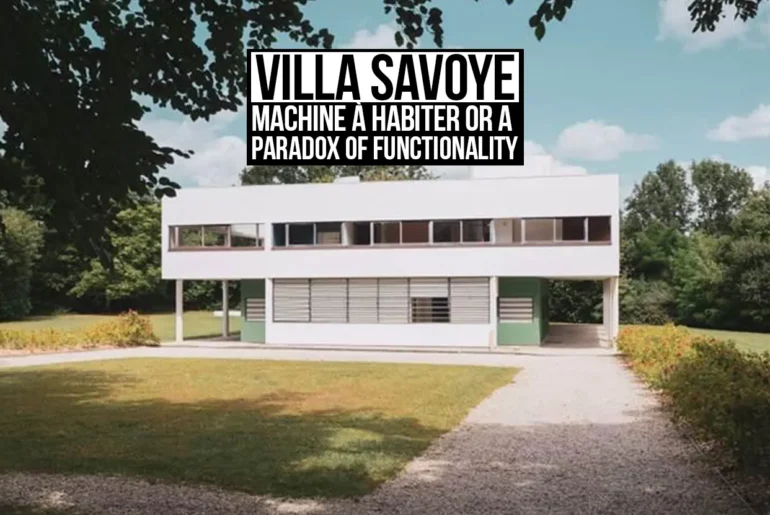


Above the verdant lawns of Poissy, near Paris, a phantom ship hovers: The Villa Savoye. The undisputed holy grail of modernist architecture, Le Corbusier and his cousin Pierre Jeanneret completed…
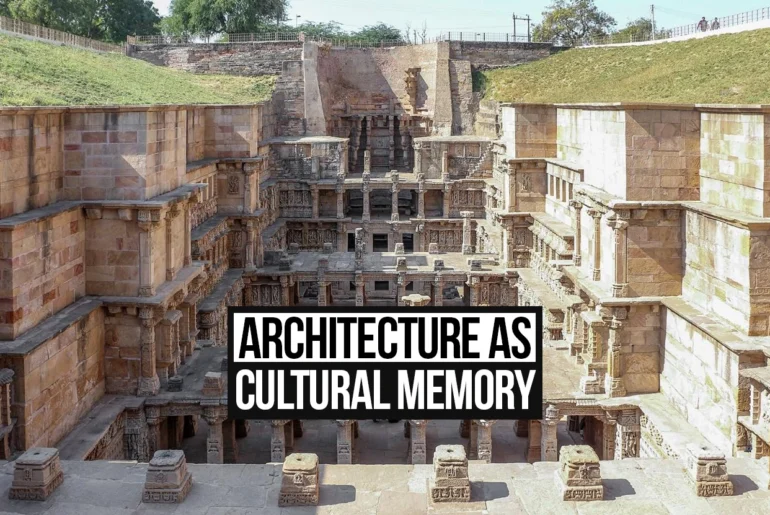
1. How societies shape the built environment Our global cityscapes are always an evolved manifestation of their history and culture. For example, Paris has both modern and historic buildings. The…
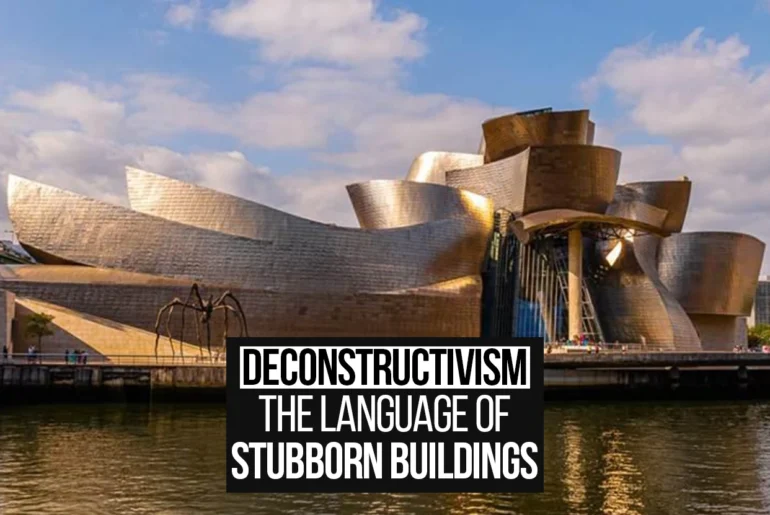
For centuries, the fundamentals of architecture have been stability; buildings are expected to stand upright, offer clear visuals and communicate a sense of logical order through balance, symmetry and predictable…
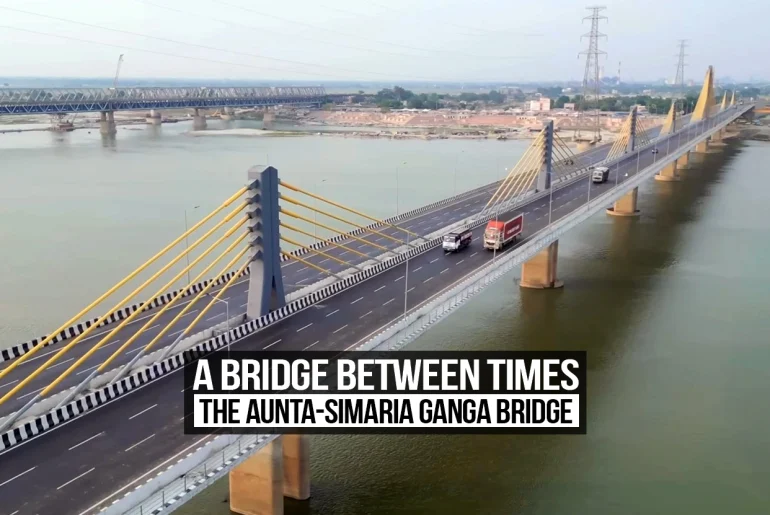
Across the mighty Ganga in Bihar, near Mokama in Patna district, two bridges stand parallel: the nearly seven-decade-old rail-cum-road Rajendra Setu, and the new six-lane Aunta-Simaria Ganga Bridge. As age…
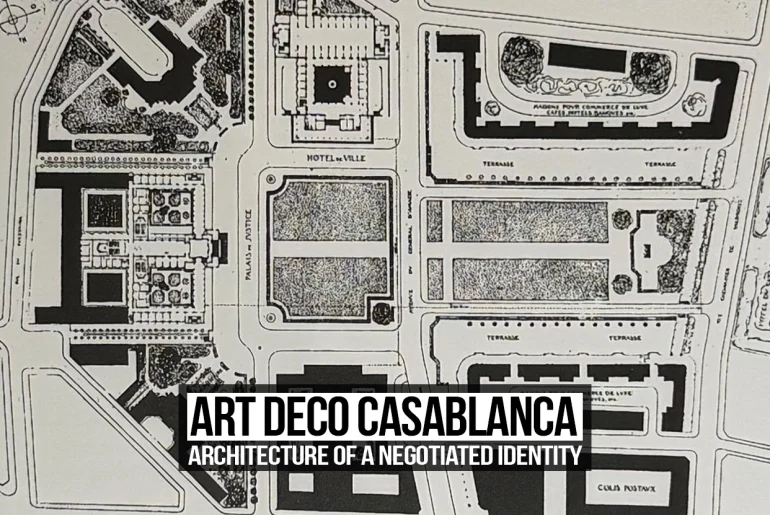
Casablanca has been widely called the “Art Deco city”, since it has been an open air laboratory for architectural experimentations. But its history is more nuanced than this plain simplification.…
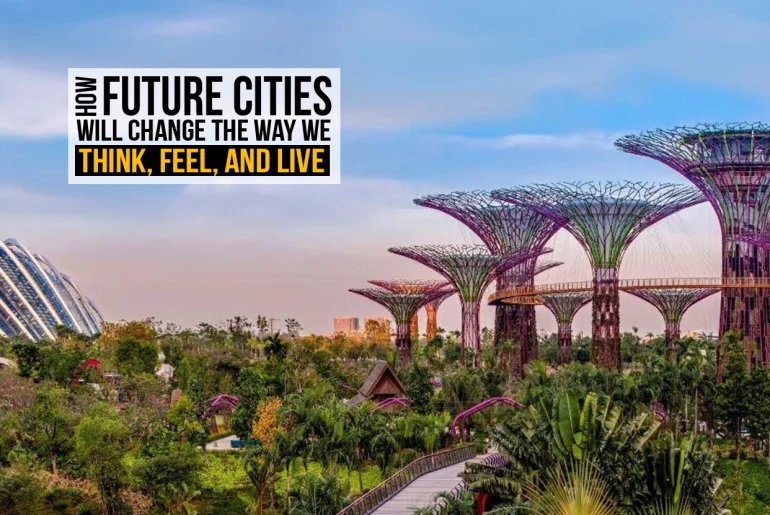
Future Cities are often imagined through autonomous vehicles, intelligent buildings and glowing digital networks, but the most important transformation may be less visible. The cities of the coming decades could…
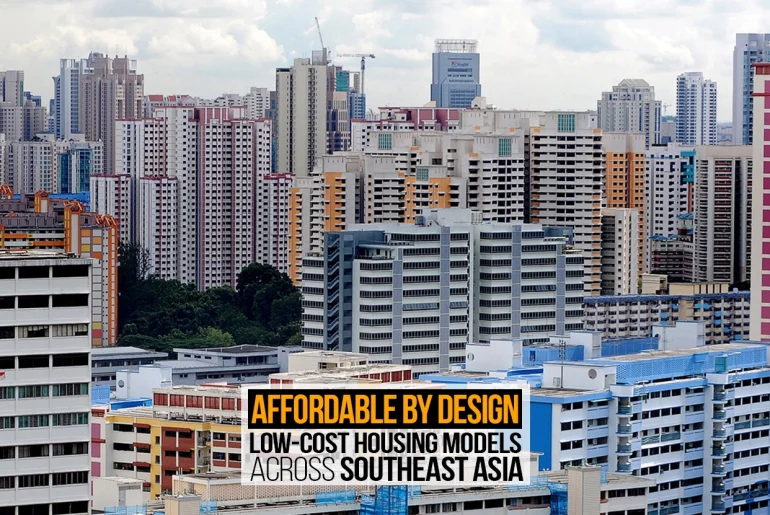
One of the most crucial human needs is a house to dwell in, with a roof on top and walls to enclose a family for proper living. Yet it’s expensive.…
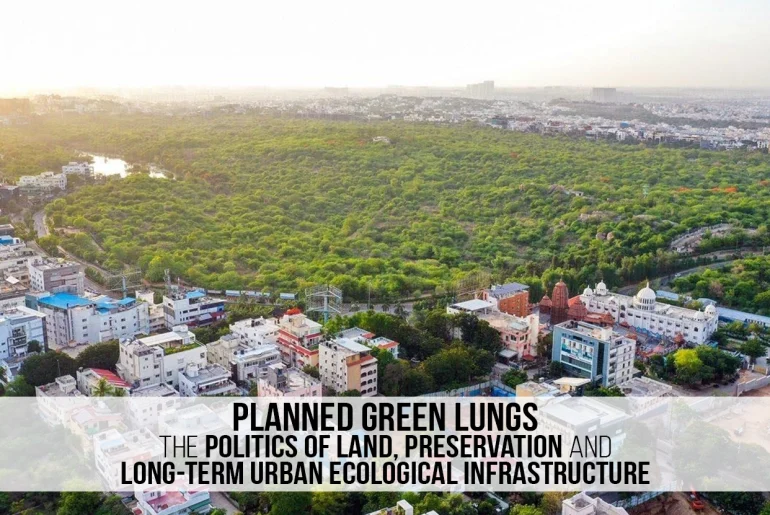
Urban green infrastructure is often framed as a design and planning issue: cities need more parks, trees, wetlands, green corridors, and open spaces to address environmental issues related to global…
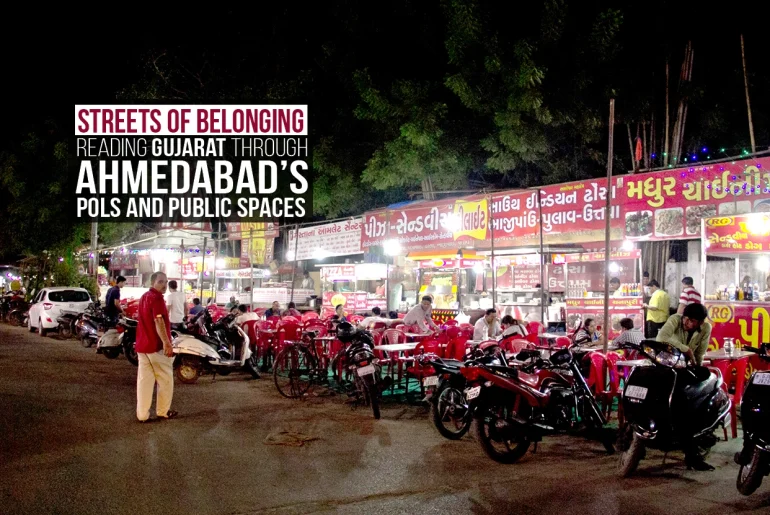
Ahmedabad is India’s first city to have been designated as a UNESCO World Heritage City in the year 2017. One reason for this is its small neighborhoods, known as pols,…

Human’s City What makes a city? High population density, advanced infrastructure, formal administration, and economic vibrancy. When you think of a city, the first thoughts that might occur are tall…

At 8:30 on a Monday morning, a city appears to be doing what it has always done. Cars move through intersections, trains arrive beneath crowded platforms, cafes open their doors…
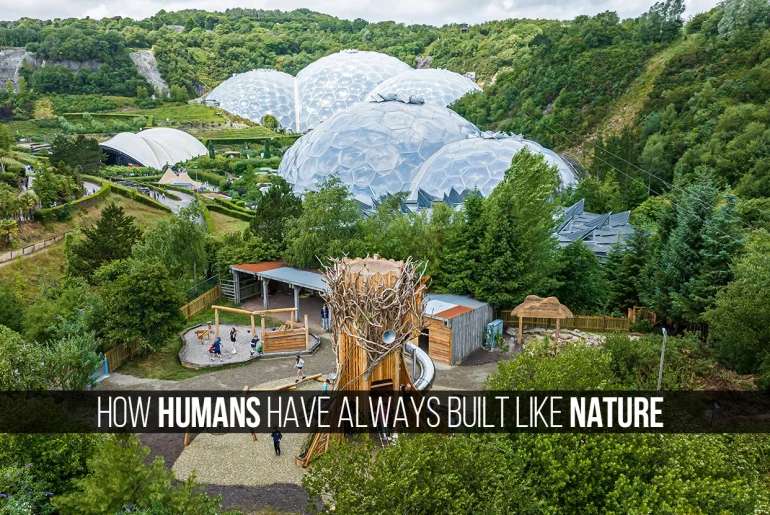
Biomimicry is usually regarded as one of the more modern concepts in architecture. To understand ventilation, designers take cues from termite nests; to design structural systems, they look to shells;…