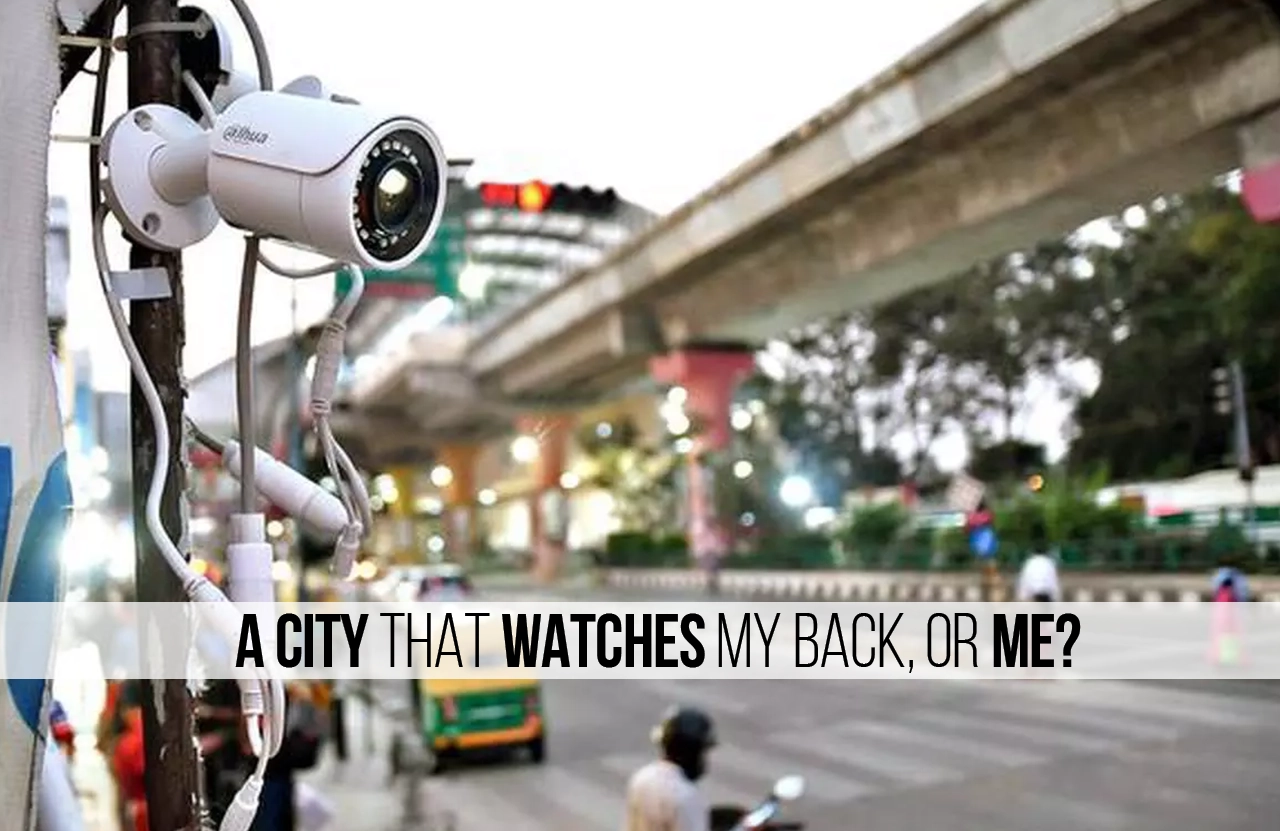
How often would I explore a city that I knew was constantly tracking me?
Would I sit alone in a quiet park or a public place knowing that I was being watched? Would I meet some friends after work, talk to a stranger, explore an unfamiliar space I was curious about, experience the city as I habitually do, or would I feel conscious and vulnerable?
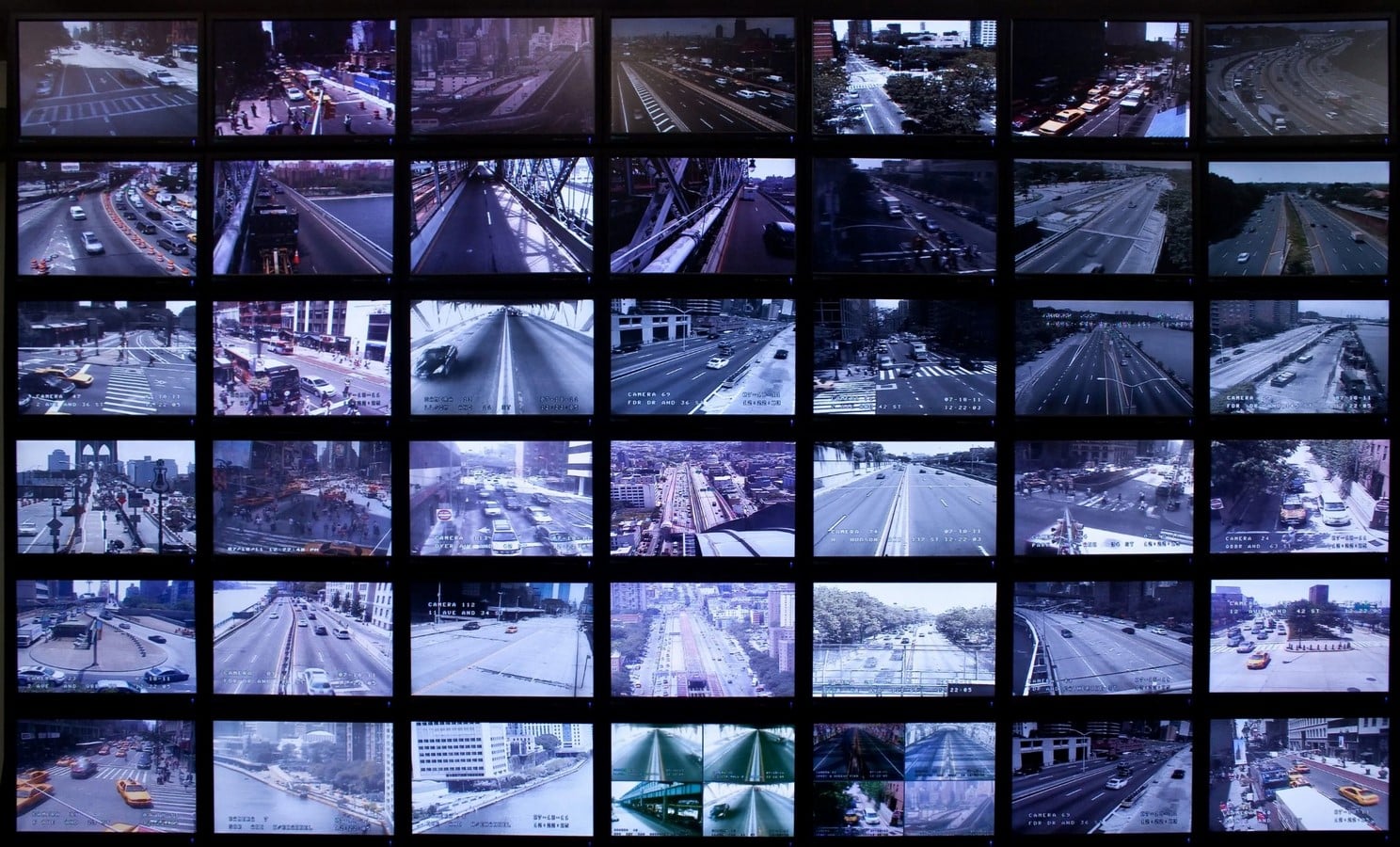
These questions sound hypothetical, as though they are the result of overthinking, which some might deem unnecessary and uncalled for. These questions, however, are the ground reality of user experience in today’s infamous urban dream – a smart city. A smart city is a promise that largely involves increasing numbers of cameras, smart sensors, location data and surveillance.
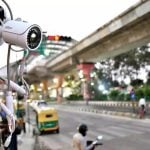
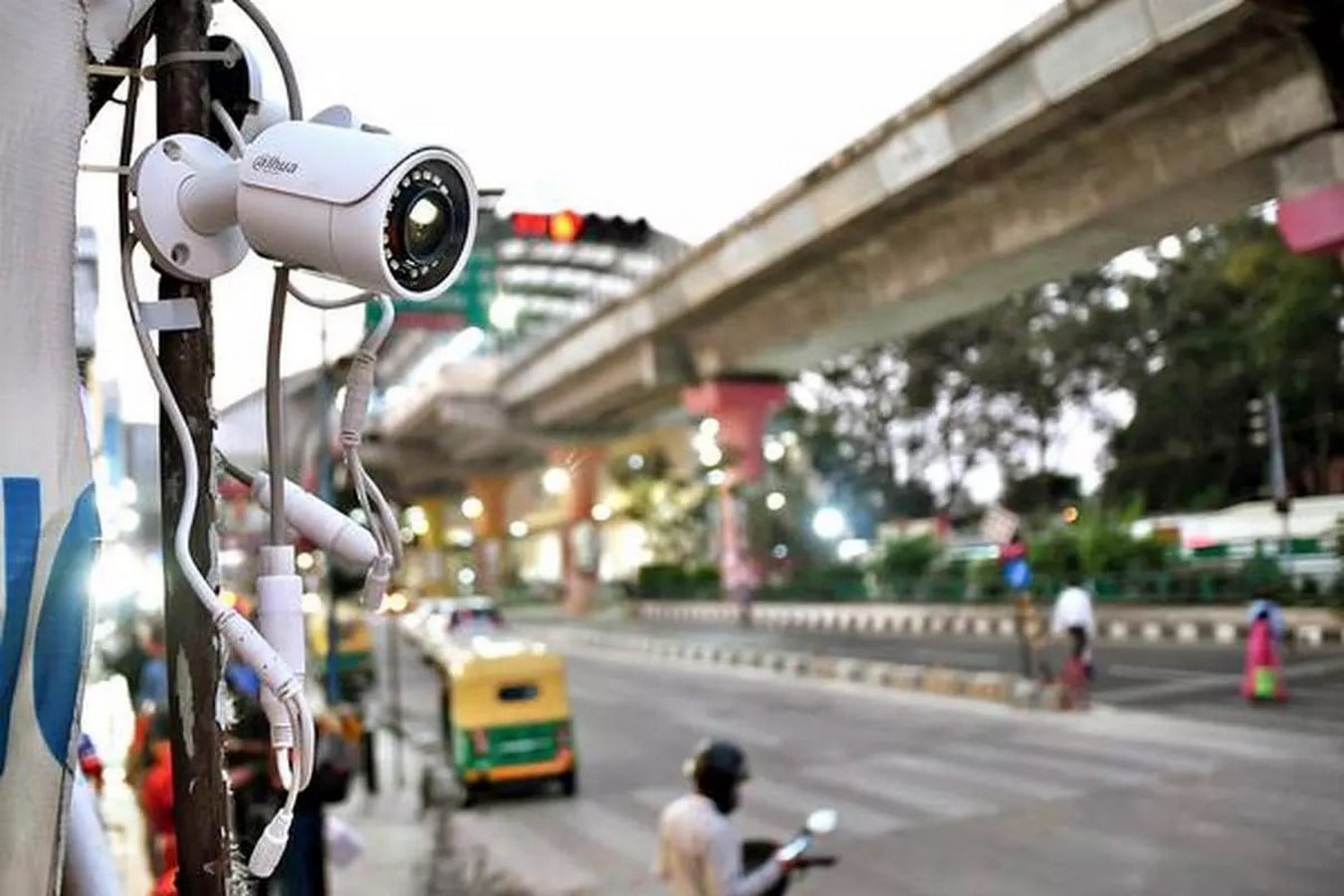
Bengaluru’s Safe City Project, for example, is planned for the installation of innumerable cameras, drones and AI – enabled video analytics feeding into a command-and-control system.
At first, the intention is reassuring – surveillance means safety, meaning if something went wrong, there’d be proof.
But the other end to this is – what happens when the person that is supposed to feel protected ends up feeling observed – all the time?
Privacy v/s Protection
The traditional understanding of safety is quite physical. A well – lit street, an active and chaotic public space and constant visibility are believed to reduce the risk of harm in a city.
Smart Cities introduce an additional layer of informational safety. The reassurance that the city is watching and knows where people are, what they are doing, how they move and who they are with.
The intention seems to be to reassure the city’s users, but if the sentence above is read once again and pictured, it feels quite eerie and creepy, does it not?
A woman walking back home alone at night may appreciate the fact that the CCTVs around her are indirectly protecting her and can help identify a potential attacker, but at the same time knowing that her appearance, movement and daily route are known and continuously recorded builds a new perspective for her – I am safe, only because I’m visible.
Visibility, however, should not be confused with guaranteed security.
Research on surveillance in smart cities has shown that constant and known monitoring can affect/influence the behaviour of users. People may avoid certain activities or forms of expression. This is often described as “the chilling effect” and is known for changes in human behaviour due to the hyper-awareness of being observed. It compromises a user’s privacy.
Public spaces should be anonymous enough to let one experiment in the city. Else, it kills the intuitive nature of a user, which doesn’t just leave large parts of the city unexplored and the user thus bored, but it also creates isolation and restricts human movement.
Safety shouldn’t come at the cost of privacy. That specific compromise in comfort and curiosity in order to feel safe isn’t fair to a city’s users.
The Language of Privacy
Imagine two different cameras.
One detects if someone has met with an accident or is in distress, or any unusual activity. It recognises a situation that is not normal and alerts the respective services. It processes the footage and directs it for further inspection.
The second records non-stop. It records everyone, everywhere, all the time. It stores the footage for months and makes it available for multiple analyses.
From a user’s perspective, they look identical and thus probably function the same too. Technologically, though, they are not.
While one is meant for the prevention of untoward events and thus aimed at protection, another garners spatial data constantly, thus compromising privacy while also intending and promising to protect.
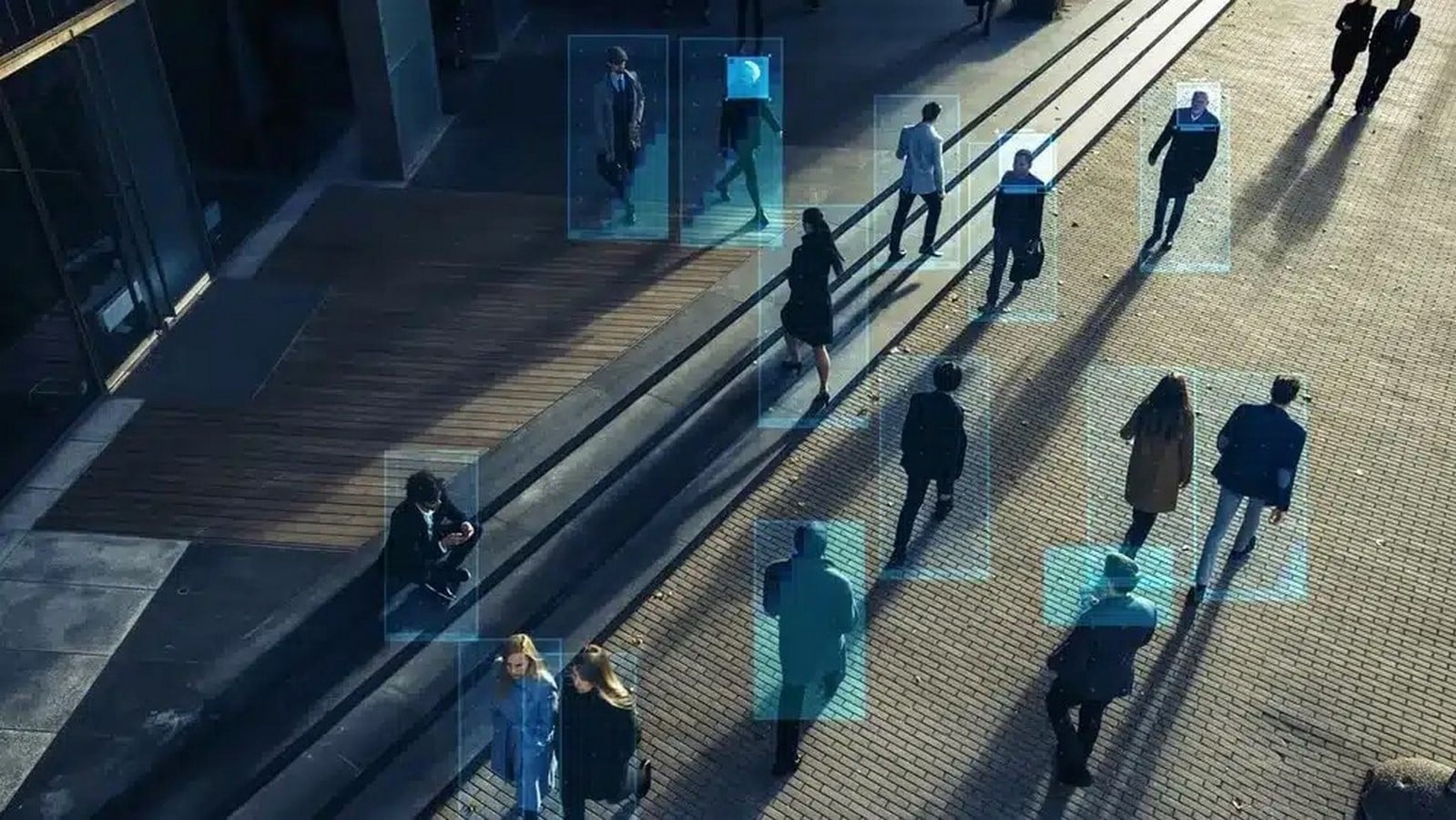
This is specifically the gap where the language of privacy needs to evolve. Privacy isn’t simply about blurring a face or protecting passwords. It is also about allowing users to exercise their freedom to explore without having to be anxious about being observed.
Think about it.
Being permanently traceable – that would scare anybody. The idea of permanent visibility and vulnerability, grouped with long-term absence of urban privacy.
A city that remembers everything is bound to become a city that almost nobody feels comfortable exploring.
What if cameras captured events instead of people?
This is where smart city surveillance design needs to be more radical.
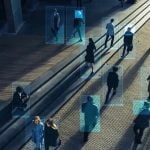
Instead of designing surveillance systems that record every second of activity around the city and every single person in visibility, surveillance systems should be designed to detect unusual events, a random crowd or if someone has fallen or if someone suddenly goes missing. It should detect those movements and instances that are not of normal behaviour.
Instead of detecting and storing the data of a woman on a run, it should instead be trained to detect if the woman is being approached suspiciously or has suddenly fallen. It could detect a physical altercation, trigger an alert and then record the specific moments of the event alone. This could then be used to analyse the situation and be immediately fed to emergency services.
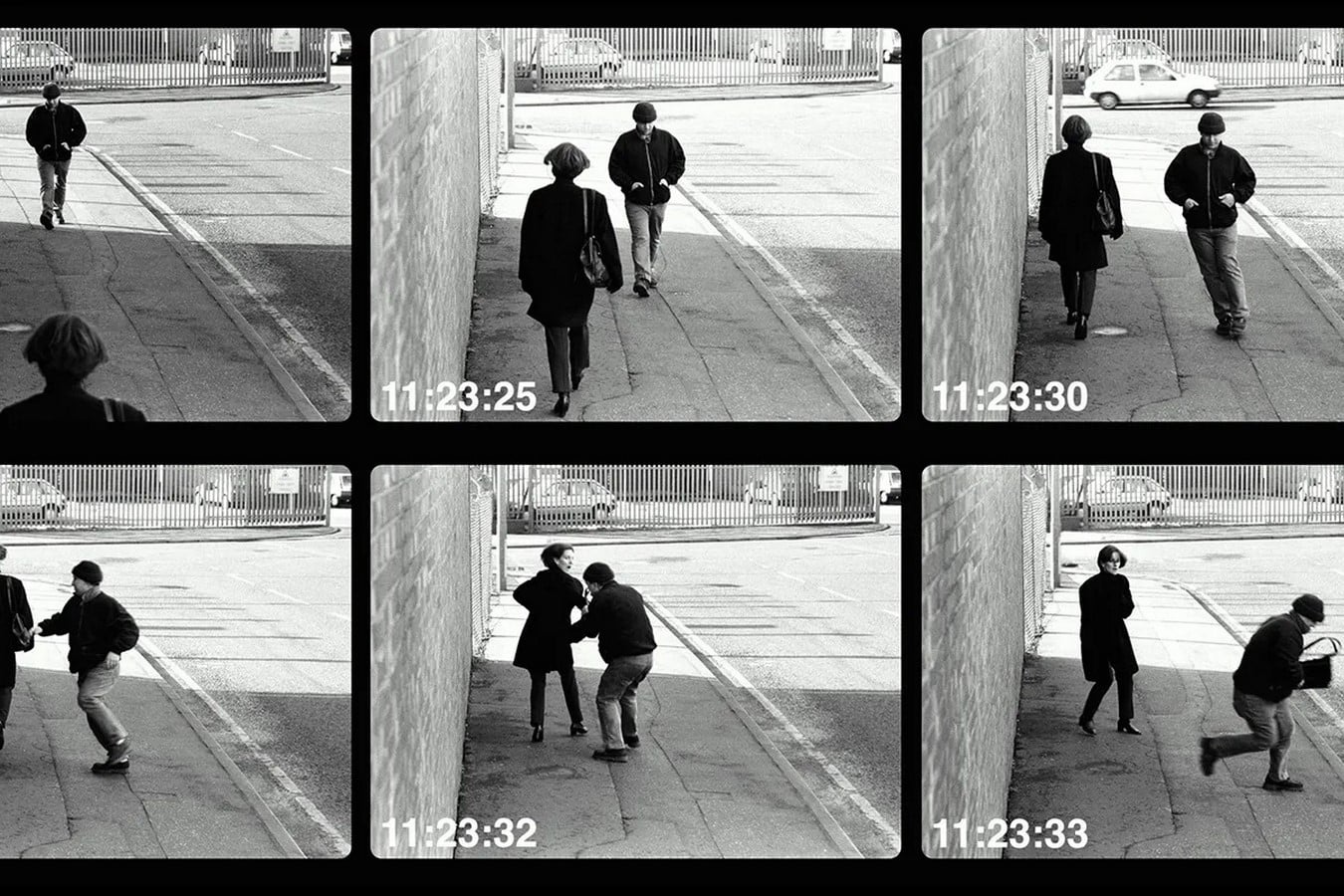
This also changes the role of traditional surveillance systems – from simply recording everything and acting as providers of evidence post an event, they can now be systems of precaution that are used to detect abnormal events and further used to report to concerned authorities. Surveillance systems then would truly be protecting the city’s users.
The system would thus be answering an important question: Is something wrong here? Instead of merely recording everything.
This is technically compatible with approaches such as edge processing, where data can be analysed on the device itself rather than continuously transmitted to a central database.
That difference could become the foundation of a new smart city – one that is intelligent enough to prevent accidents but is unobservant of ordinary life.
The solution cannot be to get rid of surveillance altogether.
A person being harassed or assaulted on the street should not have to choose between privacy and help. A violent incident should be preventable. A missing child should be traceable.
But surveillance should be mature and sophisticated.
When a defined threshold of safety is breached, the systems should get to work.
Only then should identifiable information be accessed, specifically to authorised responders.
And when the incident is resolved, the system should return to anonymity and avoid the storage of personal information over long durations of time, unless of those under investigation or those that are being acquitted.
Transparency is key. Every smart city needs to explicitly inform citizens:
– What is being collected?
– Why is it being collected?
– Who can access it and how long is it accessible?
– Under what circumstances is the data collected?
The Designer’s Responsibility Transforms
Planners and policymakers can no longer simply question whether smart technology makes urban spaces safer. We need to ask:
– What behaviour does this technology detect?
– Who becomes more visible?
– Does it make users more anxious?
– What happens when the database is breached?
– How is the safe storage of data ensured?
– Are we sure that today’s safety infrastructure won’t turn into control infrastructure tomorrow?
A smart city should not be measured merely by how much information it possesses but instead by how many accidents it manages to prevent or regulate.
Because then, these surveillance systems become the eyes of the city – ones that know when to observe, when to intervene and when to look away.
And that is the city I see myself wanting to explore.
I would walk through its streets and sit alone in its parks knowing that I’m not constantly being watched, but if something were to happen to me, I’d be taken care of and thus protected.
I would then feel comfortable exploring the city, letting my curiosity take over and not worried sick whether there would be a permanent record of me.
That I think is the ideal promise a smart city could make to me and all its users: not permanent surveillance disguised as protection, but technology intelligent enough to detect when I am unsafe but also aware enough to give me privacy when I am experiencing the city.
Citations:
- Taylor and Francis (2026). Safety in the Techno-Mediated City. [online]. Available at: https://www.tandfonline.com/doi/full/10.1080/10630732.2025.2583882
- Vrije Universiteit Amsterdam (2019). Surveillance and privacy in smart cities and living labs: Conceptualising privacy for public space. [online]. Available at: https://research.vu.nl/en/publications/surveillance-and-privacy-in-smart-cities-and-living-labs-conceptu/
- Surveillance and Society (2022). Smart Cities as “Big Brother Only to the Masses”: The Limits of Personal Privacy and Personal Surveillance. [online]. Available at: https://ojs.library.queensu.ca/index.php/surveillance-and-society/article/view/15759