Cities are not just about structures and streets; they are the living environment that evolves with time. The buildings change with time and atmosphere, like changes in a movie scene.…
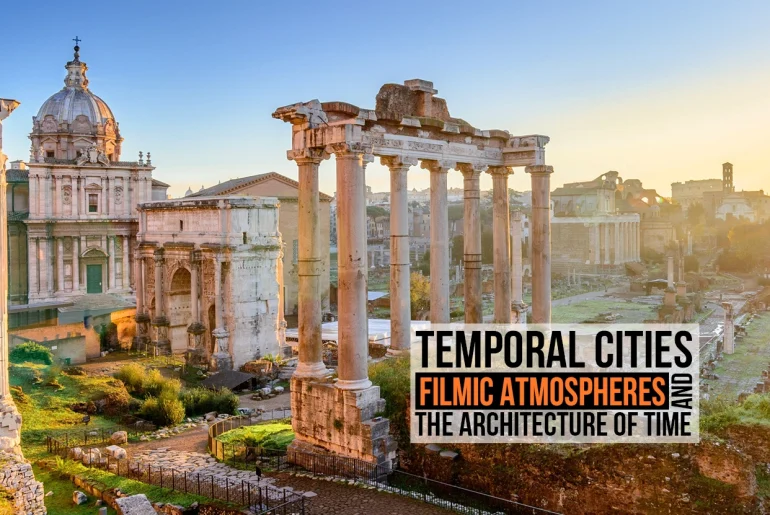


Cities are not just about structures and streets; they are the living environment that evolves with time. The buildings change with time and atmosphere, like changes in a movie scene.…
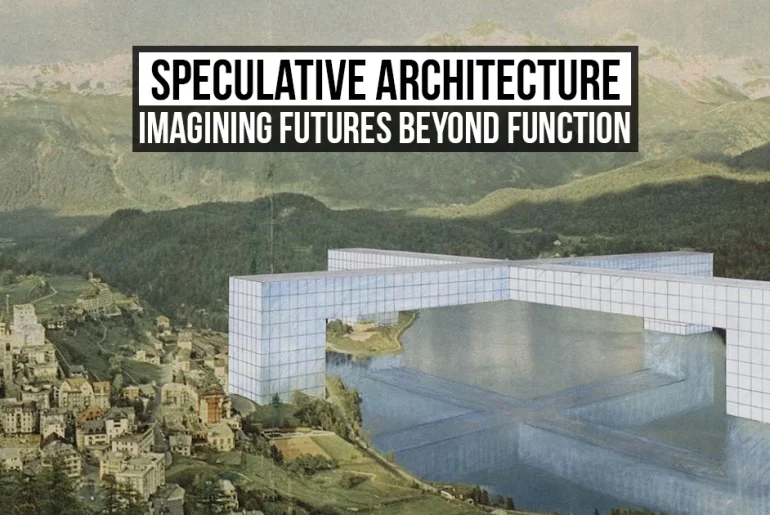
Speculative architecture sits at the crossroads of imagination and spatial inquiry. It looks beyond blueprints and construction schedules to ask deeper questions: What if buildings could adapt to climate shifts?…
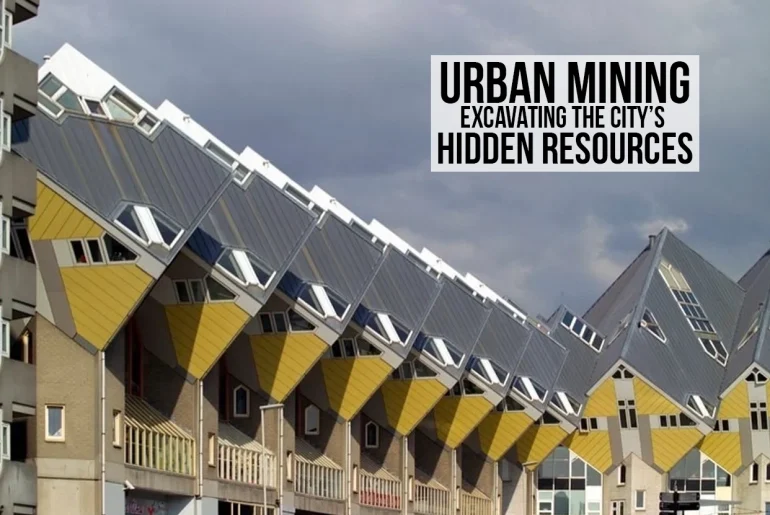
Cities have long been understood as consumers, like vast engines that inhale natural resources, transform them into buildings, infrastructure, and commodities, and eventually exhale waste. But this extractive model is…
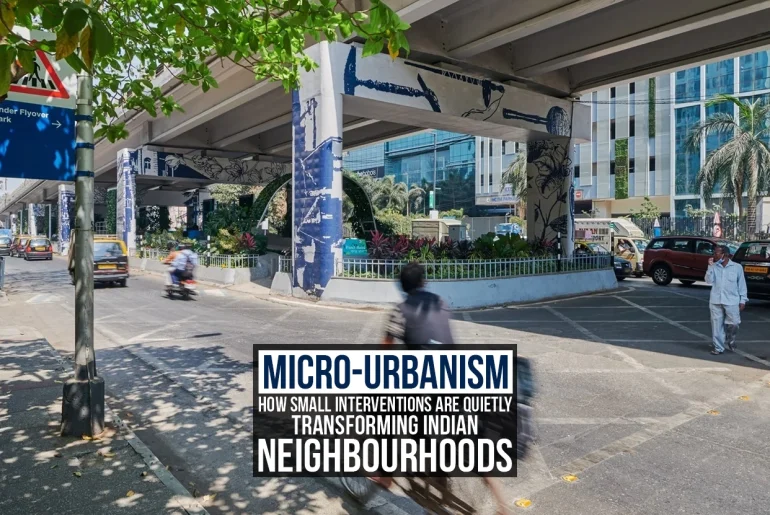
When Cities Change by Inches, Not Masterplans India’s cities rarely change all at once. They change slowly, in fragments, through ordinary acts of spatial care, in the form of a…
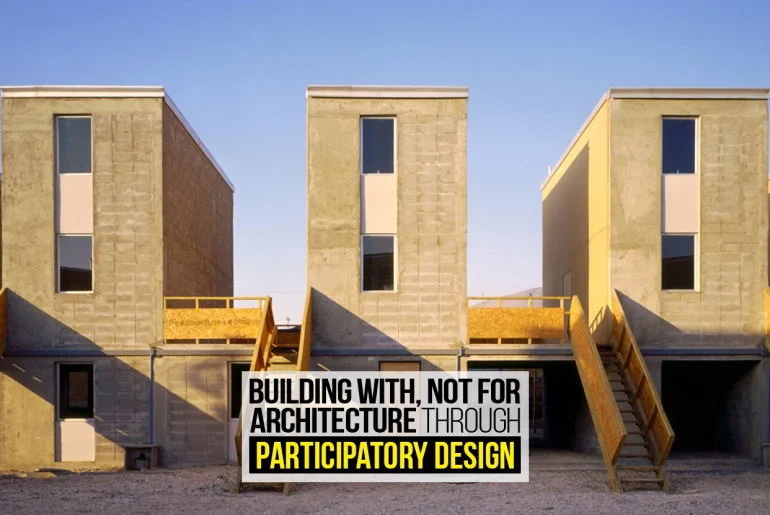
At a time when the gap between built space and the user needs is ever-increasing, with cities becoming more complex, one forgets how inhabitants are no longer passive users. Participatory…

“The city of Mumbai does not wake up in a hurry; it makes itself up.” As April reaches Mumbai, something magical takes place in reverse. With temperatures that cap above…
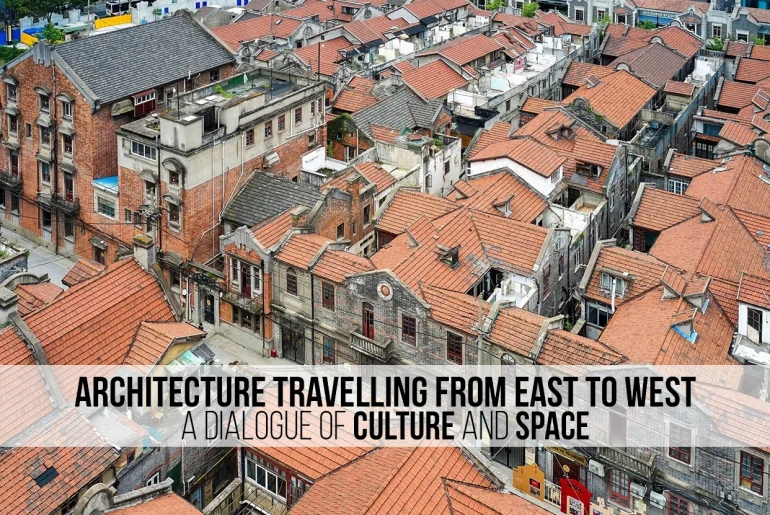
Architecture has always been one of the most powerful storytellers of human movement, of trade, migration, conquest, curiosity, and cultural exchange. While much of architectural history is narrated through the…
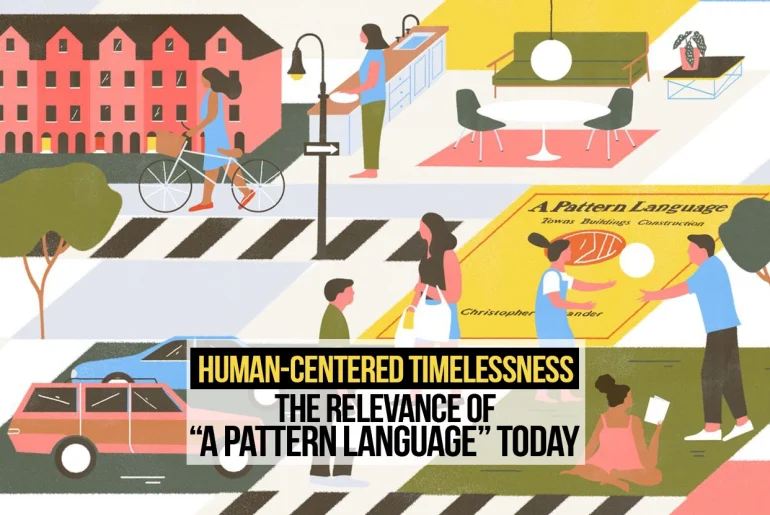
When Christopher Alexander, along with Sara Ishikawa and Murray Silverstein, published A Pattern Language in 1977, they proposed something that architecture had long forgotten: that the built environment must grow…
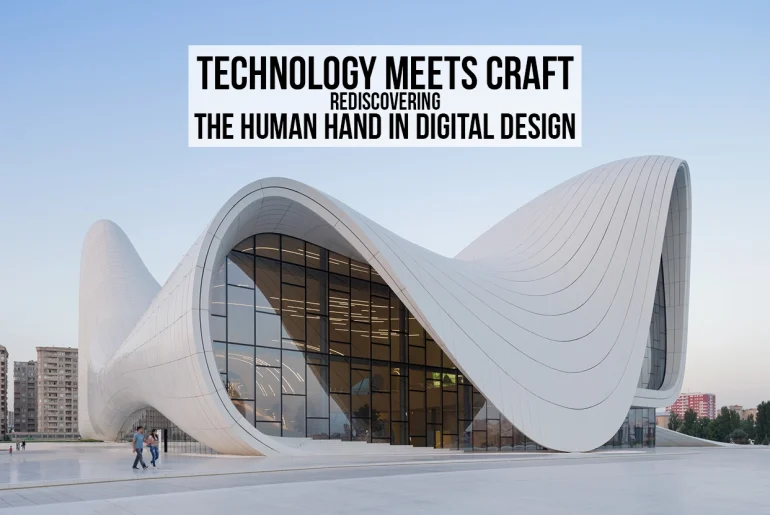
In today’s world, creativity and innovation are rapidly changing to keep up with new technologies and changes within our society. The fast growth of digital tools and technology has resulted…
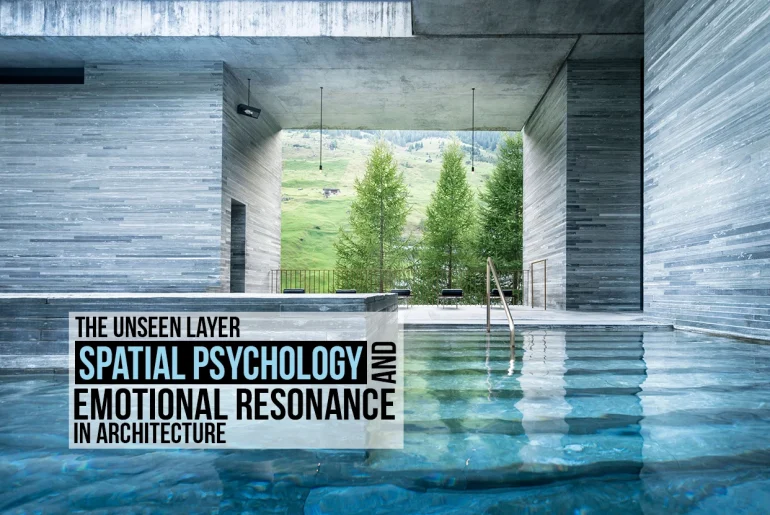
Behind every wall and corridor, architecture hides a subtle but powerful dimension: the emotional and psychological impact of space on its inhabitants. While the visible elements like structure, façade, and…
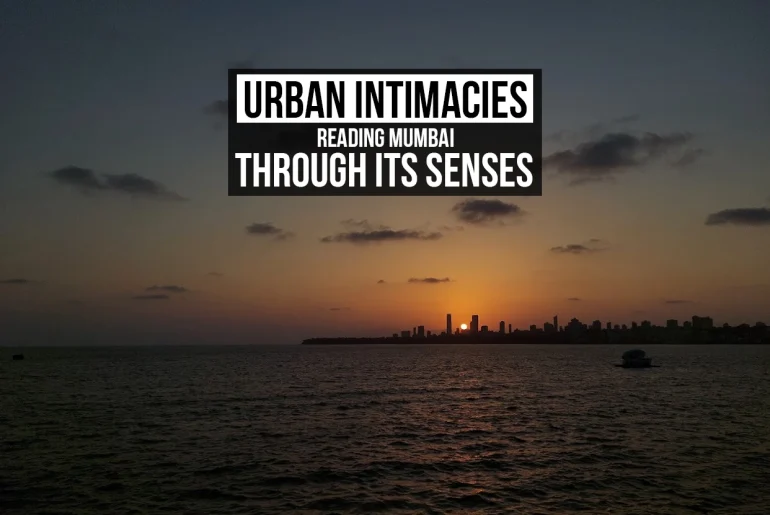
Cities are often understood through their skylines, maps, and monuments, essentially through what we see. Yet what truly defines belonging in an urban landscape is not sight, but the subtler…
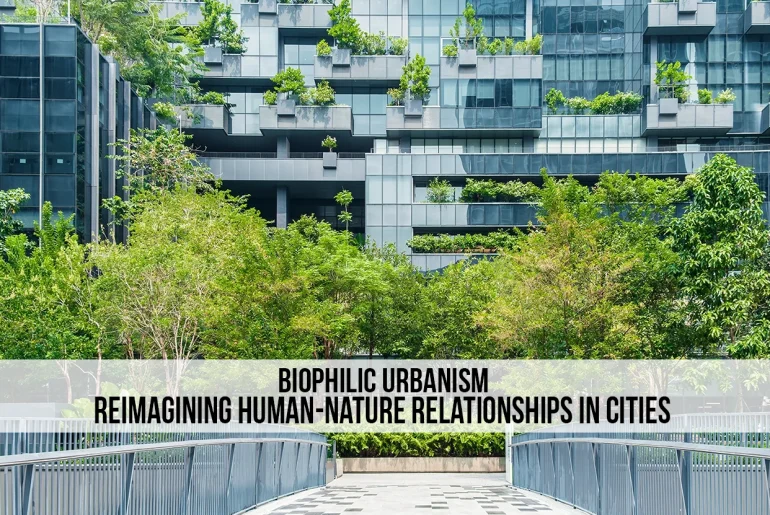
In the past, cities took the approach of adapting to nature by adopting techniques that use natural materials and structures (e.g., organic and vernacular architecture) in the formation of an…