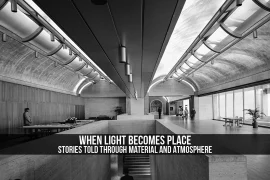
I first noticed it while waiting.
Not the kind of waiting filled with phone-checking and restless shifting, but the kind where your body gives up trying to be elsewhere. The room had almost nothing in it: a stone bench, whitewashed walls, a narrow opening cut into the ceiling. Light slid down that opening like it had nowhere else to be. With nothing competing for attention, time softened. I stayed longer than I meant to.
Pared-down spaces have a way of doing this. They don’t demand; they allow. By reducing what is present, they heighten what remains light, shadow, sound, temperature, breath. Perception slows not because time changes, but because our senses finally catch up with it.
In a world dense with signals, architecture that subtracts can feel almost radical.
Minimal spaces are often mistaken for being empty. But emptiness, here, is not absence, it is intention. When walls are left bare, when materials are limited to one or two elements, when circulation is uncomplicated, the building begins to speak in a quieter register. You become aware of how your footsteps sound, how your eyes move, how long you pause.
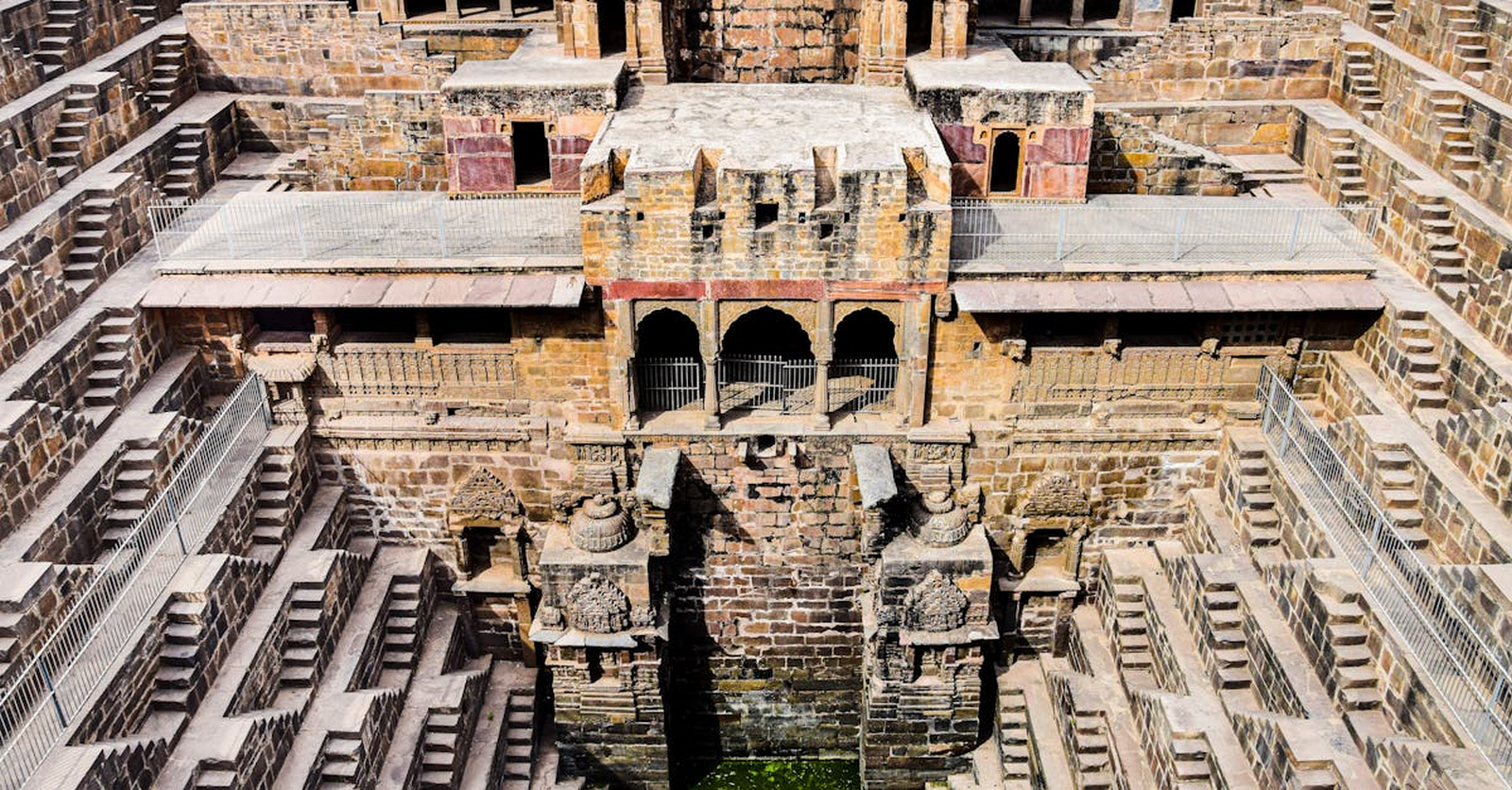
Consider a stepwell in western India. Descending into it, the city noise dissolves layer by layer. Stone steps repeat endlessly, the geometry strict and calm. There is no ornament to distract you, only rhythm and depth. As you move downward, your pace slows naturally. The space asks for it. The body responds before the mind does.
Here, place acts as evidence: restraint can shape behavior as powerfully as instruction.
Pared-down architecture often works through sequencing. What you notice first matters. A long, blank wall might greet you before an opening reveals itself. A dim corridor may precede a sudden wash of light. These transitions guide perception gently, allowing the eye to adjust, the body to recalibrate.
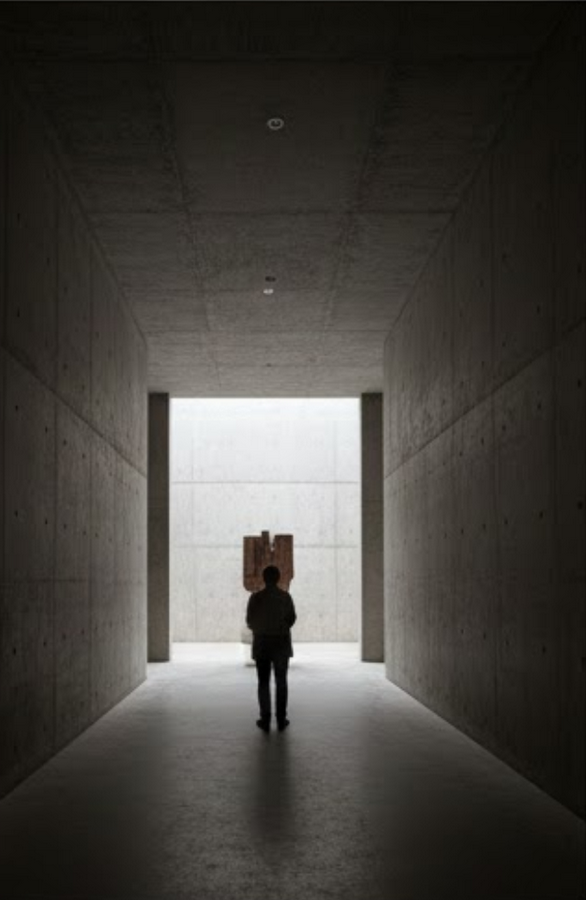
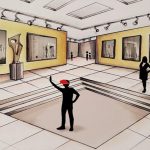
In museums designed with restraints, thick walls, limited materials, controlled light art is not overwhelmed by architecture. Instead, the building fades into a steady background, like silence between notes. You notice how long you stand in front of a single object. You read labels more carefully. You stop rushing to the next room.
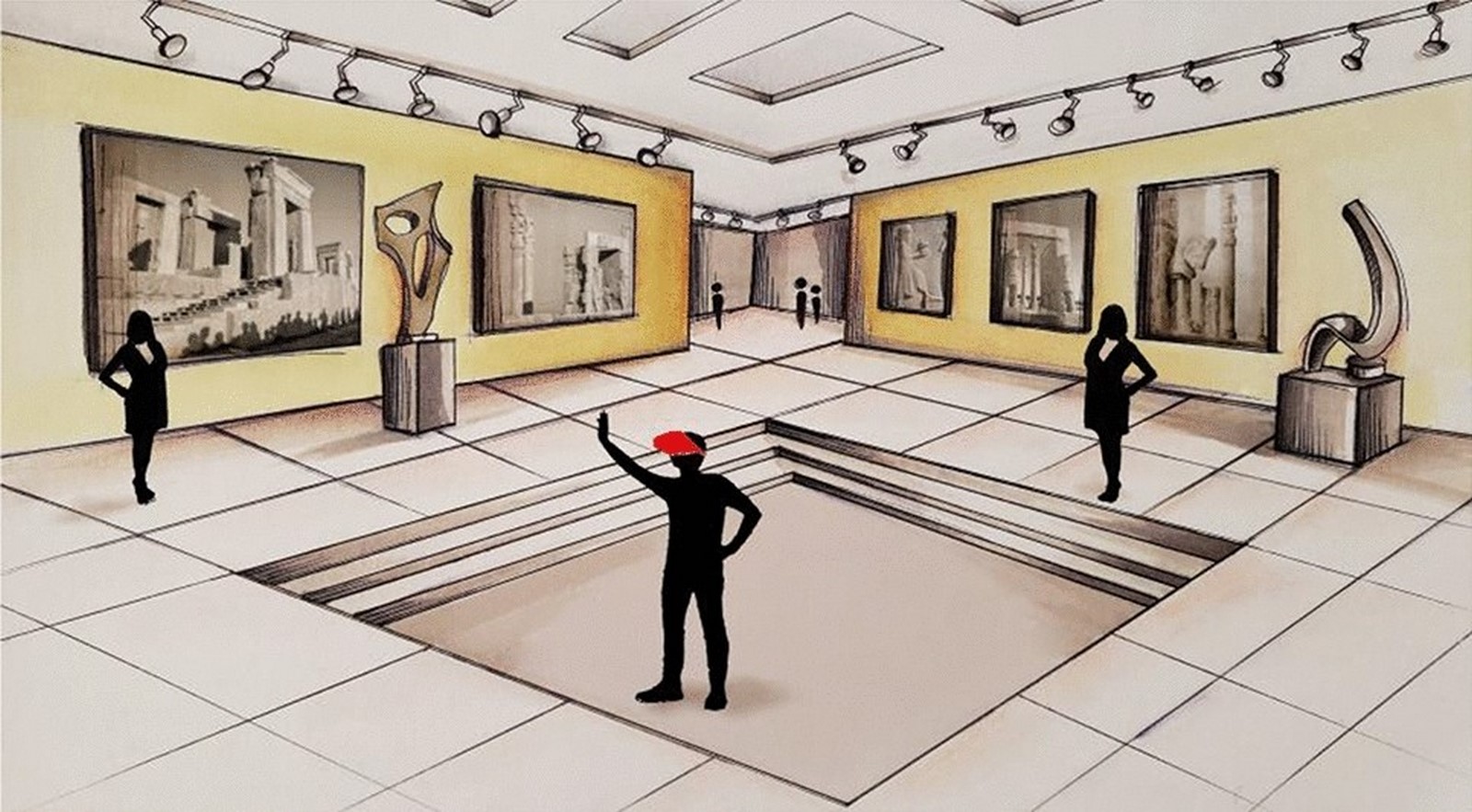
The slowness here is not imposed; it is invited.
This approach also reveals a deeper relationship between pared-down spaces and memory. Spaces that do less often stay with us longer. Because they don’t overload the senses, they leave room for personal association. You remember the quality of light rather than the color of the paint. You remember the coolness of the stone on your back, the echo of a footstep, the way air moves.
In contrast, overly programmed spaces tend to flatten the experience. When everything is explained, labeled, decorated, and activated, there is little left for the visitor to discover. The pace is fast because the message is loud.
Minimal spaces trust the occupant. They assume attentiveness.
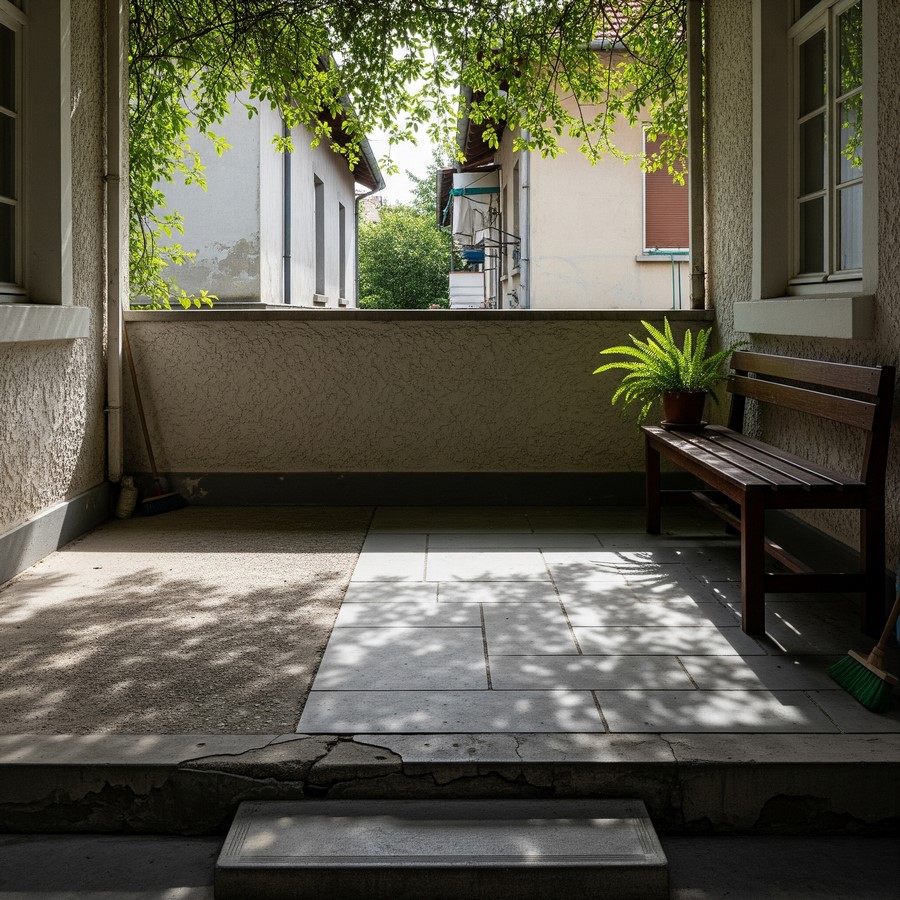
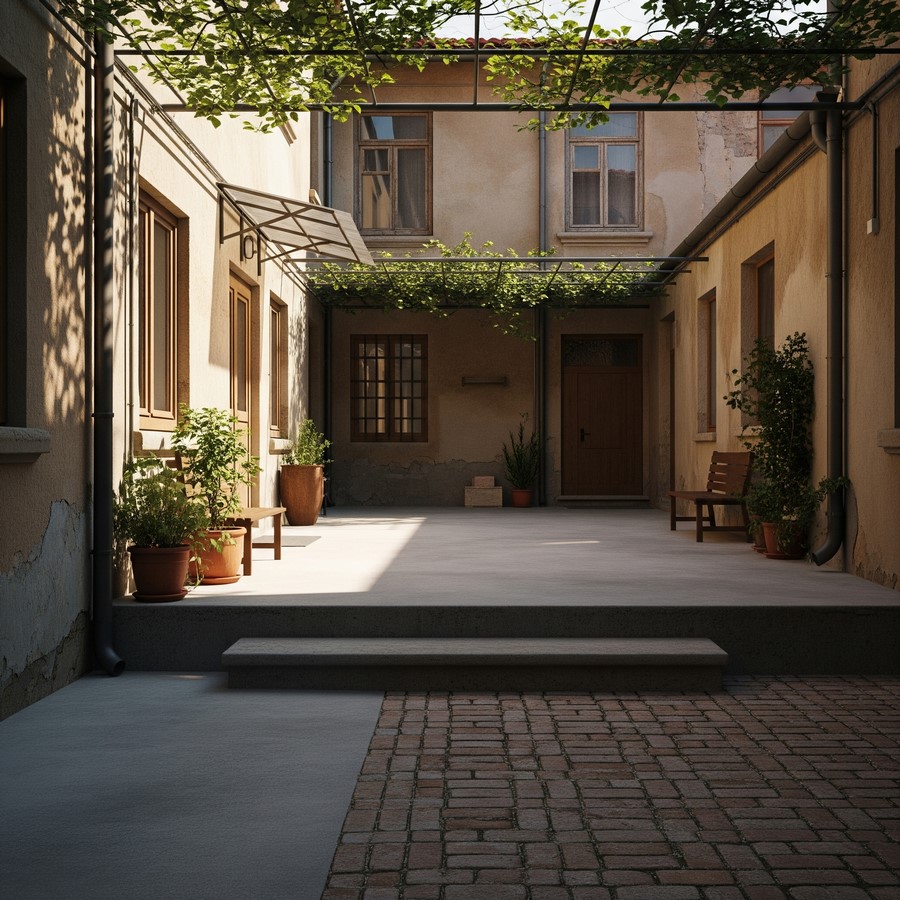
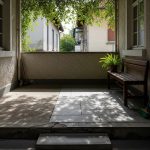
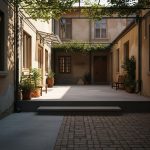
This trust is especially powerful in everyday architecture. A quiet courtyard between dense housing blocks can slow an entire neighborhood. A simple threshold, a low step, a change in floor texture can mark the transition from street chaos to interior calm. Even a shaded verandah with no furniture other than a ledge can become a place of prolonged sitting, watching, and thinking.
These are not monumental gestures. They are spatial pauses.
By stripping away excess, such spaces reframe the ordinary. A tree becomes more noticeable. A breeze becomes an event. The sound of children playing carries further when there is less visual noise competing with it.
Of course, pared-down does not mean universal. What feels calm in one climate or culture may feel stark in another. Restraint must respond to context, heat, light, material traditions, social habits. A concrete room in a desert behaves differently from a timber space in a humid landscape. Slowness is not a style; it is a relationship between body, space, and environment.
When done carelessly, minimalism can alienate. When done thoughtfully, it grounds.
Perhaps the most important takeaway is this: slowing perception is not about making people passive. It is about making them present. Pared-down spaces give us back our own awareness. They remind us that architecture does not always need to entertain or explain; it can simply hold us, quietly, until we notice ourselves.
In a time defined by acceleration, that might be one of architecture’s most generous acts.