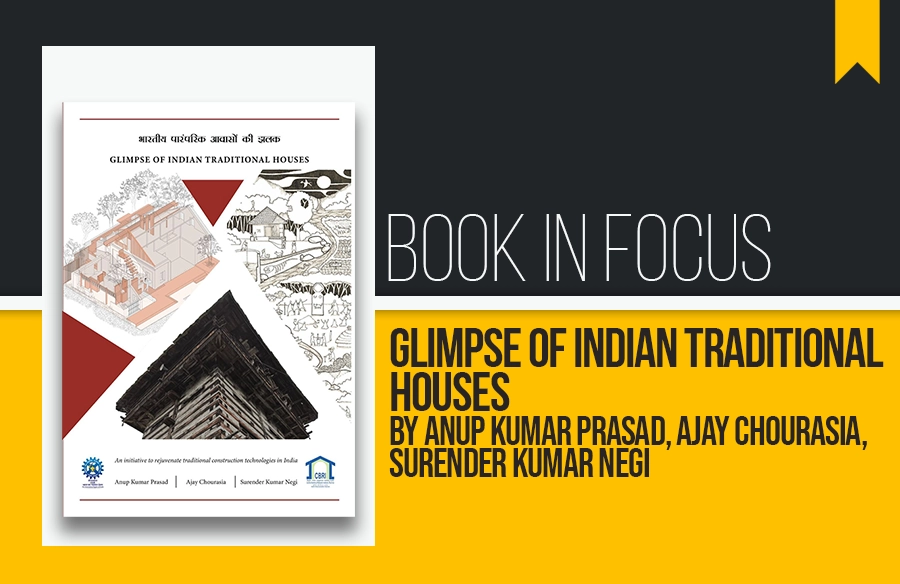
A Review: Glimpse of Indian Traditional Houses
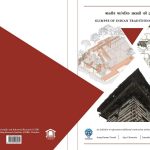
The book “Glimpse of Indian Traditional Houses” by Anup Kumar Prasad, Ajay Chourasia, and Surender Kumar Negi seeks to provide the readers with an engaging exploration of India’s rich architectural heritage presented through traditional houses. This work serves as a valuable guide toward vernacular architecture, emphasizing sustainability, local materials, and climatic adaptability. Readers will find inspiration in how ancient building practices inform contemporary design and sustainable living, and be aware of the deep cultural and environmental wisdom embedded within such constructions.
This publication was developed as a part of CBRI- Competition 2024 hosted by IIT Roorkee, and supported by the Central Building Research Institute (CBRI), Roorkee, giving the book an academic as well as practical grounding.
Overview and Themes
The book discusses the traditional Indian housing that covers the extensive spectrum of climatic conditions hot and dry, warm and humid, cold mountainous and composite climates and shows how native practices were adapted on the local scale to cope with environmental conditions. The material handling, construction methods, space planning, and thermal effectiveness all bring into the limelight the relevance of these past practices to the creation of sustainable structure to the current epochal India.
Authors provide Karnataka and Uttarakhand and Nagaland examples of regions, in which houses are not only physical buildings but also living stories of a symbiotic relationship between culture, climate and community. Every case study is thoroughly contextualized to focus on its geographic and socio-cultural context so that a reader could comprehend the reasons behind the selection of particular materials, roof forms, courtyards, and spatial hierarchies.
One of the strongest topics that can be traced throughout the book is the theme of resilience: how the traditional houses were built to be unassailable to the impact of climatic extremities, the effects of the natural disasters, and the lack of resources without the impact of external energy sources. Modernization of the construction methods is done in a reflective manner, and the potential of the modern construction material and technologies to complement the Indian age old construction wisdom, but not retire them is brought to the table.
Importance of Context and Design
Reminding about local context, climate, resources at the disposal, and cultural peculiarities, the book shows how every architectural style is a particular reaction, which is perfected through centuries. Narratives presented to the readers bring people in touch with the surrounding and bring together community values, rituals, and everyday practices in the design principles.
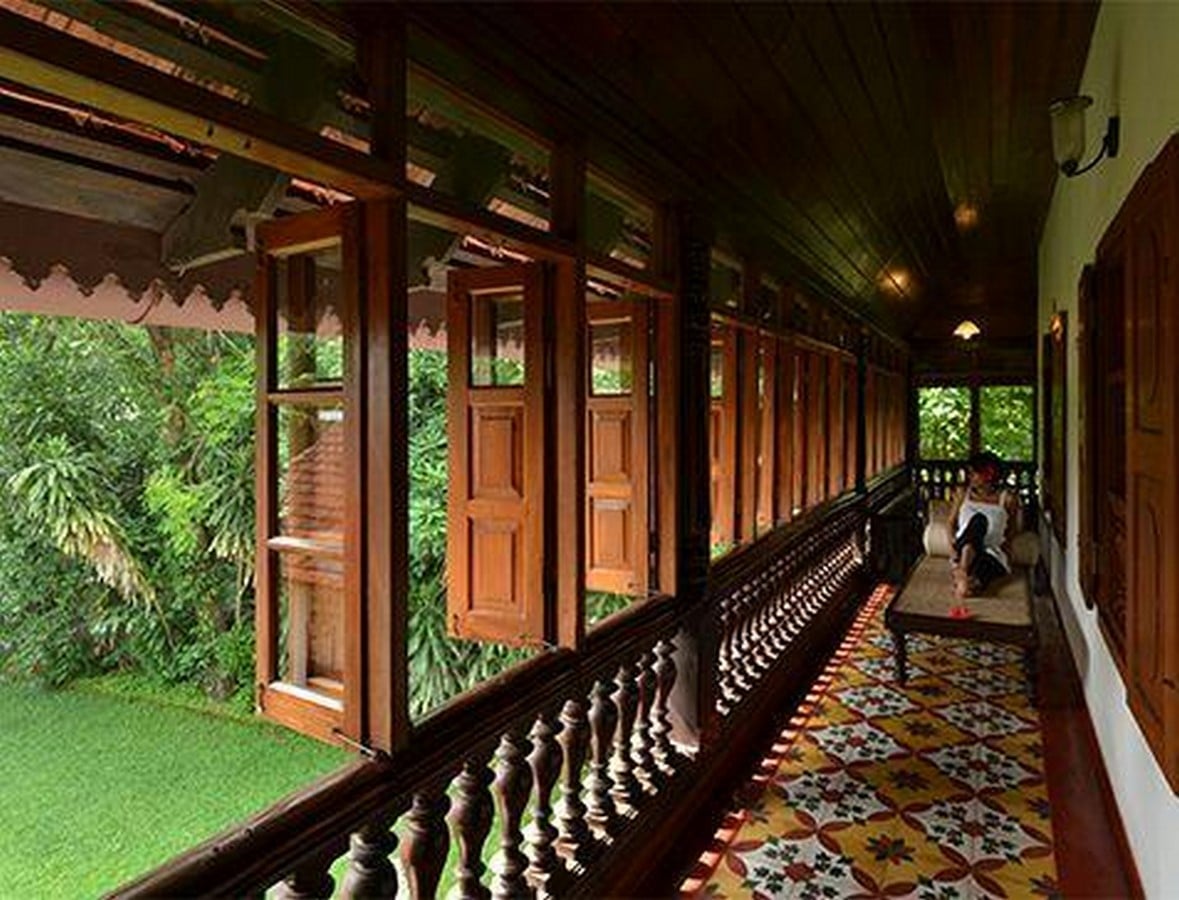
The pictorial and narrational information give the readers an opportunity to value the complex specifications like the methods used in joinery, surface finishes, orientation options and passive cooling mechanisms. In the book, the author has made it clear that traditional houses were not solitary features but were parts of settlemental patterns, social structure, and ecology.
An example of this would be the explanation of courtyard houses which not only address the aspect of ventilation and daylighting in the houses, but also address the social aspect of the houses where people can interact and live together. In the same manner, the analysis of sloped roofs in the area of high precipitation focuses on their effectiveness and resistance to materials.
Learning and Inspiration for Modern Use
The book is a strong voice in favor of the architects, planners, builders, researchers and students in reviving traditional wisdom in the practice of modern buildings. It is not only an accumulator of information but also an invitation to a necessary move towards the reinstatement of construction methods that adapt respect to both cultural identification and local environment.
The authors put forward a sound argument in the face of standardized construction techniques and energy-consuming materials used to use the vernacular buildings to create environmental footprints to learn to minimise the environmental impacts. Real life suggestions at the conclusion of each chapter provide practical information on how old systems like mud construction, bamboo structures, lime plastering and passive control of climates can be realigned to meet the modern needs without affecting the security and comfort.
Interdisciplinary thinking is also promoted in the book with a call to collaborate between architects and engineers, environmentalists and the local people in order to develop context-sensitive and socially inclusive structures.
Writing and Presentation Style
The book achieves a balance between technical analysis and human storytelling in a logical and easy to read type of way. The story is told with ease covering the complicated relationship between the architecture, nature, and society devoid of excessive technical terminology.
The combination of diagrams, photographs, and explanations in a descriptive format helps in deciphering the visual aspects of architecture and proves to be user-friendly to a wide audience. Understanding of construction logic by the authors creates more interest and supports the educative power of the book.
Consequently, this publication is equally appealing and informative to professionals, students, researchers, historians, and interested readers, all of whom might take an interest in the traditional Indian architecture.
Personal Reflection
This book stands out as a sensitive, well-researched, and thoughtfully curated documentation that successfully connects the past with the present. Rather than functioning as a mere catalog of traditional houses, it cultivates a deeper respect for sustainable living through heritage-based knowledge.
The reader emerges with an enhanced appreciation of traditional Indian houses not simply as shelters, but as holistic ecosystems created in harmony with nature, climate, and community. The book subtly instills a sense of responsibility, reminding readers that sustainability is not a modern invention but an inherited legacy.
For anyone interested in understanding how architecture shapes cultural identity and environmental stewardship, Glimpse of Indian Traditional Houses is an enlightening and thought-provoking read that fosters design mindfulness and ecological sensitivity.
The book is available through academic and architectural institutions such as the Central Building Research Institute, Roorkee, which assisted in its publication, for those seeking deeper access to its case studies and insights.
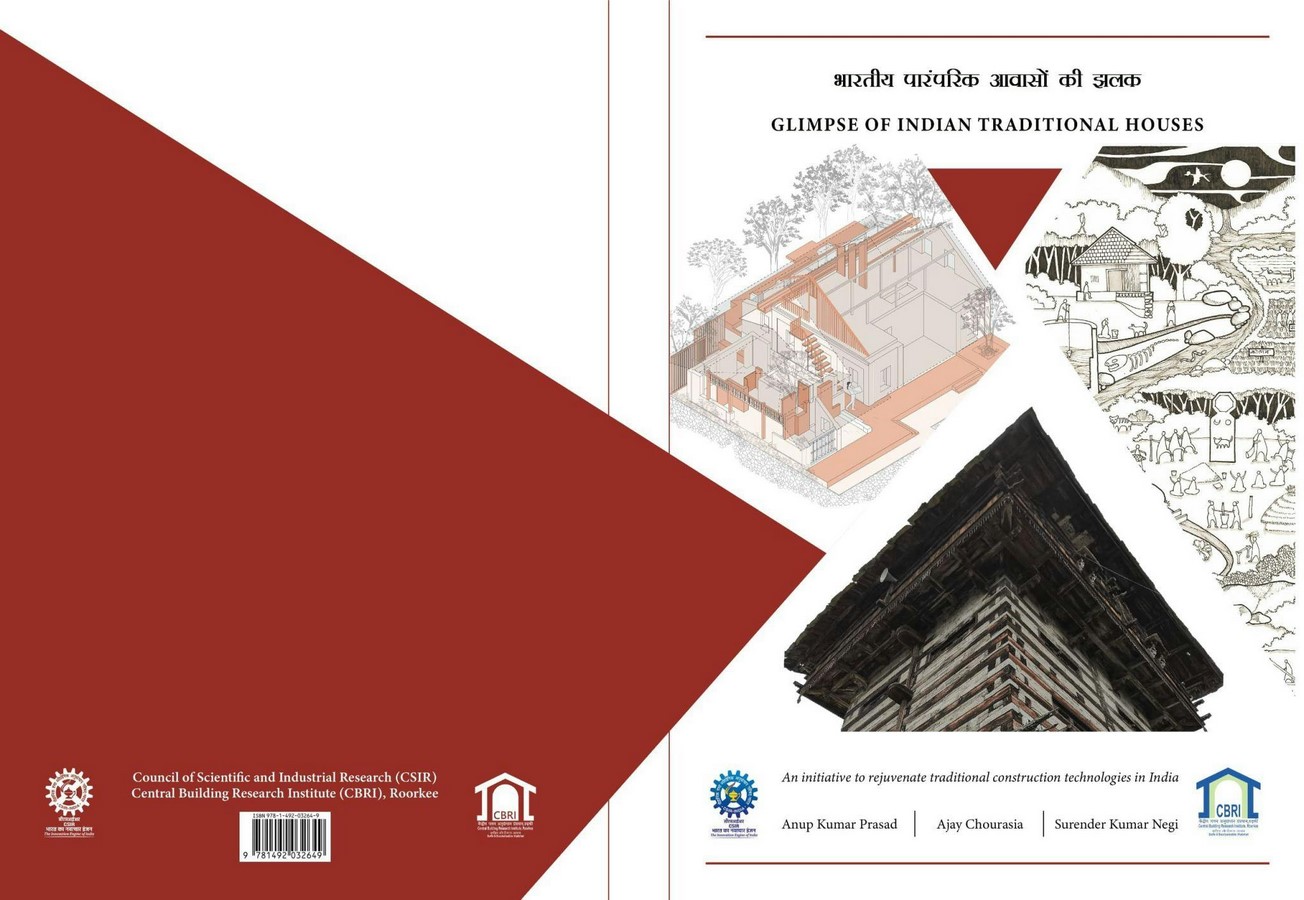
_© Facebook Post: CSIR – Central Building Research Institute post- 10 February 2025_© Facebook Post: CSIR – Central Building Research Institute post- 10 February 2025