Architecture has always been shaped by its time, yet the profession often feels uneasy when asked to predict its future. The idea of trends can appear contradictory to a discipline rooted in longevity, responsibility, and context. Buildings are expected to last decades, sometimes centuries, while trends suggest movement, change, and impermanence. This tension raises an important question. Are architectural trends about forecasting what comes next, or about recognising shifts that are already underway but not yet fully visible?
As 2026 approaches, the conversation around architectural trends feels less about novelty and more about recalibration. Across practices, cities, and building scales, architecture appears to be slowing down, becoming more attentive to climate, material, and human experience. These changes are not sudden or dramatic. They are evolutionary, emerging quietly through design decisions, construction methods, and shifting professional priorities. Rather than offering predictions, the near future of architecture can be understood by observing how the discipline is responding to present pressures.
The trends shaping the coming years are therefore not defined by style, but by values. They reflect a growing awareness of time, responsibility, and the need for architecture to engage more thoughtfully with the world it inhabits.
From Speed to Longevity
In many cities, the short lifespan of buildings and interiors has become increasingly visible. Commercial spaces are frequently renovated, materials are stripped and replaced, and architecture is often designed with an assumption of early obsolescence. This approach has been driven by speed, market cycles, and visual freshness, but it has also led to growing material waste and environmental cost. As climate pressures intensify, this pattern is being questioned from both ecological and professional standpoints.
Current architectural trends point toward a growing emphasis on longevity as a key design priority. Environmental responsibility is no longer addressed only through performance metrics, but through decisions about lifespan, adaptability, and repair. Buildings designed to age well, accommodate change, and remain relevant over time reduce the need for repeated intervention. This is evident in the renewed interest in adaptive reuse, flexible layouts, and construction systems that allow disassembly rather than demolition.
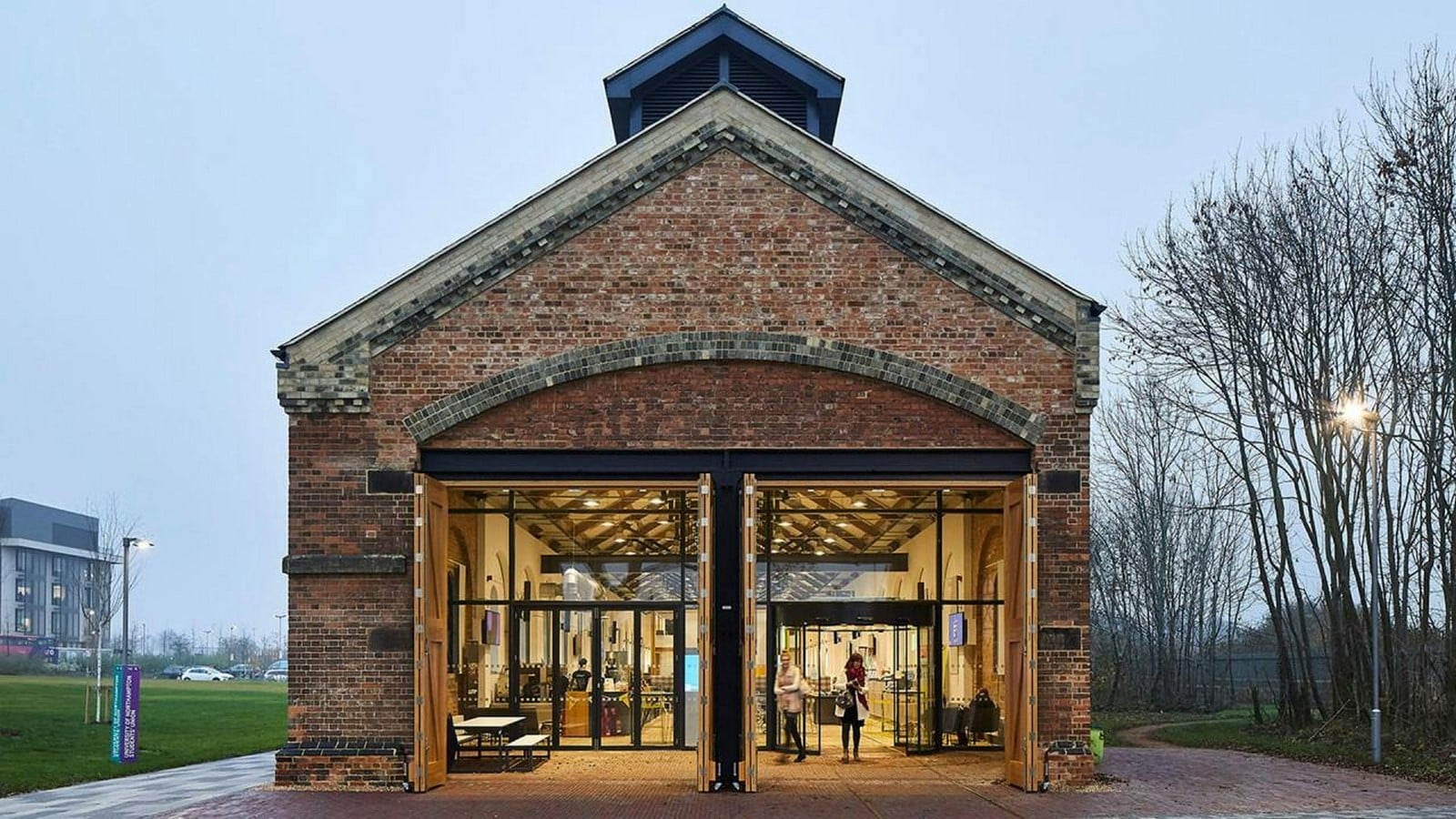
At a practice level, this shift reframes quality. Longevity becomes an architectural value, not just a sustainable outcome. Design decisions begin to prioritise materials that weather gracefully, details that can be maintained, and spaces that evolve with use. In this way, durability moves from being an afterthought to becoming a defining measure of architectural intent.
Climate Intelligence as Design Intelligence
Climate has always shaped architecture, but in recent decades it was often addressed through mechanical systems rather than spatial thinking. Rising temperatures, irregular rainfall, and increasing urban heat have made this approach difficult to sustain. In many regions, especially those facing heat stress and water scarcity, buildings are being forced to respond more directly to their environment. This shift is visible not only in rural or low-tech contexts, but increasingly within dense urban settings as well.
A clearer awareness of climate as a guiding force in design is becoming evident in recent architectural trends. Orientation, shading, ventilation paths, thermal mass, and landscape integration are once again becoming fundamental architectural decisions. These strategies reduce reliance on energy-intensive systems while improving comfort and resilience. In cities experiencing extreme heat, passive cooling measures and controlled daylight are shaping building form more decisively than surface expression.
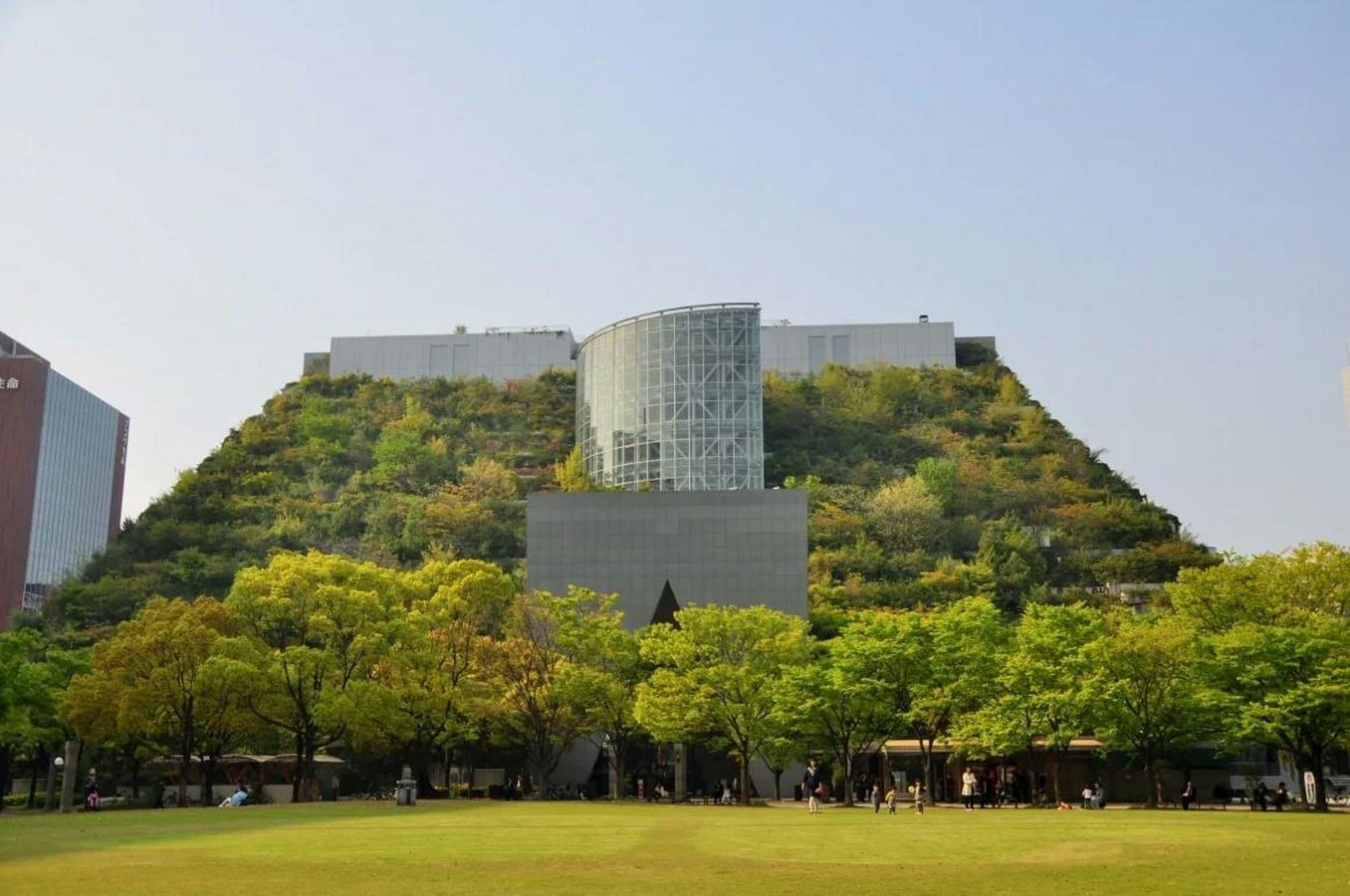
Technology continues to play a supporting role in this transition. Simulation tools, environmental modelling, and smart systems help refine design choices, but they do not replace architectural judgement. Instead, they reinforce it. Climate intelligence in this context is not about rejecting technology, but about placing it in service of spatial logic. Architecture begins to mediate climate through design rather than compensate for it mechanically, marking a clear shift in how buildings are conceived and inhabited.
The Influence of Smaller, More Thoughtful Buildings
Across many cities, some of the most meaningful architectural shifts are emerging from smaller projects rather than large developments. Housing clusters, modest public buildings, and carefully designed commercial spaces are demonstrating how precision and restraint can create strong spatial experiences. These buildings often operate within tight constraints of site, budget, and context, yet they respond more directly to everyday use. Their success lies not in scale, but in clarity of intent and attention to how people move, gather, and occupy space.
Recent architectural trends indicate that insights from smaller interventions are beginning to inform broader design practice. Thoughtful planning, adaptable layouts, and material efficiency are being valued over excess area or visual dominance. In dense urban environments, where space is limited and social interaction is constant, architecture is beginning to prioritise comfort, accessibility, and informal use. Buildings are designed to support daily routines rather than extraordinary moments, allowing them to remain relevant over time.
In contexts shaped by climate pressure, economic constraints, and diverse patterns of use, this approach becomes particularly significant. Smaller buildings often engage more honestly with their surroundings, negotiating scale, shade, ventilation, and street life with care. Their influence suggests a shift in architectural thinking, where refinement and responsiveness matter more than monumentality, shaping how cities grow incrementally and responsibly.
Material Honesty and the Visibility of Construction
Materials are increasingly being asked to do more than perform visually. Their origin, method of assembly, and long-term behaviour are becoming part of architectural consideration. In response, many buildings are moving away from excessive finishes and layered concealment, allowing structure, surfaces, and joints to remain visible. This approach brings clarity to how buildings are made and shifts attention from appearance to process.
There is a growing preference for material honesty, where construction logic remains legible and materials are selected for durability rather than novelty, as reflected in contemporary architectural trends. Exposed concrete, untreated timber, lime plaster, brick, and stone are used not as stylistic gestures but as materials that age with use and time. This reduces dependency on frequent replacement and aligns closely with environmental responsibility. Longevity, once again, becomes tied to how well a building is constructed rather than how it is styled.
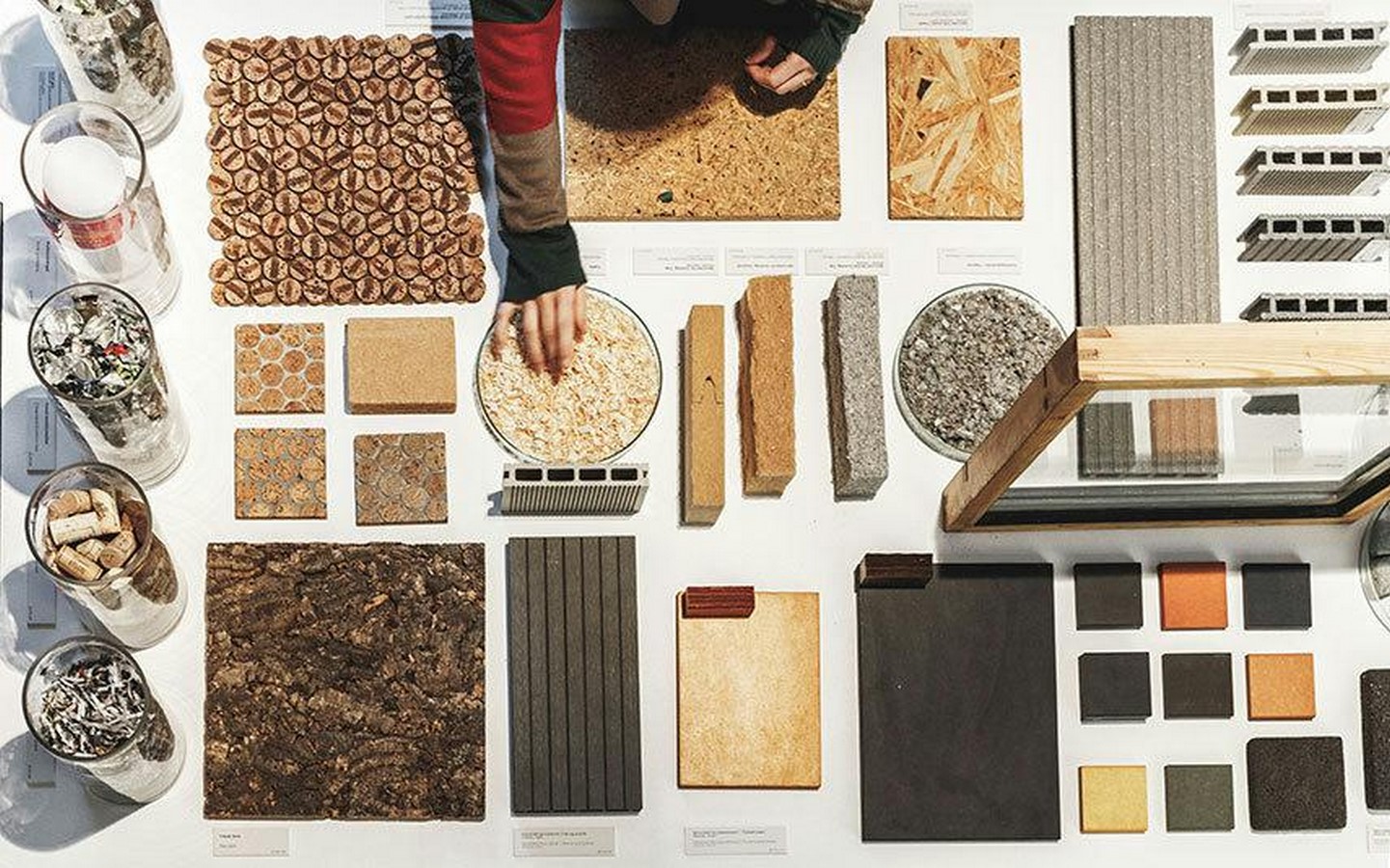
Within this shift, labour gains renewed importance. Making is no longer viewed as a purely technical phase but as a collaborative act involving architects, builders, and craftspeople. Social value emerges through the recognition of skill, effort, and local knowledge embedded in construction. By allowing the process of making to remain visible, architecture acknowledges human presence within the built environment, reinforcing a connection between design intent, social responsibility, and lasting quality.
The Changing Role of the Architect
The role of the architect is gradually shifting away from singular authorship toward a more collaborative and responsive position. Increasingly complex environmental conditions, regulatory frameworks, and social expectations have made it difficult for architecture to be shaped by individual vision alone. Instead, design today unfolds through dialogue between multiple disciplines, where coordination becomes as important as creativity. This shift is less visible than formal change, yet it is reshaping how projects are conceived and delivered.
An expanded view of architectural responsibility, reaching beyond form-making, is gradually shaping architectural trends in practice. Architects are engaging more closely with engineers, climate consultants, fabricators, and local stakeholders, allowing decisions to emerge through shared expertise. Digital tools, including environmental simulation and generative design systems, support this process by offering data-driven insight. However, these technologies act as aids rather than drivers. They enhance judgement but do not replace it. The architect’s role remains rooted in synthesis, interpretation, and ethical decision-making.
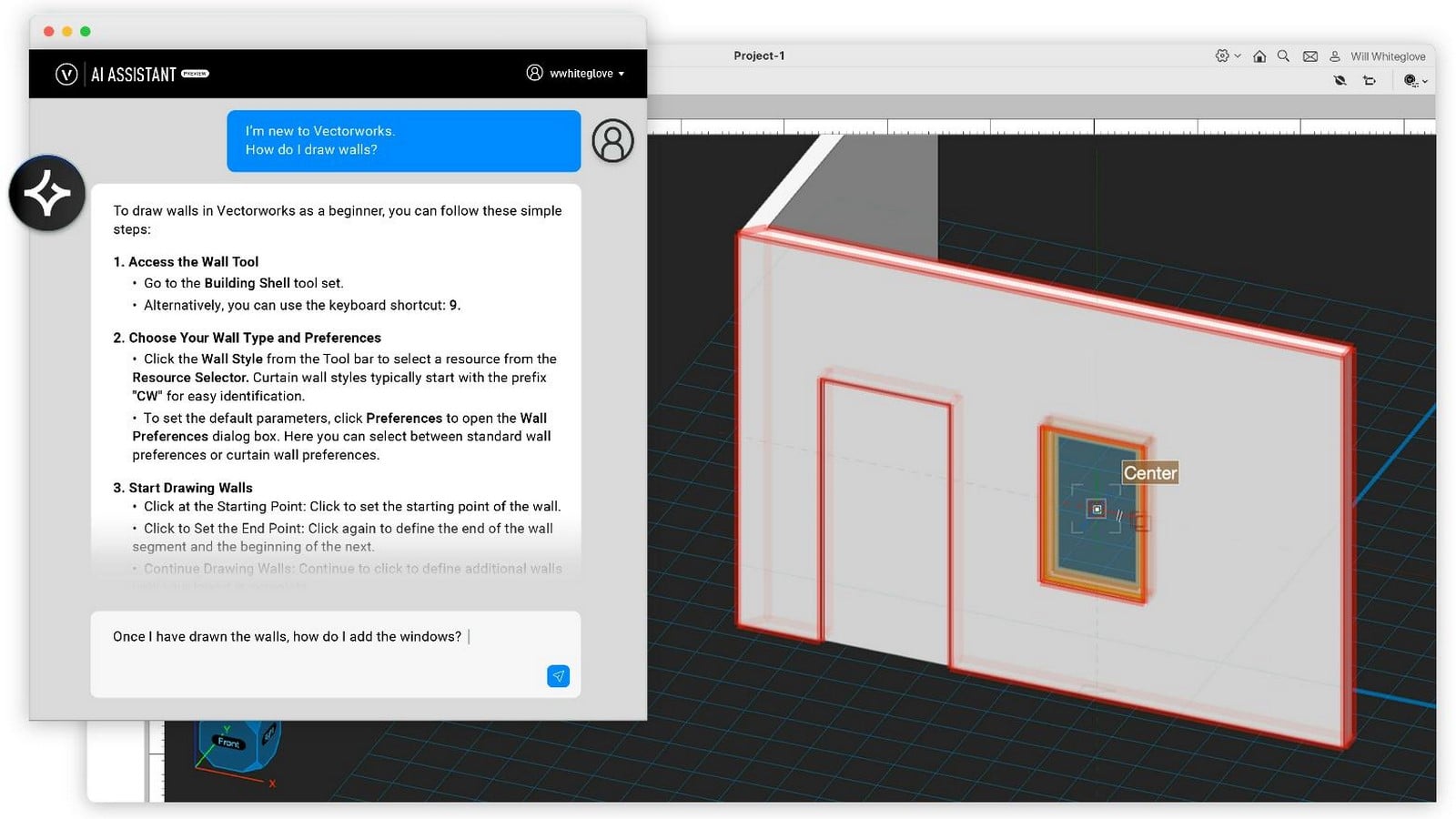
This evolving position encourages a quieter form of leadership. Architects act as mediators between systems, people, and environments, balancing ambition with accountability. Rather than directing outcomes, they shape frameworks within which resilient and meaningful architecture can emerge. In this reflective shift, collaboration becomes a measure of responsibility, and authorship is understood as collective rather than individual.
Architecture Moving Forward with Care
Looking toward 2026, the idea of architectural trends feels less about prediction and more about recognising where the discipline is choosing to place its attention. Rather than signalling abrupt change, the directions emerging today suggest a profession that is slowing down, recalibrating, and responding more thoughtfully to the conditions shaping practice. These shifts are already visible in how buildings are designed, constructed, and inhabited, pointing toward a future grounded in care rather than novelty.
An emphasis on durability, climate-aware design, material honesty, and collaboration can be seen defining architectural trends for the near future. Environmental responsibility is increasingly understood through durability and adaptability, while social awareness is reflected in how architecture engages labour, scale, and everyday use. Technology supports these shifts without dominating them, reinforcing design decisions rather than replacing architectural judgement.
As architecture moves forward, the focus appears to be less on defining what is new and more on refining what is necessary. The outlook toward 2026 feels reassuring rather than disruptive, suggesting a discipline learning to build with greater clarity, responsibility, and attention. In this measured evolution, architecture continues to change not by chasing trends, but by aligning itself more closely with the realities it must serve.