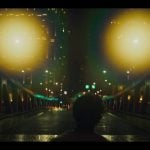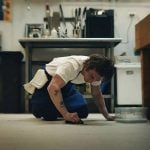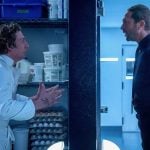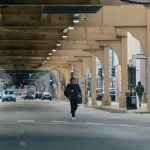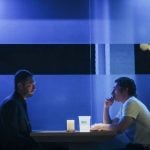
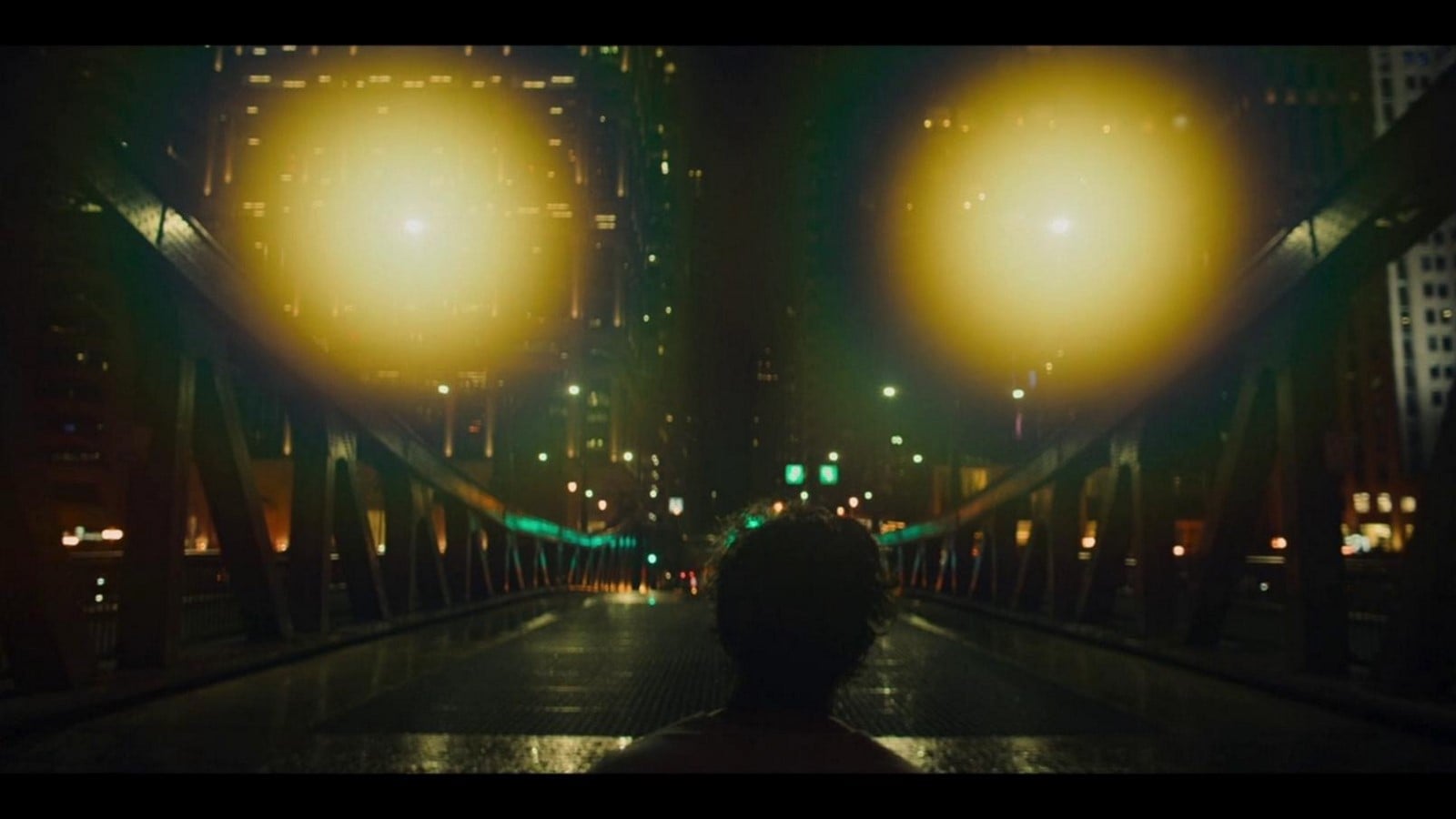
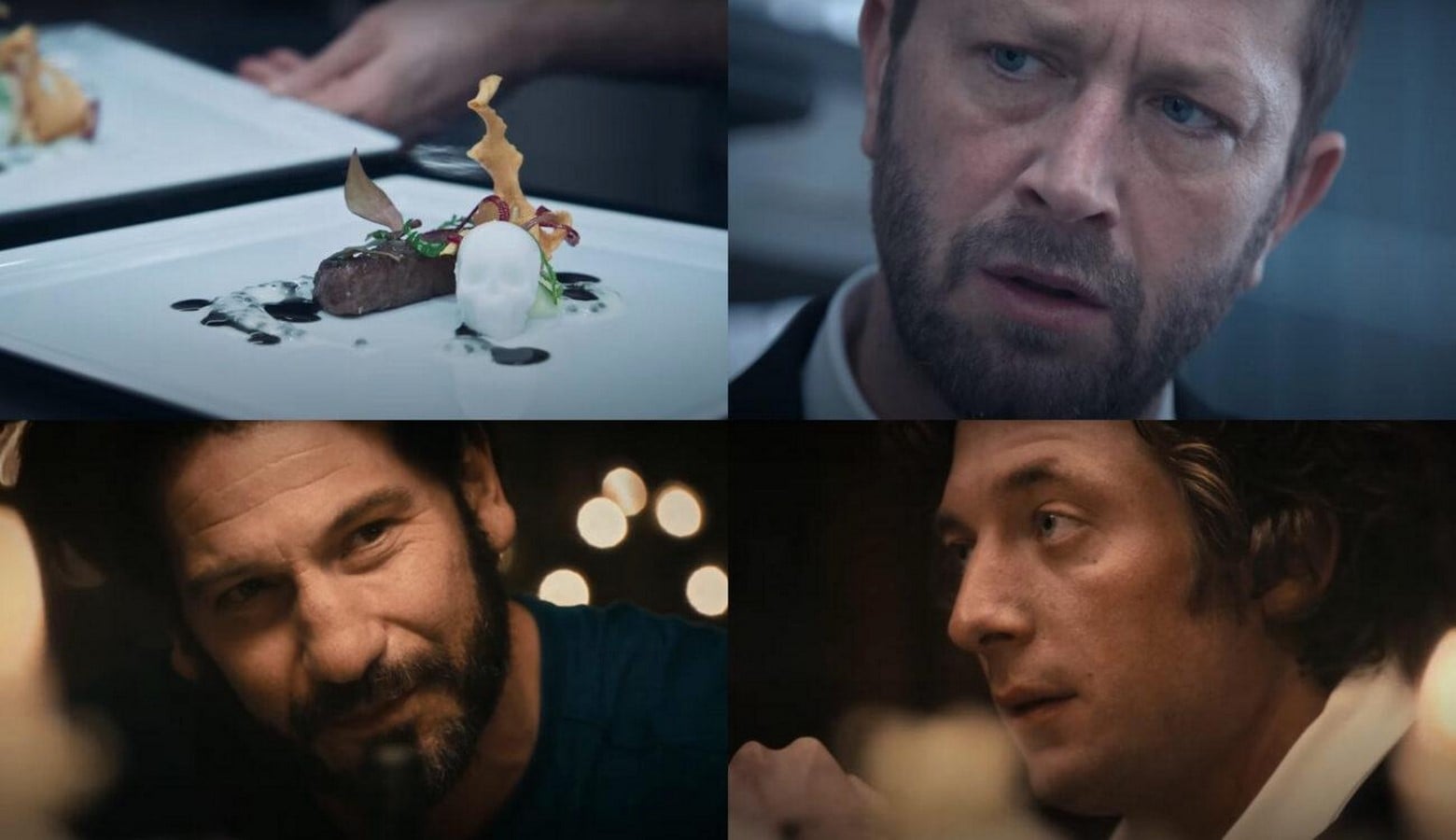
The opening shot of the series sets the tone for the incredible cinematography captured by Adam Newport-Berra, established in the pilot. The show has its own unique flavour, which sets the tone for inevitable chaos and a frantic kitchen environment that follows. It does a brilliant job of capturing the audience’s attention in the first minute.
Throughout the course of its 5 seasons, The Bear has taken the saying ‘Too many cooks spoil the broth’ to new extremes. The chaos that follows is an insolvent business venture trying to stay afloat through the talented Michelin Star Chef Carmen Berzatto (played by Jeremy Allen White). As the show progresses, we see the cast, starring Ayo Edebiri, Ebon Moss-Bachrach, and several character actors and famous guest stars, immerse themselves in the Italian Beef Sandwiches and Michelin Stars, while simultaneously touching on psychological trauma and grief. (“The Bear (1.1) | Movies Filmed in Chicago | One-Shot Wednesdays,” n.d.)
The Bear captures the cut-throat intensity of restaurant life like few shows before it. Yet, beyond the frantic kitchens and relentless pressure, Christopher Storer’s Chicago-set series becomes a larger reflection of the collective anxiety and exhaustion of navigating life in 2022.(“‘The Bear’ Creator Christopher Storer on Capturing Restaurant Culture and Trauma,” n.d.)
The heart of the show – The Kitchen
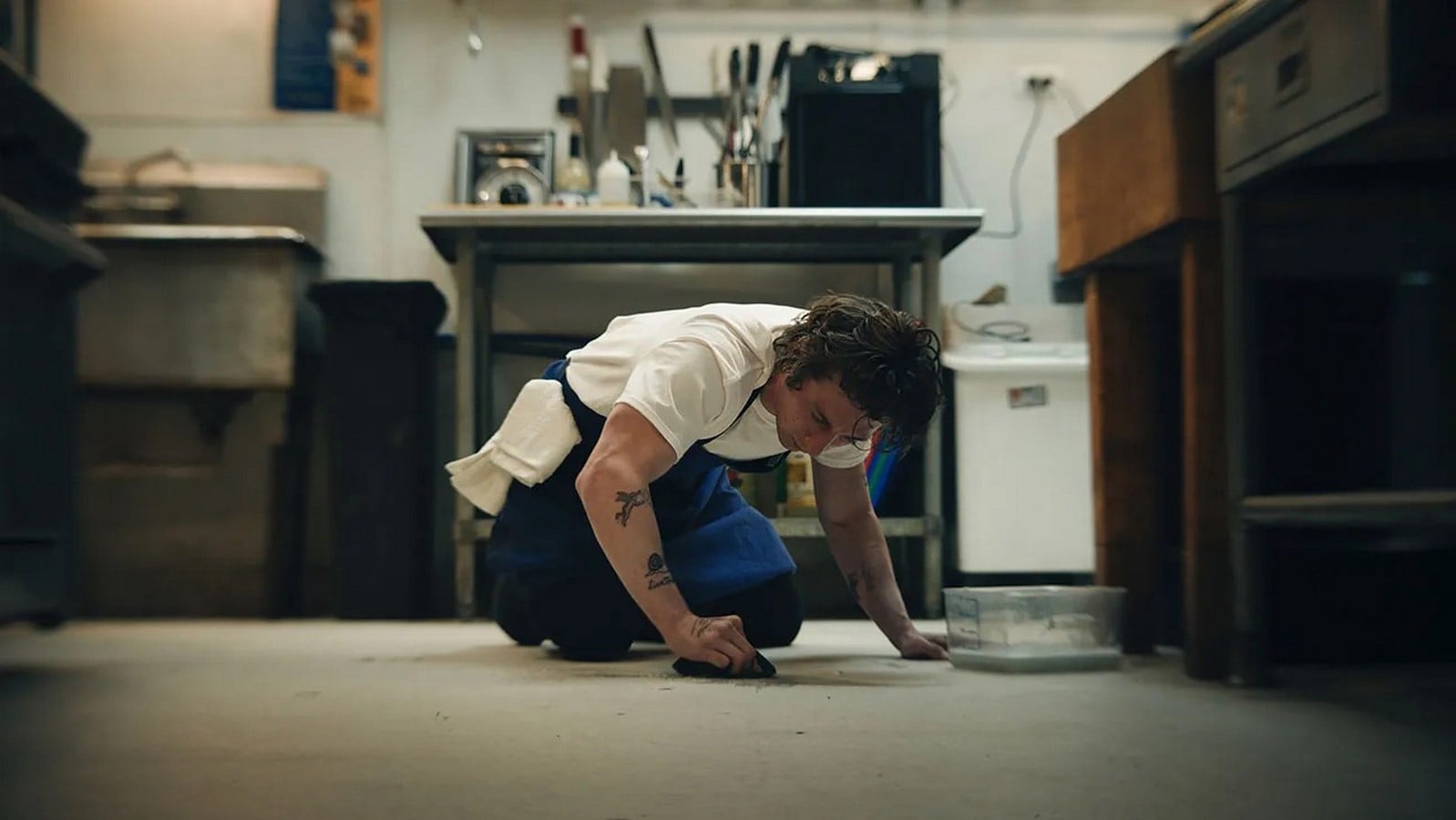
At the heart of this chaotic world is the kitchen. Its evolution from The Original Beef of Chicago to the sophisticated, Michelin-oriented kitchen of The Bear reflects a striking shift in culinary ambition, family expectations, and the restaurant’s identity.
Since most of the cinematography thrives on the chaos that ensued within the scenes, the production team, led by production designer Merje Veski, turned to practical fixes to keep things cooking without disrupting the flow of each episode. Lighting in ‘The Bear’ goes way beyond just being part of the visual experience; it’s embedded within the setting of the restaurant. Practical lighting in the kitchen as well as in dining areas, from under the shelves and in the cabinets to the walls and ceiling storage space. As such, the lighting makes it possible to film the scene almost right away, without having to set up lights before each shot.
Perhaps more importantly, it emphasises the busy nature of the place. Because the lighting is embedded within the architectural design of the spaces, everything seems realistic, functional and always in use. It allows the camera to freely move around in the kitchen while filming and to capture its frantic pace.(“‘The Bear’ Set Uses Practical Production Design, Like Real Lights,” n.d.)
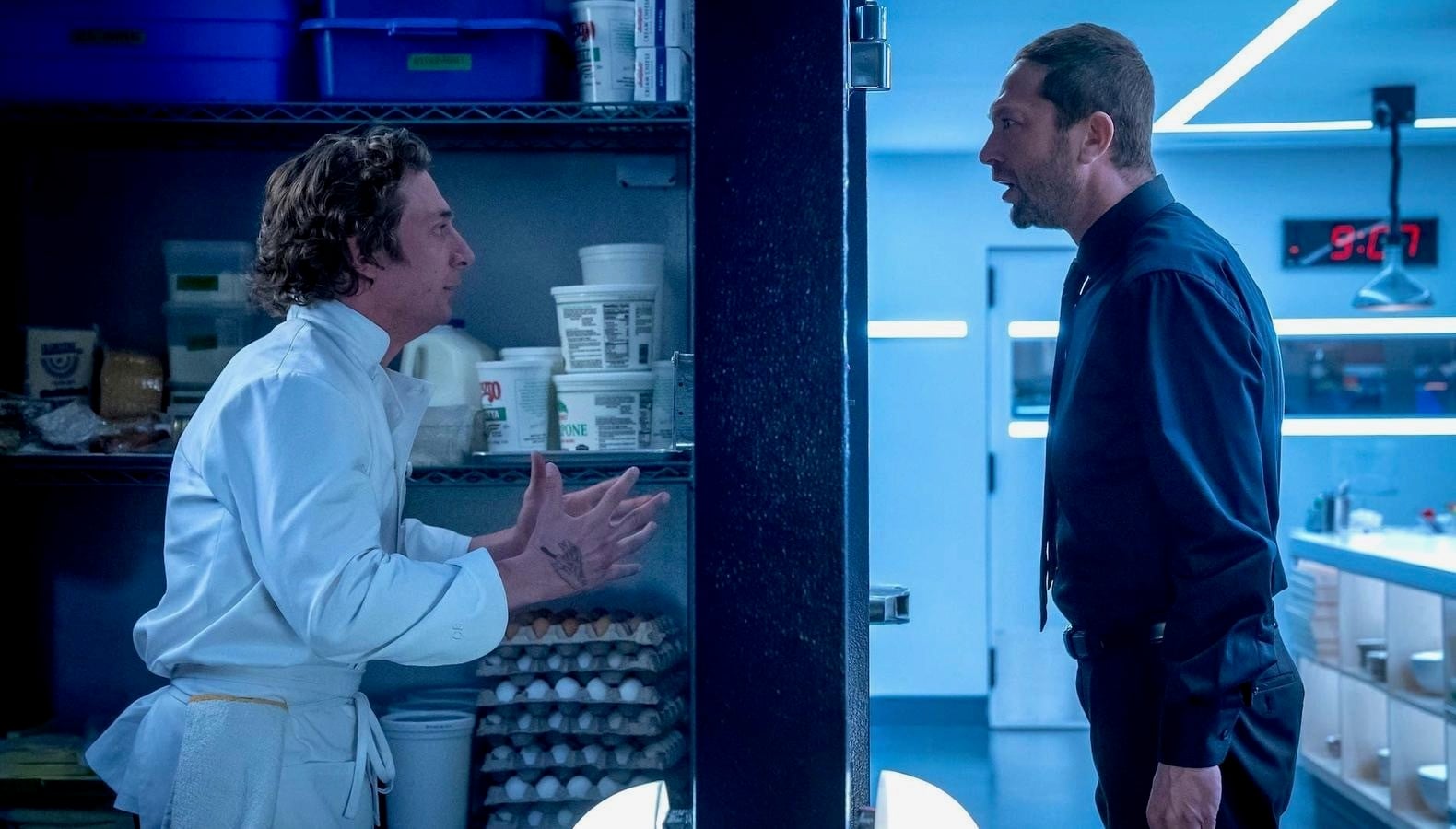 The restaurant set is brilliantly designed, showing a stark contrast between fridge spaces where Carmy breaks down and the kitchen itself where ‘every second counts’. Shots showing this contrast are often divided by a physical yet emotional barrier, which allows the viewers to feel the pressure, grief, and need for perfection all wrapped in one tightly plated dish.
A look into the carefully orchestrated chaos of ‘The Bear’
As difficult as it is for the cast and crew to function in the tightly designed space, it is for the camera crew.
The camera is trapped in the space with the cast. There are takes on end which span minutes, which doesn’t allow the crew or the viewers a moment of calm in the bustling chaos because that is its reality. The camera takes us through the narrow passages, through the confines of each refrigerator and captures every emotion of pressure on the crew.
This ‘efficient’ kitchen unfortunately unfolds to be the embodiment of Carmy’s fears and need for perfection, which is reflected in an ever-changing menu and dysfunctional dynamics.
In the kitchen, quick cuts make viewers see faces, plates with dishes, clocks, ringing phones and flying receipts, thus creating the same sensory experience that the employees have. Outside, however, the rhythm changes dramatically. Longer takes and less fast-paced editing provide viewers with a breath of fresh air. This difference in editing styles is not used to create a contrast; instead, it helps to reveal the emotional state of the characters, drawing viewers into the chaos and giving them a chance to catch their breath when needed.(“‘The Bear’ Cinematography Analysis: Long Takes, Lighting & Lenses,” n.d.)
A Tribute to Chicago
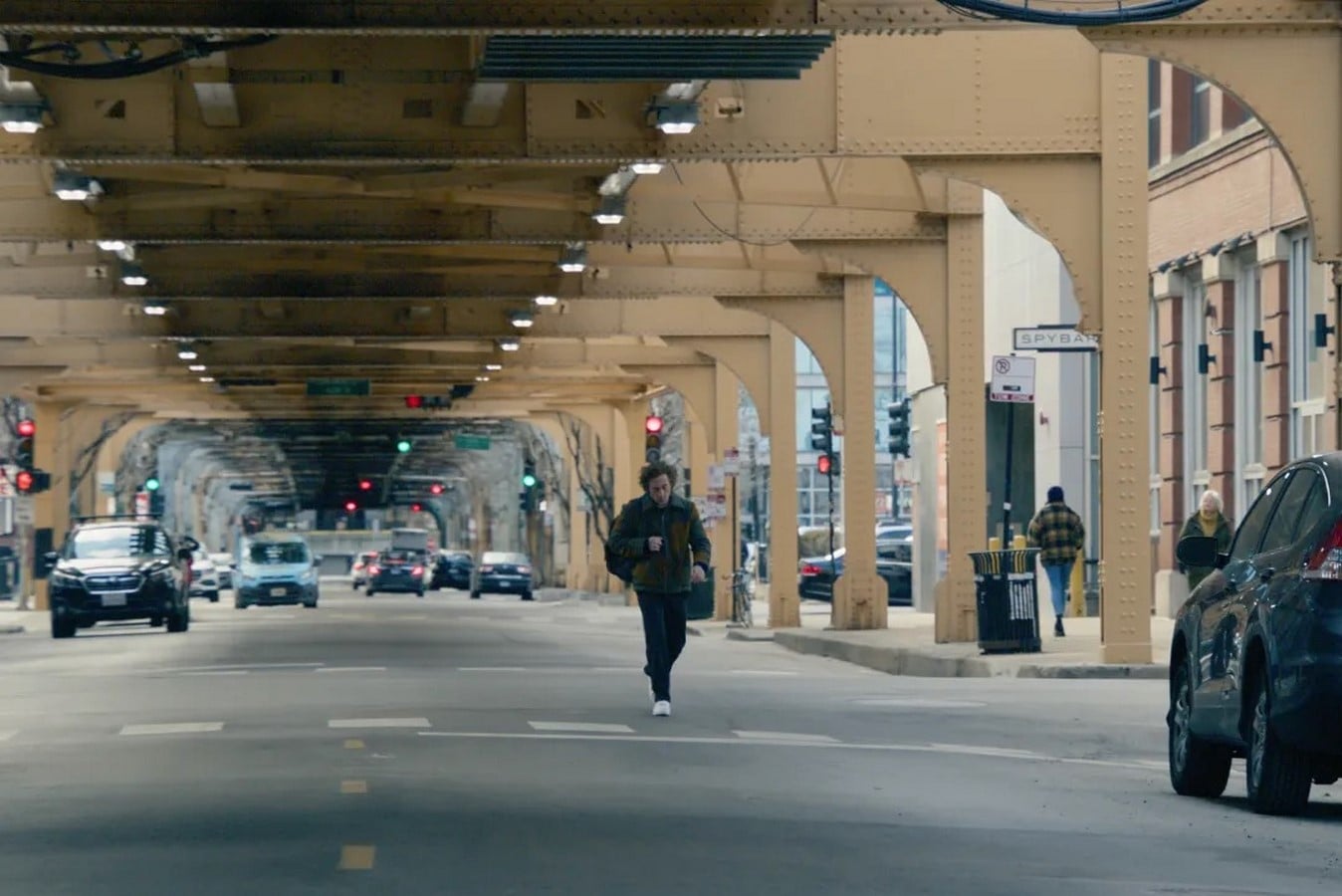
The show showcases raw ambition and struggle – humane and freeing – which is not often seen in Hollywood. This is probably why the setting of the city of Chicago becomes very important, showcasing authentic food, culture and real struggle.
“The Bear” has celebrated Chicago’s food and culture from its first episode. However, while season two and season three emphasized several local eateries and cultural sites, the fourth and fifth seasons have kept the plot close to home, dealing primarily with the personal and professional lives of Chef Carmen and his coworkers in the newly rebranded fine dining establishment, The Bear.
That said, the season still finds plenty of inspiration from the city’s food, wine and culture, as its characters draw purpose from a few standout destinations.
Beyond the interesting food pairings and delicious wines, what truly makes the show real and one that viewers look forward to is its respect for Chicago and the belief that a story like Carmen’s could only be set in Chicago – a city where it could actually happen. (“‘The Bear’ Is Set in Chicago, But Does That Make it a Chicago Show? | Eater Chicago,” n.d.)
Tranquillity amid Chaos – A look into architecture
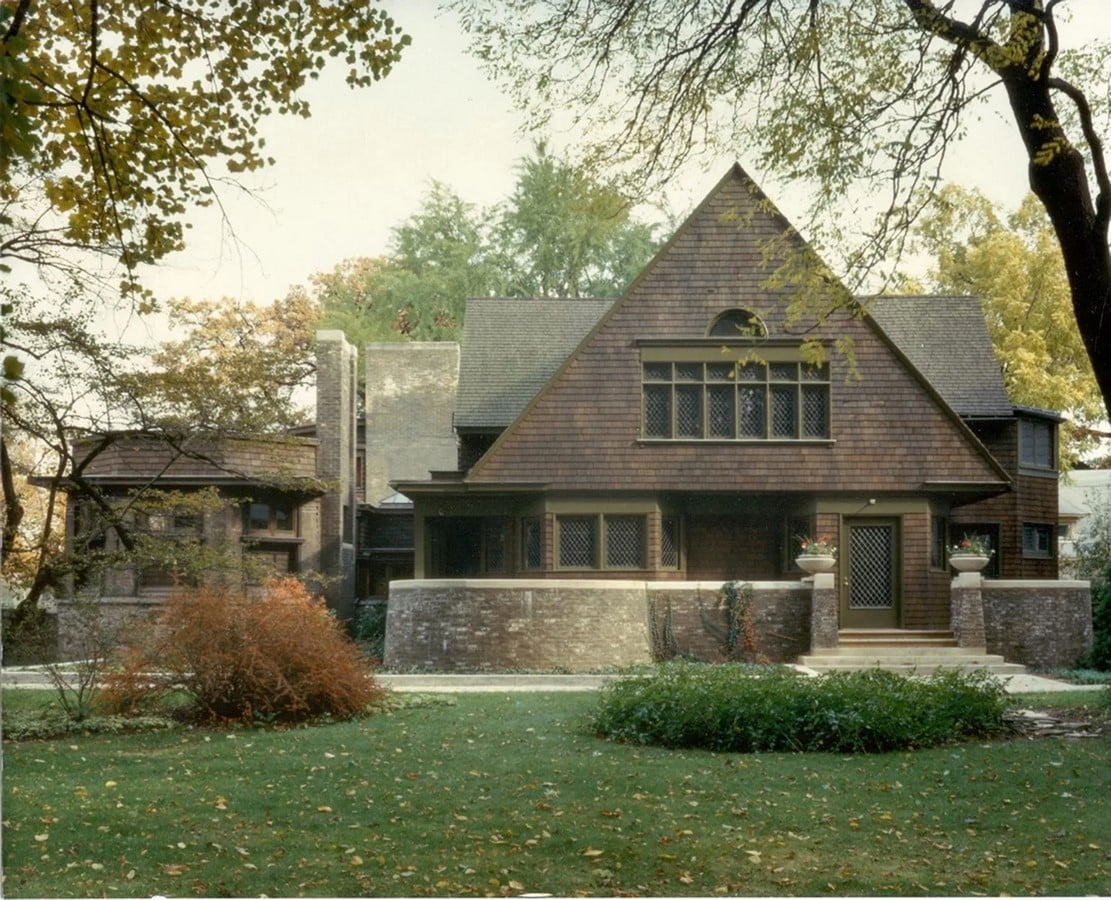
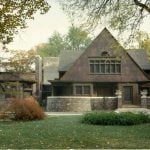
Amidst the rapid movement of The Bear, there is one quiet scene of Carmy visiting the Frederick C. Robie House by Frank Lloyd Wright in Chicago. This scene takes us out of the noise and stress associated with the restaurant and brings us somewhere we can have a bit of peace in an otherwise chaotic setting. It suggests the potential of bringing balance into this demanding world.
Another reason why the mention of Wright might be important here is the way The Bear uses Chicago as the setting of its story. Architecture becomes a significant part of the visual language used in the show because it takes place in a place which has an architectural character. Mentioning Frank Lloyd Wright and including one of his buildings allows the show not only to do the latter, but also to talk about the idea of architecture in general. (“Frank Lloyd Wright’s Famed Oak Park Home Hits the Small Screen on ‘The Bear,’” n.d.)
Why should you watch ‘The Bear’?
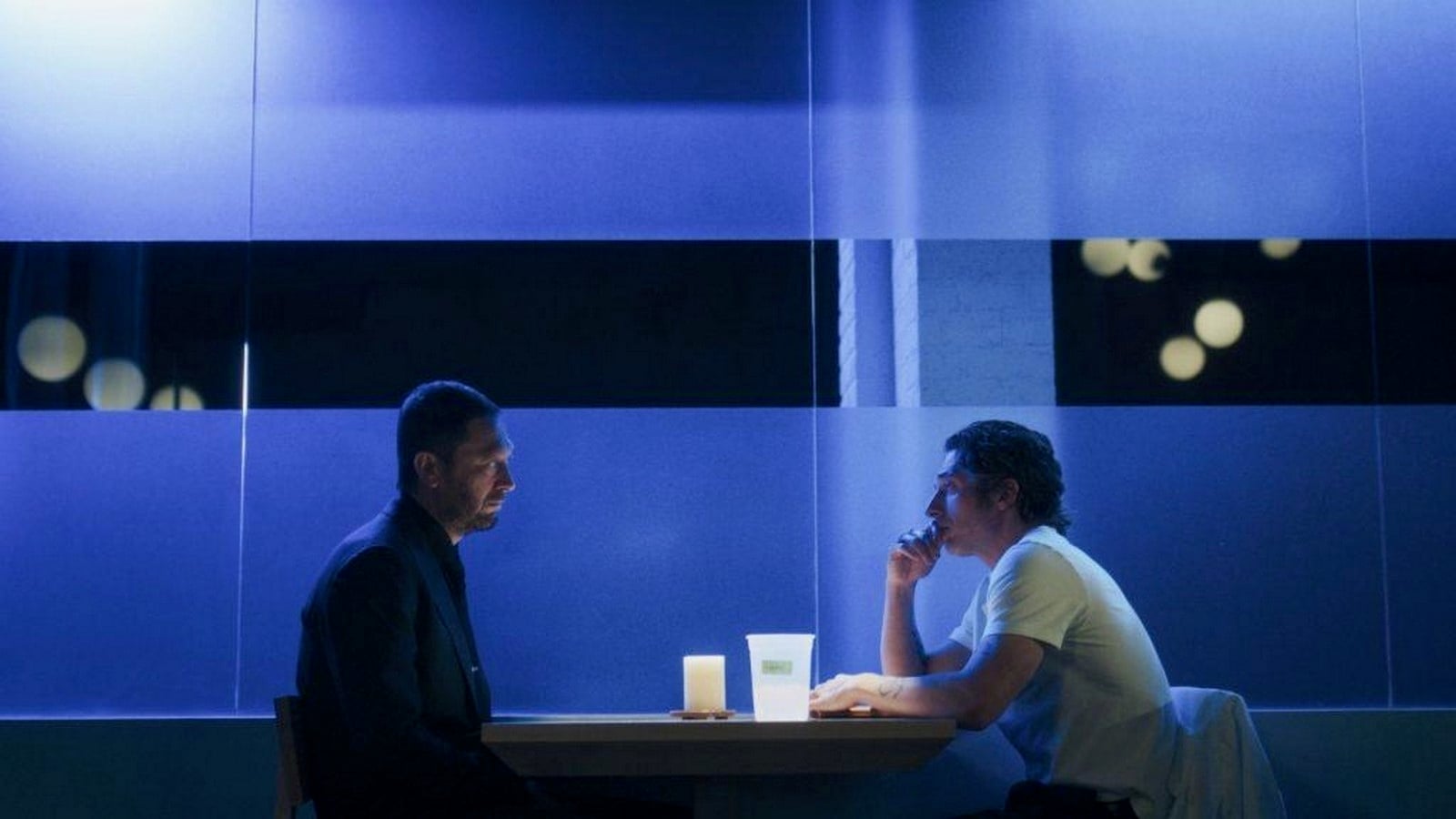
“The Bear’ painfully yet quite simply paints the turmoil each person faces as they pave through life. Be it grief, heartbreak, trauma or death, these wounds cling to the parts of ourselves we never want to visit. How, in today’s world, where everyone is in search of excellence, we often lose the spark that made us who we are. It is a difficult yet heartfelt mirror that the creator puts in front of us, asking us to re-evaluate our choices and let go of the past that haunts us. Let it be a reminder that burying difficulties under the pretence of success only goes so far.
References:
Frank Lloyd Wright’s Famed Oak Park Home Hits the Small Screen on ‘The Bear’ [WWW Document], n.d. URL https://news.artnet.com/art-world/frank-lloyd-wrights-oak-park-the-bear-2666943 (accessed 8.18.26).
The Bear (1.1) | Movies Filmed in Chicago | One-Shot Wednesdays [WWW Document], n.d. URL https://www.chicagomovietours.com/one-shot-wednesdays/the-bear-1-1?srsltid=AfmBOoq7omUo6Qt17omYSnyMlO25xx5QA3BwiSaasL-ku7YxVPEOB9mE (accessed 8.17.26).
‘The Bear’ Cinematography Analysis: Long Takes, Lighting & Lenses [WWW Document], n.d. URL https://www.backstage.com/magazine/article/the-bear-cinematography-explained-77676/ (accessed 8.17.26).
‘The Bear’ Creator Christopher Storer on Capturing Restaurant Culture and Trauma [WWW Document], n.d. URL https://www.esquire.com/entertainment/tv/a40681092/the-bear-creator-christopher-storer-interview/ (accessed 8.18.26).
‘The Bear’ Is Set in Chicago, But Does That Make it a Chicago Show? | Eater Chicago [WWW Document], n.d. URL https://chicago.eater.com/2024/7/19/24201570/the-bear-season-3-chicago-representation-audiences-critics-reactions (accessed 8.18.26).
“The Bear” Set Uses Practical Production Design, Like Real Lights [WWW Document], n.d. URL https://www.indiewire.com/features/craft/the-bear-set-practical-production-design-real-lights-1235199660/ (accessed 8.18.26).