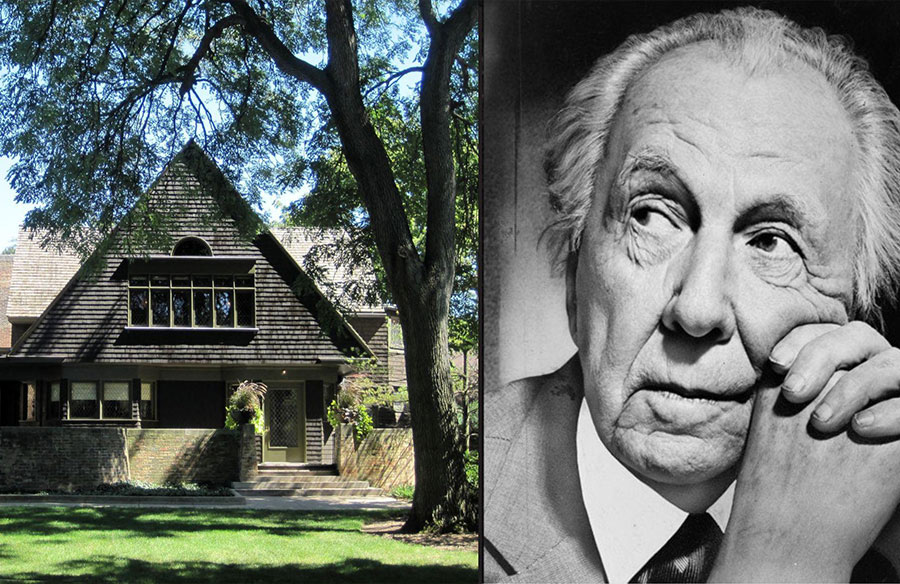
Few architects have left a mark on a city like Frank Lloyd Wright did on Chicago. While his influence continues to shape design conversations nationwide, it was during his time in the Chicago area that Wright’s most formative years unfolded—and some of his greatest architectural innovations were born.
Wright’s Chicago Roots
Chicago was more than just a backdrop for Wright’s career—it was the catalyst. After the Great Chicago Fire of 1871, the city became a hotbed of architectural experimentation. Wright moved to Chicago in 1887, working first with the firm of Joseph Lyman Silsbee and then with Adler & Sullivan, where he absorbed the principle that form must follow function.
In 1893, he established his own practice in Oak Park, a quiet suburb west of the city. Here, Wright began to challenge Victorian excess with a new style of American architecture: the Prairie School. Chicago and its suburbs became his testing ground, studio, and gallery all in one.
A Legacy Built in Brick and Wood
Between the 1890s and early 1910s, Wright designed and built dozens of structures across the Chicago area, many of which remain standing today as architectural landmarks. His early homes moved away from European influences, featuring strong horizontal lines, natural materials, and seamless integration with the surrounding landscape.
Notable Frank Lloyd Wright Works in Chicago and Surrounding Suburbs:
- Home and Studio (1889), Oak Park: Wright’s own home and the birthplace of his Prairie Style, combining Victorian charm with innovative design.
- Unity Temple (1905), Oak Park: A revolutionary use of poured concrete in ecclesiastical architecture, still considered a modern masterpiece.
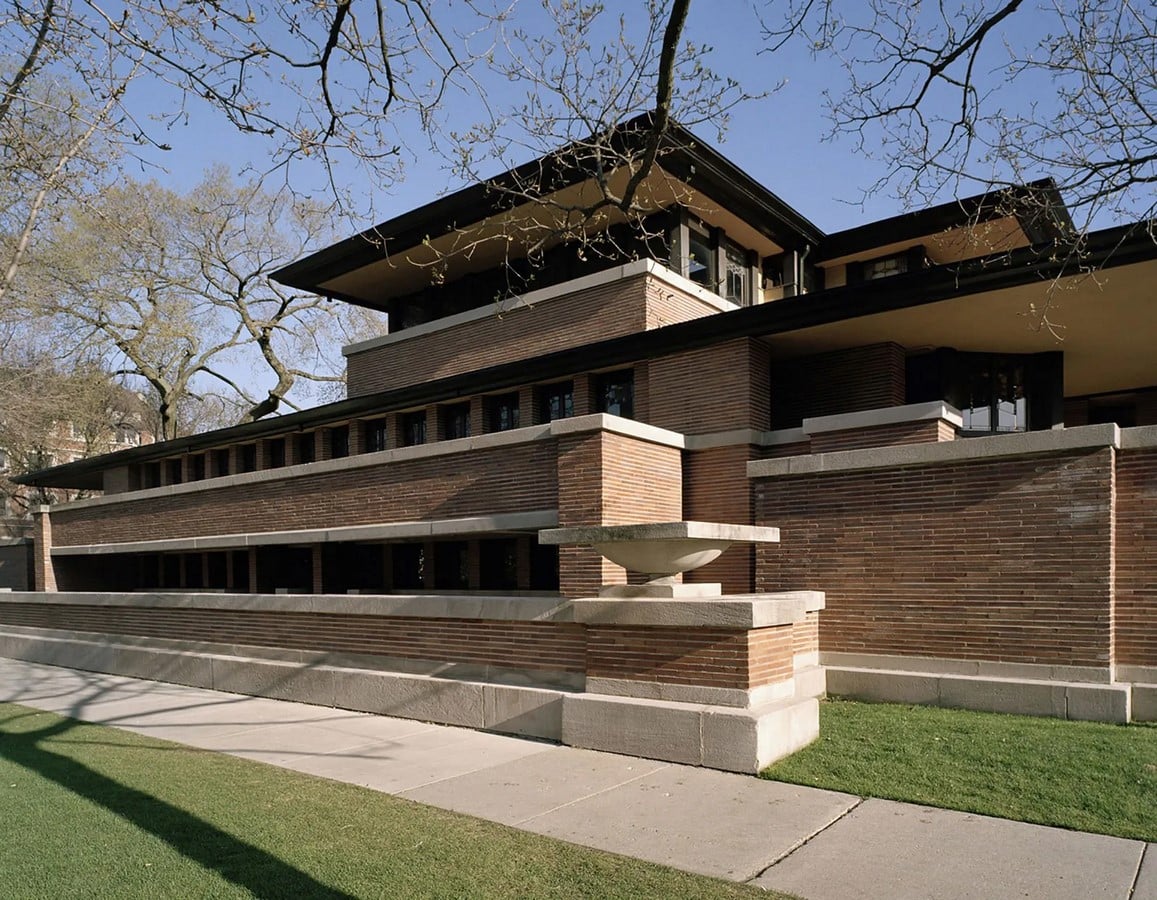
- Robie House (1909), Hyde Park, Chicago: Perhaps the definitive Prairie-style home—open interior plans, cantilevered roofs, and stained glass windows.
- Coonley House (1908), Riverside: A sprawling suburban home noted for its unique floor plan and playful art glass.
- Heurtley House (1902), Oak Park: A bold leap into Prairie design, featuring a prominent horizontal profile and deep overhangs.
- Francis J. Woolley House (1893), Oak Park: One of his earliest solo projects, hinting at future innovations.
- Emil Bach House (1915), Rogers Park, Chicago: A rare urban example of Prairie Style, and one of Wright’s last designs before his move to Japan.
Wright’s time in Chicago wasn’t just productive—it was transformative. The city, and particularly Oak Park, became synonymous with his architectural identity. Over 25 Wright-designed buildings still stand in Oak Park alone, drawing architecture enthusiasts from around the world.
 A Native’s View: Growing Up Among Icons
Wes Bobek, a Chicago native and lifelong admirer of Frank Lloyd Wright’s work, grew up exploring neighborhoods peppered with architectural treasures. From weekend walks past the Robie House to school trips through Oak Park’s historic streets, Wright’s vision was a constant presence.
“I always admired how these homes didn’t just look beautiful—they felt intentional,” says Wes. That admiration stayed with him, eventually inspiring his work in home care and maintenance.
Today, as the owner of House Keep Up, Wes leads a cleaning company that focuses on preserving the character of homes throughout Chicago and nearby suburbs. “Our clients often live in homes with history—some even in Wright-designed or inspired spaces. When they search for house cleaning services in Chicago and nearby suburbs, they’re looking for more than a routine clean—they want someone who understands how to treat these homes with respect. I feel lucky to have been doing my part in helping maintain these architectural gems so they can be lived in and appreciated for generations to come.”
The Modern Challenge: Living in a Wright-Designed or Inspired Home
Design, however, is only part of the story. What often gets overlooked is how these beautiful spaces are maintained. The expansive wooden surfaces, integrated shelving, and floor-to-ceiling windows so central to Wright’s designs can also attract dust, fingerprints, and moisture. Historic homes and Wright-inspired architecture require regular, specialized care to maintain their original character.
This is where function meets philosophy. Maintaining the integrity of such design calls for more than just regular tidying—it demands thoughtful upkeep that respects the materials and vision behind the space.
The Legacy Endures in Brick and Philosophy
Frank Lloyd Wright’s legacy in Chicago isn’t just one of design—it’s one of philosophy. His emphasis on harmony, simplicity, and practicality continues to influence how homes are built and lived in. And while architecture may be timeless, maintaining its beauty takes ongoing care.
For today’s Chicago homeowners lucky enough to live in or near one of Wright’s works—or inspired by them—preserving that legacy starts with understanding it. And that means not only admiring the lines and windows, but also protecting them.
Because in a city shaped by visionaries, maintaining the vision is part of the design.