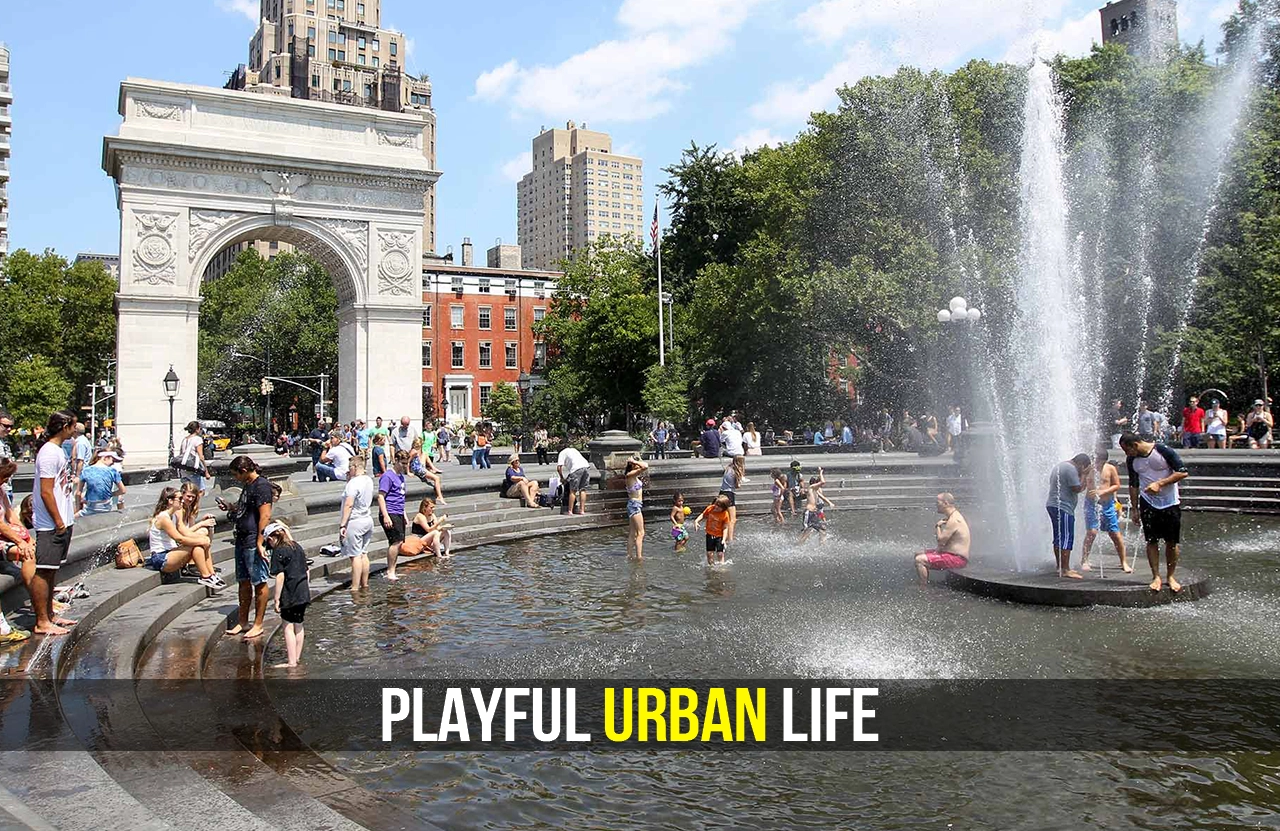
The cities offer opportunities to grow; thus, the future of urban centres needs to be reimagined. Urban spaces encompass buildings, infrastructure, the service sector, employment opportunities, and high population density. When the population migrates to urban areas, they expect a quality of life in return from the system.
History and Evolution
Urban areas feature services that are an identity of the residents in that area. In modernist planning approaches, emphasis was on vehicular traffic rather than pedestrian traffic (Jalaladdini & Oktay, 2012). Due to this, they transformed into inhumane spaces where little thought was given to the pedestrian segment. Moreover, since urban elements are practical, they tend to lack flexibility and creativity (Guo & Li, 2014). Traditionally, urban spaces such as squares were located near important buildings. Soon, the location was convenient between the axes of circulation for users (Ibrahim & Abdullah, 2023). The evolution of urban cities and space allocation in these cities has changed rapidly over time in response to human needs. Innovative strategies and elements have been introduced for the public.
Effects of Urban Spaces
Urban spaces are plugged between tall buildings all over the cities for the public. They are often integrated with city planning, keeping the users in mind. Studies have demonstrated that urban lifestyle has a direct influence on residents’ health (Samavati et al., 2024). Ideally, the successful urban cities are liveable, sociable, and frequently visited with a quality of attractiveness (Samavati et al., 2024). The level of activity and engagement keeps the public revisiting the space. A survey indicated that the public will linger more and feel comfortable if there is a public event in the space (Jalaladdini & Oktay, 2012). Additionally, these spaces lead to social bonding and reflect upon the city’s culture and spirit.
Qualities of urban spaces
The main purpose of urban elements is to cater to the public in guiding them through the city, and provide a place to relax or simply socialise. All these activities can be clubbed under a broader umbrella of routine. The elements are the identity of a city, which is also an important medium of spreading culture, as they depict the regional characteristics (Guo & Li, 2014). Hence, it is vital for urban spaces to feel safe, desirable, and attractive for social activities and cultural exchanges (Jalaladdini & Oktay, 2012). With so many visitors, urban spaces have diverse behaviour, users and activities such as shopping, walking, and festivities (Jalaladdini & Oktay, 2012). Since urban spaces act as a buffer amidst skyscrapers, the citizens desire that it is enjoyable and relaxing.
Suggestions
Cities around the world have begun inserting urban elements. Urban spaces are being designed with cultural and regional elements to reflect their identity. In China, metonyms are being adopted to fit modern designs where the symbol’s significance is consistent with the signifier (Guo & Li, 2014). Colour involves the visual sense, and decorative symbols transmit regional features (Guo & Li, 2014). For example, in Suzhou, the Hui pattern has been adapted for streetlamp design (Guo & Li, 2014).
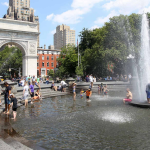
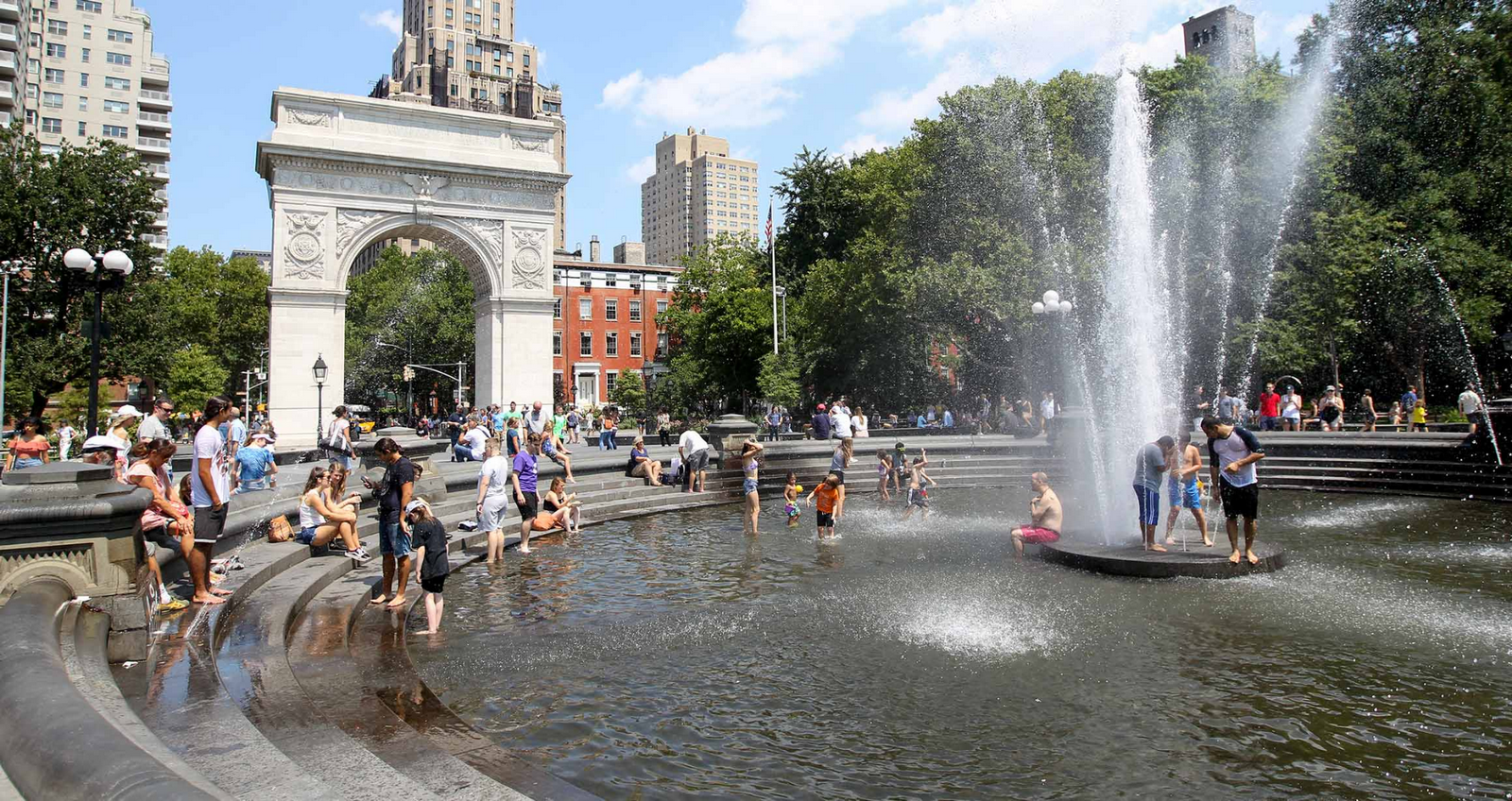
Public squares are congregational spaces where residents come together. Based on the cultural eras, they become an essential part of urban life (Ibrahim & Abdullah, 2023). Urban life includes all the infrastructure as a part of the experience. Sociologists, geographers, and scientists are working towards healed public realms (Jalaladdini & Oktay, 2012). Larger spaces, such as squares, streets, and parks, have more footfall as they offer openness in the middle of the concrete jungle. As times have changed, special attention is being given to the urban experience to enhance the life of inhabitants as well as for statement-making.
Urban elements
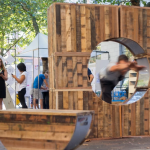
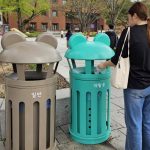
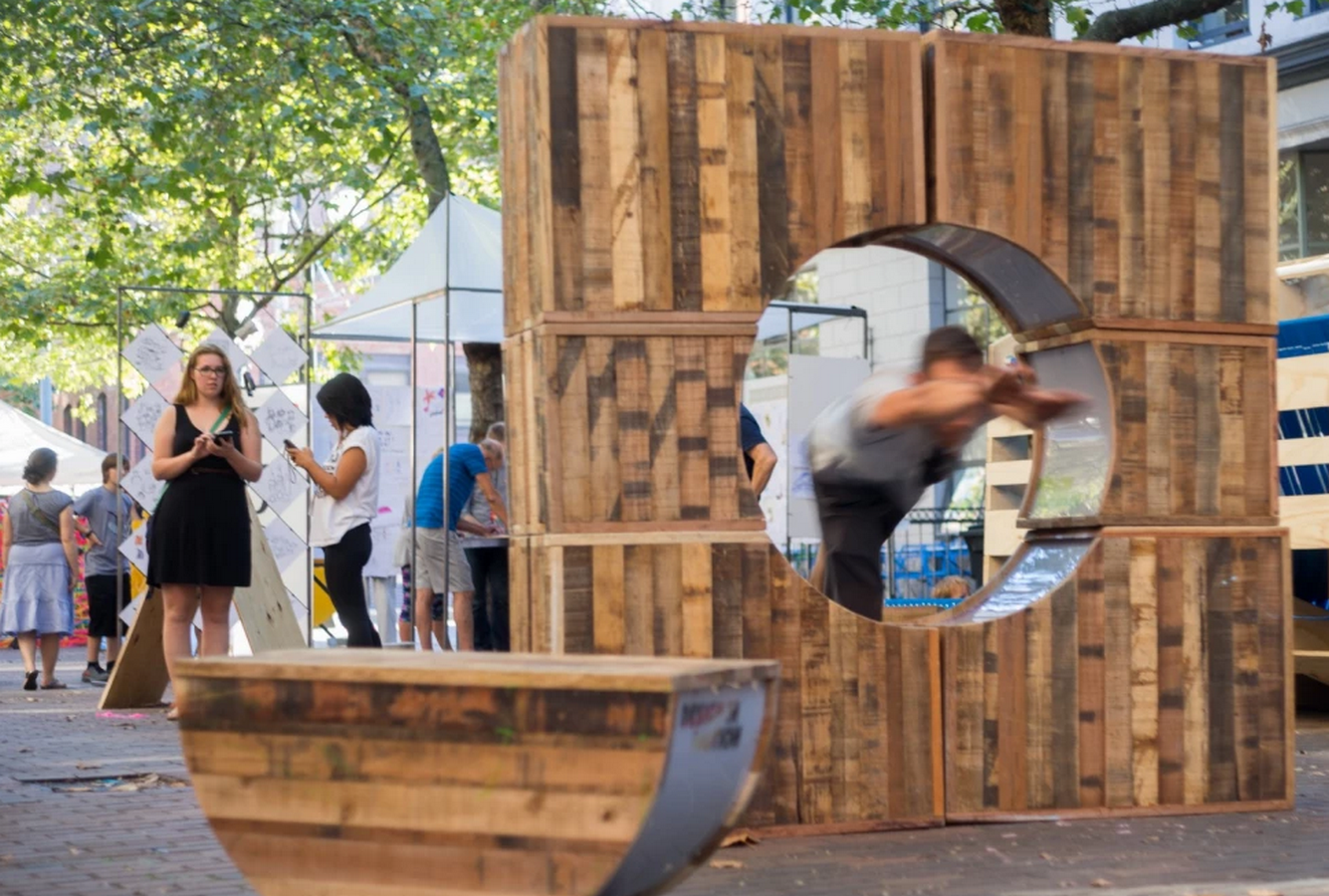
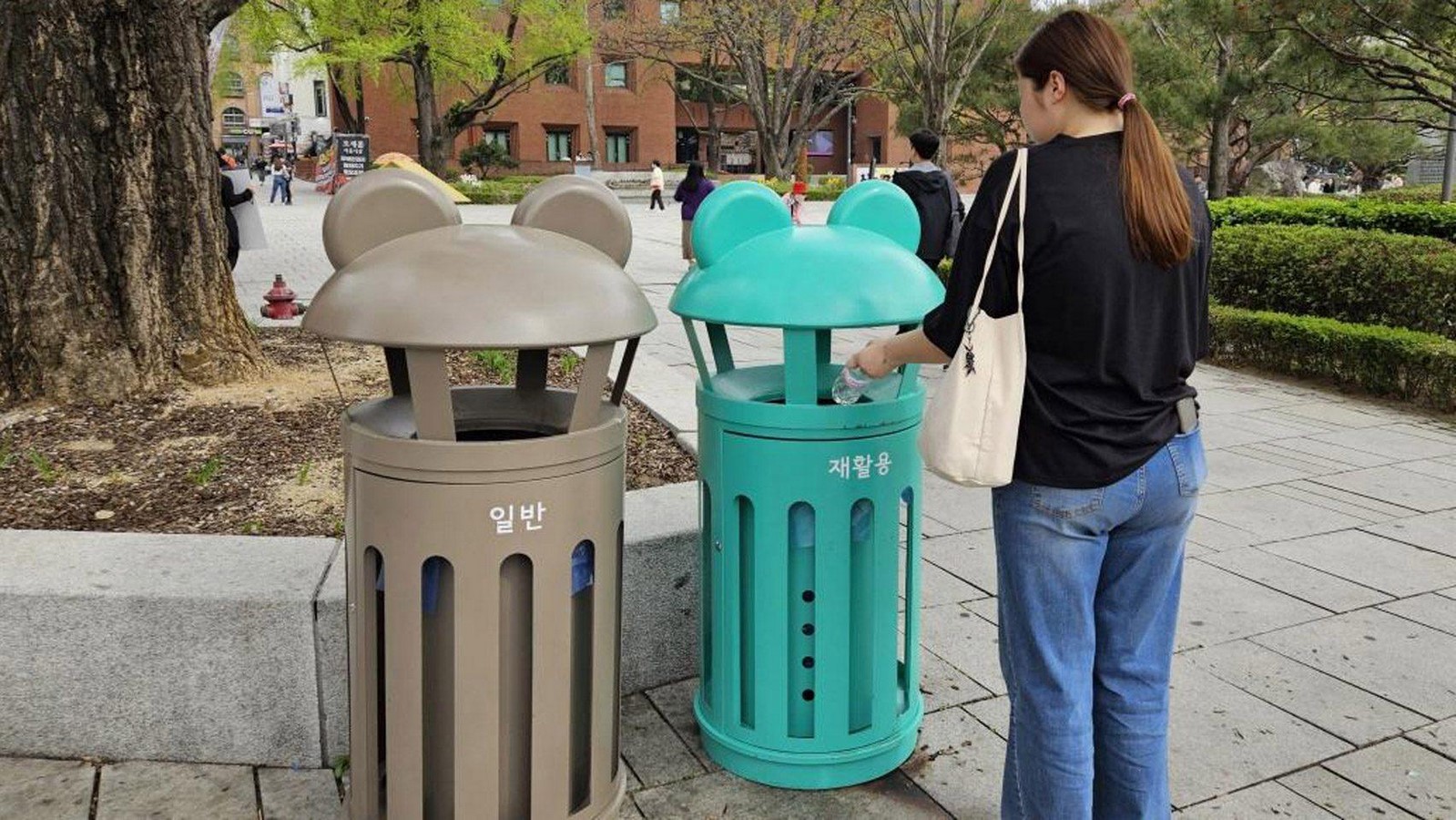
Designers, artists, and planners have dived deeper into including playful urban elements. These elements can be engaging and interactive for visitors in addition to being guides. Interventions can be done for any element, ranging from wayfinding to temporary structures. Street furniture and facilities form a vital part of urban life (Guo & Li, 2014).
Accessibility and Equity
Access to facilities and friendly urban furniture is a starting point, as it also promotes place attachment (Samavati et al., 2024). Equity meets all needs without diminishing the welfare of others. Such spaces eventually create temporary bonds between people (Jalaladdini & Oktay, 2012). Moreover, it increases social life by giving the opportunity to experience a variety of human encounters (Ramlee et al., 2015). Having access to public spaces regardless of differences induces a sense of belonging. The elements used in urban life must also incorporate features that can be used by all.
Digital Interventions
Growth in technology has changed the entire scenario of public elements. Interactive displays, actuators, and sensors, digital displays have engaged the public with their presence (Hespanhol & Tomitsch, 2015). For the success of these elements, the designers must integrate familiar features and open multisensory policing (Hespanhol & Tomitsch, 2015). Digital display windows and large-scale sculptures are eye-catching and attractive for users. They enhance urban life.
Physical Urban Fabric
Urban components are a series of static and dynamic nuances (Ramlee et al., 2015). Parks are large expanses of greenery with a variety of functions, such as play areas, a gazebo, and a sports complex. It is an expanse from loud sounds into the serenity of greenery. On the other hand, streets and walkways are filled with activities, shops, and cafes, which allow for social interactions (Ramlee et al., 2015). Wayfinding elements are physical elements that allow a tourist or resident to easily navigate through space. If blended with regional and cultural characteristics, the thought is imprinted in the viewer’s mind.
The urban elements are infinite, and as society progresses, these elements refine and adapt according to the needs. The purpose is to accentuate the urban life; therefore, innovators and contributors experiment to include them for experience.
References:
- Guo, Y. and Li, J. (2014) ‘The research on urban element design under the influence of regional culture’, Advances in Social Science, Education and Humanities Research [Preprint]. doi:10.2991/icss-14.2014.42.
- Hespanhol, L. and Tomitsch, M. (2015) ‘Strategies for intuitive interaction in public urban spaces’, Interacting with Computers, 27(3), pp. 311–326. doi:10.1093/iwc/iwu051.
- Ibrahim, Z.O. and Abdullah, S.F. (2023) ‘Towards sustainable revitalization: The public squares characteristics – led the adaptive urban revitalization mechanisms’, Civil Engineering Journal, 9(4), pp. 960–973. doi:10.28991/cej-2023-09-04-015.
- Jalaladdini, S. and Oktay, D. (2012) ‘Urban Public Spaces and vitality: A socio-spatial analysis in the streets of Cypriot towns’, Procedia – Social and Behavioral Sciences, 35, pp. 664–674. doi:10.1016/j.sbspro.2012.02.135.
- Ramlee, M. et al. (2015) ‘Revitalization of Urban Public Spaces: An overview’, Procedia – Social and Behavioral Sciences, 201, pp. 360–367. doi:10.1016/j.sbspro.2015.08.187.
- Samavati, S., Desmet, P.M. and Ranjbar, E. (2024) ‘Happy urban public spaces: A systematic review of the key factors affecting citizen happiness in Public Environments’, Cities & Health, 9(1), pp. 112–128. doi:10.1080/23748834.2024.2358600.
Image References:
- Dykstra, T. (2014) PopUp1Photo – Pop-Up! Street Furniture [photograph]. Available at: https://archello.com/thumbs/images/2014/12/16/PopUp1Photo-Cred-Trevor-Dykstra.1506075323.6849.jpg (Accessed: 28 November 2025).
- NYU (2020) Washington Square Park fountain, New York [online image]. Available at:https://meet.nyu.edu/wp-content/uploads/2020/04/WSP4.jpg (Accessed: 30 December 2025).
- Dezeen. (2024) SWNA rubbish bins for Seoul Metropolitan Government [online article]. Available at: https://www.dezeen.com/2024/09/03/swna-rubbish-bins-seoul-metropolitan-government/ (Accessed: 28 November 2025).