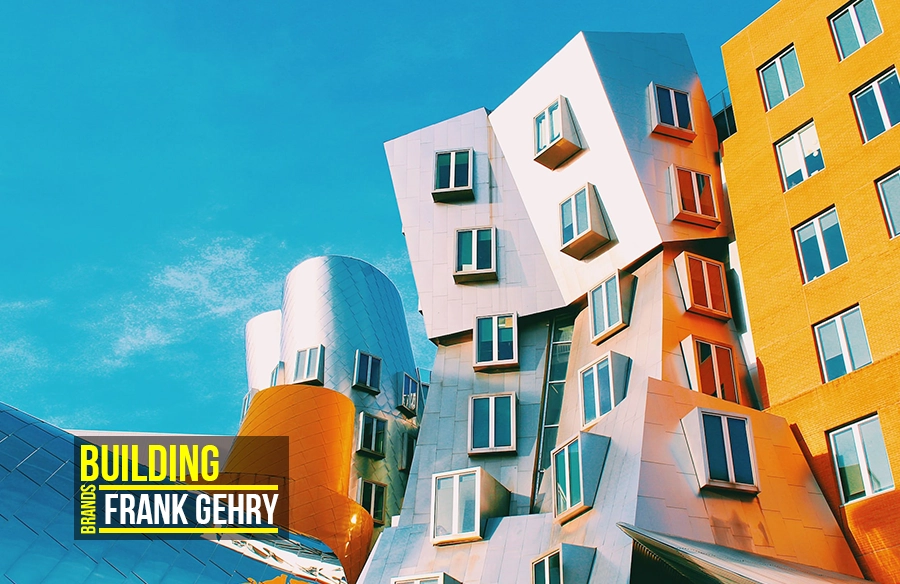
Frank Gehry is not merely an architect; he is a brand in his own right. Few designers have achieved such immediate recognisability, where a single curve, twist, or fragmented surface can signal authorship without a name attached. Over decades, Gehry transformed experimental form-making into a globally marketable identity. A one that cities, institutions, and cultural bodies actively seek out. His work sits at the intersection of architecture, art, spectacle, and branding, raising questions not only about form and function, but also about authorship and architectural celebrity. What makes Gehry particularly compelling within a brand-building context is that his success was not immediate. Early in his career, his work was dismissed as messy, unfinished, or deliberately anti-establishment. Yet these very qualities, rawness, unpredictability, and material experimentation, became the foundation of a distinct architectural language. Gehry did not chase trends; instead, he doubled down on intuition, allowing his personal design ethos to mature into a recognisable global signature. Frank Gehry’s architectural approach evolved into a powerful brand that reshaped urban identities, redefined cultural institutions, and sparked debate about the role of spectacle in contemporary architecture.
Crafting a Distinct Identity
Frank Gehry’s brand did not emerge from polished perfection, but from deliberate resistance to architectural convention. In the 1970s and 1980s, while modernism prized clarity and order, Gehry explored fragmentation, exposed materials, and improvised forms. Chain-link fencing, corrugated metal, plywood, and raw timber appeared in his early project, not as cost-saving measures alone, but as conceptual statements. These choices positioned Gehry as an outsider, but also made his work unmistakable. This early period was critical in shaping his brand identity. Gehry’s buildings appeared incomplete, almost accidental, yet were deeply intentional. They challenged the idea that architecture must be orderly to be meaningful. Over time, this rejection of refinement evolved into a form of refinement in its own right. Clients began to associate Gehry with originality, artistic freedom, and risk-taking qualities that later became valuable branding assets for cities and cultural institutions.
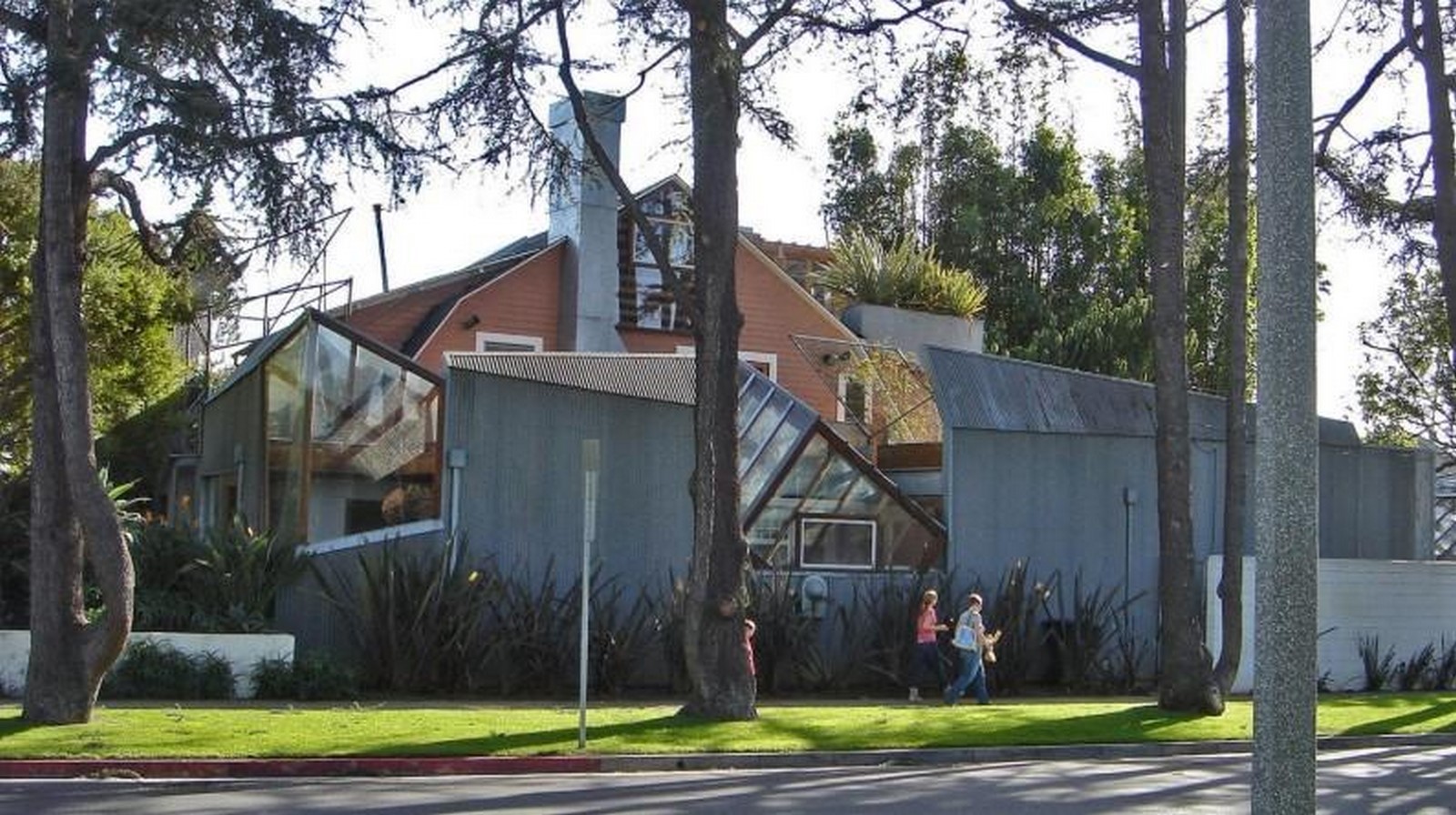
Gehry’s own house, wrapped around an existing suburban home, became a manifesto of his philosophy. The fragmented additions and exposed materials announced a new architectural voice. It was one unconcerned with approval, but deeply invested in authorship and experimentation.
Icon as Brand Strategy
As Gehry’s career progressed, his architecture began to function not just as buildings, but as urban symbols. In the late 1990s, his work aligned perfectly with a growing global appetite for iconic architecture. He designed structures that could transform city identities and drive tourism, investment, and cultural prestige. Gehry’s sculptural forms became a visual shorthand for innovation and cultural ambition. This phase marked a shift in how architecture participated in branding at an urban scale. Gehry’s buildings were no longer neutral containers; they were destination objects. Cities commissioned his work not only for functionality, but for image-making power. His architecture became a form of marketing, capable of placing a city on the global cultural map. Gehry redefined what cultural infrastructure could achieve economically and socially. Regardless of stance, the brand impact is undeniable.
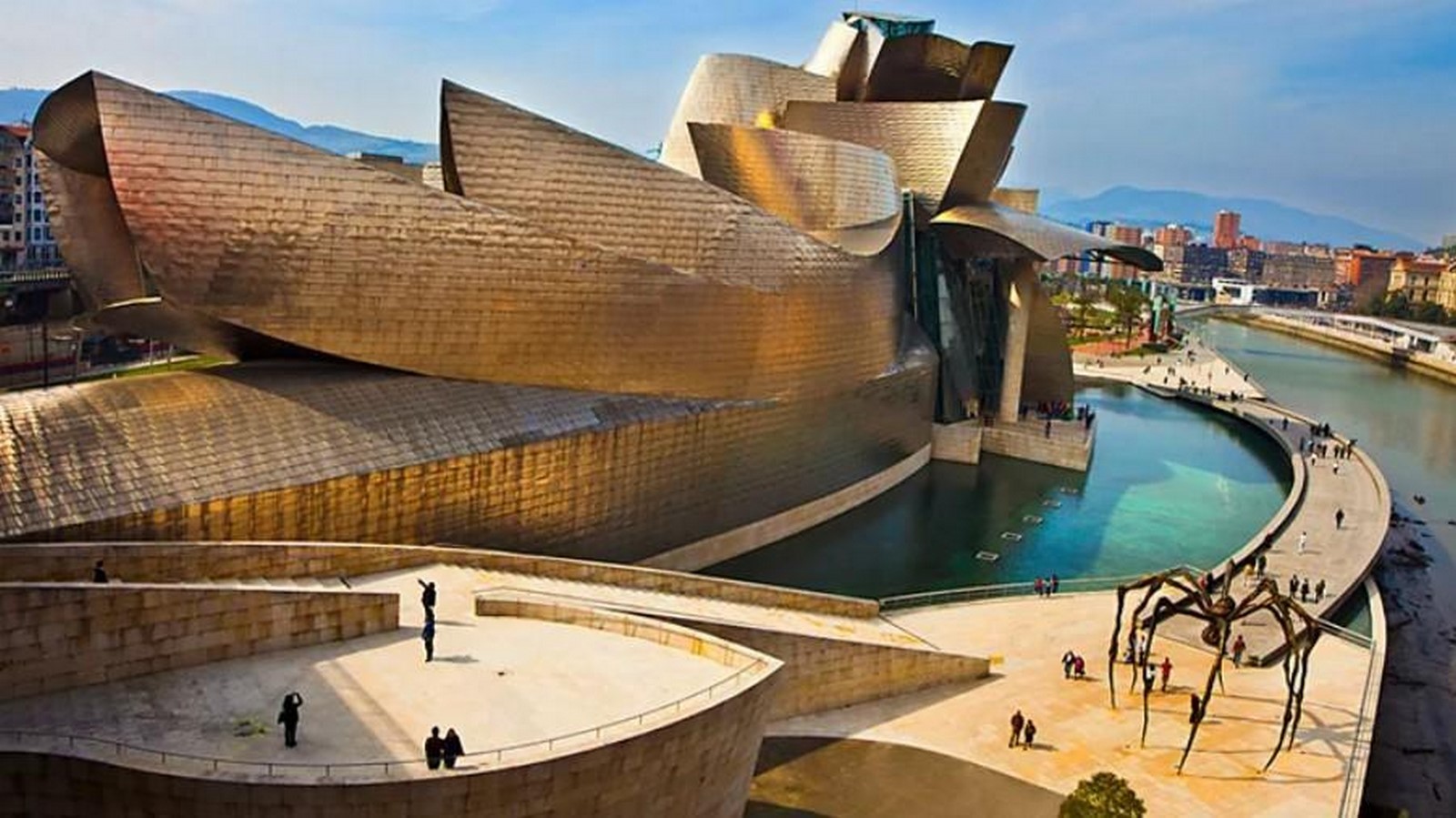
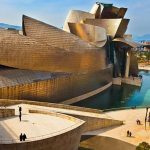
The Guggenheim Bilbao exemplifies architecture as a brand catalyst. Its titanium curves transformed Bilbao from an industrial city into a global cultural destination, giving rise to the term “the Bilbao Effect” and cementing Gehry’s role as a maker of icons.
Technology as Enabler
A lesser-discussed but vital aspect of Gehry’s brand is his embrace of technology, not as a stylistic driver, but as an enabler of complexity. Gehry was among the first architects to adopt advanced digital modelling software (CATIA) originally developed for aerospace engineering. This allowed his intuitive, sculptural sketches to be translated into buildable, precise structures. By integrating technology deeply into his workflow, Gehry positioned his practice at the frontier of architectural innovation. This reinforced his brand as not only artistic but technically rigorous. His buildings may appear chaotic, but they are underpinned by exacting digital coordination, structural analysis, and fabrication logic. This marriage of hand-drawn intuition and computational precision became a defining feature, allowing the firm to deliver complex forms at a global scale. In branding terms, technology safeguarded the viability of his architectural identity, ensuring it could evolve without becoming unbuildable.
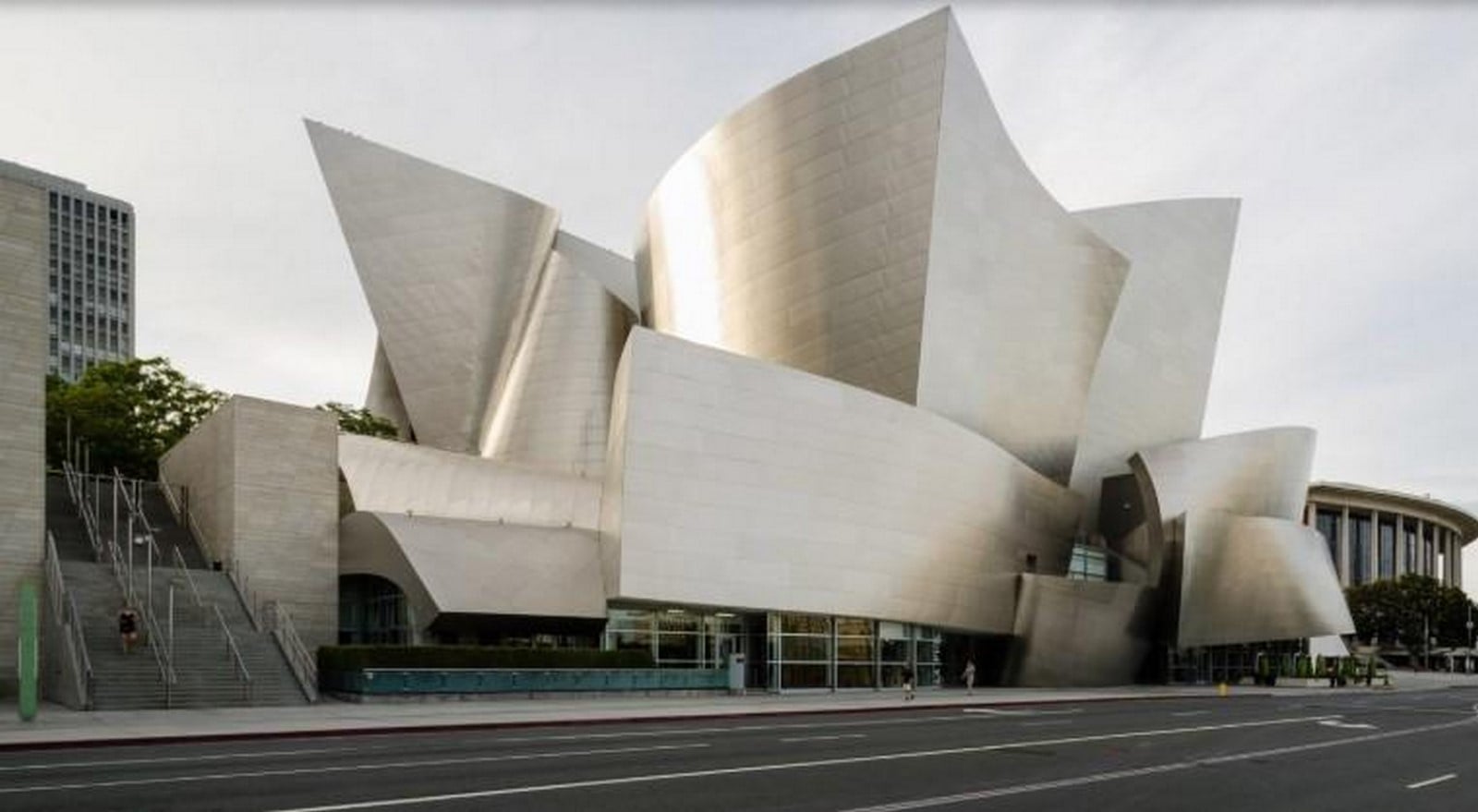
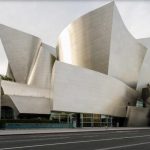
The concert hall’s flowing stainless-steel surfaces were realised through advanced digital modelling, enabling precise acoustic performance and structural control, demonstrating how technology sustained Gehry’s expressive vision.
Criticism, Saturation, and Brand Fatigue
No strong brand exists without criticism, and Frank Gehry’s work has faced increasing scrutiny in recent years. As his visual language became widely recognisable, critics began questioning whether repetition diluted originality. The concern was not about quality, but about predictability, when a Gehry building could be identified too easily; had the brand become formulaic?
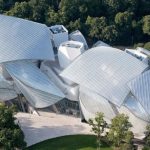
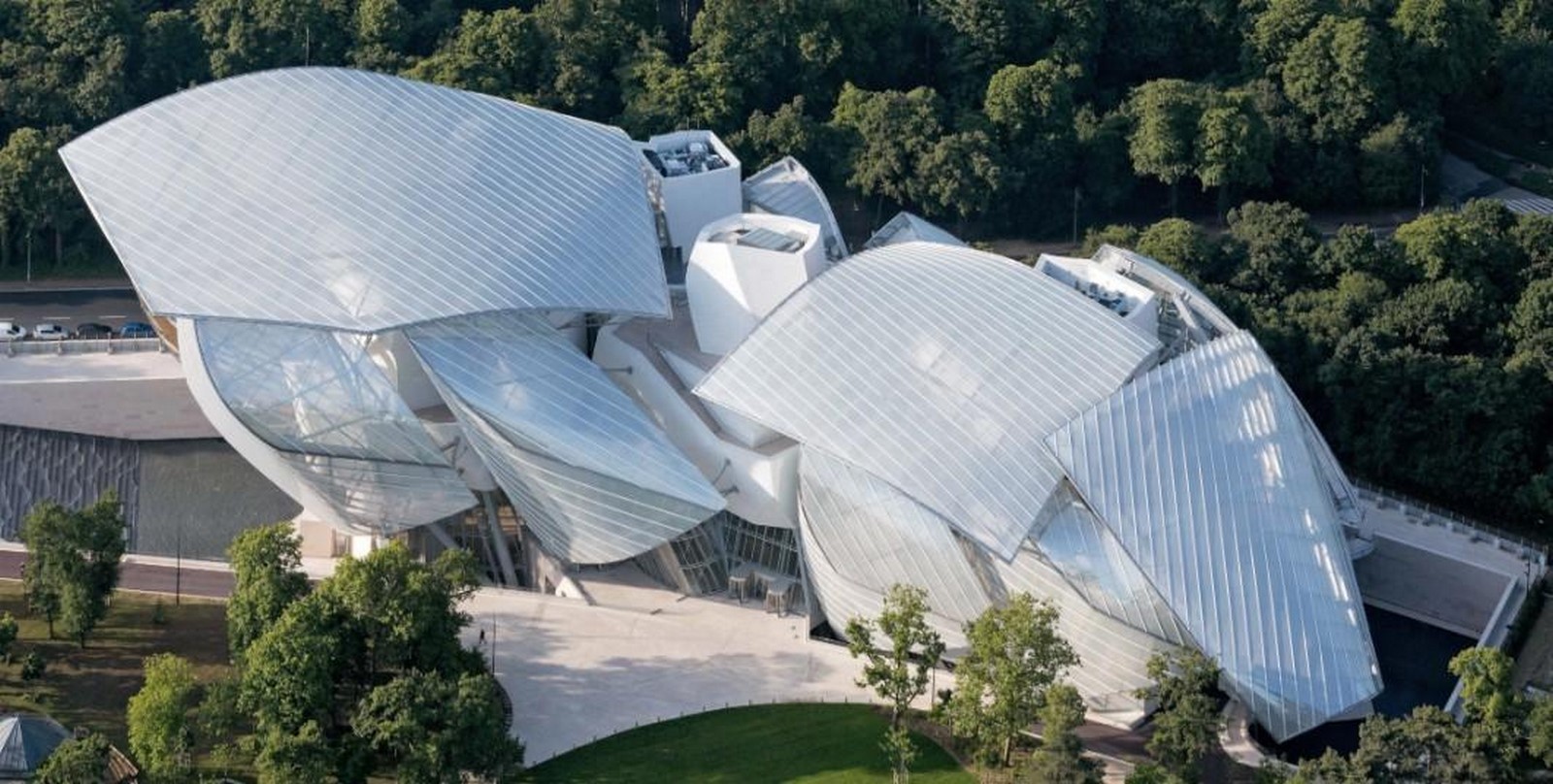
Additionally, debates emerged around context, sustainability, and cultural sensitivity. Some argue that icon-driven architecture prioritises global recognition over local narratives. Gehry himself has responded candidly to criticism, asserting that each project responds uniquely to programme and site, even if formal similarities exist. This tension highlights a broader branding challenge: how does an architect maintain identity without becoming a caricature of their own success? Gehry’s later work shows attempts at restraint, material variation, and contextual dialogue, suggesting an awareness of brand fatigue and a desire to evolve. While undeniably sculptural, the building’s layered glass “sails” attempt a lighter, more contextual response, signalling a subtle shift in Gehry’s approach to form and branding.
Frank Gehry’s career offers a compelling case study in how architectural identity transforms into brand power. From experimental beginnings to global icon-making, Gehry demonstrated that originality, when pursued consistently and fearlessly, can become a marketable asset. His work reshaped expectations of what architecture could represent: not just shelter or function, but emotion, movement, and cultural ambition.
Yet Gehry’s brand also exposes the risks of success. Iconicity invites repetition, and recognisability can slide into predictability. Gehry’s ongoing relevance lies in his willingness to adapt, to refine his language, and to engage with criticism rather than dismiss it. Ultimately, Frank Gehry’s legacy is not just a portfolio of striking buildings, but a lesson in authorship. He proved that architecture can operate simultaneously as art, infrastructure, and brand, shaping cities and conversations alike. In an era increasingly driven by image and impact, Gehry remains a central figure in understanding how design identities are built, sustained, and questioned over time.