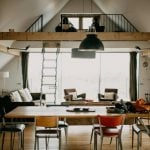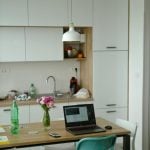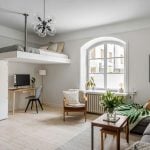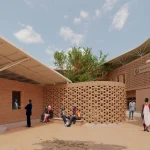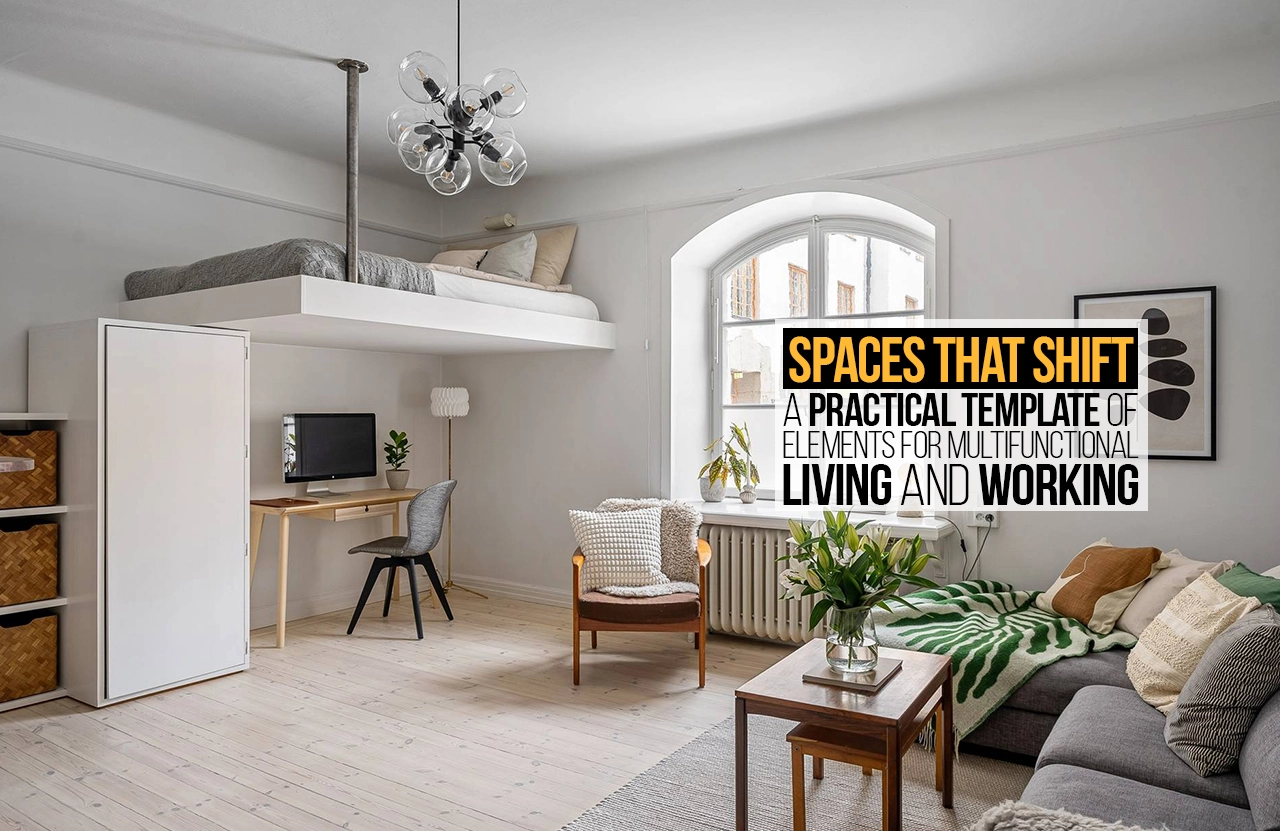
The concept of Multifunctional Living and Working refers to the design of environments that accommodate many needs and functions. As cities evolve and introduce diverse lifestyle spaces, they must serve more than a singular purpose. Multifunctional spaces areas serving different functions. They are crucial in modern cities, where every square meter is valuable.
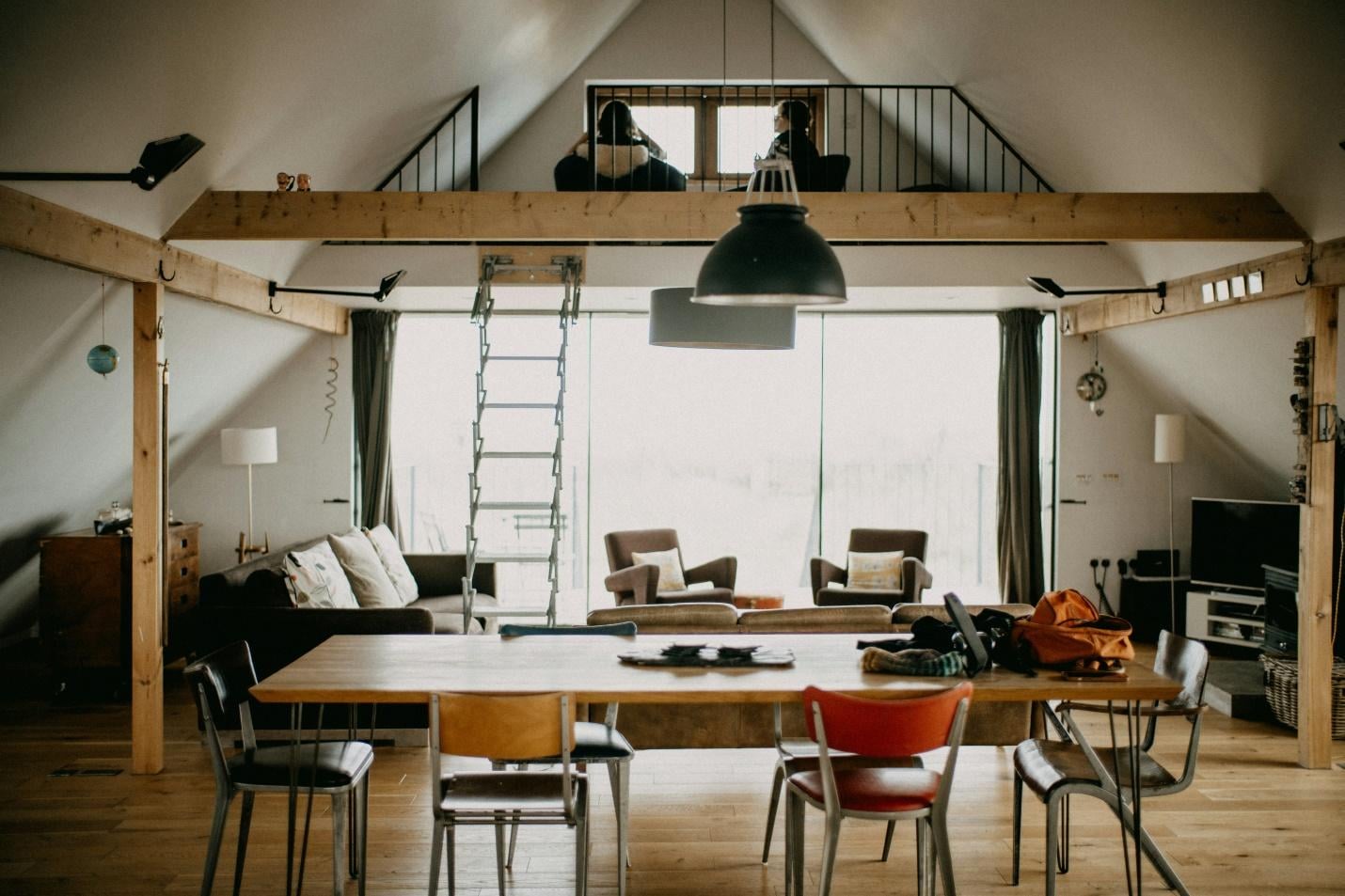
These areas adapt to different needs throughout the day, transforming from work zones to entertainment spots with minimal interventions (Designing Multifunctional Living Spaces for Modern Homes). The term “multifunctional spaces” is frequently used in mixed use, multi-use, and multi-purpose definitions, without distinction. Beyond interior applications, multifunctional urban elements extend the life cycle of public spaces, balance supply and demand, and enable efficient land use, saving on costly investments in construction and infrastructure. Within residential Interiors, a living room, an office, and a bedroom transform into a workspace, and common areas accommodate multiple activities. This shift reflects broader urban challenges: limited space, economic pressures, and rapidly changing design paradigms. Architectural practice is shifting from prioritizing structural permanence to emphasizing adaptability, encouraging architects to regard flexibility as a fundamental design principle rather than an optional feature (Battaino et al., 2025). The value of adaptable spaces is evident in their capacity to evolve without necessitating expensive renovations.
Adaptive and Human-Centered Design
The nature of spaces has changed over the years. Several factors explain the rise of Multifunctional Living and Working environments. Among these is the growing demand for remote work, which requires professionals to adapt home offices inside their homes. Another driver is compact urban living, where economic and spatial constraints push designers to create maximum comfort and functionality within limited areas.
A further factor is the increase in multigenerational households, which call for adaptable layouts that accommodate different age groups and activities. At the same time, these spaces must remain sustainable and minimalistic, reflecting contemporary priorities (Barnes Matina, Multifunctional and Adaptive Spaces: The Future of Flexible Living).
Multifunctional Living and Working ultimately reflects a shift toward human-centered design. It prioritizes adaptability, comfort, and well-being over rigid spatial definitions. Flexible architecture not only optimizes space but also strengthens social interaction and sustainability. Studies suggest that adaptable public and residential spaces enhance community engagement and respond more effectively to evolving urban needs (Sanei et al., 2018). This approach positions architecture as a responsive system—capable of evolving alongside its users.
Major Elements of Multifunctional Living and Working
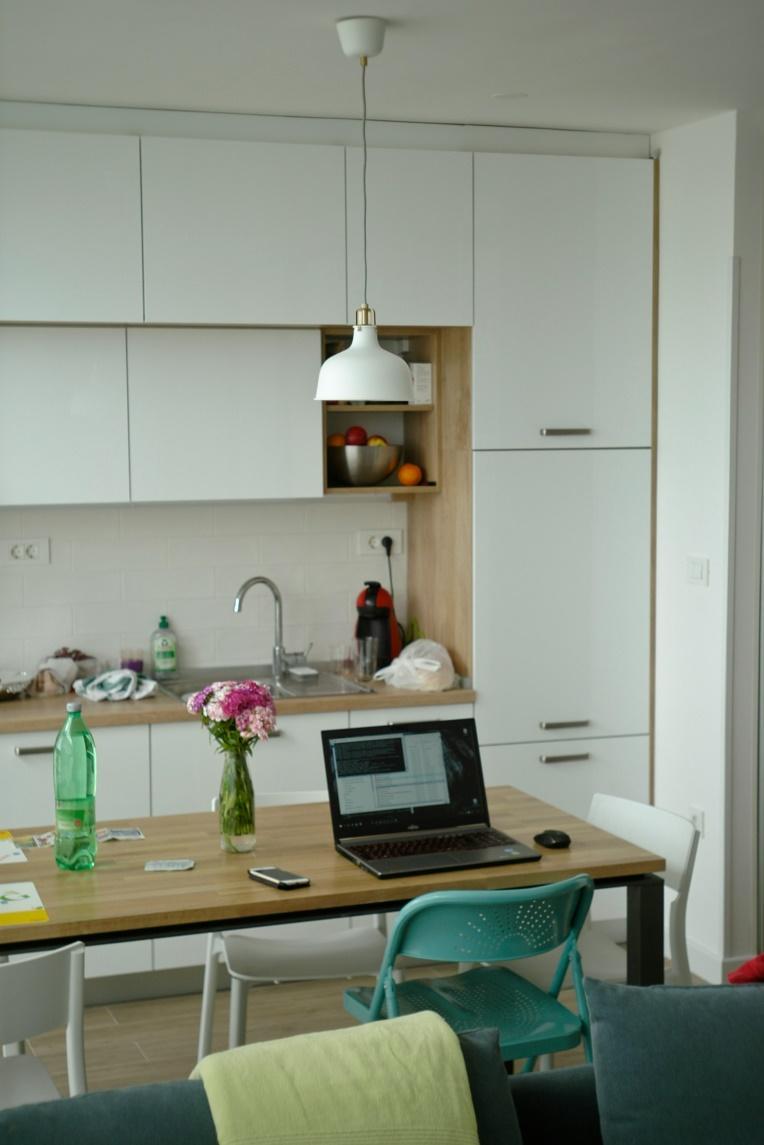
1. Flexible Layouts with Defined Zones
Flexibility is the foundation of Multifunctional Living and Working. Open plans and movable partitions enable spaces to transform without requiring structural changes. This adaptability allows environments to respond to different activities throughout the day. Open concept plans also reduce wasted space by optimising the floor for multiple functions. Zoning can be achieved through lighting, material changes, or furniture placement creates a spatial hierarchy while maintaining openness.
2. Modular Furniture
Furniture plays a central role in multifunctional design. Foldable desks, retractable beds, and expandable surfaces maximise usability while minimising spatial occupation. These solutions allow one area to perform multiple roles efficiently.
3. Smart Storage Solutions
Storage is one of the biggest challenges in compact spaces. Efficient systems prevent clutter and ensure smooth transitions between functions. Integrated storage solutions significantly improve spatial efficiency and reduce resource consumption (ArchDaily, 2023). Hidden compartments and innovative designs also align with minimalistic trends, allowing spaces to remain clear and adaptable (Designing Multifunctional Living Spaces for Modern Homes).
4. Time-Based Design Strategies :– Following Circadian Rhythm
Lighting is a critical tool in multifunctional design. It can define the role of a space and guide its transformation. Focused lighting supports productivity, while softer, warmer tones encourage rest and relaxation. Spatial arrangements, orientation, and transformative furniture can adapt to daily rhythms and lighting needs. Designing with daylight allows spaces to evolve in response to functional requirements and human behavior, rather than remain static (Designing Multifunctional Living Spaces for Modern Homes).
Technology and Multifunctional Living and Working
Technology integration enhances multifunctional environments by reducing spatial and operational constraints. Digital tools, smart systems, and integrated devices allow spaces to perform multiple roles seamlessly. Building Information Modeling (BIM), for instance, enables architects to simulate energy use, optimize layouts, and evaluate materials before construction contributing to sustainable and adaptive design processes (Nemati et al., 2025).
Similarly, smart lighting systems adjust conditions to suit different activities, supporting both productivity and relaxation. Smart home technologies further strengthen this adaptability, ensuring that spaces remain responsive, efficient, and aligned with the evolving needs of their users.
Spaces of the future
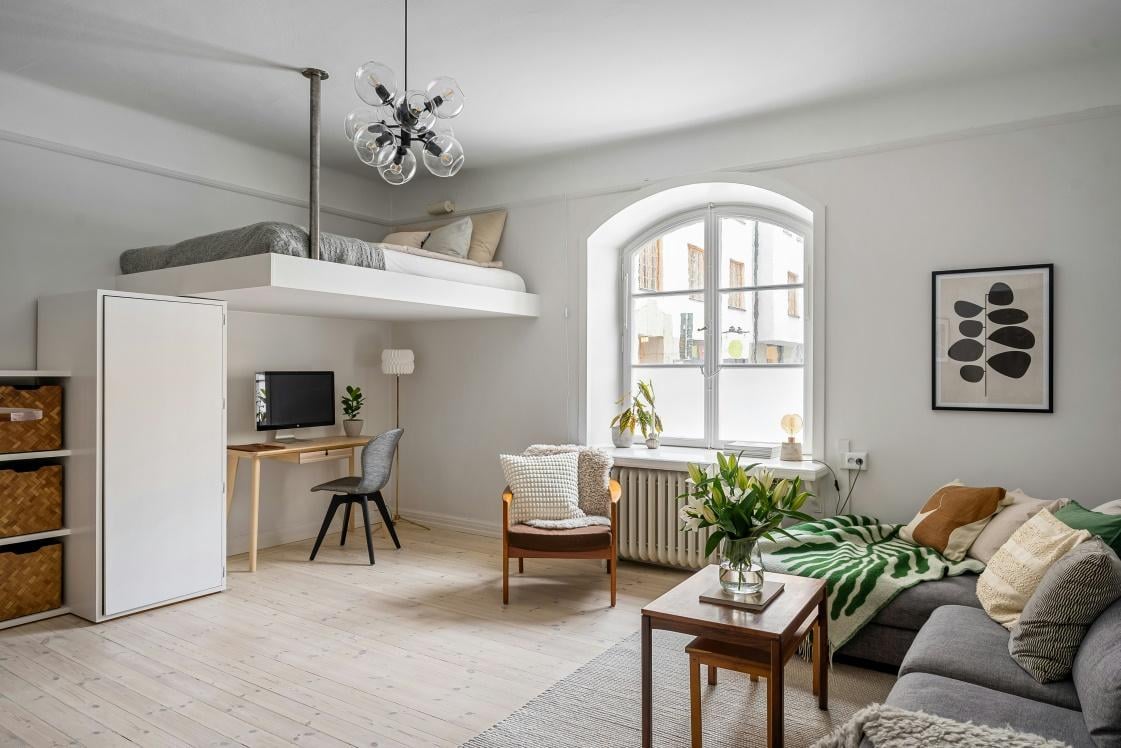
Future architecture will be increasingly hybrid and dynamic. “Young people today often live in smaller spaces, yet they carry bigger ambitions for how those spaces can serve their needs.” This adaptability, driven by multifunctional design, offers practical solutions to the economic challenges they face (Multifunctional Spaces: Designing for Versatility and the Future of Living).
Designing spaces for the future requires flexibility that serves both present and long-term needs. To remain functional and relevant over time, architects must anticipate potential changes in technology, demographics, and lifestyle trends. By incorporating adaptable infrastructure and considering long-term scenarios, they can create environments prepared for evolving demands (Designing for Flexibility: Spaces that Adapt to Changing Needs).
Challenges and Considerations
The demand for multifunctional spaces reflects the growing need for environments to evolve with their occupants. Creating such spaces not only improves daily living but also increases long-term property value (Multifunctional and Adaptive Spaces: The Future of Flexible Living – Barnes Matina).
Despite its advantages, Multifunctional Living and Working presents several challenges. One key issue is balance: spaces that serve too many functions without clarity can become overwhelming. Privacy is another concern, as the overlap between work and personal life can reduce psychological separation and affect well-being. Research also highlights that flexibility must be carefully managed to maintain social interaction, accessibility, and comfort within shared or semi-public environments (Amirjani et al., 2025).
Multifunctional Living and Working represents a critical transformation in contemporary design thinking. As the boundaries between living and working continue to dissolve, architecture must respond with flexibility, adaptability, and sensitivity to human needs. Through modular layouts, transformable elements, and integrated technologies, spaces can evolve rather than remain fixed.
This shift moves architecture beyond static form into a dynamic process—one that reflects the complexity of modern life. Ultimately, multifunctional design is not only about efficiency; it is about creating environments that truly serve their users. The concept of designing for flexibility is essential in creating spaces that can adapt to the ever-changing needs of their occupants.
Through multifunctional spaces, modular design, adaptive reuse, flexible interiors, technological integration, sustainable practices, and future-proofing, architects can develop environments that are not only functional and efficient but also resilient and versatile. Embracing flexibility in design ensures that spaces remain relevant and useful, regardless of how needs and circumstances evolve over time (Designing for Flexibility: Spaces that Adapt to Changing Needs).
References:
- ArchDaily (2023) Multifunctional spaces: Integrating home environments. Available at: https://www.archdaily.com [Accessed 4 May 2026].
- Amirjani, R., et al. (2025). ‘Social sustainability in residential spaces’, Sustainable Cities and Society.
- Battaino, C., et al. (2025). ‘Flexible and affordable housing design’, Agathon Journal.
- Nemati, B., et al. (2025). ‘BIM and sustainability in AEC’.
- Regodón Puyalto, A. (2021) ‘Flexible workspaces and co-living’.
- Sanei, M., et al. (2018) ‘Flexible urban public spaces’.
- Barnes, M. (n.d.) Multifunctional and Adaptive Spaces: The Future of Flexible Living.
- Archup (2024) Multifunctional Spaces: Designing for Versatility and the Future of Living. Available at: https://archup.net/multifunctional-spaces-designing-for-versatility-and-the-future-of-living [Accessed 4 May 2026].
- LinkedIn (2024) Multifunctional Spaces: Designing for Versatility. Available at: https://www.linkedin.com/posts/archup-net_multifunctional-spaces-designing-for-versatility-activity-7264910891417038848–9QQ [Accessed 4 May 2026].
- Injarch (2024). Designing for Flexibility: Spaces that Adapt to Changing Needs. Available at: https://injarch.com/designing-for-flexibility-spaces-that-adapt-to-changing-needs [Accessed 4 May 2026].
- Springer Nature (n.d.) Urban Sustainability: Multifunctional and Multipurpose Planning of Urban Space.