
Listening to the spaces around us
Architecture has always been a conversation—yet most of us have never learned to listen. From the angle of morning light to the path between a desk and a window, the built environment issues instructions we follow without question, shaping productivity, mental health, and the quiet texture of every ordinary day.
Before you reach for your phone or even open your eyes fully, your surroundings have already begun guiding you. The softness of light, the proportions of the room, and the air you breathe all begin to influence how you feel. This is architecture’s influence on daily routines, subtle yet constant. We often assume our habits are entirely our own, but in reality, they are deeply shaped by the spaces we inhabit—spaces designed by someone else, long before we arrived.
Morning Light: Where the day is quietly decided
The first experience of the day is shaped by light. Natural daylight plays a crucial role in regulating the body’s internal clock, influencing sleep quality, alertness, and mood. A room filled with gentle morning sunlight allows the body to wake gradually and comfortably, while a poorly lit or enclosed room can leave one feeling tired and disoriented.
This is a direct example of architecture’s influence on daily routines, where a simple design decision — such as the orientation of a window — affects both physical health and mental clarity. Research shows that exposure to natural daylight improves sleep quality and increases daytime productivity (Boubekri et al., 2014).
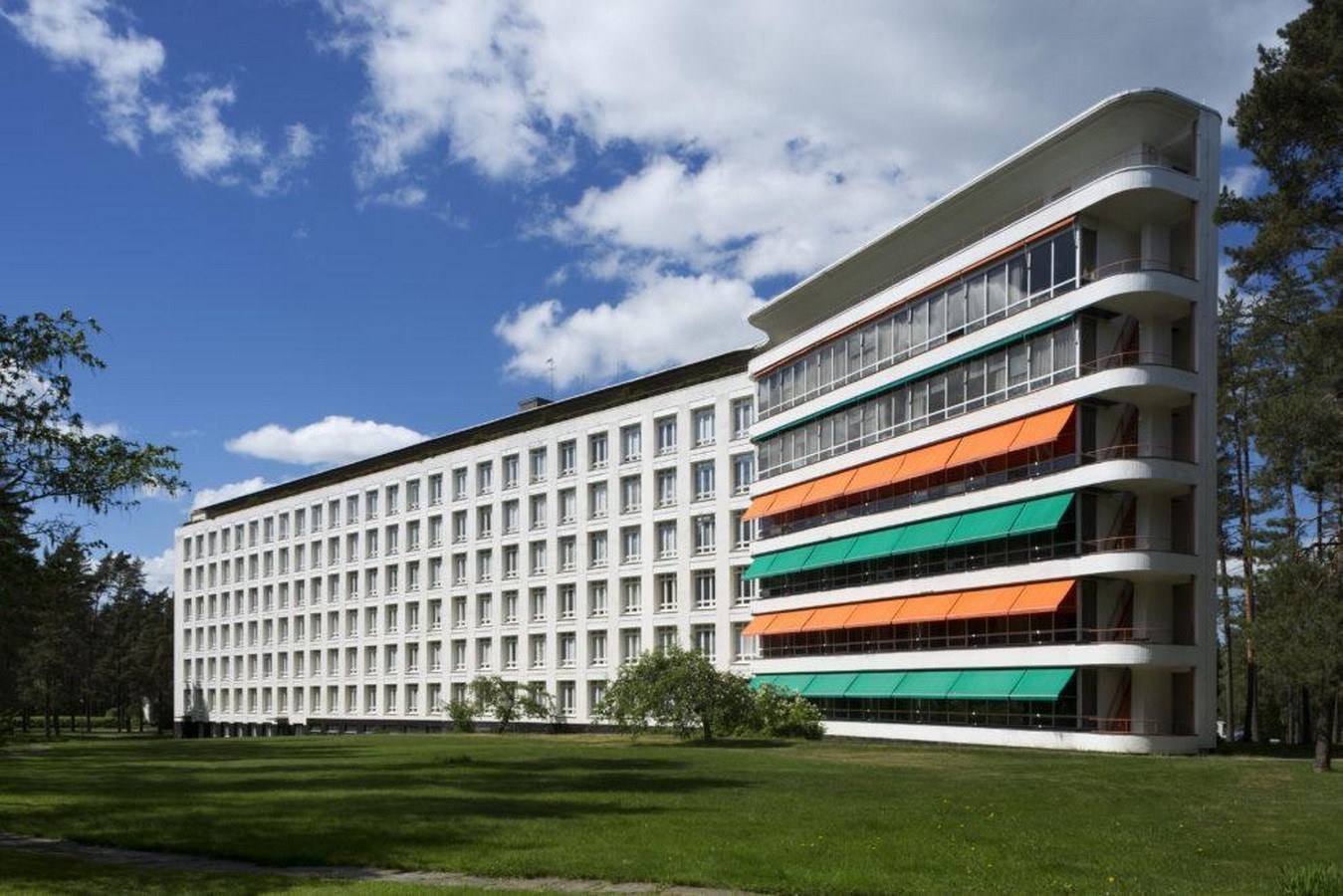
Case Study: Paimio Sanatorium by Alvar Aalto
Designed in 1933, the Paimio Sanatorium demonstrates how architecture can support healing through light. Patient rooms were oriented to capture soft morning sunlight, and interiors were carefully designed to reduce glare and visual discomfort. The building treated light not as decoration but as a therapeutic tool.
Movement and Ergonomics: The body in space
As the day progresses, we move constantly through spaces—from the bedroom to the kitchen, from the corridor to the workplace. These movements are shaped by design, often without our awareness. Ergonomics ensures that spaces support the natural movement of the human body, reducing effort and increasing efficiency.
A well-designed kitchen minimizes unnecessary steps, while a comfortable staircase feels effortless to climb. These small details shape architecture’s influence on daily routines, making everyday activities smoother and less tiring. When design works well, we do not notice it; when it fails, we feel resistance.
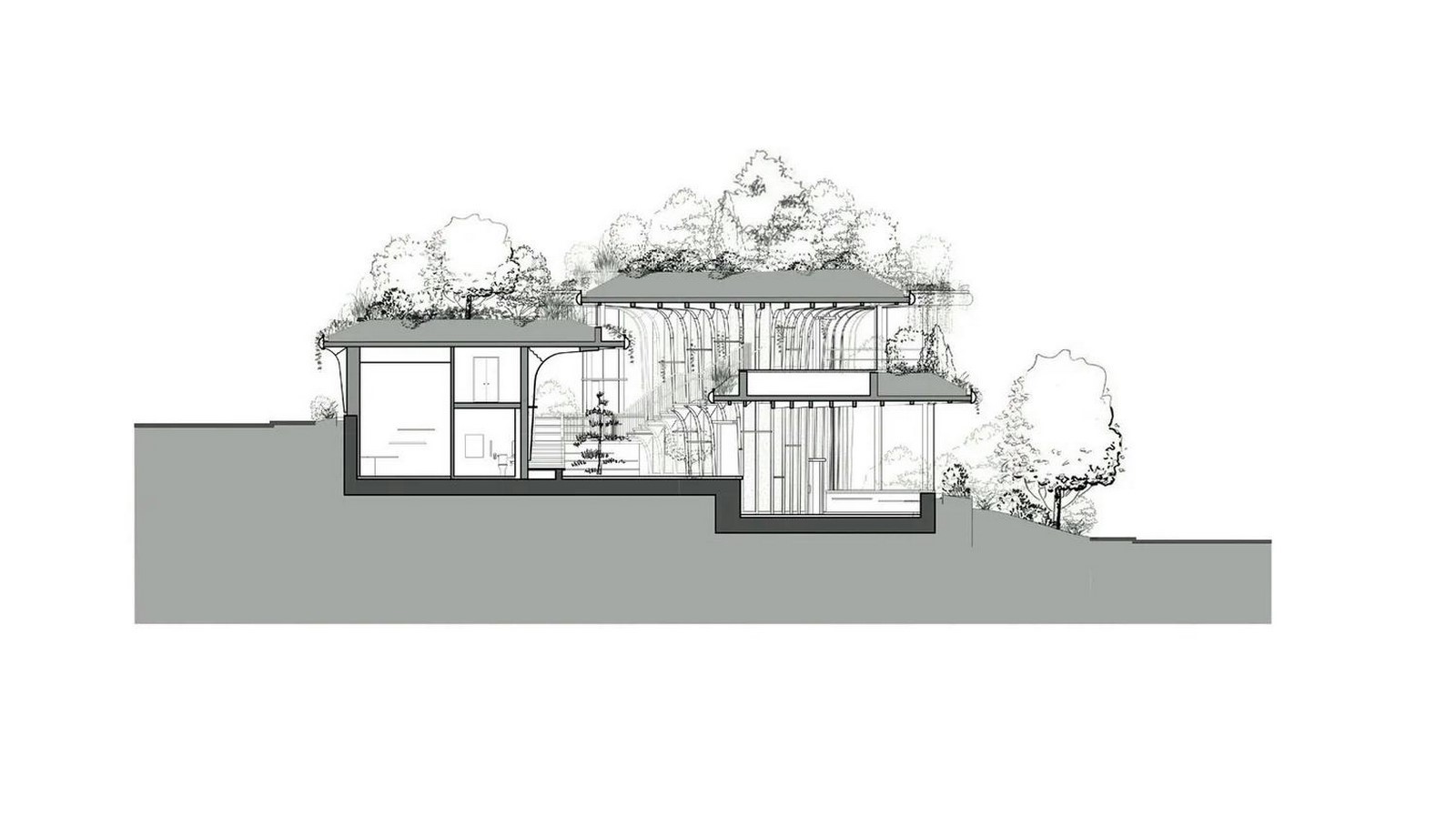
Case Study: Maggie’s Centres
The Maggie’s Centres across the UK are designed to reduce stress and support emotional well-being. Instead of rigid, clinical layouts, these spaces are open, domestic, and connected to gardens. Movement flows naturally between spaces, encouraging comfort and ease.
Ventilation: The invisible condition of thought
While light and movement are visible, air is not. Yet ventilation plays a critical role in how we think, feel, and function. Fresh air improves concentration and cognitive performance, while poorly ventilated spaces can lead to fatigue and reduced focus.
This unseen factor is a powerful part of architecture’s influence on daily routines, particularly in workplaces and educational environments. Studies show that improved ventilation significantly enhances cognitive performance (Allen et al., 2015).

Case Study: The Edge by PLP Architecture
The Edge uses advanced systems to monitor and adjust air quality, lighting, and temperature throughout the day. Employees report higher productivity and comfort, demonstrating how responsive environments can support daily performance.
Workspaces and mental well-being
The spaces where we work deeply influence our mental health. Access to natural light, fresh air, and views of nature improves focus and reduces stress. Poorly designed environments, however, can create fatigue and discomfort.
This is where architecture’s influence on daily routines becomes especially clear. Even simple elements such as a window, a well-placed desk, or improved airflow can transform how a space feels and functions.
Research shows that views of nature can significantly reduce stress and improve recovery (Ulrich, 1984). These findings highlight how architecture shapes not only productivity but also emotional well-being.
The unseen influence of good design
One of the most powerful aspects of architecture is that its best qualities are often invisible. When a space is well designed, everything feels natural — movement is effortless, thinking is clear, and comfort is constant.
This quiet effectiveness defines architecture’s influence on daily routines. It does not demand attention, yet it shapes every moment of our lives. Poor design, on the other hand, becomes immediately noticeable through discomfort and distraction.
Good architecture works in the background, supporting life without drawing attention to itself.
Rethinking the spaces we live in
We often judge buildings by how they look, but their true value lies in how they perform. From morning light to airflow, from movement to emotion, architecture’s influence on daily routines is constant and profound.
Architecture is not neutral. It actively shapes how we live, how we feel, and how we function. The spaces we design today become the environments people depend on tomorrow.
Perhaps the most meaningful architecture is not the most visually striking but the most thoughtful—the kind that quietly supports life, improves well-being, and allows people to become the best version of themselves.
References:
Boubekri, M., Cheung, I.N., Reid, K.J., Wang, C.H., and Zee, P.C. (2014). Impact of windows and daylight exposure on overall health and sleep quality of office workers. Journal of Clinical Sleep Medicine, 10(6), 603–611.
Allen, J.G., MacNaughton, P., Satish, U., Santanam, S., Vallarino, J. and Spengler, J.D. (2015). Associations of cognitive function scores with carbon dioxide, ventilation, and volatile organic compound exposures. Environmental Health Perspectives, 124(6), pp. pp.805–812.
Ulrich, R.S. (1984). View through a window may influence recovery from surgery. Science, 224(4647), 420–421.
Pallasmaa, J. (2005). The Eyes of the Skin: Architecture and the Senses. London: Academy Editions.