Mental balance is often spoken about as a personal responsibility. We are told to meditate more, exercise regularly, manage stress better, and seek help when overwhelmed. While these are important, they overlook a quieter but powerful influence on our mental state: the spaces we move through every day. Streets, footpaths, crossings, and neighbourhood layouts quietly shape how we feel, think, and cope. Walkability, in this sense, is not just an urban design concept but a mental health condition of the city.
Why Streets Shape Our Minds
Walkability refers to how easy, safe, and pleasant it is for people to move around on foot. A walkable place allows everyday activities such as buying groceries, meeting friends, accessing public transport, or simply taking a break, without depending entirely on vehicles. What often goes unnoticed is how deeply this everyday movement affects mental balance. A city that invites walking also invites pauses, reflection, and a slower rhythm of life.

Walking itself has well-known psychological benefits. It reduces stress hormones, improves mood, and helps regulate emotions. Many people experience clarity during a walk that they struggle to find while sitting still. However, whether people walk regularly depends largely on the environment. A broken footpath, aggressive traffic, heat, noise, and poor lighting turn walking into a stressful task. In contrast, a shaded, continuous, and lively street makes walking feel natural and comforting. The built environment decides whether walking becomes therapy or tension.
From a psychological perspective, good walkable streets reduce mental load. When paths are clear and legible, the brain does not need to stay in constant alert mode. Predictable crossings, visible destinations, and human-scale buildings create a sense of control and safety. This feeling of safety is essential for mental balance. When people feel secure in their surroundings, their nervous system relaxes. Streets lined with trees, active edges like shops or houses, and moderate traffic offer visual interest without overstimulation. The mind feels engaged but not overwhelmed.
Walkability also supports routine, which is an underrated anchor for mental stability. Daily walks, whether intentional or incidental, create rhythm. Walking to a bus stop, a local market, or a park becomes part of everyday life. These small routines ground people, especially students, elderly residents, and those dealing with anxiety or burnout. Unlike planned exercise, walking in a walkable neighbourhood does not demand motivation. It simply happens.
Another important but subtle benefit of walkability is social connection. Walkable streets encourage brief, low-pressure interactions. A greeting to a neighbour, a familiar shopkeeper, or even seeing the same faces daily builds a sense of belonging. These interactions are not deep conversations, but they matter. They remind people that they are part of a shared environment. Mental balance often depends not on constant companionship but on knowing you are not invisible.
The Psychology of a Good Street
In car-dominated cities, movement becomes isolated. People travel enclosed in vehicles, detached from surroundings and from each other. This isolation can quietly increase stress and emotional fatigue. Walkable environments reverse this by making public space truly public. Streets become places to linger, observe, and exist without purpose. This freedom to simply be is rare in modern life, yet essential for psychological wellbeing.
Walkability also restores a sense of autonomy. When people can reach essential services on foot, they feel less dependent and more in control of their time. This is particularly important for children, elderly people, and those who cannot drive. Independence strengthens confidence and reduces daily frustration. Cities that prioritize walking indirectly reduce the emotional burden placed on individuals and families.
The presence of nature significantly strengthens the relationship between walkability and mental balance. Tree-lined paths, parks, water edges, and green buffers offer moments of calm within dense urban settings. Even brief exposure to greenery improves attention and emotional regulation. A walkable city that integrates nature ensures that mental restoration is not limited to special destinations but becomes part of daily movement.
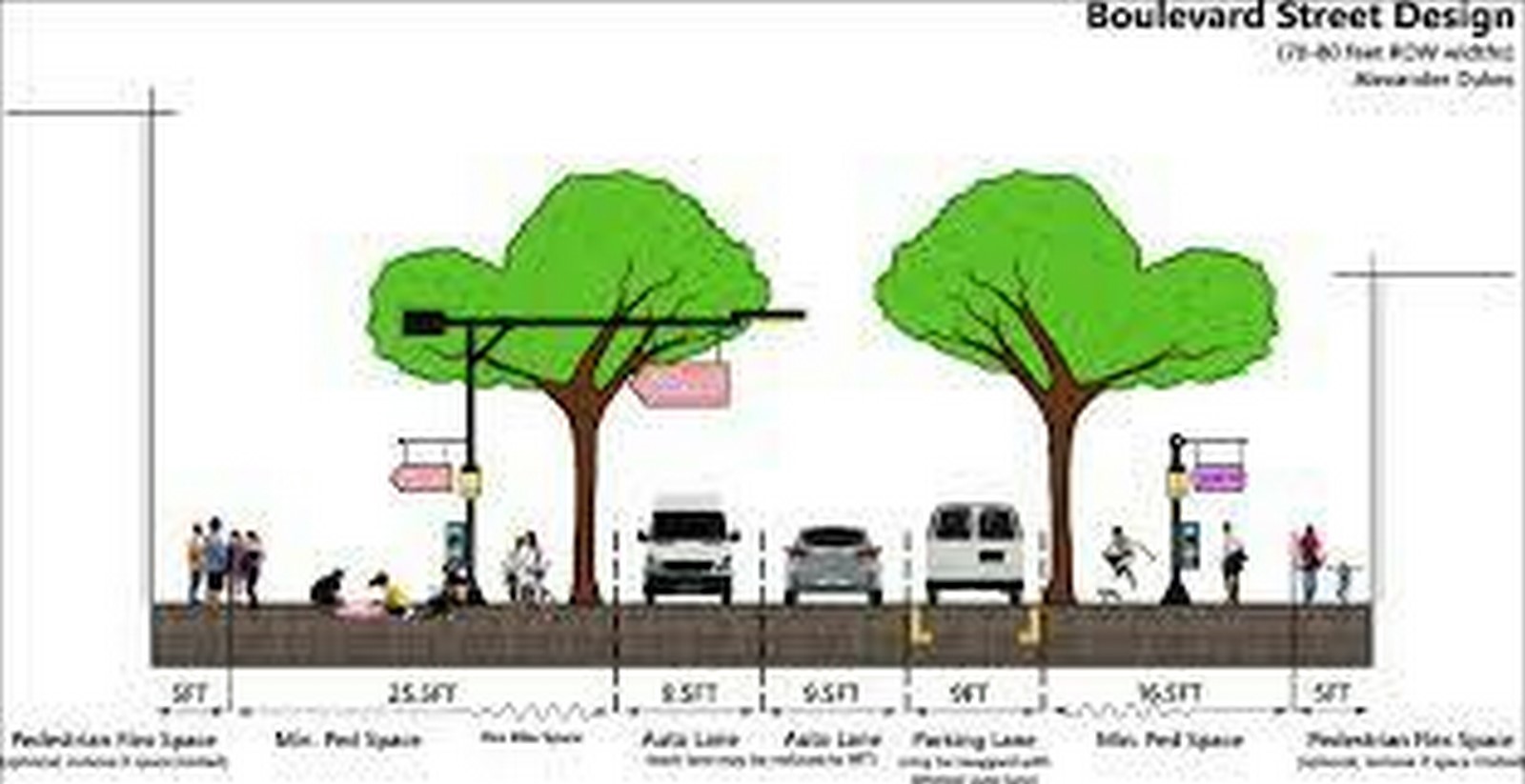
From an architectural and urban design perspective, walkability demands intentional choices. Continuous footpaths, shaded streets, human-scale buildings, mixed-use zoning, traffic calming, seating, and good lighting all contribute to a mentally supportive environment. These are not decorative elements. They directly influence how safe, calm, and welcome people feel.
In the Indian context, walkability is often treated as secondary to vehicular movement. Footpaths are narrow, encroached, or absent. Yet improving walkability does not always require large-scale redevelopment. Small interventions such as repairing sidewalks, adding trees, improving crossings, and reducing vehicle speeds can significantly improve mental comfort.


Ultimately, mental balance is not achieved only through personal effort. It is shaped by everyday spaces. Walkable cities support slower movement, routine, social connection, and autonomy. They allow people to think, feel, and recover without consciously trying to. In a world that constantly demands speed and productivity, walkability offers something quietly radical: the right to move at a human pace.
Architecture cannot solve all mental health challenges, but it can either burden or support the mind. Designing for walkability is one of the simplest and most humane ways to ensure that cities care for the people who inhabit them. When architecture invites walking, it quietly creates space for calm, connection, and balance in everyday life.