In today’s fast-growing cities, life often moves faster than the spaces we live in. Buildings rise higher, streets grow busier, and daily routines become tightly packed between concrete walls. In this rush, people slowly lose touch with nature. The sound of leaves, the feel of soil, or even the sight of sunlight filtering through trees becomes rare in everyday urban life. What replaces it is visual clutter, artificial lighting and environments that feel disconnected from the natural world (Kellert, 2018).
As cities densify, this disconnection begins to affect emotional and mental well-being. Stress, fatigue and a constant sense of restlessness have become part of urban living, even when people are not aware of their causes. Spaces are designed to function efficiently, but often ignore how humans emotionally experience them. This is where biophilic design becomes relevant. By reintroducing natural elements such as plants, daylight, airflow, water and organic materials into built environments, biophilic design attempts to restore a lost balance (Kellert and Calabrese, 2015). It does not aim to bring forests into cities, but to weave nature back into daily life in subtle, meaningful ways. Through this approach, architecture begins to address not just physical needs, but emotional comfort, raising an important question for contemporary urban design: can biophilic design truly calm city life?

When Cities Forgot to Breathe
As cities grow denser, the spaces between buildings begin to shrink, and with them, the space to pause. Streets are designed for speed, not stillness. Homes are stacked closer, offices sealed behind glass, and public areas often feel more rushed than welcoming. In such environments, the human body is constantly alert. Even when standing still, the mind feels occupied. Research shows that prolonged exposure to hard urban settings increases stress, anxiety and mental fatigue, especially when natural elements are absent (Ulrich, 1984). The city may function efficiently, but emotionally, it often feels overwhelming.
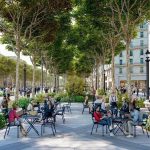
Biophilic design responds to this quiet exhaustion. By reintroducing natural elements such as daylight, vegetation, water and natural materials into urban spaces, it allows the city to breathe again. A shaded walkway, a planted courtyard or a naturally lit interior offers more than visual relief. These spaces slow the body down. Studies indicate that environments connected to nature help reduce stress levels, improve mood and support cognitive clarity, even in high-density cities (Kellert and Calabrese, 2015). When nature is woven into design, urban spaces shift from being purely functional to emotionally supportive. The city does not become silent, but it becomes kinder, offering moments of calm within everyday movement.
Nature as a Quiet Healer in the city
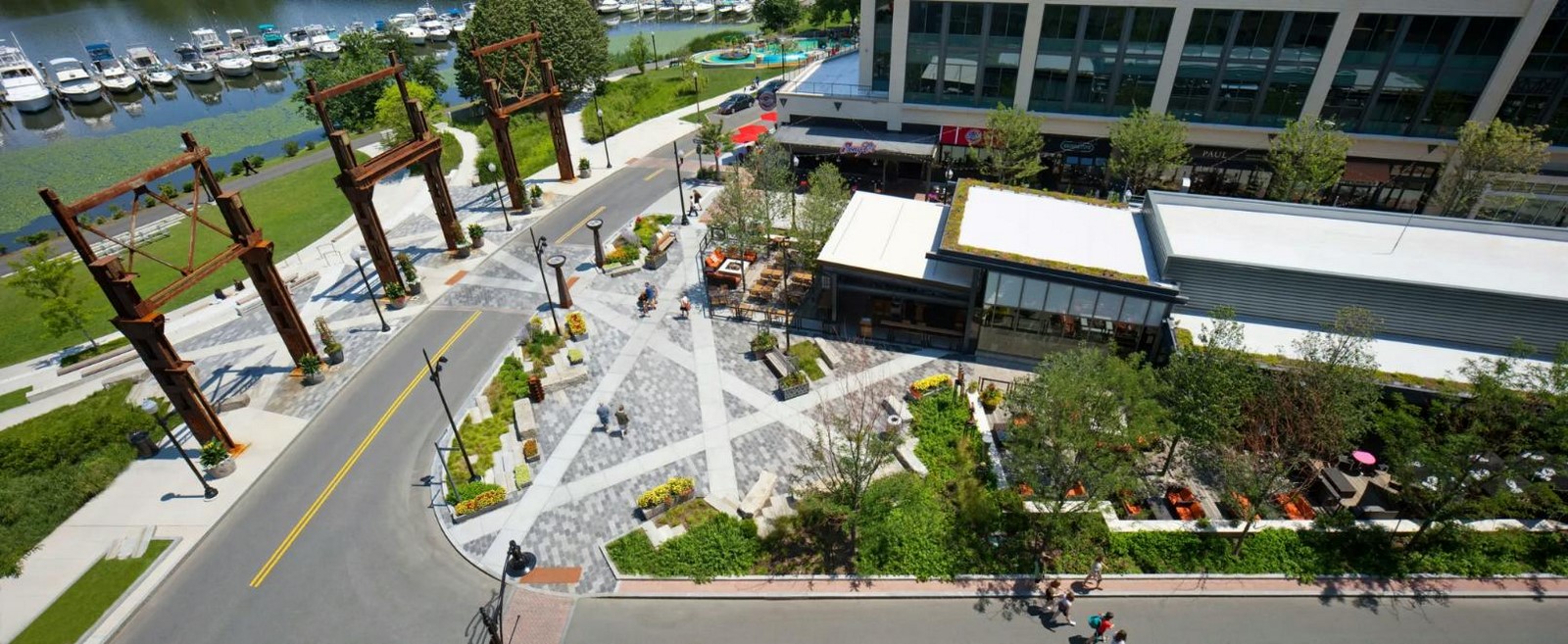
Nature has a way of healing people without asking what went wrong. It does not question stress, anxiety or exhaustion. It simply exists and allows humans to breathe again. In cities where everything demands attention, nature offers pause. A tree outside a window, plants along a walkway or sunlight touching a wall can quietly calm the mind. People may not notice it consciously, but their bodies respond. Heartbeats slow down, thoughts feel lighter and emotions settle. Studies show that exposure to natural elements supports emotional recovery and psychological restoration, even in urban settings (Kaplan and Kaplan, 1989).
In urban life, people are constantly surrounded by noise, screens and speed. There is little space to feel still. When nature enters these environments, it softens them. Green corners in buildings, shaded courtyards or views of the sky allow the mind to rest. Nature does not compete with the city, it balances it. It reminds people that calmness is not luxury but a necessity. Even a small presence of greenery can bring emotional relief (Ulrich et al., 1991). Just like silence after noise feels comforting, nature restores the human mind gently, without force. It gives back peace, without ever taking anything away.
Designing with Nature, Not around it
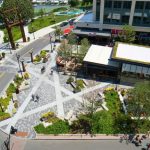
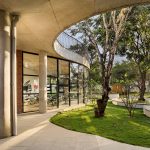
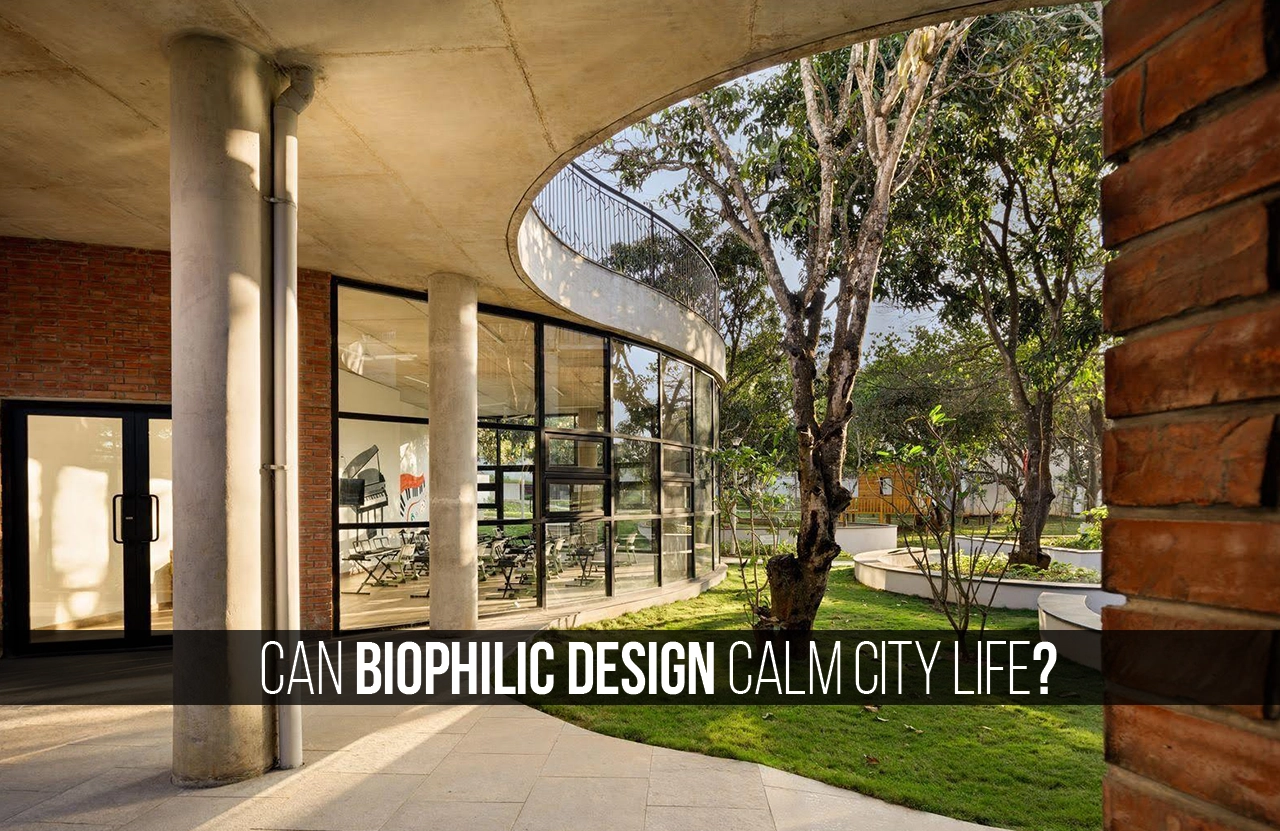
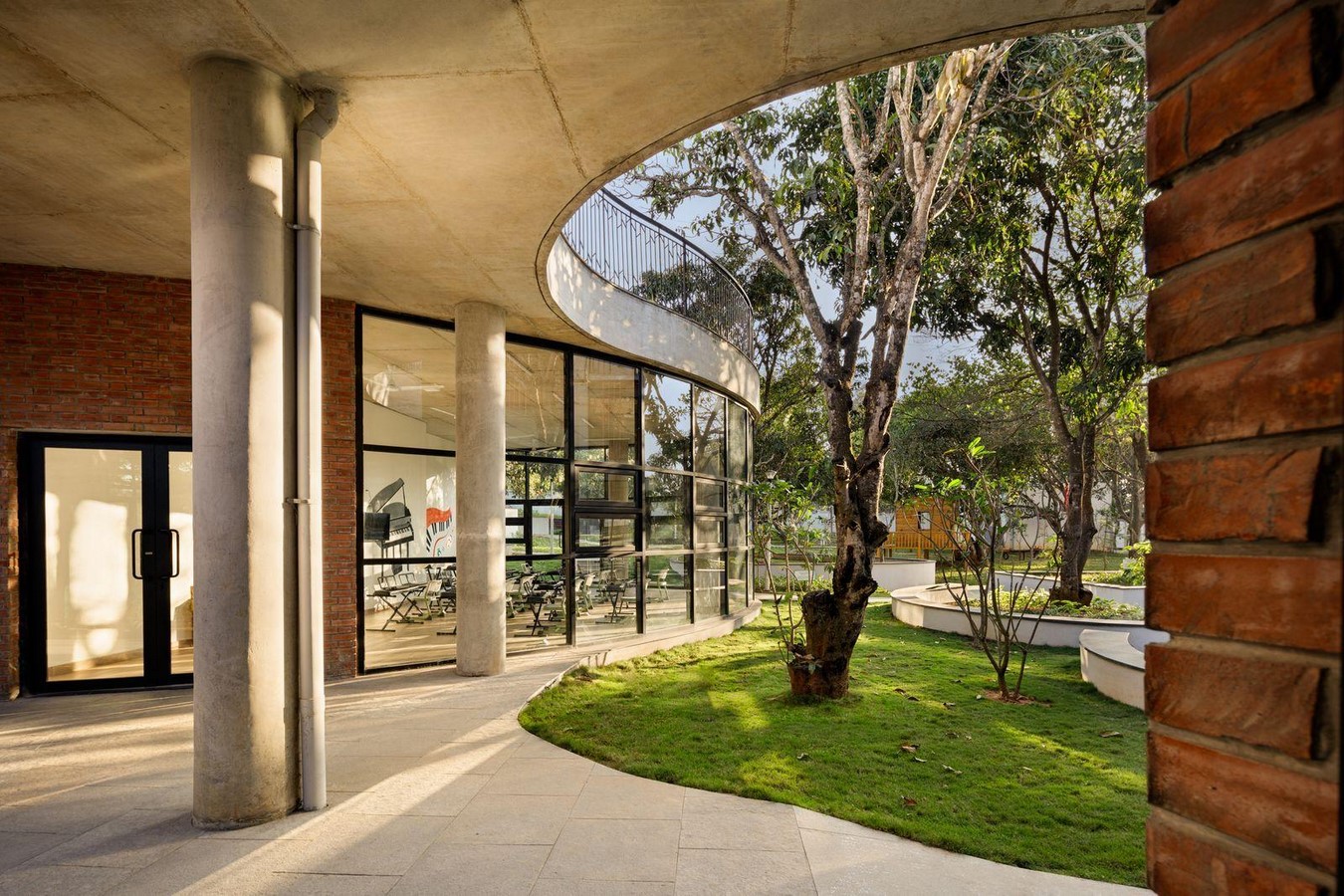
Biophilic design does not mean adding a plant at the corner and calling it sustainable. It is about allowing nature to become part of how a space breathes, moves and feels. When buildings are designed to open towards daylight, when corridors allow air to flow naturally, or when courtyards invite trees instead of sealing everything with glass, the city begins to soften. These choices may look small, but they change how people experience a place every single day (Browning, Ryan and Clancy, 2014).
In dense urban environments, biophilic design acts quietly. Green walls cool heated streets, shaded walkways slow down hurried movement, and water bodies soften the sharpness of surrounding noise. A person may not consciously notice these elements, but the body responds. Stress reduces, attention improves, and spaces feel more welcoming. Cities do not become calm overnight, but through such thoughtful integrations, they become more humane. Biophilic design works best when it is not forced, but gently woven into everyday architecture, allowing people to live closer to nature even when surrounded by concrete (Beatley, 2011).

Biophilic design works best when it is not treated as a special feature, but as a natural part of daily movement. It is not only about large parks or green buildings, but about small moments woven into ordinary spaces. A staircase that receives daylight, a corridor that opens to a tree, a bench placed under shade, or a courtyard that allows air to move freely. These details quietly change how a city feels without demanding attention.
When nature becomes part of everyday routes, people begin to slow down without realizing it. Waiting areas feel less tiring, streets feel less aggressive, and buildings feel more welcoming. Even brief contact with greenery, water, or natural light reduces mental pressure and improves focus. The city does not lose its energy, but it gains balance. In this way, biophilic design does not fight urban life, it supports it.
Urban spaces that integrate nature gently allow people to pause, breathe, and feel present. They remind users that cities are not only for efficiency, but also for living. When nature is stitched into the routine of daily life, the city becomes softer, kinder, and emotionally more sustainable.

Bibliography:
Beatley, T. (2011) Biophilic Cities: Integrating Nature into Urban Design and Planning. Washington DC: Island Press.
Browning, W., Ryan, C. and Clancy, J. (2014) 14 Patterns of Biophilic Design. New York: Terrapin Bright Green.
Kaplan, R. and Kaplan, S. (1989) The Experience of Nature: A Psychological Perspective. Cambridge: Cambridge University Press.
Kellert, S.R. (2018) Nature by Design: The Practice of Biophilic Design. New Haven: Yale University Press.
Kellert, S.R. and Calabrese, E.F. (2015) The Practice of Biophilic Design. Available at: https:/www.biophilic-design.com (Accessed: 2025).
Ulrich, R.S. (1984) ‘View through a window may influence recovery from surgery’, Science, 224(4647), pp. 420–421.