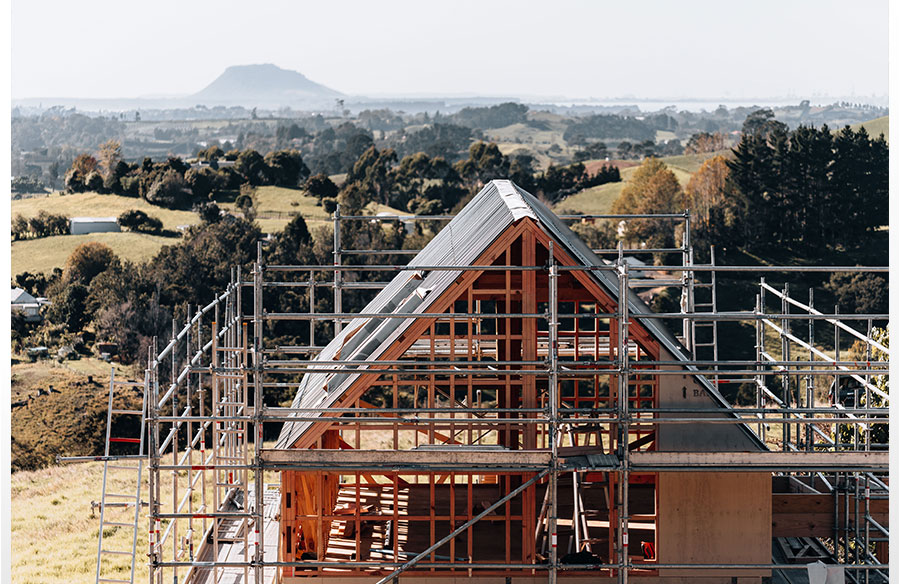
Your dream home starts with an empty plot in Australia. The house building process follows standard industry steps that we have organised into six main phases. You will watch your vision take shape from the ground up to the final details.
Australian house construction moves through site preparation, foundation work, framing, lock-up, interior fitting, and practical completion. The construction phase usually takes 16 to 24 weeks from the first brick to final inspection. The complete process from initial planning to getting your keys can stretch between 6 to 12 months. Each phase requires specific progress payments: 15% at base stage, 20% at frame stage, 25% at enclosed stage, 20% at fixing stage, and 15% when complete.
Let us guide you through each phase of building your home. We will explain every milestone and help you prepare for this exciting experience. This detailed breakdown will give you the knowledge to handle your project confidently, whether you’re building for the first time or want to understand the construction process better.
Pre-construction essentials
Your home building experience starts with several key steps that need attention before construction can begin. These pre-construction basics will help create a smooth building process.
Choosing the right builder
The most significant decision in your home building experience is picking a reputable builder. Research local builders through industry associations like the Master Builders Association or Housing Industry Association. If you’re building in Victoria, you might consider working with a trusted home builder Melbourne who understands local regulations and conditions. Look at their previous work, read client testimonials, and check their licence through your state’s building authority. Builders cannot legally operate without valid licences in most states. On top of that, they must have appropriate insurance, including Homeowners Warranty Insurance that protects against incomplete or faulty builds. You should feel comfortable talking with them since you’ll work together throughout the whole project.
Finalising your home design
An architect or building designer will help create plans that match your lifestyle and budget. These experts help design floor plans, add eco-friendly elements, and pick materials and finishes. The design process starts with an original consultation and moves to a formal design brief. You need a full picture of the site that looks at orientation, topography, and zoning regulations before finalising designs. The formal design brief needs your sign-off, this becomes the foundation for agreed design and cost.
Getting council approvals and permits
Most domestic building work requires a building development approval (or building permit). Your local council needs this formal request to allow development. You’ll need to submit architectural drawings, a Statement of Environmental Effects, and other supporting documents. The process takes different amounts of time. Development Applications (DAs) usually need 6-12 weeks, while Complying Development Certificates (CDCs) take 5-15 business days. Some minor works might qualify as exempt development and won’t need formal approval.
Understanding your building contract
The law requires a written contract for residential building work over $7,600. Jobs over $30,600 need more detailed contracts with dates, signatures, work descriptions, plans, specifications, and warranties. Read all documents carefully before signing, including plans, specifications, Schedule of Finishes, and the Engineers Footing Report. The deposit cannot exceed 10%. A legal professional should review the contract if you’re unsure about any terms. The Fair Trading contract benefits homeowners more, while industry association contracts tend to favour builders.
The 6 key house building stages in Australia
Building your Australian dream home happens in six distinct phases. Each phase marks a milestone that brings your plans closer to reality.
1. Base stage: slab and site preparation
Your home’s construction starts with site preparation. The team clears vegetation, levels the ground, and performs geotechnical testing. They install underground connections for plumbing, stormwater systems, and electrical conduits before pouring the concrete slab. This vital foundation takes 1-3 weeks to complete based on site conditions and weather. The base stage releases a 15% progress payment of the contract value.
2. Frame stage: structure and skeleton
Your home’s shape emerges as the structural skeleton rises. The team erects timber or steel frames for walls, floors, ceilings, and roof trusses. They install rough-ins for plumbing and electrical systems within the frame. A building certifier checks the completed frame to verify safety standards. This phase needs 2-4 weeks and releases about 20% of the contract payment.
3. Lock-up stage: doors, windows and roofing
The house reaches a secure state during the lock-up stage. The team installs external walls, windows, doors, roofing, and cladding. Your property becomes weatherproof and ready for internal work, safe from weather damage or theft. This milestone needs 2-4 weeks and releases 25% of your contract payment.
4. Fixing stage: internal fittings and finishes
The interior transforms into a living space. This phase brings in plastering, tiling, cabinetry installation, skirting boards, electrical fixtures, and bathroom installations. The team applies waterproofing in wet areas. This detailed phase takes 4-8 weeks and releases about 20% of the contract value.
5. Completion stage: final touches and inspections
The team completes all painting, installations and final detailing. Your home goes through quality assurance inspections. They note any minor defects or incomplete items that need fixing. This stage prepares your property for the final handover inspection.
6. Handover: receiving your keys
The practical completion marks the final phase. You’ll walk through your new home with the builder, receive all documentation including certificates and warranties, make the final payment (15% of the contract), and get your keys.
How long does each stage of building a house take?
Building a house in Australia takes different amounts of time, though the construction steps follow a standard pattern. A typical project home takes 6-12 months from empty land to finished house, while custom designs might take up to two years.
Typical timelines for each stage
The site prep work takes 1-2 weeks to clear land and set up underground services. Laying the concrete slab base needs 1-3 weeks. The house’s skeleton comes together in 2-4 weeks during framing. External cladding and lock-up stage runs 2-4 weeks. The team needs 4-8 weeks for interior fixing and fit-out. Final touches and practical completion take 2-4 weeks. The last phase from fixing to completion runs 6-10 weeks based on the home’s size.
Factors that can delay construction
We see delays mainly because of material shortages, not enough skilled workers, and unexpected problems. Housing construction materials have gone up by 15.4% nationwide since 2020. Yes, it is true that 36% of builders say rising material costs are their biggest challenge. Weather issues, site surprises, design changes, and permit delays also push timelines back.
How to stay on track with your builder
You should talk often with your builder to track progress effectively. Ask for a detailed schedule that shows clear milestones. Send stage payments to your bank quickly to keep things moving. Talk about flexible start and finish dates given the current industry challenges.
Progress payments and financial planning
Building your dream home needs smart financial planning because payments happen in stages rather than one lump sum. A good grasp of the payment structure will help you budget effectively during construction.
Standard payment schedule in Australia
Australian construction payments follow standard industry percentages tied to major building milestones. Most residential projects need a 5% original deposit, 15% base stage, 20% frame stage, 25% lock-up stage, 20% fixing stage, and 15% completion. The Northern Territory’s structure is different with 10% at base stage, 20% frame stage, 25% enclosed stage, 30% fixing stage, 7% practical completion and 3% final completion.
What to expect at each payment milestone
Construction loans work differently from regular mortgages through a progressive drawdown system. Your builder will submit invoices at each milestone, and the funds release usually needs an inspection. You’ll pay interest only on the amount drawn from your loan during construction. Your interest payments will grow step by step as more funds are used with each completed stage.
Tips for managing your construction loan
Most lenders will let you make interest-only payments during construction to help with cash flow while your property isn’t liveable yet. Take time to review your budget and make sure you have enough money for expected costs plus some extra for surprises. Keep 10-20% more funds beyond your approved loan amount ready for unexpected expenses. Regular site visits are a great way to get ahead of potential problems before they become serious issues.
Conclusion
Building your dream home in Australia is an exciting yet complex experience. You need to understand each stage of the construction process to direct this life-changing investment with confidence. Your vision becomes reality through six key phases, starting from site preparation and ending with handover.
Time management plays a vital role in your building project. Construction usually takes 16-24 weeks, but weather conditions, material shortages, and regulatory requirements can stretch the timeline. A realistic outlook about this 6-12 month experience will help you avoid stress and disappointment.
Your building project needs solid financial planning. The standard payment schedule releases specific percentages at key milestones, so you must master budgeting and cash flow management. You should also keep a contingency fund of 10-20% above your approved loan amount to cover unexpected costs that almost always pop up.
Clear communication with your builder is the lifeblood of a successful project. Your construction experience becomes smoother when you visit the site regularly, document changes clearly, and process stage payments promptly. Setting realistic expectations about possible delays from the start helps build a positive working relationship.
Building a home means more than just construction, it’s creating your future living space. You’ll face challenges along the way, but the joy of walking into a home built just for you makes it all worthwhile. Soon you’ll hold the keys to your brand-new Australian home, thanks to careful planning, close oversight, and patience through each stage.