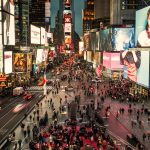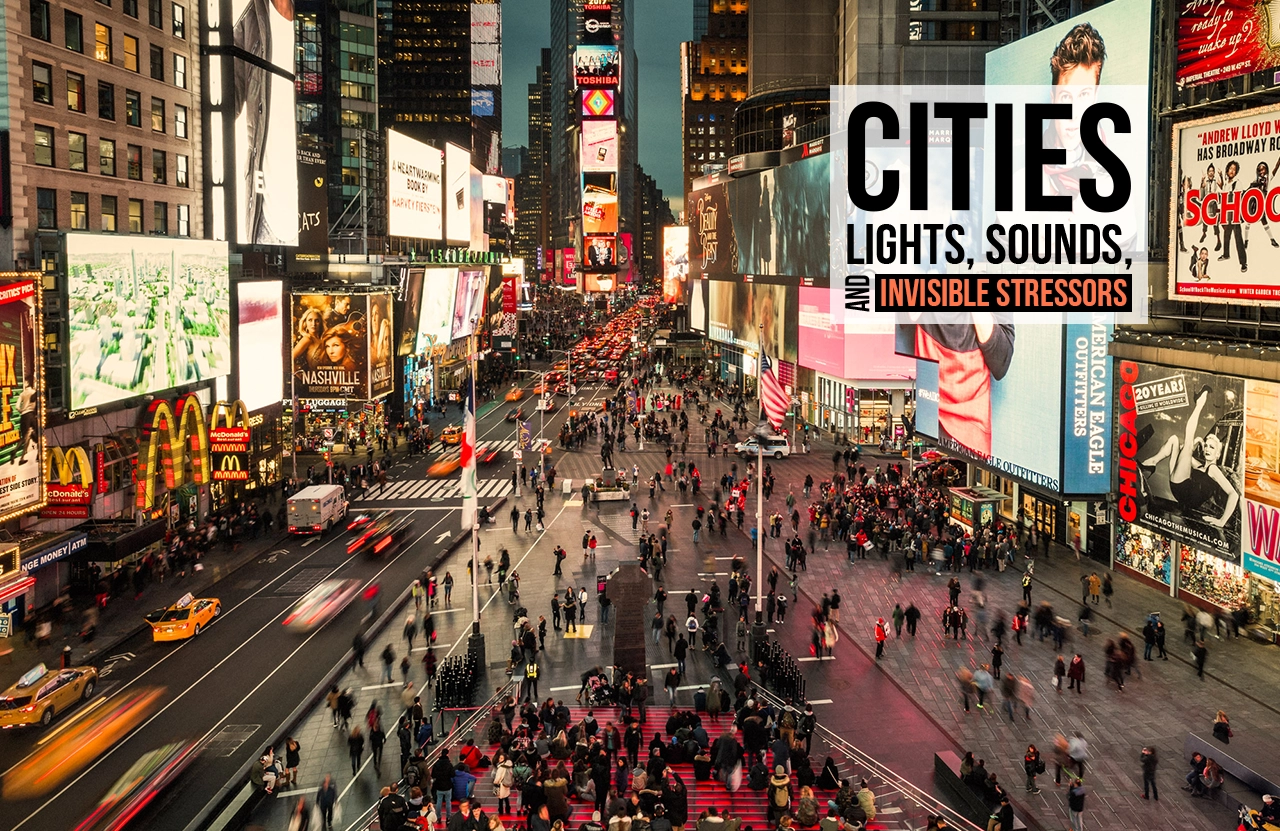
Continuous development and growing economic opportunities are fuelling urban expansion. More than half of the world’s population now resides in cities (Gómez et al., 2020). To stay on par with the lifestyle expectations of residents, urban areas are curating facilities, activities, and interventions. People migrating to cities are awestruck by the first glimpse of the illuminated billboards. The hustle during the day and the vibrancy at night are the essence of an urban neighbourhood. A city offers desirable attributes, namely public facilities, diversity, quality education, and efficiency. The glowing lights and passive sounds of traffic and construction are integrated features of the city.
Sounds of Urban Life
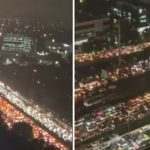
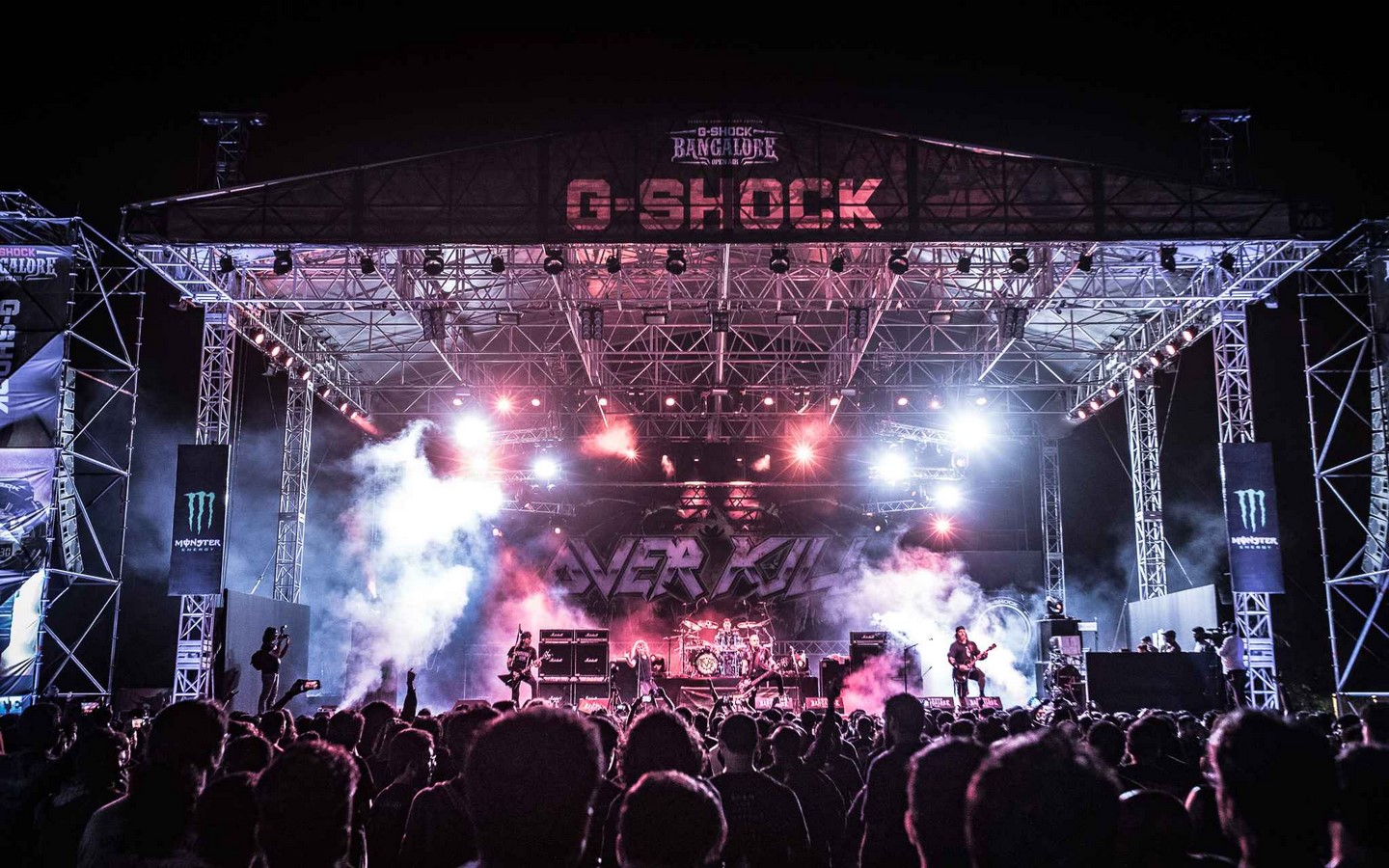
A city echoes a combination of active and passive sounds. Daily activities such as traffic, industries, construction, and social programs are among contributors to the city’s sounds (Chung et al., 2016). Residents and visitors are the participants of these activities. It is observed that in an urban park, the sounds do exceed the threshold level, but they are not annoying as the natural sounds offset the negative effects of the traffic noise (Chung et al., 2016). Survey and studies show that the noise pollution usually occurs by vehicular noises, especially by the motor vehicles during peak hours (Gómez et al., 2020). The soothing sound of nature relaxes the park visitors, like it’s an escape from the vehicular noises.
The environmental sounds induce some feelings in humans, which can be good or bad. As per a study, employees found their workplace to be noisy, and half of them found it annoying as well (Chung et al., 2016). In commercial areas, workers conveyed that traffic is not as noisy as social activities (Chung et al., 2016). Urban centres and downtowns are the nexus of sound production. While people are embracing city life, the city itself is engulfed in noise.
Glowing cities
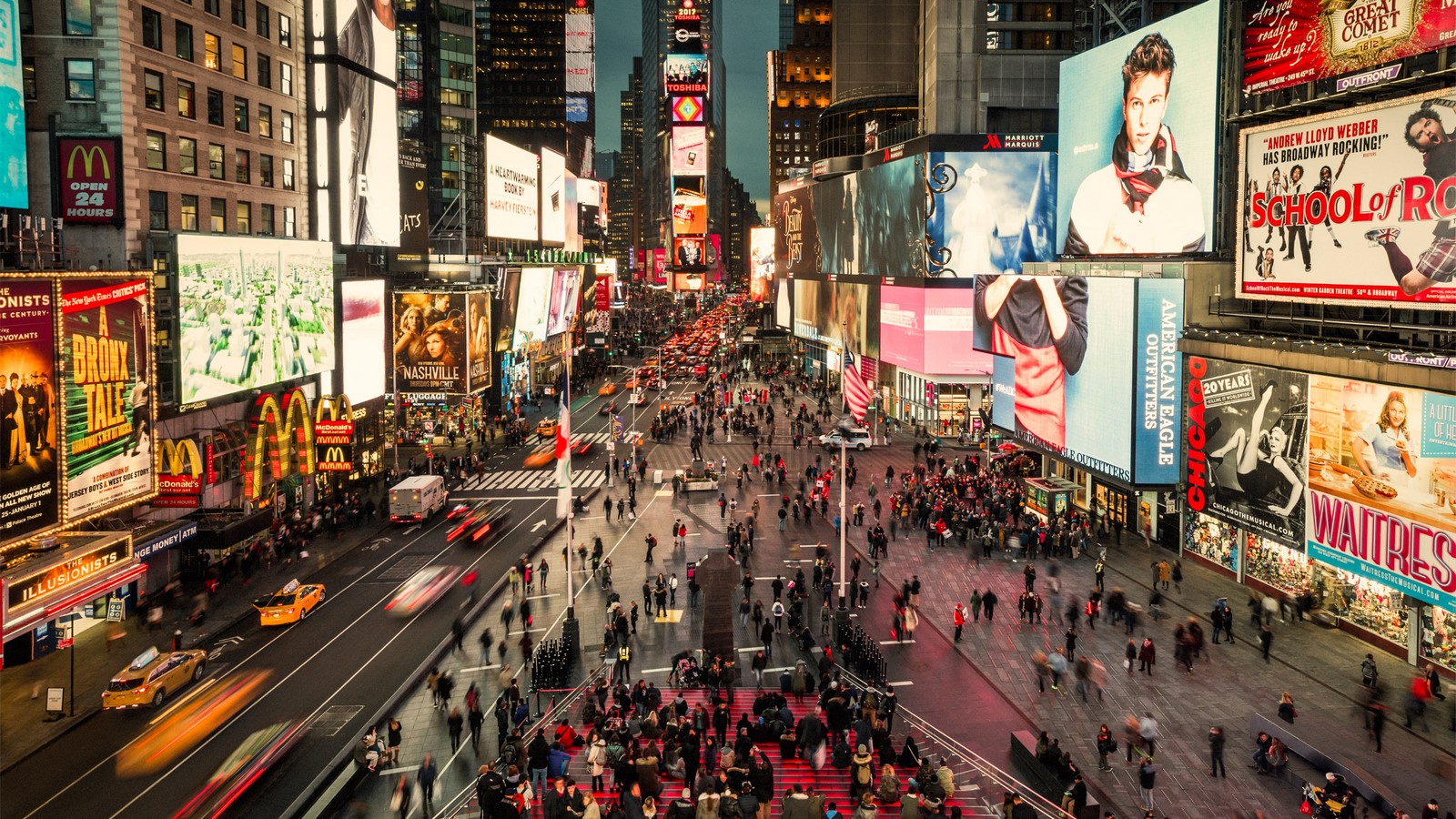
After spotting bright lights, flipping electronic billboards, and 3D animation on large screens, one acknowledges cognitively that they are in the heart of a city. Artificial lights accentuate the glow of a city. About 80% of the world’s population is under the noctilucent skies (Ye et al., 2024). With rapid urbanisation, outdoor noctilucent areas are expanding at 2.2% and artificial light at night (ALAN) intensity growth is at 1.8% (Ye et al., 2024). Streetlamps, building illuminations, vehicles, and nighttime production are major contributors to ALAN (Ye et al., 2024). The night lights make the streets brighter and increase the activity levels. Citizens like being surrounded by active areas.
Intersection of sound and lights
The city lights and the urban hum are anchors of a city. Fast-paced urban expansion and nighttime activities are increasing the areas exposed to noise and lights (Yu et al., 2023). A study conducted on intolerance and discomfort caused by noise and light exposure before sleep indicates that noise has a greater impact than the lights (Yu et al., 2023). It can be inferred that lights are silent features that can be harmful to humans after prolonged use; however, at an immediate level, noises are more unbearable.
Humans have a high intolerance of traffic and the lowest of other people talking (Yu et al., 2023). In the case of lights, colour temperature plays a minimal role in terms of intolerance (Yu et al., 2023). Prolonged noise exposure can affect the nervous, immune, and digestive systems, whereas lights can disrupt circadian rhythm and put one at risk of prolonged diseases (Yu et al., 2023). At a combined level, both of them are slowly affecting human health in the long run.
Invisible stressors
Urban settings are the core of evolutionary transformation. Noise and lights harm human life as well as have a significant negative impact on nature (Yu et al., 2023). Urbanisation creates ecological conditions for altered migration patterns and new competitors (Perry & Göttert, 2024). Invasive species adapt to the climate and evolve. Urban traffic, especially during peak hours, contributes to noise and light pollution by intensifying their combined impact.
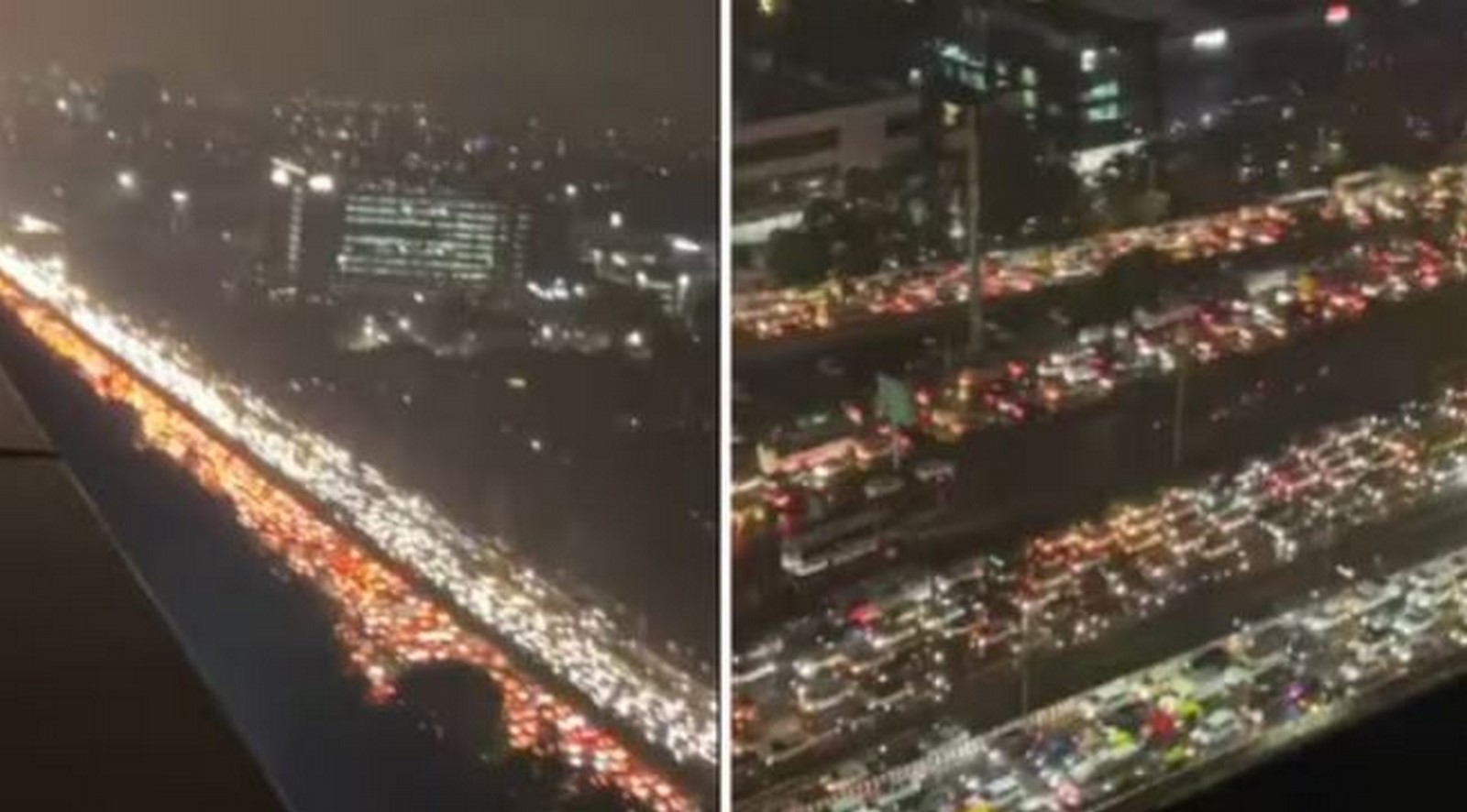
The World Health Organization recognised noise as a pollutant in 1972 (Chung et al., 2016). In residential areas, people have complained about noises affecting sleep quality and causing sleep disturbances (Chung et al., 2016). Whilst the continuous sounds of horns, social activities, and construction are passive to the ears, they are beyond the limits and can cause harm to life.
Although the night lights increase productivity, they have significant effects on human life. It disrupts the circadian rhythm, which could lead to other health issues such as visual damage, insomnia, and hypertension (Ye et al., 2024). Another impact of lights is on the environment due to energy wastage and carbon emissions (Ye et al., 2024). With no public, the lights on the streets, which are constantly on, are consuming energy.
Cities are enthralling, but they come with side effects. In the past years, the economic growth in the cities has supported human progress; however, it has been accompanied by certain illnesses. The invisible pressures of the city will not be realised immediately, but they surface slowly. Is mankind ready to face the consequences if the issue at hand escalates? Despite diversity and economic promise, the urban centres present a complex interplay between sensory, social, and environmental pressures.
References:
- Chung, M.K., Lee, J., Kim, Y.S., Lee, S.W. and Lee, J.K., 2016. Effects of Noise on Human Health: A Review of Literature. Journal of the Korean Society for Environmental Education, 29(4), pp.1-12. Available at: https://pmc.ncbi.nlm.nih.gov/articles/PMC4918656/
- Gómez, D. I., De Haro Mota, R. & Marceleño Flores, S., 2020. Assessment of Environmental Noise in Cities: A Theoretical Approach. Prizren Social Science Journal, 4(3), pp.33–38. doi:10.32936/pssj.v4i3.183.
- Perry, G. & Göttert, T., 2024. The City as an Evolutionary Hothouse — The Search for Rapid Evolution in Urban Settings. Diversity, 16(6), p.308. doi:10.3390/d16060308
- Ye, Y., Tong, C., Dong, B., Huang, C., Bao, H. & Deng, J., 2024. Alleviate light pollution by recognizing urban night-time light control area based on computer vision techniques and remote sensing imagery. Ecological Indicators, 158, 111591. doi:10.1016/j.ecolind.2024.111591
- Yu, Y., Feng, D., Zhang, X. & Kang, J., 2023. Influence of sound and light combined conditions in urban environments on residents’ tolerance limits in pre-sleep state. Frontiers in Psychology, 14, p.1102761. doi:10.3389/fpsyg.2023.1102761. PMCID: PMC10225650.
Image References:
- Festivals From India 2022, Copy-of-BoA_2018_Mohit108-2_11zon, photograph, viewed 11 December 2025, https://blog.festivalsfromindia.com/wp-content/uploads/2022/03/Copy-of-BoA_2018_Mohit108-2_11zon.jpg
- Dezeen (2017) Times Square New York redesign pedestrian area Snohetta Midtown Manhattan opening, image, uploaded 2017. Available at: https://static.dezeen.com/uploads/2017/04/times-square-new-york-redesign-pedestrian-area-snohetta-midtown-manhattan-opening_dezeen_hero.jpg
- Hindustan Times (2025) Gurgaon traffic image, 1 September. Available at: https://www.hindustantimes.com/ht-img/img/2025/09/01/550×309/Gurgaon_traffic_1756747131831_1756747172862.png (Accessed: 14 December 2025).