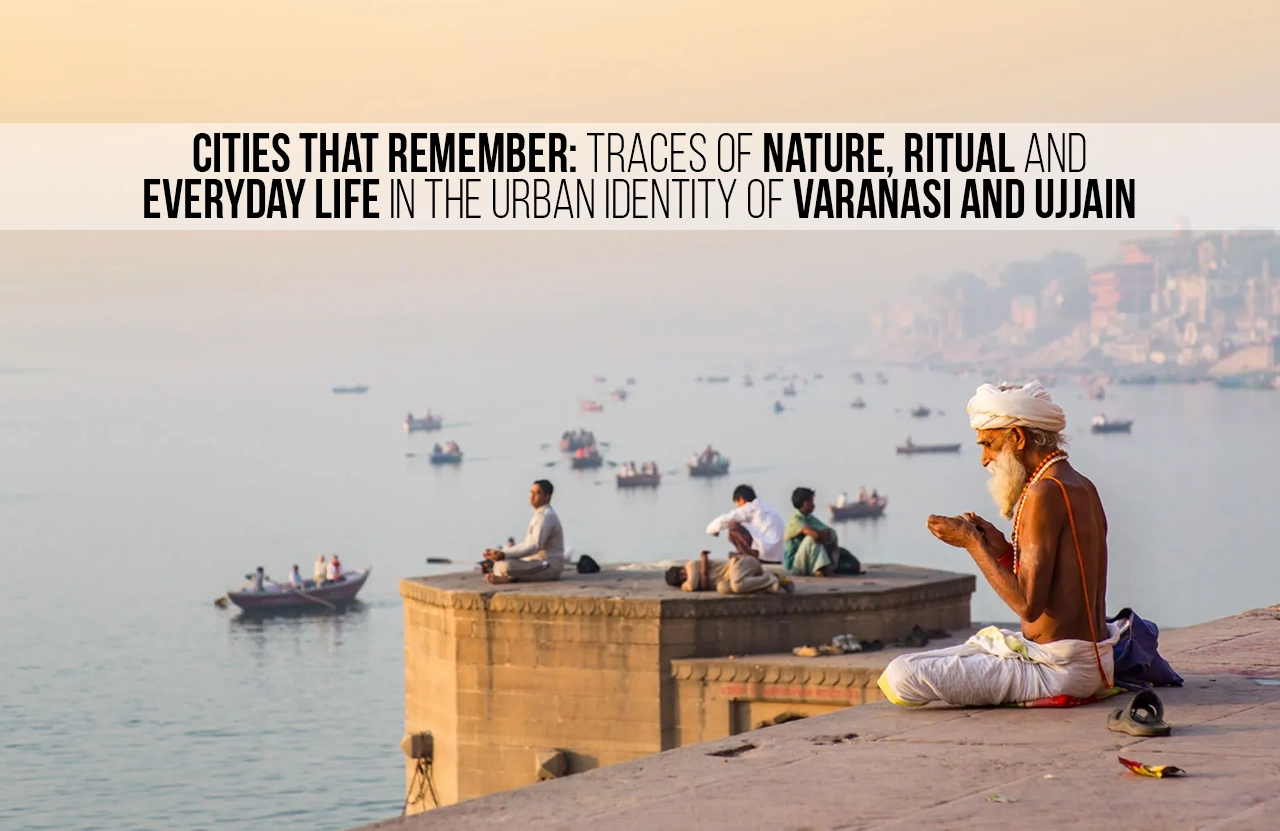
Today’s cities are described in terms of infrastructure, economic development, and progress. Streets have been expanded, riverbanks have been redeveloped, and neighborhoods have been altered in the name of modernization. However, beneath all the alterations lies an underlying reality that still defines a place’s unique characteristics. Cities were never about economics until their emergence from nature. Rivers dictated settlements, terrain affected transit, and ecology defined traditions. Through years of such relationships, unique identities have been formed for many cities. Despite the change in the built environment, evidence of these relationships still lingers on to give a sense of stability. It is very clear in the case of India’s pilgrim towns whose identities remain intact despite being modernized.
Nature as the Original DNA of Pilgrimage Cities
One of the most ignored aspects of the identity of the city is the role of nature in the creation of cities. Urban planning in contemporary times treats water bodies such as rivers and lakes along with ecological systems as amenities or environmental components. In ancient times, however, rivers and lakes played a pivotal role in the genesis of cities.
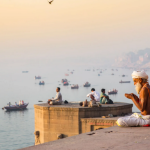
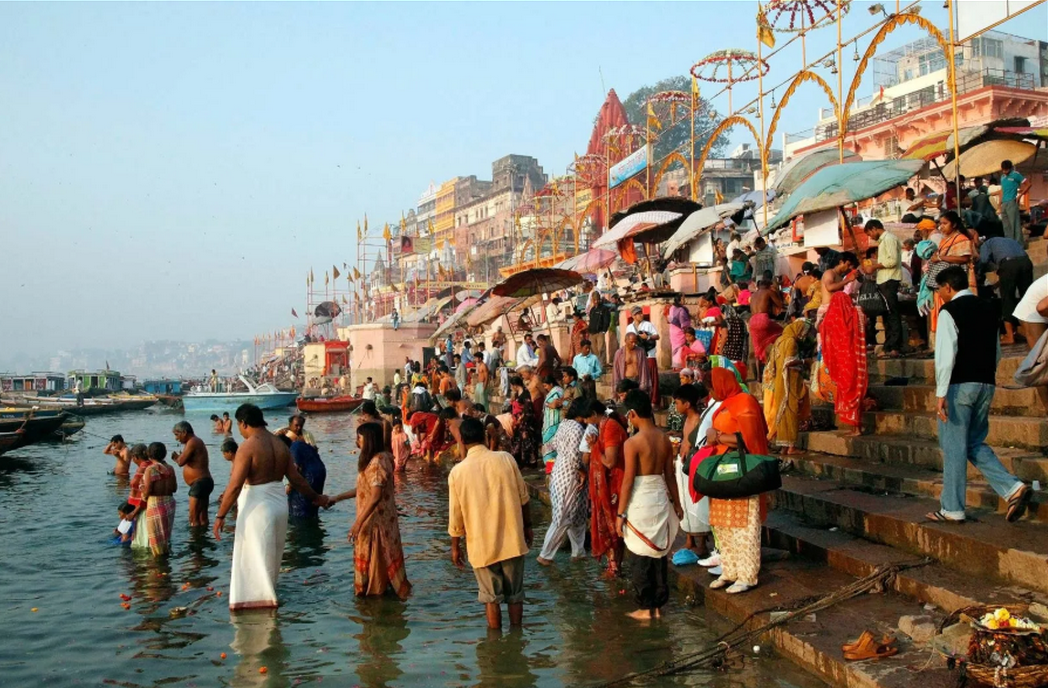
Examples of cities that have been created due to their relationship with rivers include Varanasi and Ujjain where the Ganga River and Kshipra River played crucial roles in their creation. They provided water for agricultural activities, were means of transport and served as sites of religious beliefs.
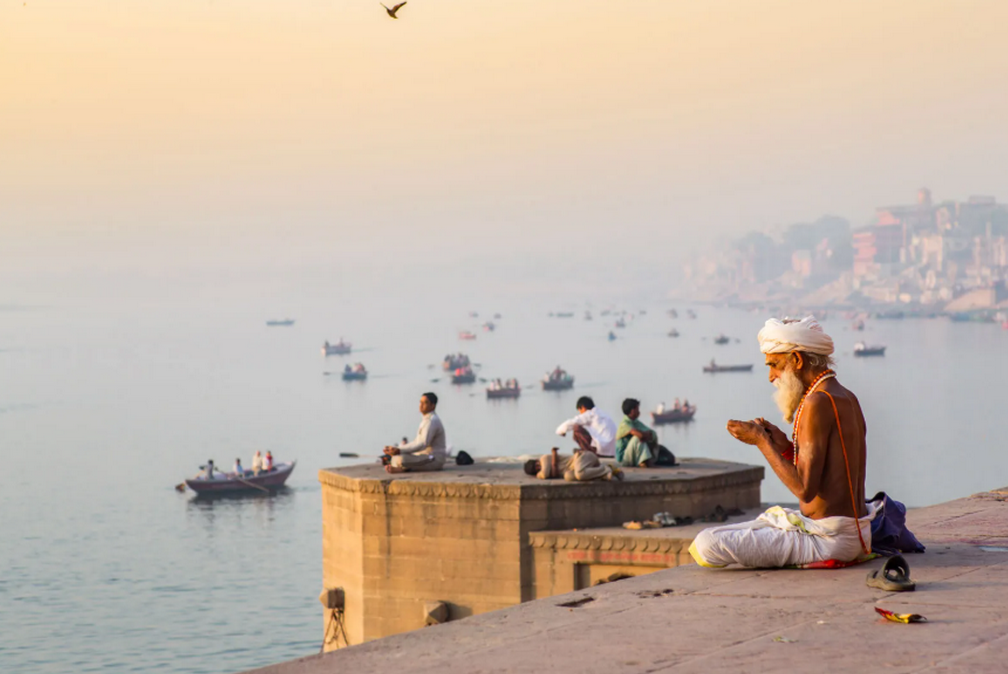
Over the passage of time, they turned into cultural infrastructure around which social and ritual activities were organized. The importance of these rivers is still evident through the rituals and daily activities associated with them. Even when modernization leads to changes in the physical context, the river serves as the central point of reference. This is indicative of genius loci or spirit of place as suggested by Christian Norberg-Schulz (1980).
Varanasi: A City Organised Around the River
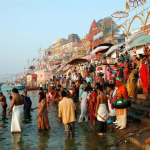
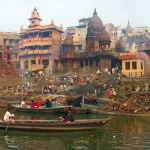
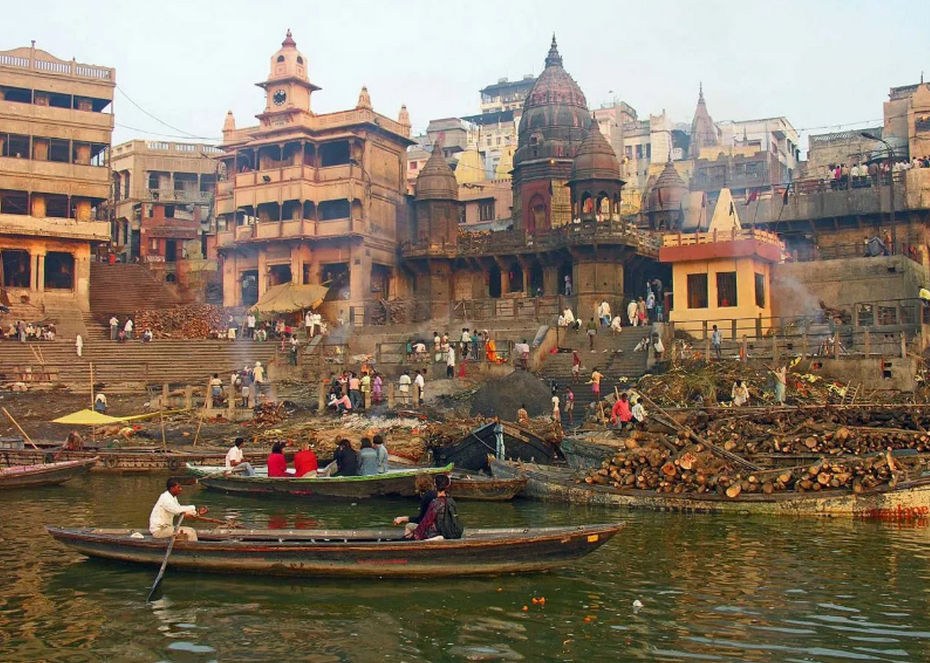
Varanasi is frequently referred to as one of the oldest continuously inhabited cities in the world. At the same time, Varanasi is deeply connected to the Ganges. Unlike many other cities where rivers are used as demarcation lines, the river in this case acts as the central axis of urban life.
This connection can be seen from the famous ghats of the city. Running through the river, the ghats are places where people come to perform religious duties, worship, meet other individuals, trade and even have some fun. In the morning, hundreds of people come to the riverbank where they perform rituals or their everyday tasks.
In addition to that, the influence of the river does not stop at the spiritual aspect; it affects the way in which people interact, move about and earn a living. Fishermen, flower vendors, musicians, priests and craft workers rely on the activities associated with the river directly or indirectly.
New interventions like the Kashi Vishwanath Corridor have completely transformed portions of the historical urban texture. They helped in improving access from the temple to the river, providing larger open areas and enabling the movement of pilgrims. However, at the same time, questions were raised about demolition, displacement, and the erosion of the traditional character of the neighbourhood. It was felt that while access had improved, certain aspects of the sense of space had been lost.
But even then, the identity of the city persists with great resilience. Pilgrims continue to congregate on the ghats, rituals are practiced daily, and Ganga continues to hold significance for everyone. The identity of the city persists because it is rooted in relationships and not architecture.
Ujjain: Sacred Geography and Urban Continuity
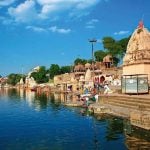
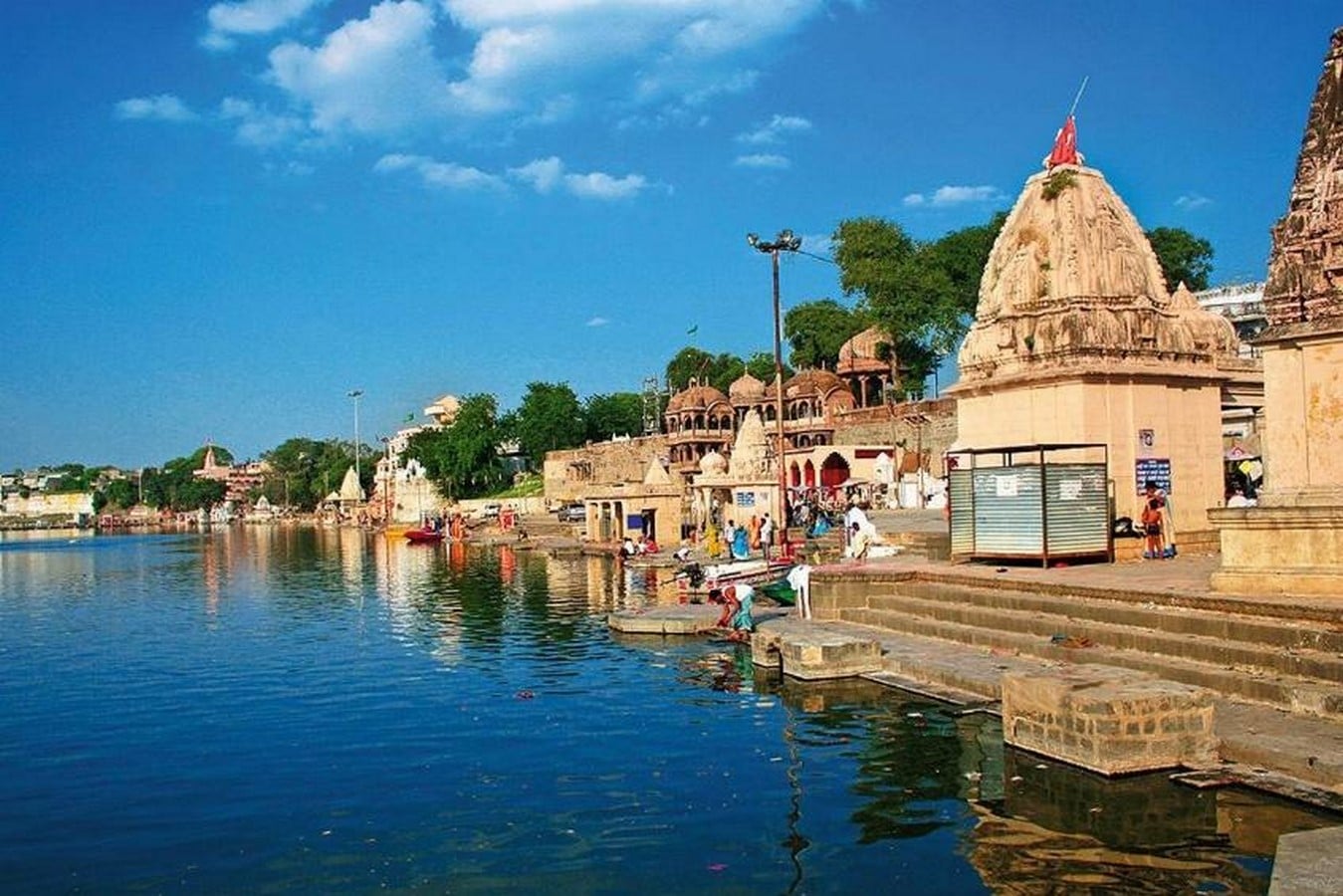
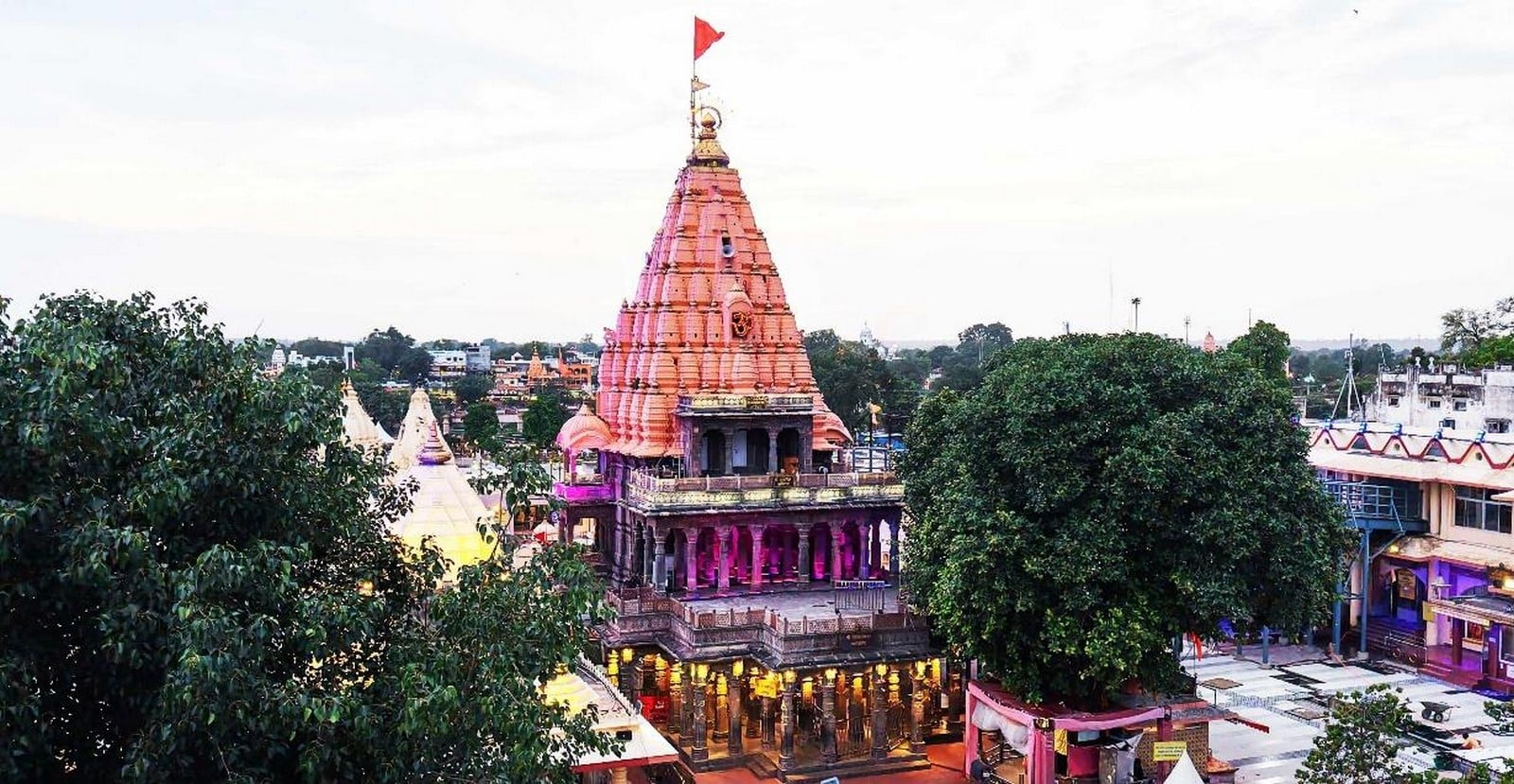
Just like Varanasi, Ujjain finds its identity through its relationship with its sacred riverine landscape. Located on the banks of the Kshipra, Ujjain has been traditionally considered one of the most sacred cities in India, known for being the location of great astronomical, trading, scholarly and spiritual activity, and was historically called Avantika.
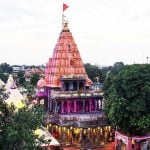
The Mahakaleshwar Temple is the center around which the whole city is built. However, its significance should not be considered without referring to the larger sacred landscape which includes the Kshipra River, pilgrim routes, ghats and ritual sites, all of which interconnect and form a web of relations which underlie urban existence.
Perhaps no other event represents the relationship between these different elements better than the Simhastha Kumbh Mela, during which millions of pilgrims visit Ujjain to take part in the festival. During the celebrations, roads, public spaces and the riverside areas become transformed in accordance with rituals.
Recently, the Mahakal Lok Corridor can be considered to be one of the most important projects carried out in Ujjain. In an effort to enhance accessibility and enrich the experience of pilgrimage, the corridor has been built, creating a completely new space in the form of the temple complex. Although it has become popular due to its aesthetical and structural aspects, it was also criticised for being inauthentic and promoting commercialization.
However, similar to Varanasi, the essence of the urban identity still exists. It is sustained by daily rituals such as worship, rituals, trade practices, and interactions with the river. The example of Ujjain shows that urban identity is not static; it evolves over time.
Everyday Life as a Carrier of Memory
Urban identity is resilient due to the routine activities that people undertake. Places are not defined by monuments alone; rather, they are remembered through the routines that are performed day in, day out.
Varanasi is an example of a city that boasts of narrow lanes with shops, chai stalls, and temples. Such routine activities as the conversations that take place in the streets, the ringing of the temple bells, the fragrance of the incense sticks, and the pilgrimage processions on the streets all help to create a sense of place.
Likewise, in Ujjain, the bazaars, shrines, and local hangouts serve as sites for socialization, hence, helping to create a sense of community identity. They provide informal repositories of memory and allow traditions to be passed on from one generation to another.
According to Henri Lefebvre (1991), space is socially constructed through routine activities. This can help us to understand how places manage to maintain their identity despite physical changes.
Sensory Landscapes and Urban Identity
The urban identity is felt through senses, where the sounds, smells, and tastes of the cities help create an emotional attachment and cultural memory.
The city of Varanasi has many sensory memories associated with it, like the smell of marigold flowers, the aroma of incense, the taste of Banarasi paan, and the sounds of evening aarti performed on the river. Likewise, the city of Ujjain has its own sensory environment that comes from temple rituals and food festivals.
These are some examples of the concept of embodied memory introduced by Juhani Pallasmaa (2012). Individuals do not only remember spaces visually but also through their sensory encounters.
Transformation Without Amnesia
The assumption prevalent in the discourse on heritage is that transformation entails loss. The examples of Varanasi and Ujjain indicate that there may be another aspect to this issue.
Both cities have witnessed considerable transformation over time. Projects of infrastructure, tourism, and economic development have changed their physical character. However, neither city is suffering from cultural forgetting. Rather, identity continues to be produced through rituals, memory, and association with nature.
This phenomenon demonstrates what Bandarin and van Oers (2015) refer to as the Historic Urban Landscape approach, which emphasizes the dynamic quality of urban life, as opposed to treating cities as static artifacts. It holds that identity is produced in interactions between natural, cultural, and social processes. As long as these processes continue, urban identity remains unbroken despite transformations in physical characteristics.
Lessons for Contemporary Cities
Lessons learned from Varanasi and Ujjain have relevance for modern-day urbanization practices.
First, cities must understand that nature is a key part of identity. Not only is it an environment but also a cultural element that forms identity and creates shared memory.
Second, planning efforts must include consideration of intangible heritage. Rituals, food habits, and other elements make up the identity just as physical objects do.
Third, urban planning needs to address the needs of day-to-day life. Markets and informal social interactions are crucial for sustainable urban areas.
Fourth, the effort to preserve heritage has to go beyond mere preservation of separate structures into the preservation of connections between all of them.
The histories of Varanasi and Ujjain highlight the fact that cities are remembered through far more than architecture. It is not just the temples, monuments, or historic sites that constitute their identities. They are the product of long-lasting interactions between rivers, rituals, sensory experiences, and other practices.
Even after significant changes brought about by urbanisation, both cities still find their meaning in the ecological systems that originally defined them. The Ganga and the Kshipra are more than rivers in themselves—they serve as a framework within which collective memory and society continue to grow. Rituals bring life to the public spaces, markets continue to create opportunities for socialising, and the sensory experiences continue to instill feelings of attachment.
In an era when many cities are threatened with being made increasingly homogeneous, Varanasi and Ujjain provide examples of the importance of sustaining connections with nature and culture. By continuing to do so, they show how to maintain city identity even when the landscape has changed significantly. This is what makes them cities that remember—because they sustain their connection with nature, rituals, and practices rather than resisting change.
References:
Adger, W. N. (2000). Social and ecological resilience: Are they related? Progress in Human Geography, 24(3), 347-364. https://doi.org/10.1191/030913200701540465
Bandarin, F., & van Oers, R. (2012). The historic urban landscape: Managing heritage in an urban century. Wiley-Blackwell.
Bandarin, F., & van Oers, R. (2015). Reconnecting the city: The historic urban landscape approach and the future of urban heritage. Wiley-Blackwell.
Carmona, M. (2021). Public places, urban spaces: The dimensions of urban design (3rd ed.). Routledge.
Eck, D. L. (2012). India: A sacred geography. Harmony Books.
Edensor, T. (2020). The sensory city and urban atmospheres. Urban Studies, 57(3), 567-582.
Hayden, D. (1995). The power of place: Urban landscapes as public history. MIT Press.
Lefebvre, H. (1991). The production of space (D. Nicholson-Smith, Trans.). Blackwell. (Original work published 1974)
Lewicka, M. (2011). Place attachment: How far have we come in the last 40 years? Journal of Environmental Psychology, 31(3), 207–230. https://doi.org/10.1016/j.jenvp.2010.10.001
Lynch, K. (1960). The image of the city. MIT Press.
Meerow, S., Newell, J. P., & Stults, M. (2016). Defining urban resilience: A review. Landscape and Urban Planning, 147, 38–49. https://doi.org/10.1016/j.landurbplan.2015.11.011
Norberg-Schulz, C. (1980). Genius loci: Towards a phenomenology of architecture. Rizzoli.
Pallasmaa, J. (2012). The eyes of the skin: Architecture and the senses (3rd ed.). Wiley.
Pink, S. (2015). Doing sensory ethnography (2nd ed.). Sage.
Rapoport, A. (1969). House form and culture. Prentice-Hall.
Relph, E. (1976). Place and placelessness. Pion.
Sharma, K., & Jain, A. (2022). Riverfront redevelopment and cultural landscapes in Indian cities. Journal of Urban Design, 27(4), 512–530.
Singh, R. P. B. (2009). Banaras: Making of India’s heritage city. Cambridge Scholars Publishing.
Singh, R. P. B. (2018). Heritage, pilgrimage and cultural landscapes in sacred cities of India. South Asian Studies, 34(2), 127–141. doi:10.1080/02666030.2018.1514713
Tuan, Y.-F. (1977). Space and place: The perspective of experience. University of Minnesota Press.
UNESCO. (2011). Recommendation on the historic urban landscape. United Nations Educational, Scientific and Cultural Organization.
UNESCO. (2016). Culture: Urban future—Global report on culture for sustainable urban development. UNESCO Publishing.
van Oers, R., & Pereira Roders, A. (Eds.). (2014). Historic cities: Issues and challenges of urban conservation. Springer.
Britannica Editors. (2026, May 21). Varanasi | History, Map, population, river, pilgrimage, & Facts. Encyclopedia Britannica. https://www.britannica.com/place/Varanasi
Aajkal, T. (2023, March 4). Top destinations in Ujjain. TravelAajKal. https://travelaajkal.com/top-destinations-in-ujjain/
Shri Mahakaleshwar Jyotirlinga, Ujjain. (n.d.). https://mahakal-web-dev.brainabove.net/