Public transportation is more than just a means of moving people from one place to another; it is the heartbeat of urban growth, and the means of transport are the arteries that transmit inside and outside the city. Worldwide, urbans have long recognized the role that public transport plays in the formation of sustainable development. From rapid bus transportation (BRT) in Bogotá to Tokyo precision rail systems, transportation joins jobs, houses, schools and services. In developing cities, where they dominate poorly maintained informal traffic systems, formal public transport is still emerging as a transforming force.
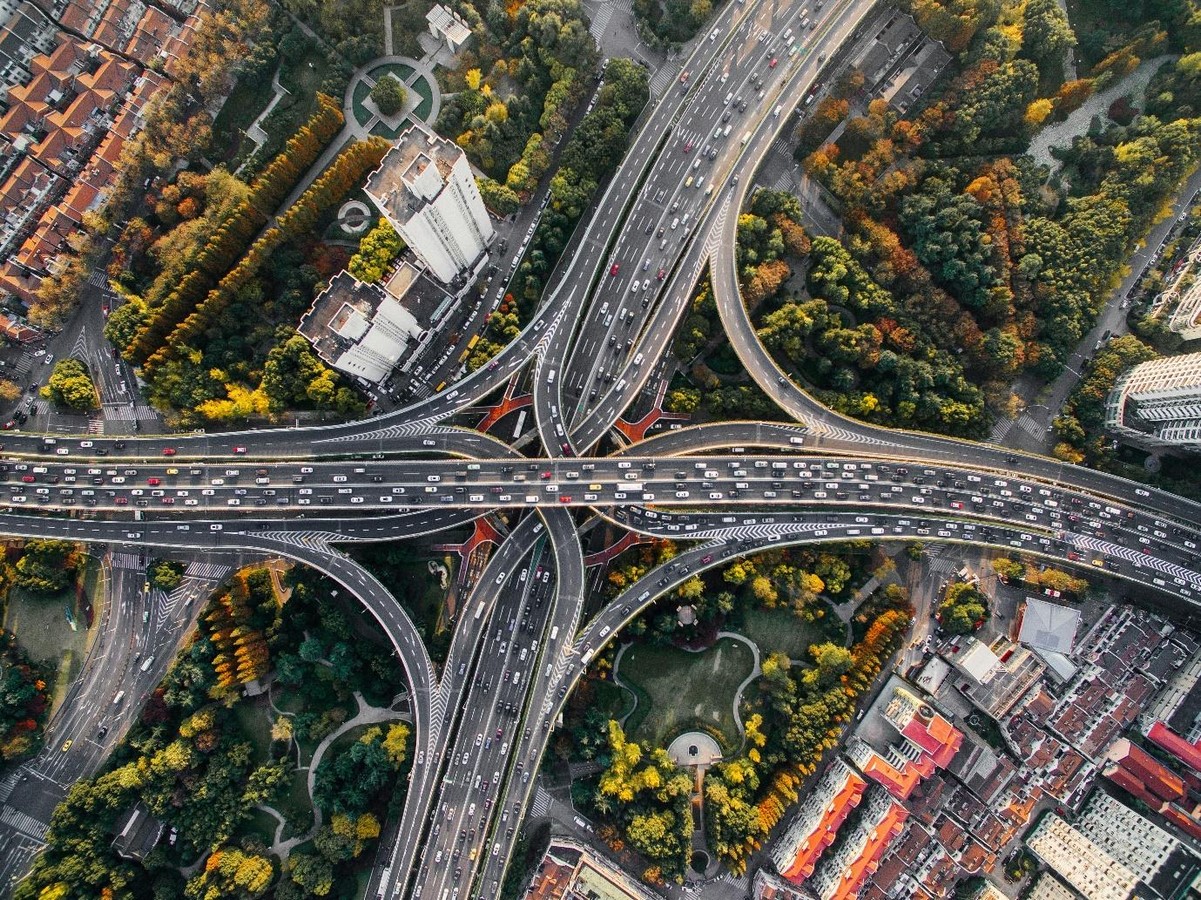
This article looks into examples of Africa’s most expanding cities such as Lagos, Nairobi and Dar es Salaam. It also emphasizes that when mobility improves, the same happens with lives and subsistence means. But where transport fails, the city fails.
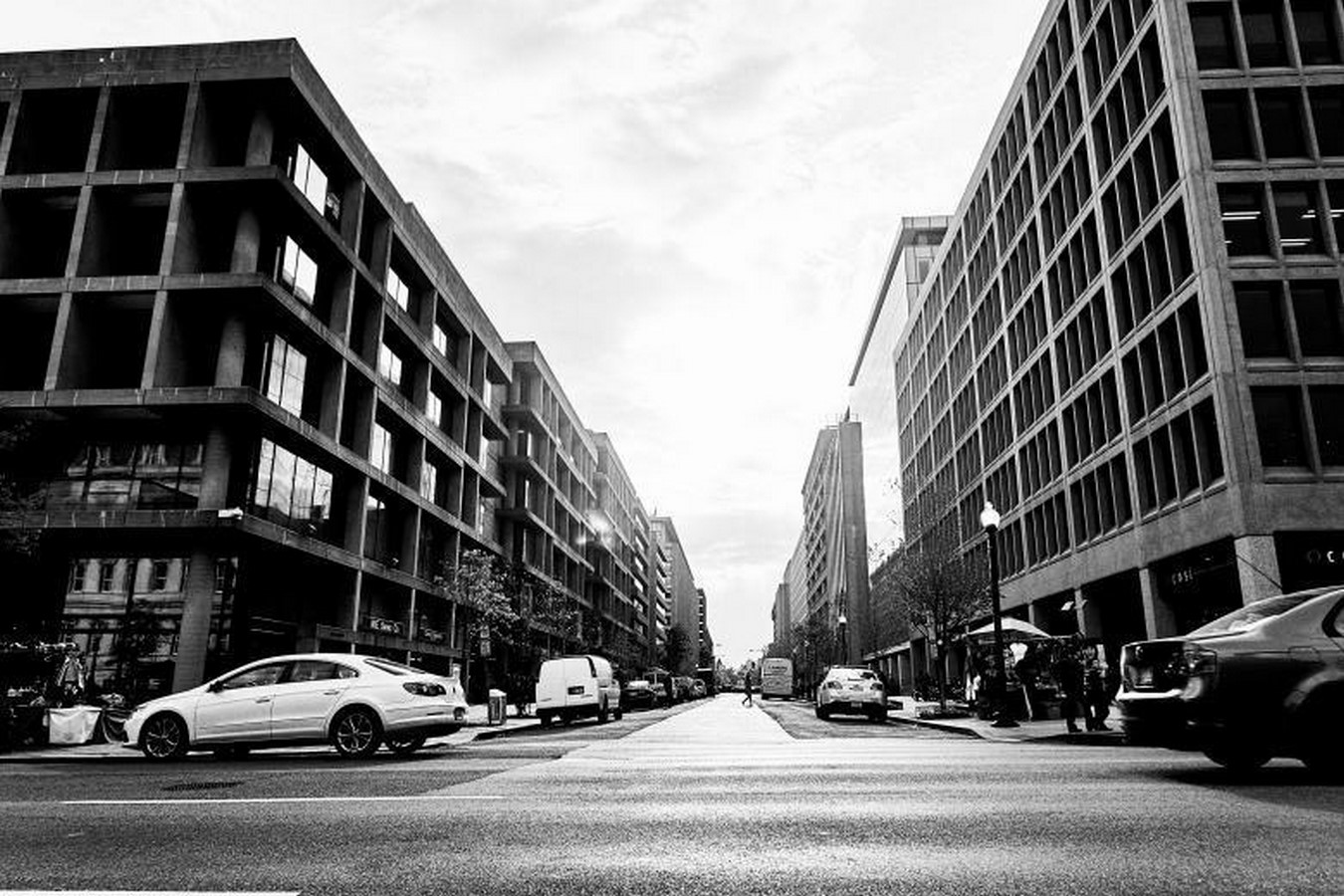
Public Transport and Development in Africa
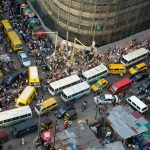
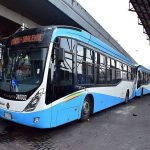
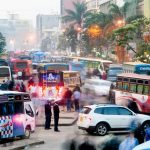
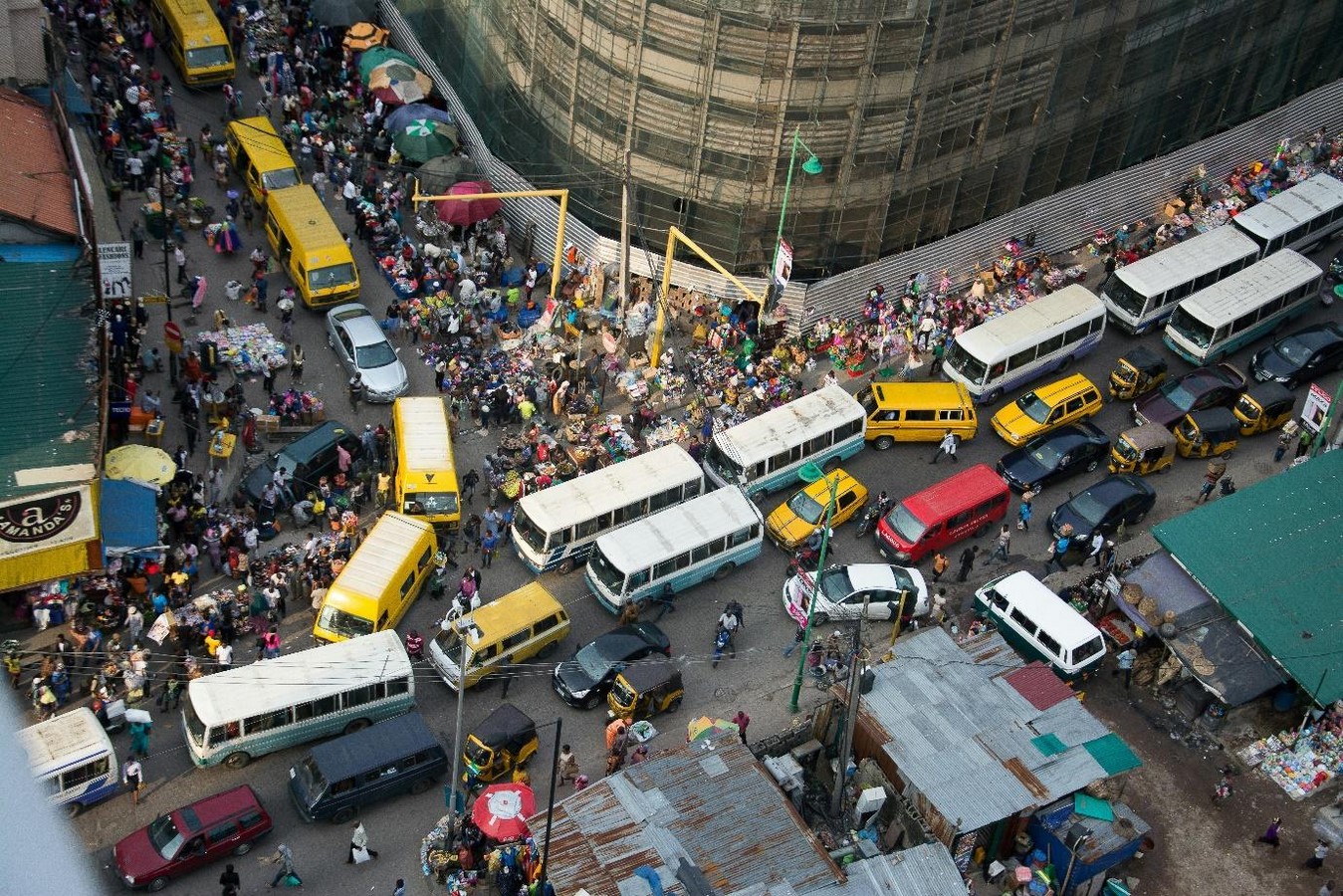
Lagos, Nigeria, is Africa’s largest city and one of its fastest-growing. Until recently, most of its millions of residents relied on dánfó and òkadà – informal and usually stressful modes of transport. This unregulated system has drained time, money and energy. Some passengers lose much of their income and valuable time every day for traffic congestion. Recognizing this, Lagos introduced Africa’s first BRT Lite system in 2008. The results were immediate: travel times were reduced by up to 40% and costs were significantly reduced, making the city not only more mobile but more habitable.
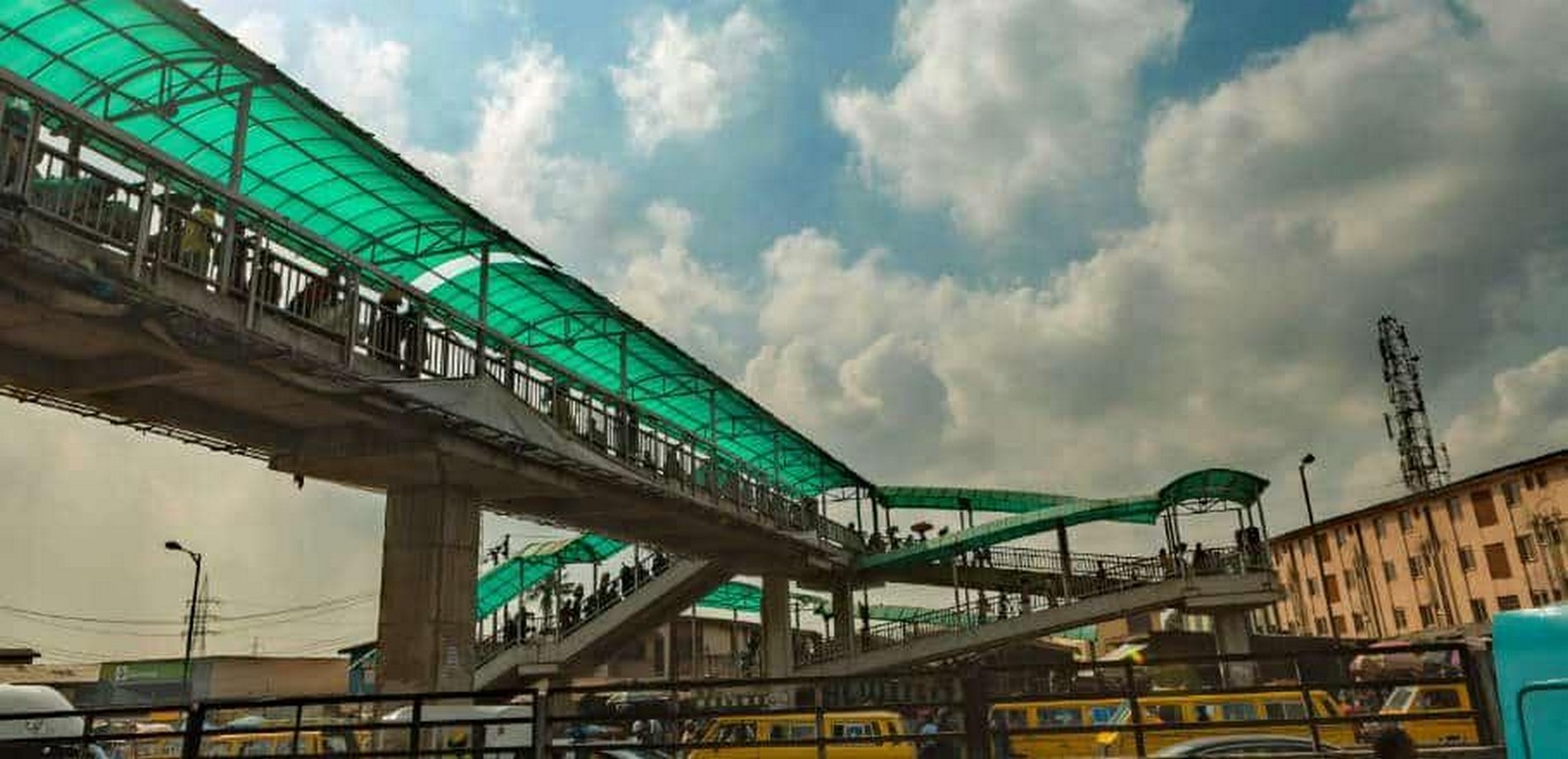
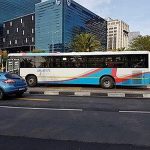
Similarly, Dar es Salaam launched her own BRT system in 2016, supported by the World Bank and the Japanese International Cooperation Agency (JICA). This system relieved congestion and the best result, carrying thousands of passengers daily in its second year. The Cape Town MyCiTi network also made progress, offering fast and reliable transportation while catalysing urban regeneration.
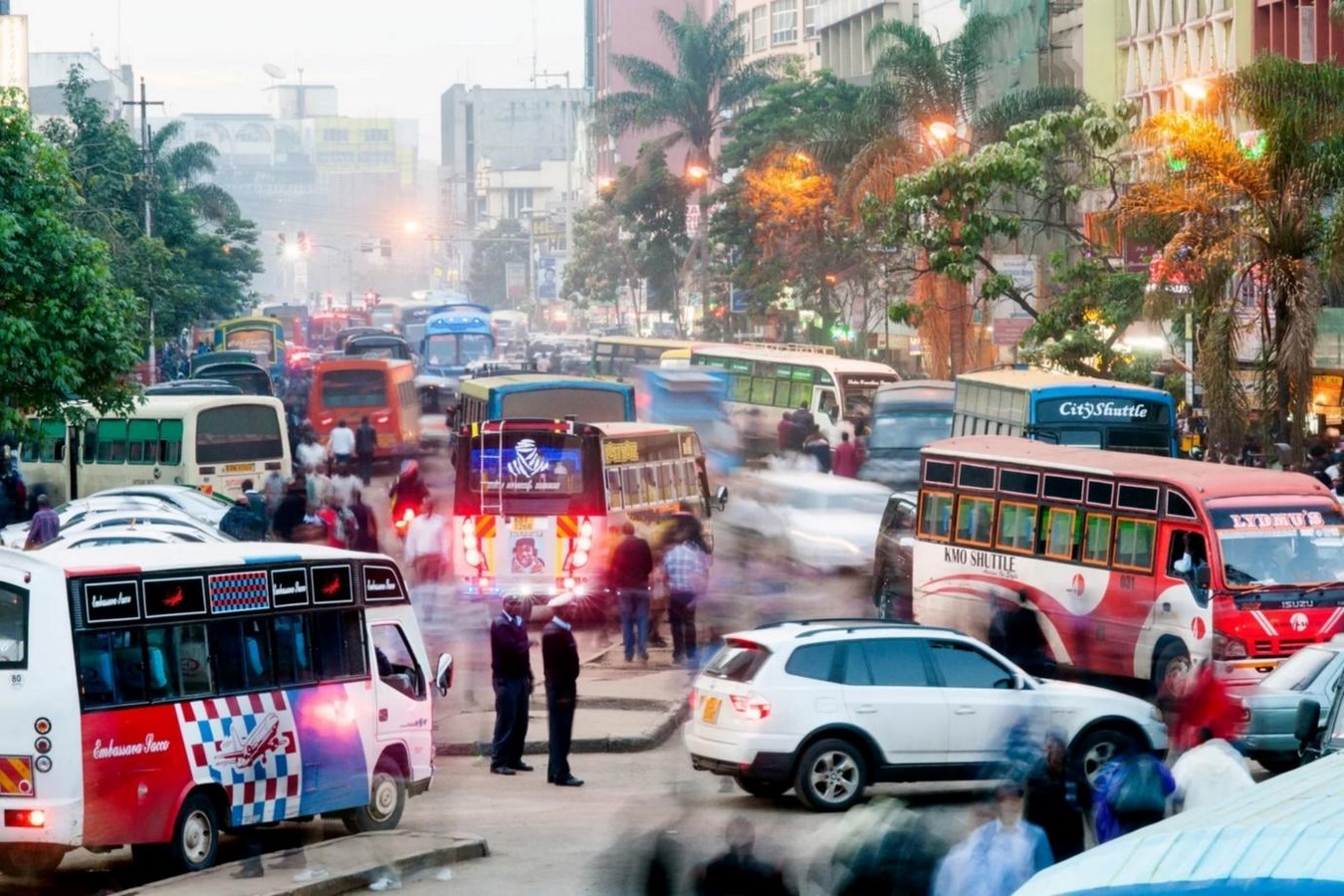
In Nairobi, where most passengers trust the Matatu Minibus network, a simple but innovative solution emerged. The “Digital Matatus” project used data from the Global Positioning System (GPS) to create the first formal traffic maps, giving passengers and planners the tools to improve mobility and accessibility.

The Role of Public Transport in Urban Development
Public transport not only moves people; it models the physical and social fabric of cities. With effective traffic, access to jobs, health and education expands. Neighbourhoods grow around transportation stations, property values increase and urban expansion can be contained. Crucially, sustainable public transportation also helps reduce greenhouse gas emissions and air pollution by providing an essential tool in the fight against climate change.
The human side of this story is equally vital. Take Hamina, a primary school teacher in Lagos. Before the BRT, his daily route cost precious time and money, with long uncomfortable trips on unpredictable minibuses. Since the BRT system, her journey has become reliable and accessible, giving her more time with her family and more energy for her work. Public transport for many is not just infrastructure, it is ease and dignity.

Lessons from Around the World
Cities outside Africa provide valuable models. In Denver, USA, the Fast-tracks Program of the Regional Transport District (RTD) has expanded the development of light rails and stations, transforming neglected districts into vibrant urban hubs. Union Station has become a multimodal gateway surrounded by housing and high density retail, increasing property values and encouraging private investment. The city’s approach highlights how traffic integration into urban development can promote more inclusive and sustainable growth.
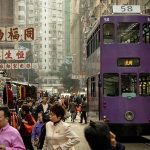
In Singapore and Hong Kong, integrated traffic systems help cities grow more compactly and efficiently, reducing the need for private cars and facilitating people to get to where they need to go. These cities demonstrate how public transportation and land use can be planned in a cohesive way to create healthier and more efficient urban environments.

Towards Integrated, Inclusive Mobility
To unlock the full potential of public transport in urban development, cities must adopt a gradual and determined approach. Starting with small and manageable interventions. This allows cities to increase systems carefully, avoiding expensive errors or overwhelming existing infrastructure. Incremental progress, guided by community needs and practical restrictions, can achieve a lasting impact.
Equally important is the need to work with (not against) existing informal transport systems. In many African cities, shared minibuses and taxis are still the backbone of daily mobility. Instead of trying to eliminate them, city planners can formalize and integrate these systems, improving safety, reliability and efficiency; preserving subsistence means. Mapping of Nairobi Matatu routes is an example of how informal traffic can be part of a structured solution.
Data-oriented decision making is also crucial. With better data on routes, speed points and congestion points, authorities can project smarter systems and provide users with real time information. This transparency creates confidence and ensures that transportation planning is well structured.
Public transportation must also be equitable. This means ensuring that low-income communities, which often live in urban surroundings, have access to efficient traffic. Without this, cities are in danger of deepening inequalities and creating pockets of exclusion.
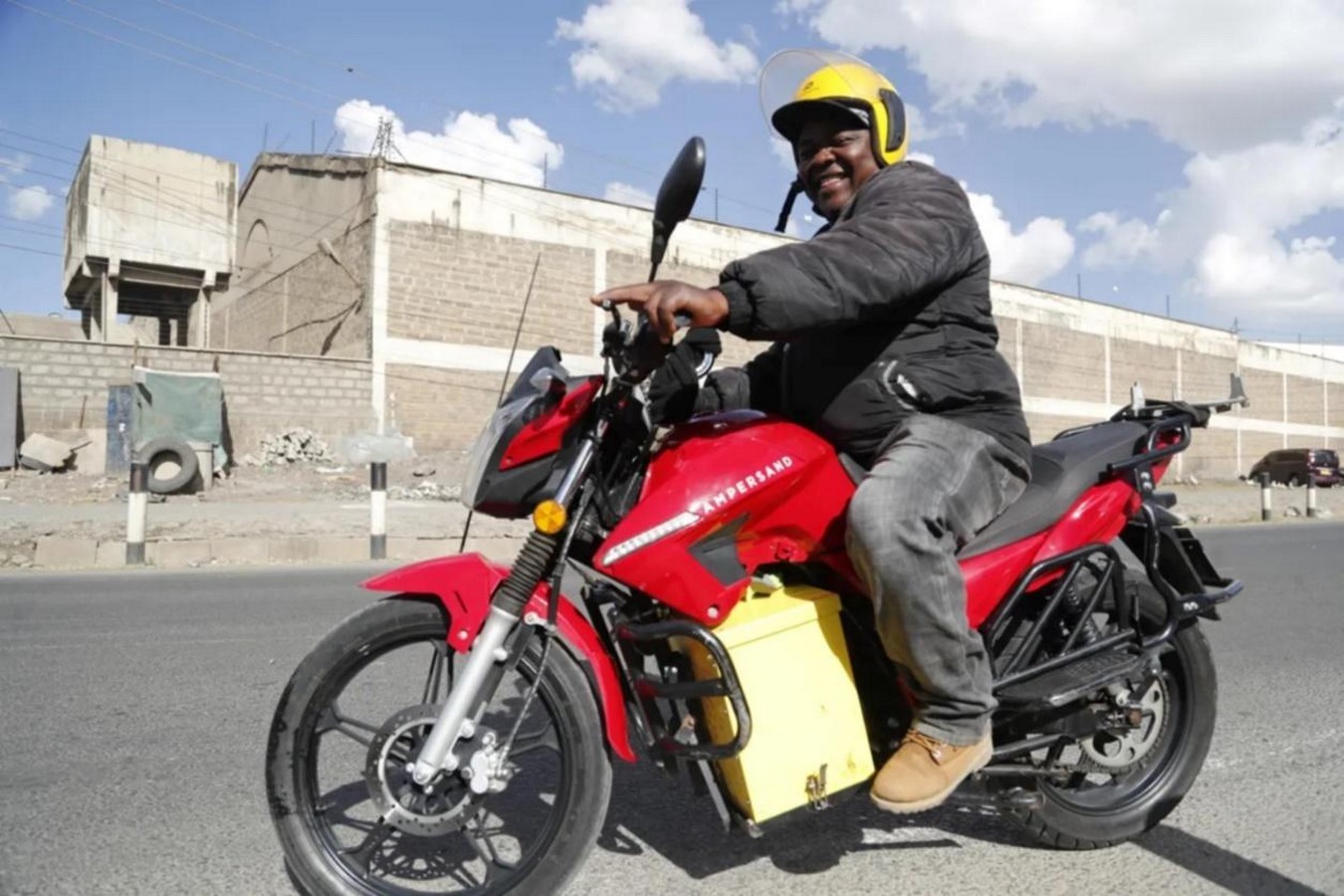
Furthermore, the future of urban transport in Africa must be green. The rise of electric buses and motorcycles in cities like Nairobi and Lagos offers a way to cleaner air, reduced carbon emissions and healthier urban life. Embracing sustainable mobility while still ensuring accessibility will be essential for the construction of sustainable cities.
Final Thought
Public transportation is the pulse of growing cities. It shapes where people live, how they work, and how economies thrive. In cities where urbanisation is upcoming, it is not just a development choice, it is important. With thoughtful investment, inclusive policies, and community-centred planning, public transport can turn chaotic sprawl into vibrant, liveable urban futures.
References:
Denys Nevozhai. “Aerial Photography of Concrete Roads.” Unsplash. https://unsplash.com/photos/aerial-photography-of-concrete-roads-7nrsVjvALnA
Digital Matatus. “How Nairobi Got Its Ad-Hoc Bus System on Google Maps.” Wired. https://www.wired.com/2015/08/nairobi-got-ad-hoc-bus-system-google-maps/
AP News. “Electric Transport Plan for Clean Air, Climate in Kenya.” https://apnews.com/article/a347c555bf24393f10e913b7db8537e3
Gorham, R. et al. “Urban Transport: Lagos Shows Africa the Way Forward.” World Bank Blogs. https://blogs.worldbank.org/en/transport/urban-transport-lagos-shows-africa-way-forward-again
InfraHub. “Lagos BRT Lite: Providing Low Cost Public Transport.” https://www.infrahub.africa/case-studies/lagos-bus-rapid-transit-system-lite
Opeyemi Adisa. “A Busy Lagos Island Filled with Traffic.” Unsplash. https://unsplash.com/photos/a-busy-city-street-filled-with-lots-of-traffic-cFT_Xq4XyA0
Reuters. “How Homegrown Startups are Boosting E-Mobility in Africa.” https://www.reuters.com/sustainability/society-equity/how-homegrown-startups-are-boosting-e-mobility-africa-2024-05-09/
Stockvault. “City Street View.” https://www.stockvault.net/photo/186211/city-street-view
The World Bank. “Transforming the Urban Space Through Transit-Oriented Development: The 3V Approach.” https://www.worldbank.org/en/topic/transport/publication/transforming-the-urban-space-through-transit-oriented-development-the-3v-approach
Urbanet. “Expanding the Frontiers of the Lagos Bus Rapid Transit.” https://www.urbanet.info/expanding-the-frontiers-of-the-lagos-bus-rapid-transit-brt/
Wikipedia. “Dar es Salaam Bus Rapid Transit.” https://en.wikipedia.org/wiki/Dar_es_Salaam_Rapid_Transit
Wikipedia. “MyCiTi.” https://en.wikipedia.org/wiki/MyCiTi