In this digital era, attention is currency. Trends on social media are the new briefs. Pinterest pin boards are the new moodboards. Just being functionally aesthetic for a space is not enough anymore. Architecture has to be viral to be even considered good. Designers are being forced to be desperate to fit into the stringent dimensions of a 30 second scroll. The algorithm is cruelly impatient. And so are its minion audiences.
Once a slow art, architecture is no longer the soft ground 3 dimensional narrative that unfolds with time and experience. It is being rethought through screen sized bit-long data packets. The beauty of architecture is no longer a consequence of the design; its a measurement of its popularity. If a building is not even on the internet, it might as well not exist.
This is the city of those who are chronically online. The feed is the site. The little red hearts of validation are the inhabitants of this city’s architecture.
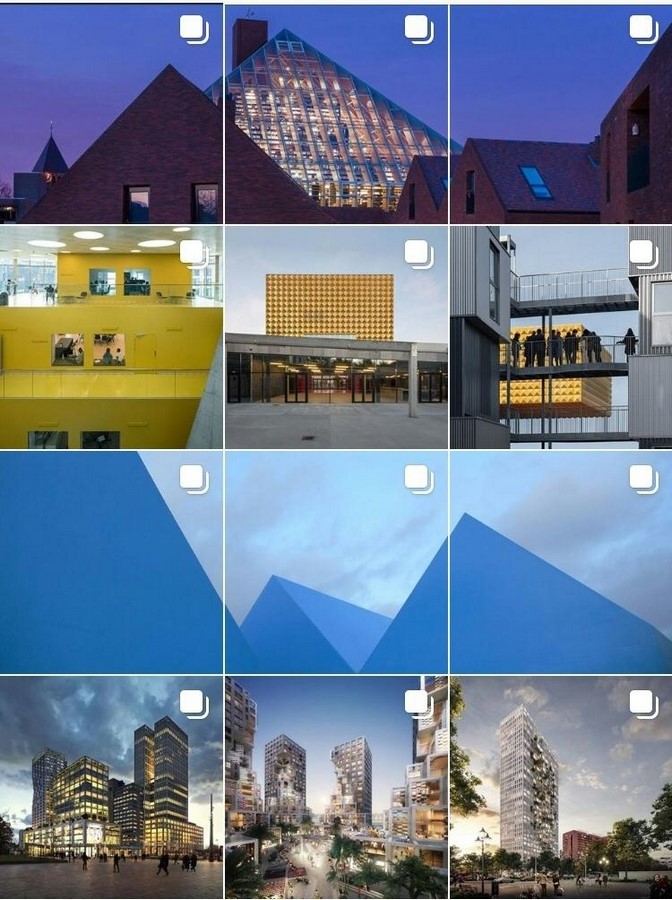
The Feed as Site
Le Corbusier’s imagination of the house as a “machine for living” aged morphingly. Now built space is not judged on functionality. It’s judged on its capability to be a stage for content creation. It’s seen as a tool that elevates people’s presence on the internet.
A new cafe now doesn’t need to make good coffee. An eye-catching gen z meme for an ad is enough to draw in customers, who again, mostly came for the vibes. And not the coffee. A cool office space doesn’t have to be efficiently zoned. Cute floor patterns, pastel palettes and one photobooth is enough to make employees gush about how they love their working space.
This is an age of spatial branding. The economy is visual. Design has to be impactful enough to draw eyes. But it doesn’t matter if it’s not lastingly impactful; a screenshot or a share is enough.
The architect’s biggest competitor is not another firm. It’s the Discover Tab of every social media app.
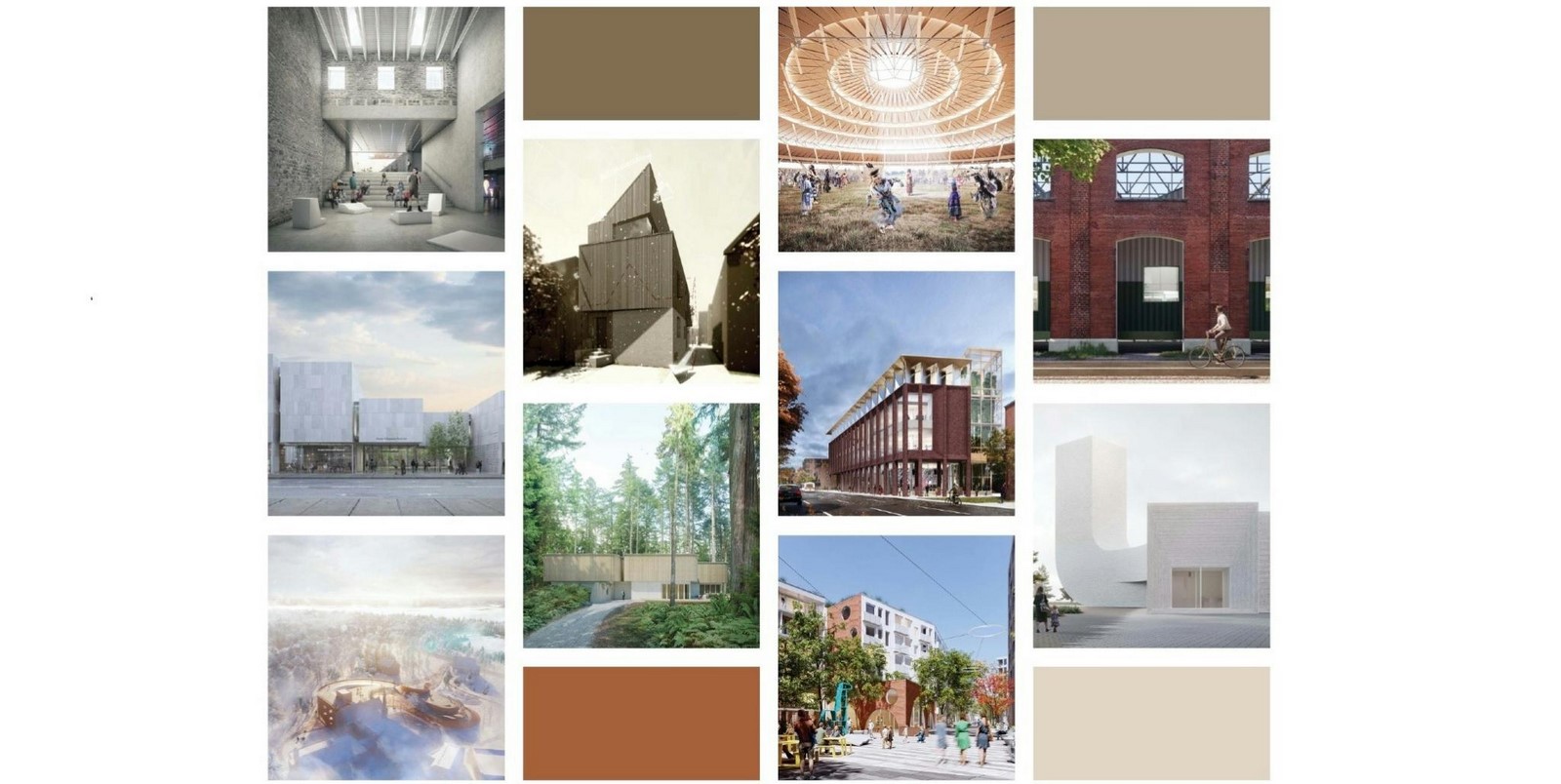
Algorithm as the New Architect
Architectural aesthetics these days are dictated by the “Algorithmic Sublime”. It is a term that comes up often in digital culture studies which describes the beauty that emerges from patterns, repetitions and an overload of visual information.
Social media used to act as platforms for inspiration. But now they’re mostly governing the present day palate. This feedback loop results in saturating the market with similar tastes all across the world.
Examples like arches that pop out in an otherwise contemporary themed building, diffused lighting for ambience, neobrutalist fonts on washed out minimalistic palettes, sad beige rooms – show the reality.
It’s not that these trends are harmful. But they kill diversity or oversaturate it into another trend. The local is erased in favour of the legible – especially legible on a 6-inch screen.
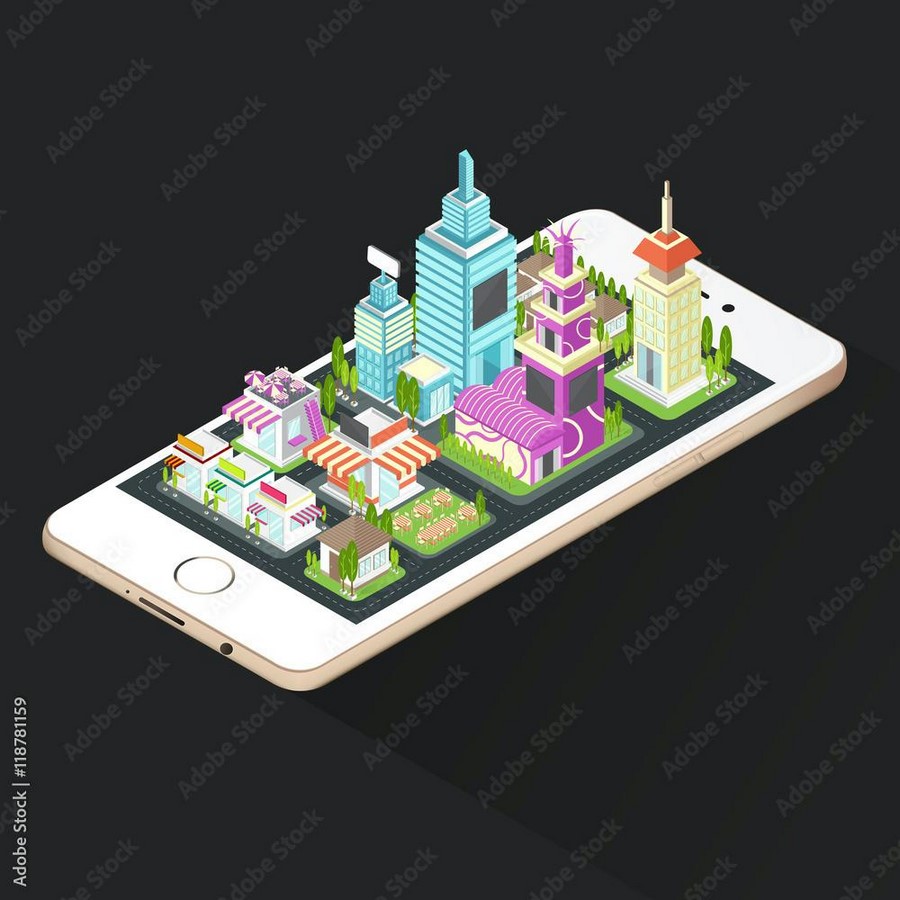
Hyperrealism is killing Texture
Digital rendering tools have been a god sent to architects to visualise how spaces would look in real time. But with new AI image generation tools churning out renders in seconds, this hyperreality is killing the things that matter the most about built space. These generated images are usually lifeless but very vibey. They’re set against eternal golden hours. The glass is always fogged, the grass dewy. No dust, no decay, uncanny sterility in every single element of the scene.
But they’re perfect for screens. In real life, they can’t exist. A building cannot exist with only visuals. It needs to cater to all 5 of one’s senses. Architecture is not eye-candy. It has to respond and resonate to climate, smell, sound and facility. Designing in the age of scrolls is scary because spaces that look too good to be true might just be too empty and bland to live in.
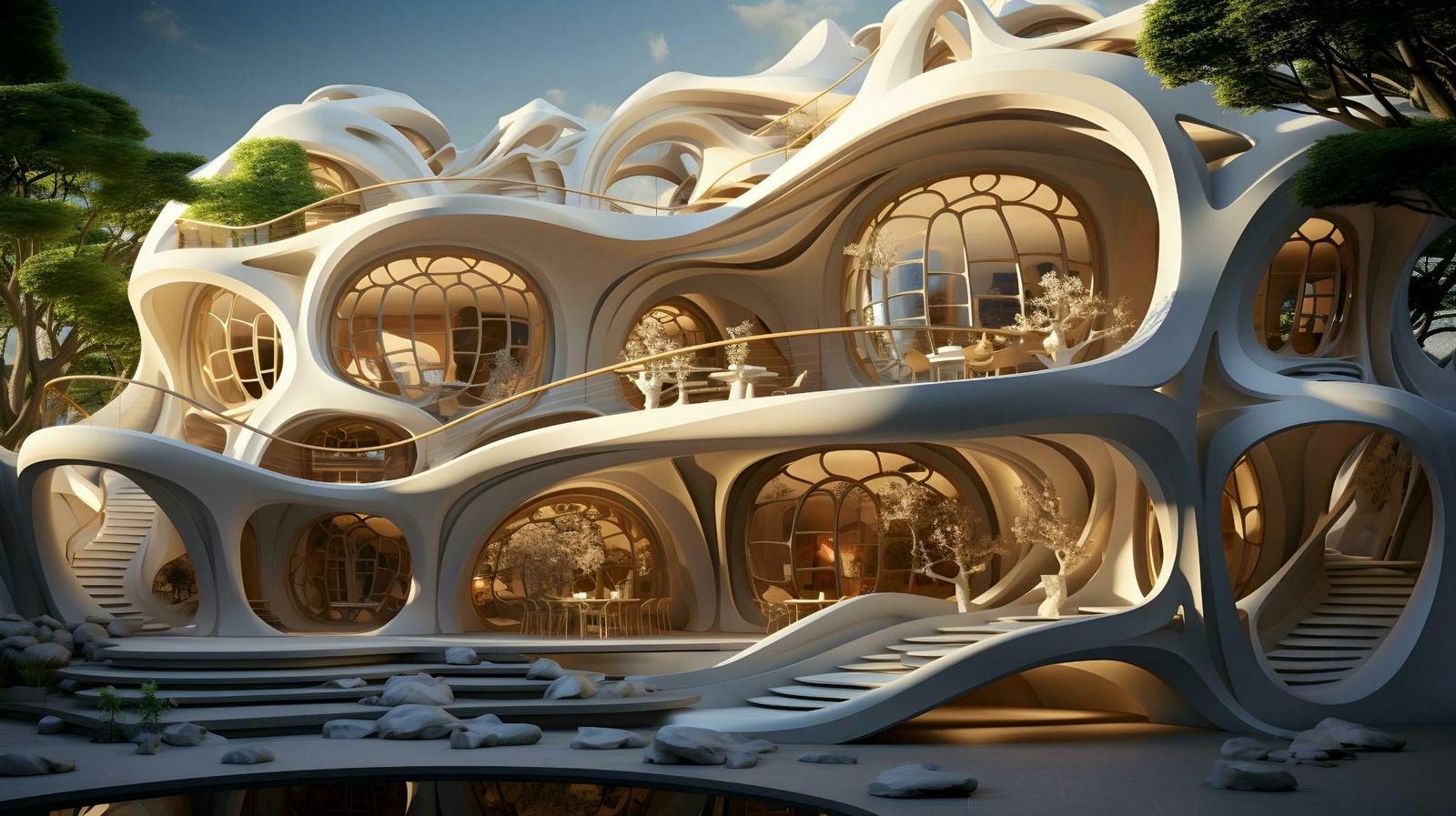
Selfie Urbanism
The chronically online city is impatient. And in its impatience, architecture becomes victim to ‘simulacrum’. If one searches up this term, the definition that shows up for the word is a representation or an imitation of an entity that replaces the real thing in reality. After 2018, all public spaces scream the same design.
Any food court, or mixed use commercial space in an Indian urban setting would definitely have fairy lights, one exposed brick wall for photos, one bland caption lit up against a mural backdrop, furniture that look unconventionally pretty in posts but uncomfortable to rest on.
These spaces don’t really serve functionality. They serve publicity. They turn individuals into influencers. The space is just a backdrop for selfies.The purpose of design is no longer interaction, it’s documentation.
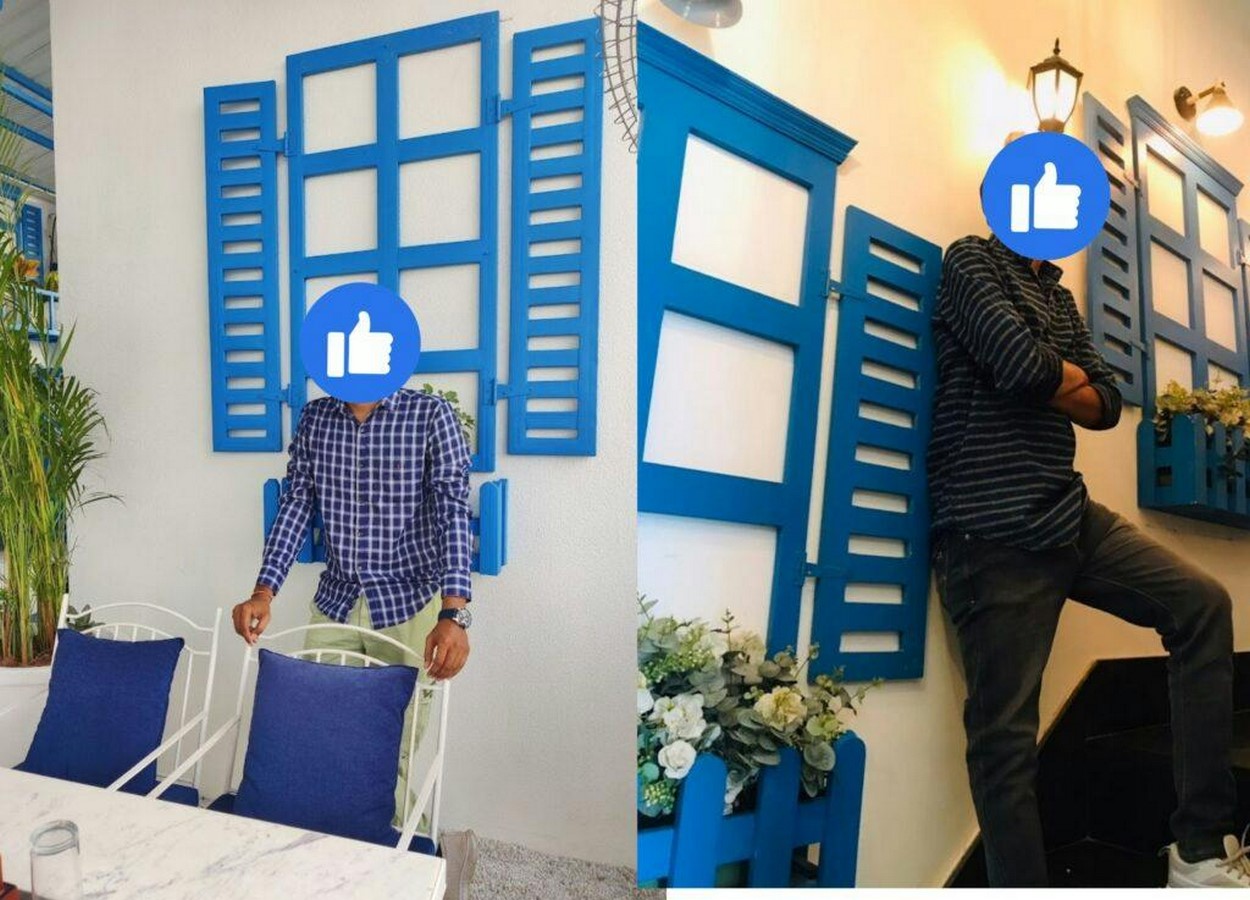
The Architect is also the Content Creator
The architect is not just an architect anymore. Designing the space is only half the job. The other half is curating on how the space is going to be perceived. Architecture is not inspired by moodboards; it is the moodboard. It is a culmination of all the swatches, the hashtags, the collaborations and the lifestyle trends.
This is not bad per say because often it brings out interesting interpretations. However, if built space is just going to be consumed online, then what is even the point of it all?
Microinteractions are Internet Bait
To compensate for the rapidly dissipating attention spans, design strategies are shifting on focusing on the more minor details of the space. Even though that’s good and brings about thoughtful decisions, doing it for the sake of an internet trend defeats the purpose of it all.
Trends like a fancy trendy bathroom mirror, a window that can expand into a balcony, a room with an overhead aquarium that can be visible from the ceiling are some examples. Even though they add beauty, it being tagged for virality makes it more prone to being forgotten the next day. What’s in today is obsolete tomorrow because it is being valued for how it looks and not how it actually is. Reducing design to bait is a trend itself.
The internet is not the villain. But they are more of a consequence of not emphasizing creativity and the process of it. Iterations can be time consuming but they bring out the essence of architecture and design alive. The AI tools, the filters, the social media – they’re not villains either. They are supposed to be tools whom we’ve given the governance of our design processes.
The architect has to take it on herself to decide how she wants her space. Is the space supposed to be a memory of 30 seconds or should it live? The tools will always get better, they will always tempt us to overtake the whole thing. But the architect has to decide.
Maybe, the next radical act of architecture won’t be aesthetics. Maybe it will bring back the unphotographable – the smell of dewey grass, the coarse texture of a wall, the warmth of a sunlit garden stair.
Maybe it will be designing something that doesn’t go viral. And being okay with that.