Cultural Heritage
The Surrounding Around consists of many elements and through its placement and their sense of place, it folds a beautiful story answering why, where, and how it is put together. In the case of Architecture, the beautiful structure around unfolds the story of the concept, its process, execution, and the hard work of people who were involved in making a masterpiece.
The Cultural Heritage in Architecture represents the story and while studying the building each element speaks the story of the legacy, the materials used, social values, and the lifestyle. According to an article from Harvard University, Cultural heritage can be understood as tangible monuments, town sites, archeological sites, and works of art that carry and transmit the cultural features of a society—the spiritual, material, intellectual, and emotional features of that society or group.
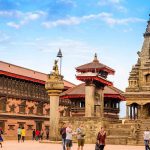
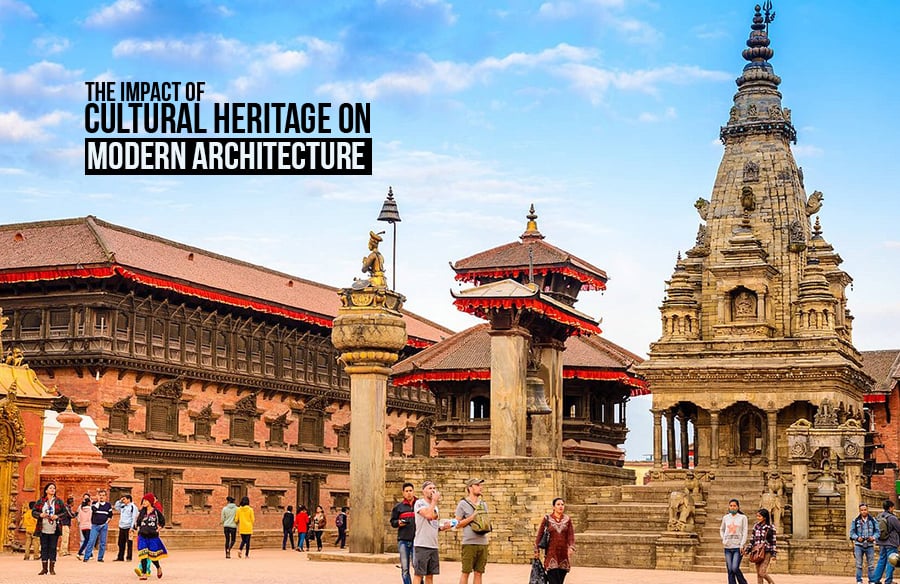
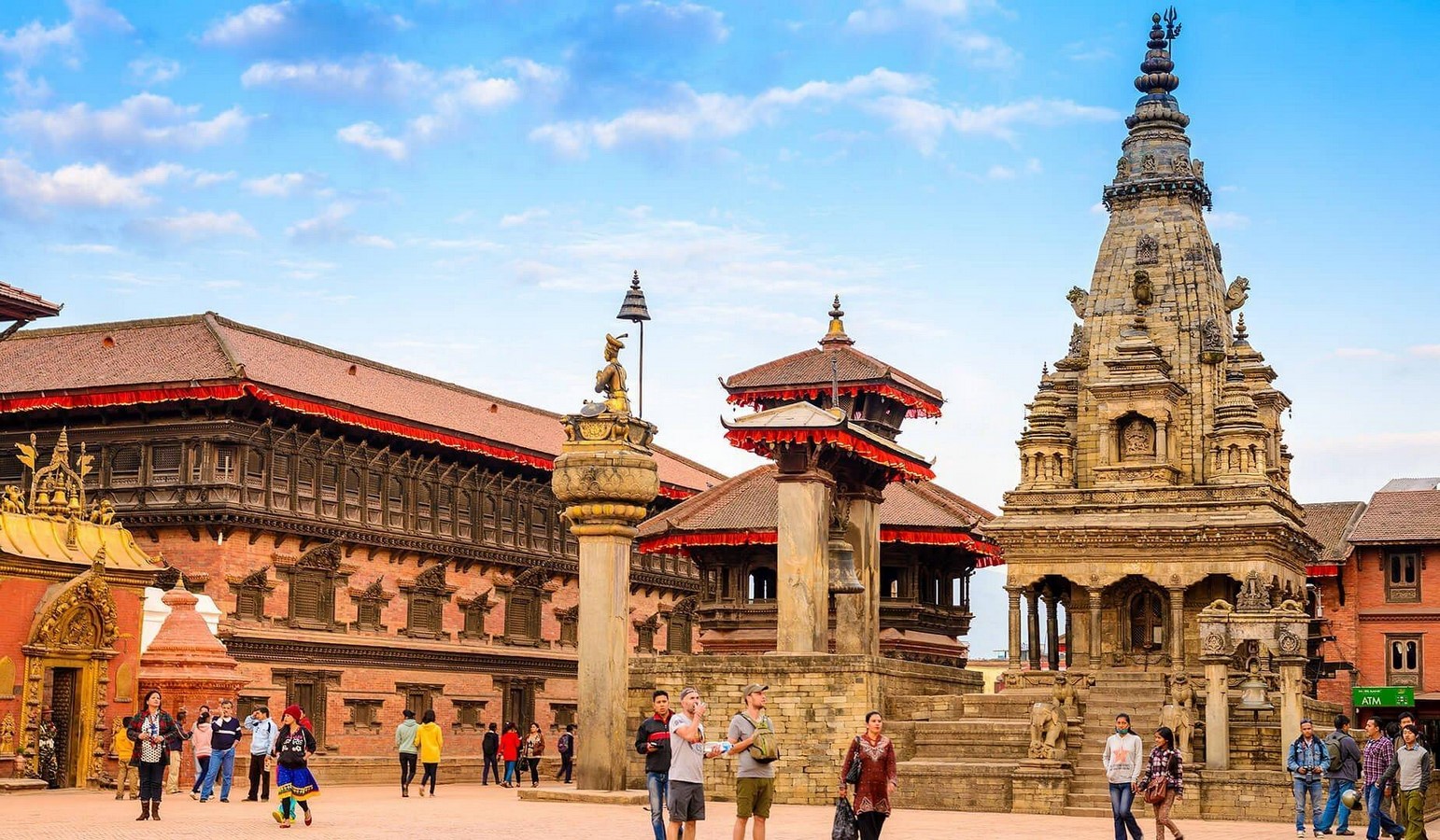
Nepal is a country rich in cultural and natural heritage with four of the sites being listed in UNESCO Heritage sites. The Kathmandu valley itself is listed which speaks about the Durbar squares and stupas across the valley. The site exposes the courtyard(Chowks) style design format with the use of materials like exposed brick (Dachii Appa), mud plaster, carved lattice windows, timber, stones, domical shaped roof structure, lime plaster,etc. The techniques and use of materials are different throughout the period in each era but the design and the cultural richness have their way of executing elements.
Modern Architecture
The Oxford Dictionary describes this movement as modifying traditional beliefs in accordance with modern ideas, especially in the Roman Catholic Church in the late 19th and early 20th centuries. The era of functionality, minimal design, material analysis through a different approach gives it a new birth to unimaginable ideas.
Modern Architecture started in 1950 with a few aspiring foreign architects who practiced in Nepal. Robert Weise was one of them who designed Hotel Annapurna at Durbar Marg in 1965. It started with the small stone temples of Kirats and the golden tiered temples of the Lichchhavis.[2]
Post-2015 Gorkha earthquake, modern architecture in Nepal gained momentum, driven by the need for seismic-resilient structures. Architects began integrating traditional elements, such as Newari courtyard layouts and Buddhist stupa motifs, with contemporary materials to create sustainable and culturally resonant designs.
Influence In Architecture
The kings in each era constructed their palaces( durbars) to have a sense of place to live which now are turned into museums, temples, and a place rich as an example of Architecture in Nepal. The cultural legacy seen through the buildings has always made the story of that era visible and the cultural richness Through the fusion of Architecture in Nepal.
Through Materials
The Newari architecture speaks about Exposed bricks given the name according to its design and placement. The execution of material analysis gives the perfect blend in terms of architecture and provides the meaning of cultural significance through the design.
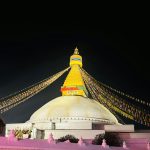
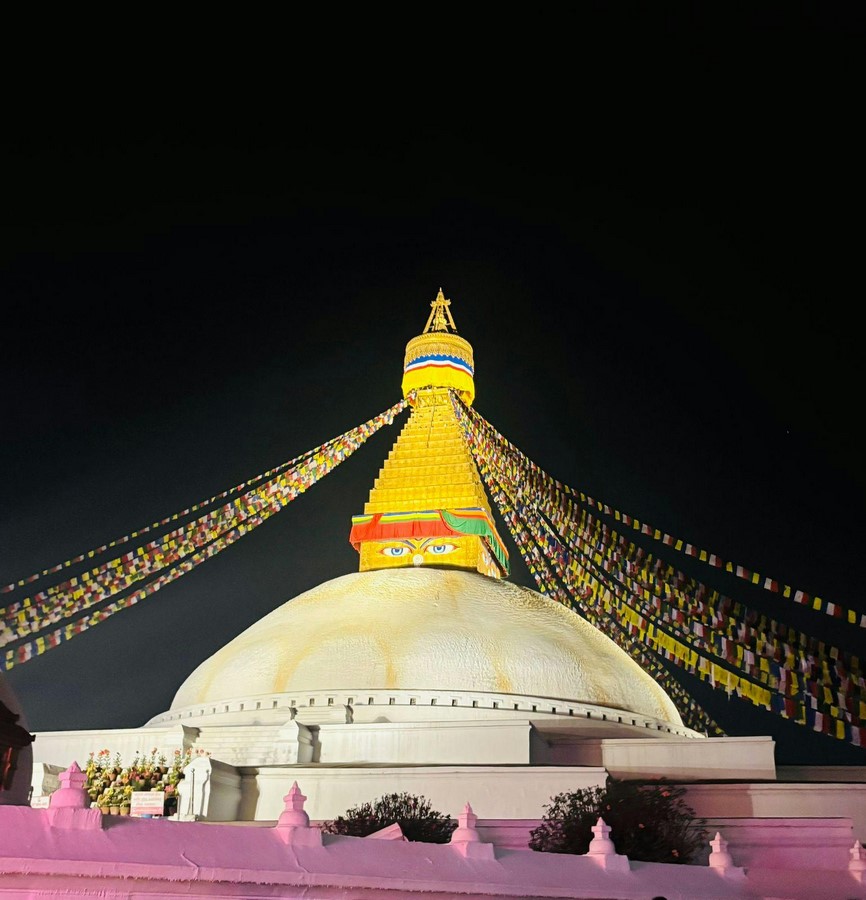
The stupas design speaks of the use of a round domical shaped roof and the lime plaster throughout the circumference. The use of brass on the top of the roof gives the buddhist culture a meaning to it. It also speaks about the cultural diversity through the fusion of cultural legacy.
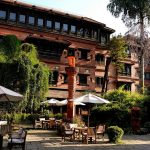
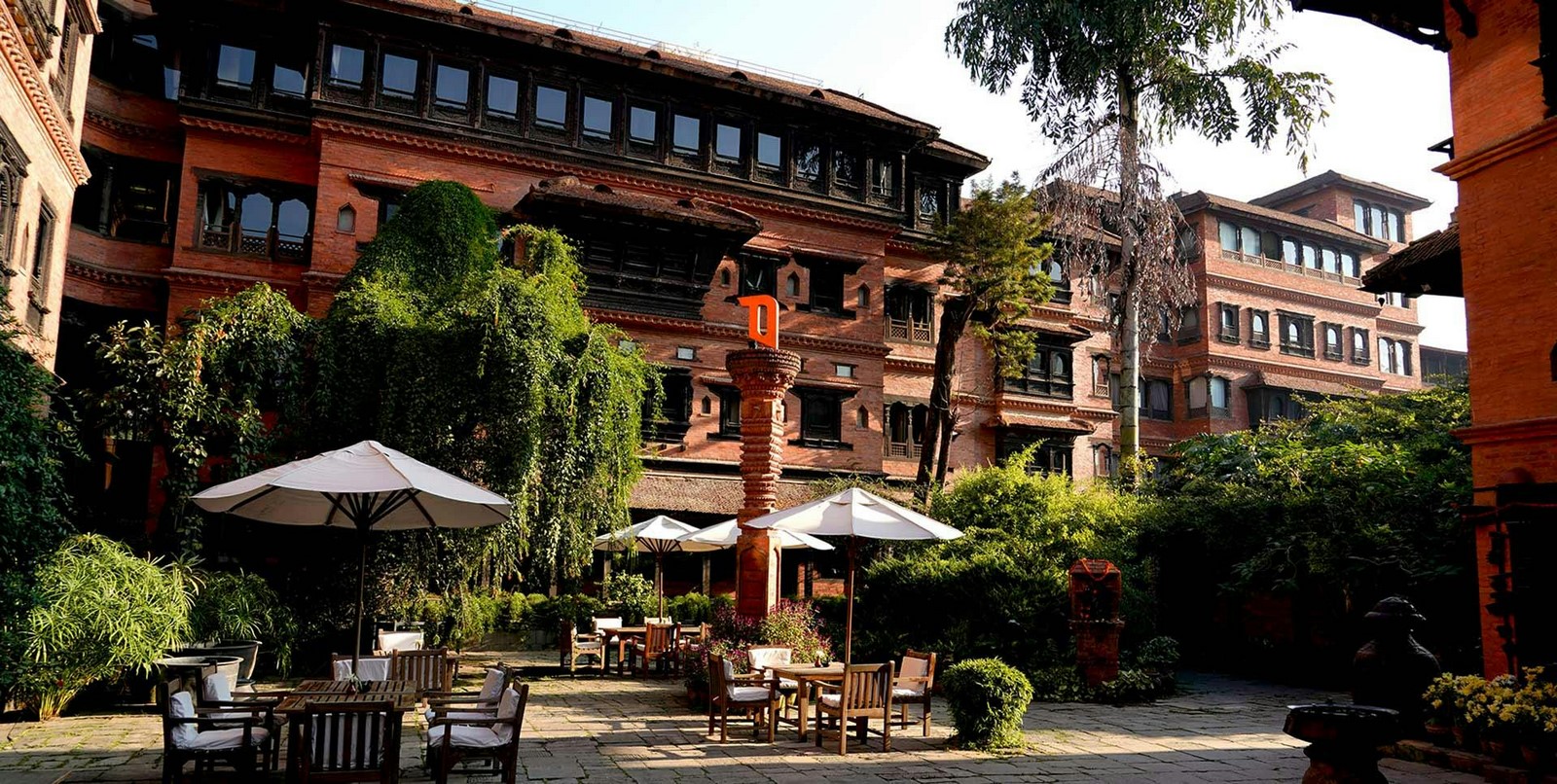
In combination with modern Architecture and cultural heritage the Hotel Dwarika’s design speaks to the placement of Newari architecture through its Courtyard design, use of materials like exposed bricks, neatly carved lattice windows. The design of modern Resort with its design principle being cultural heritage and legacy speaks the fusion of Newari culture incorporation to modern architecture. Dwarika’s Hotel was registered in 1977, with the idea of reviving the architectural splendour of the valley[4].
Urban Integration
Urban integration often involves repurposing heritage buildings for modern use, preserving their cultural significance.
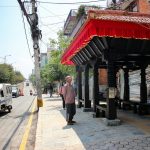
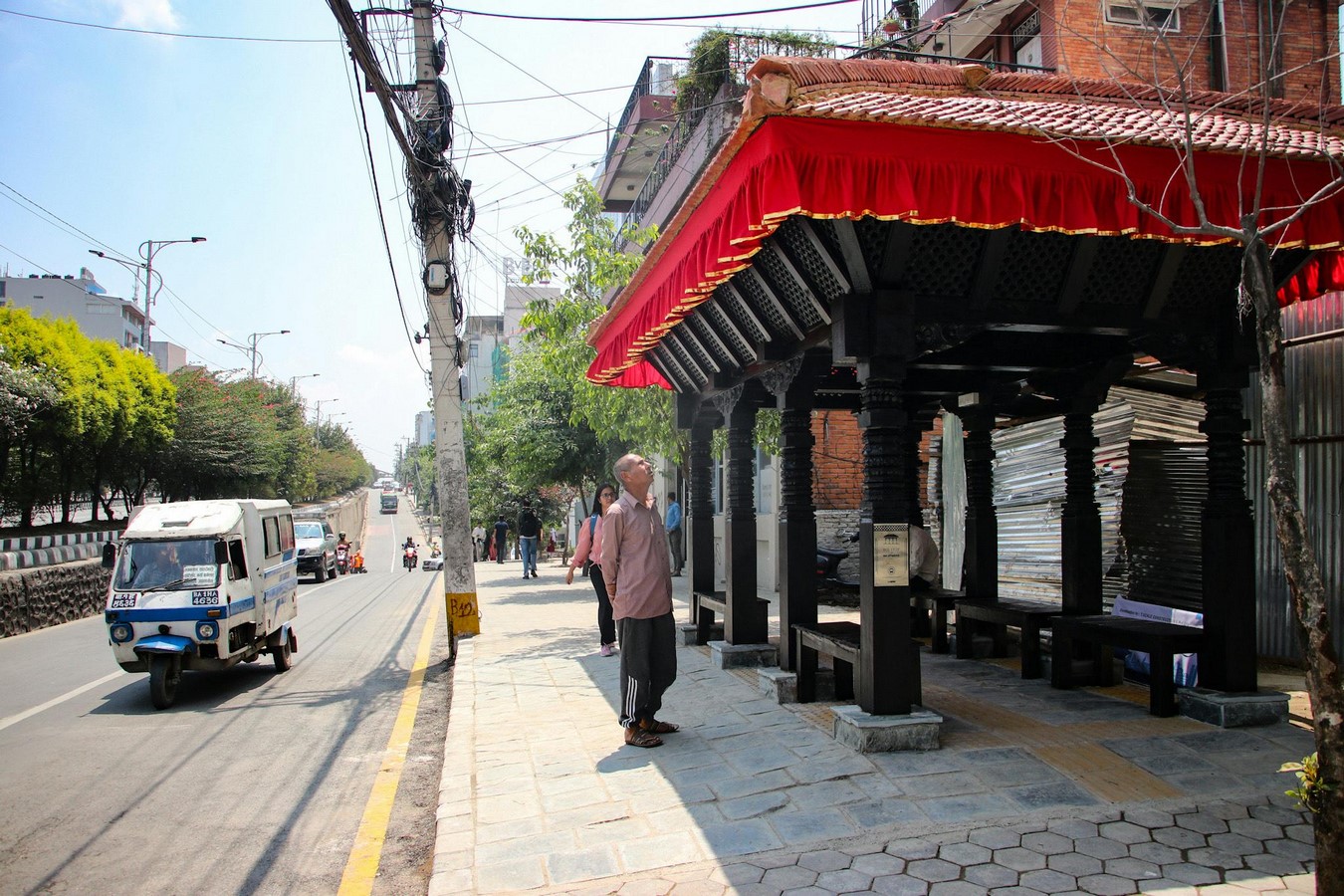
In Nepal’s Kathmandu Valley, falchas (also spelled phalcā or pati) are traditional Newari rest houses, typically open pavilions with raised platforms, intricate wood carvings, and sloped roofs. Rooted in Newari cultural and religious heritage, falchas served as communal spaces for travelers, pilgrims, and locals to rest, socialize, or perform rituals, often near temples or along trade routes.
The Kathmandu Metropolitan City (KMC) has taken the initiative to build Falcha as a bus stop in many wards and the initiation has already started. Falchas use local materials (brick, timber, clay tiles) and passive cooling through open designs, aligning with modern sustainability goals.
The use of a sloped roof from an angle of 27 degrees to 31 degrees with Jhingat tiles along with the beam structure as Nina and the column structure as tham gives it a modern purpose with cultural aesthetic design being the root cause in preserving the culture in showing the contemporary use of it through which the Design.
Challenges
As simple as the concept is, it’s really a challenge in incorporating the concept of culture and modern aspects in design. The incorporation of sustainable, aesthetic and emerging design as helps in integrating in the design to make it more promising comes with various drawbacks and hinders the execution.
- Cultural interaction is only possible if the person that’s knowledgeable enough and has the craftsmanship for it. The specific technique lies in the execution which in slightest design change could hinder the whole meaning of the design.
- The design process of executing the cultural significance in this bustling area of modern architecture emphasizes the essence of culture could be laid back and it could be a challenging thing in the process.
- The availability of materials while executing in the modern day process may also be a setback in the execution.
- In every design matter the sustainable approach could be not possible which may affect the environment around.
Through the culturally rich identity and modern techniques, the legacy is what has shaped the architecture in Nepal. Through the design of Cultural fusion, the contemporary design of hotels, and the Falcha infusion of design in bus stops, modern architecture through the hint of cultural significance can be truly seen in Nepal and is emerging in this era.
Culture-infused modernism in Nepal’s architecture blends futuristic design with traditional roots, preserving the nation’s heritage. This approach ensures future generations inherit the stories and techniques embodied in visual forms and structures.
References:
- The Curation and Management of World Heritage, Department of History of Art and Architecture, Harvard University [online]. Available at: https://projects.iq.harvard.edu/whoseculture/what-world-heritage [Accessed date: 29/05/2025].
- iMartNepal Design Awards [online]. Available at: https://awards.imartnepal.com/blogs/history-of-architecture#:~:text=Modern%20Architecture%20started%20in%201950,tired%20temples%20of%20the%20Lichchhavis. [Accessed date: 29/05/2025].
- Unesco World Heritage Convention [online]. Available at: https://whc.unesco.org/en/statesparties/np. [Accessed date: 30/05/2025].
- The Dwarika’s Hotel Kathmandu [online]. Available at: https://www.dwarikas.com/home/. [Accessed date: 28/05/2025].