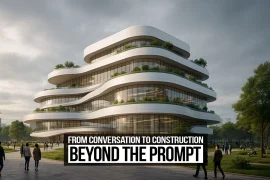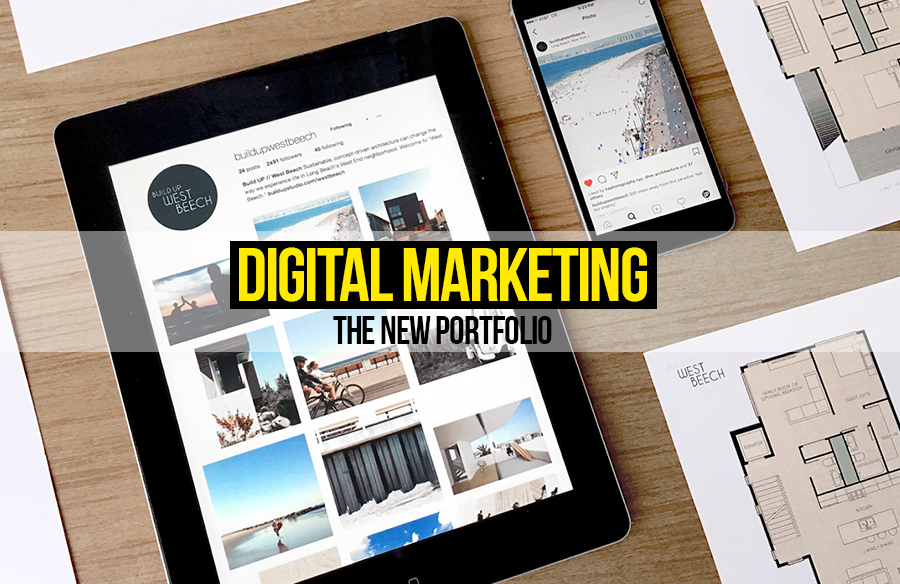
Architecture, a field that utilizes touch and site, has long dealt with space, material, and culture. Today people see things more online than in person. A shift powered by Digital Marketing changes architecture quietly. This new way of working does not just affect how people present architecture, but also how clients order it, how people experience it, and how critics judge it.
Digital marketing is no longer a choice for architecture firms – it is a base. A firm uses social media plans to show its work. Its website has SEO to bring in new clients. Digital marketing influences how architecture is presented online. In this article, we will explore how digital marketing tools blend with architectural ideas. We will also see how firms and architectural professionals manage online spaces and the impact it creates.
From Blueprint to Branding
Architecture is a visual field. Diagrams along with exploded axonometric drawings were always part of the discipline. This visual nature suits architecture for digital platforms, where presentation and engagement work simultaneously.
In the past, an architect’s name grew from word-of-mouth, important awards, or published books. A reputation develops from how well a firm manages its Instagram feed, runs a responsive website, or uses LinkedIn articles. Branding was once new to architecture studios, but it now helps them grow.
Big firms, such as Zaha Hadid Architects or Bjarke Ingels Group (BIG), owe much of their fame to regular digital stories. Their online presence does not just show projects – it builds a story that turns architectural ideas into content that people understand and share.
Creating Narratives Using Pixels
Architecture tells a story of a place, a time, a material intertwined with people. In digital marketing, this telling becomes deliberate and tactical. A good blog post about sustainable design choices, a reel depicting a parametric form change, or a tweet that breaks down zoning codes into facts, all show how architects shape how people see them.
- Digital storytelling promotes architects.
- Teach people about the way they design.
- Interact with clients and audience
- Stir feelings that go beyond the site.
For example, a company that builds a community center in a small town can use social media to get public opinions. This builds trust and advertises their process – this method lets more people get involved in design – it also creates openness, which brochures or press releases often do not.
Search Engine Optimization and the search for space
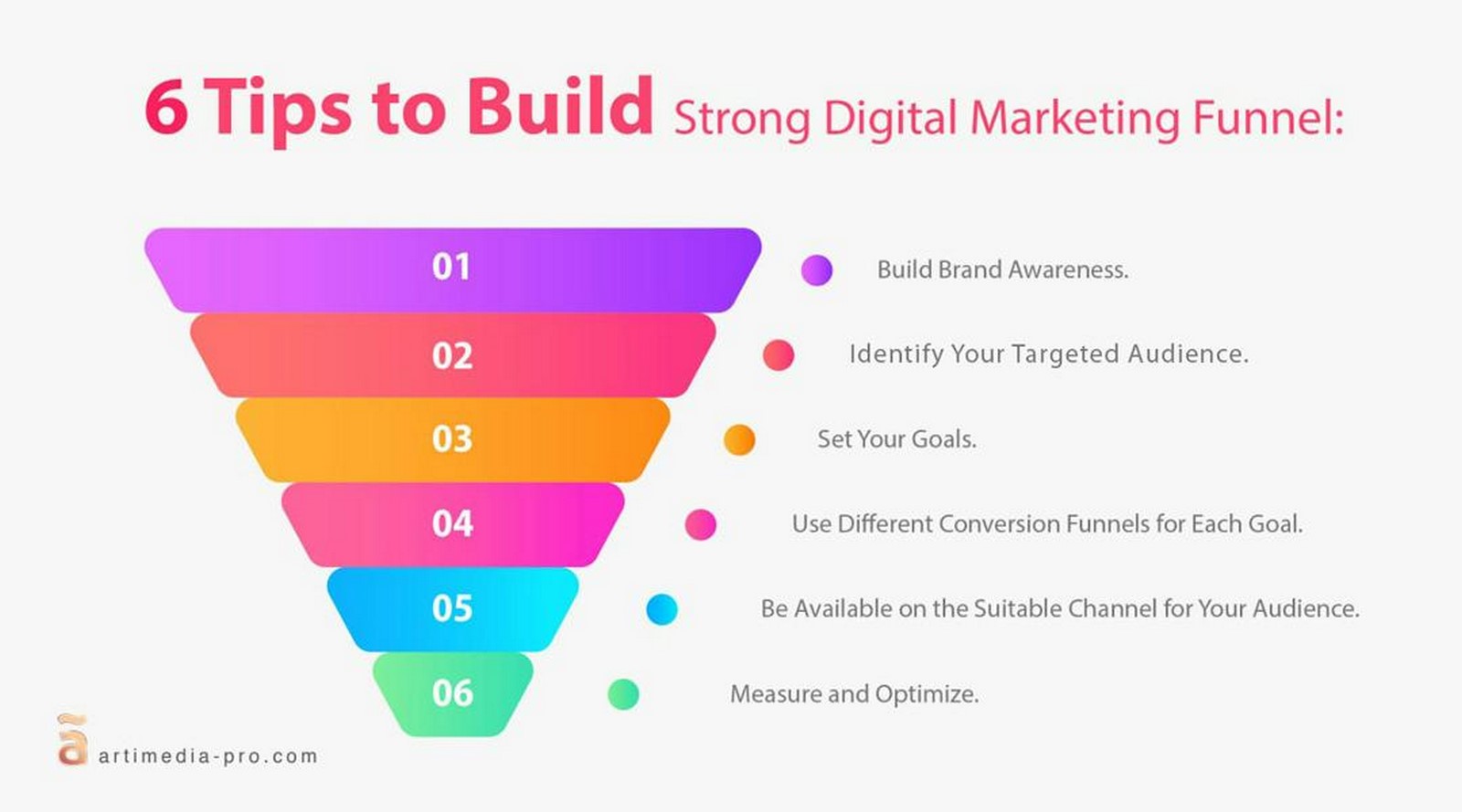
Search Engine Optimization, or SEO, appears contrary to the artistic spirit of architecture. But in a competitive field, visibility matters. An architecture firm that specializes in climate-responsive homes in Pune has to work so that its website shows up on the first page when a potential client searches for “eco-friendly architects in Pune.”
Architects must use SEO principles to achieve this – these principles include
- Keyword optimization, which means using phrases a client searches for.
- Mobile optimization, which means a website works on many devices.
- Content freshness, which means regular blogs or news updates about ongoing projects.
This work is not just about digital appearance – it is about matching architectural values with discoverability. A firm may have the most sustainable practices in India, but it stays invisible to the people who matter most without digital optimization. These people are clients, collaborators along with the community.
Social Media: The New Portfolio
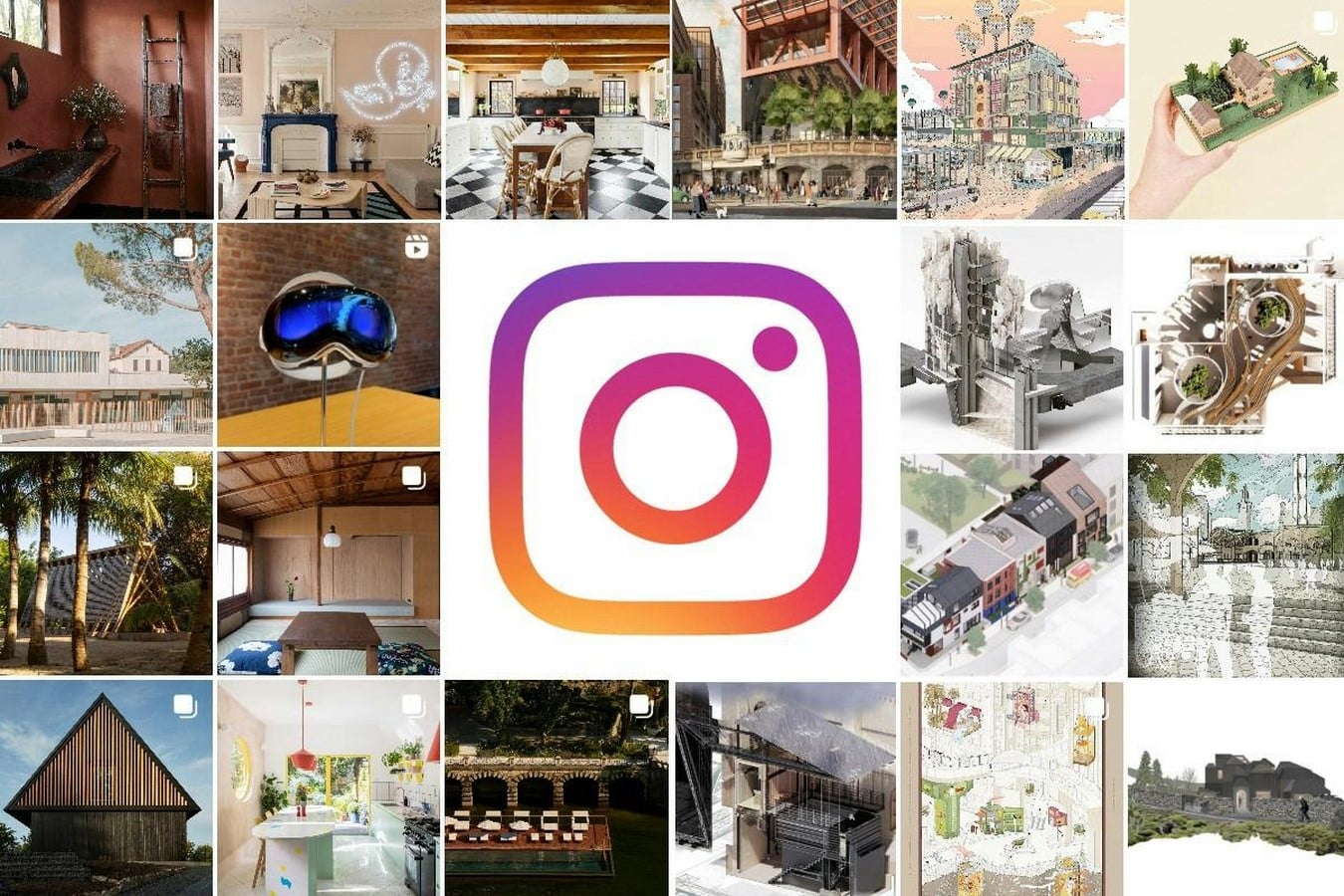
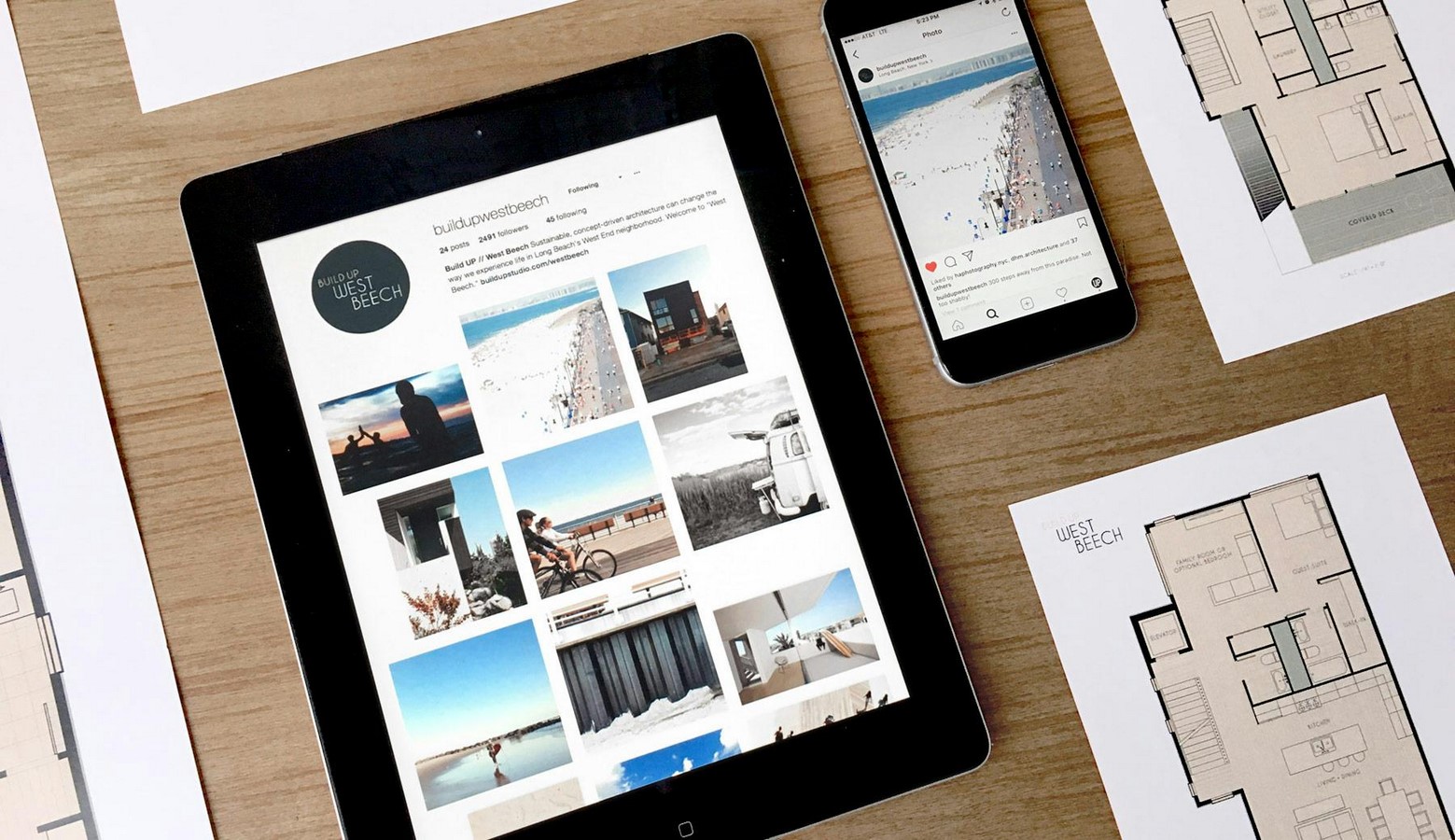
By 2025, sites such as Instagram, Pinterest, and LinkedIn function as lively portfolios. Social media portfolios are vibrant because they expand and answer in real-time, unlike typical portfolios that are constant and created each year.
Specifically, Instagram is now a spot for trying out ideas, displaying visual identity, and getting the audience to participate. Concept sketches, site visit videos and critiques about urban design policies can be shared by a young architect which will attract followers that could be clients, employers or fellow workers.
Here is how social media changes architecture now:
- Aesthetic Curation: The grid turns into a design challenge, displaying architectural temperament and projects.
- Followers experience a stronger connection through surveys, chances to ask questions and get answers, and posts showing what happens in the background.
- Viral visibility suggests that a drone walkthrough of a project or a time-lapse video might become extremely popular, resulting in recognition that extends past the studio.
For example, the hashtag #architecturestudent or #archidaily gets millions of posts each month and each one adds to the global talk about architecture as it happens.
Newsletters and email marketing:
It is time to rethink longer written content.
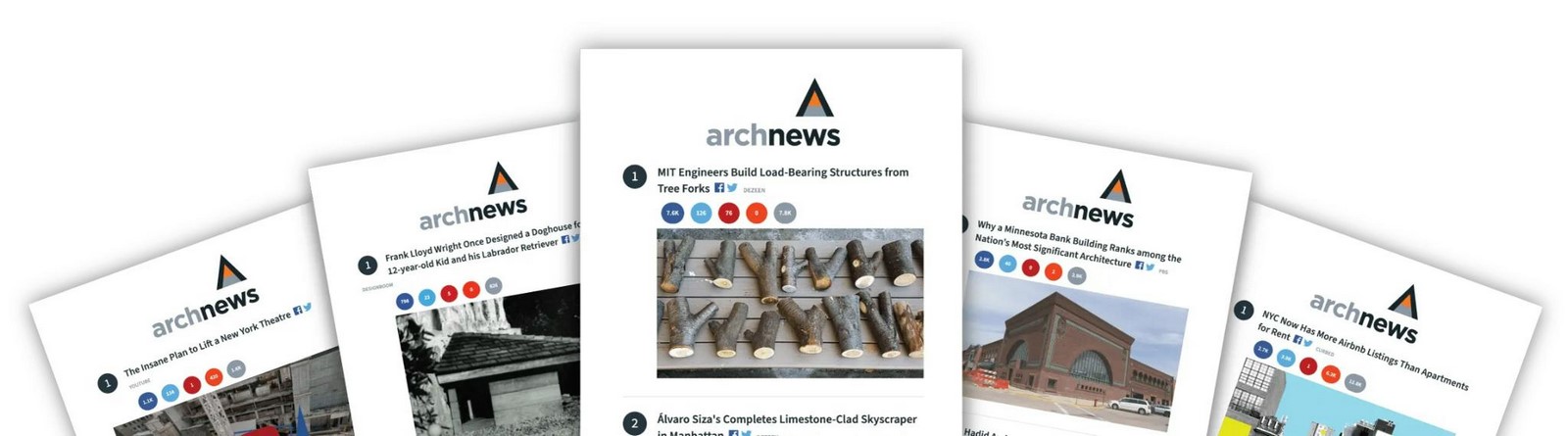
All digital content does not have to be quick, short, and flashy. Email newsletters are still a great method for companies to show their expertise. Getting a newsletter every other month that gives an understanding of city patterns, contest results, building advancements, and customer experiences makes both belief and relationships.
Some notable uses include:
- Organizations might share their design philosophies or take a look at different case studies.
- Announcing events, lectures, or webinars.
- Companies can provide resources for downloading such as e-books or guides that cover sustainable building practices.
If done correctly this slower content strengthens the firm’s message in a very loud digital space.
Influencers, Collaboration, and Cross-Pollination
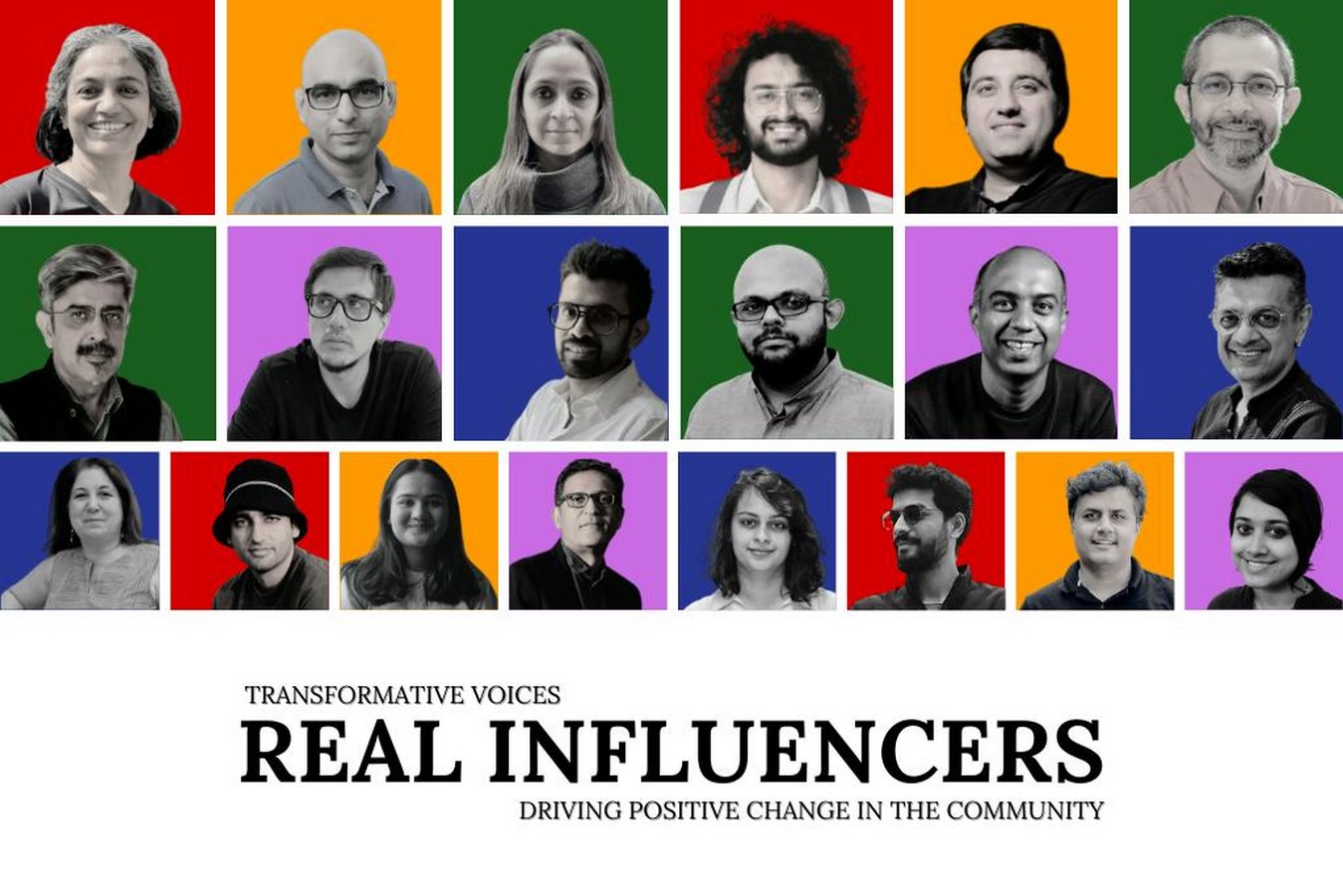
We are seeing more design influencers, and many happen to be architects; this has brought about fresh ways for people to collaborate. Consider architecture students who have many YouTube followers and create design software reviews, or picture medium-sized companies working with interior design bloggers to develop co-branded material.
Also, these relationships can create different ways to get noticed more. Joining forces on furniture projects, organizing a series of workshops, or simply having a meme page that is all about architecture studies can seriously help a firm or an individual become culturally relevant.
It’s important to realize these influencers also act as bridges; they link architecture to related fields such as tech, art, fashion, and product design.
Challenges: Authenticity and Oversaturation
Digital marketing within architecture indeed has some disadvantages. The danger of over-curation exists. There are times when architects feel the need to create designs that look good online, and not for their real-world application. Social media, in addition, often emphasizes the single person. When a career that is based on teamwork and discussion gets simplified into tales of famous architects, it might be negatively affected.
The matter of who can get access is also there. Smaller companies or learners in tier-2 or tier-3 cities lack the required resources to put money into online tools. This results in a class system in the online space. It is really essential for people to engage with these platforms and improve their skills in digital marketing.
Just like how modernism enabled architecture to show the way to communicate with the machine age, digital marketing does the same with this present day that demands attention at every speck of time. It is not only about being visible; it is also about what you believe. Who are you designing for? How do you communicate your intention? What is your digital ethic?
Those in architecture are now at a remarkable junction: the meeting point of the real and the virtual, the durable and the pixelated. We need to build narratives like we are building cities. In designing buildings, we should vocalize our designs.
To summarize, digital marketing will not ever supersede architecture. It reflects it. Amplifies it. Also, like any well-made structure, it needs to be crafted with integrity, intention, and imagination.