Death has always been associated with fear and seen as an impending doom. In ancient times, people spent a significant part of their lives preparing for death and the life after that. With evolving societies and beliefs, the meanings and interpretations of death have also evolved. This change can be tangibly seen in funerary architecture over the years.
Ancient Rites and Architecture
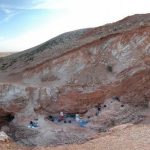
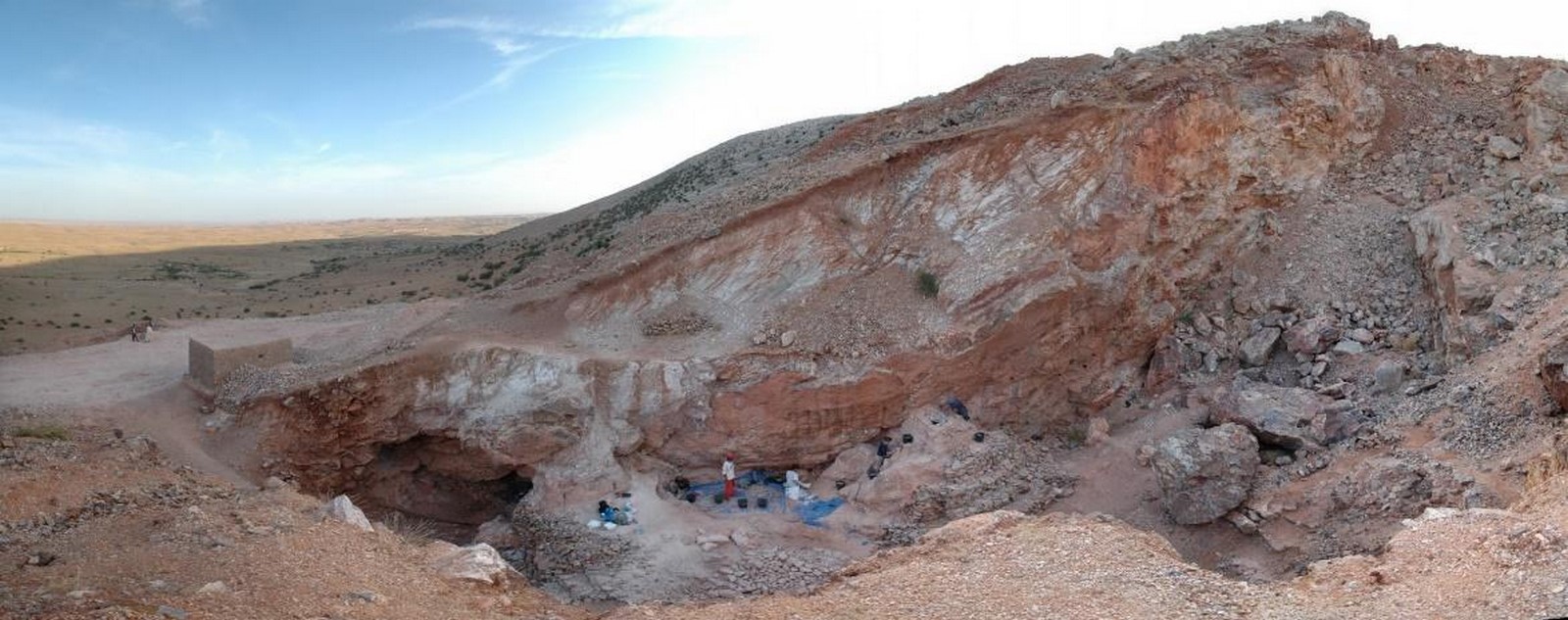
Culture has been influencing funerary practices since the Palaeolithic ages when homo-sapiens started the practice of intentional burials. Homo sapiens used to cover the dead with red ochre, the red colour representing “renewed vitality” and buried them in grottos (smalls decorated caves) with food and other daily objects one might need in the afterlife. These caves were both human-made and naturally occurring and can be considered as one of the earliest funerary structures. Cave paintings by the homo neanderthalensis dating 10,000 years represent the respect for the dead.
Egyptians – A Culture of Power and a Strong Belief in an Afterlife
Progressing forward, in the time of the Egyptians, the grotto burial took on a whole new meaning. Pyramids were being constructed, and techniques like mummification were being learnt. By this time, human minds had developed enough to understand the concepts of power and dominance, and society was divided into classes. Burial structures were built according to social hierarchy. Pyramids for kings and mastabas for servants. Multiple mastabas placed on top of each other gradually evolved to form a pyramid. The pharaoh was buried at the topmost of the pyramid and was considered the connection between people and God.
The cultural belief in an afterlife was what dictated the society, so much so that people believed that the most important thing they could do was prepare for death.

Stupas – Another evolved form of a burial mound
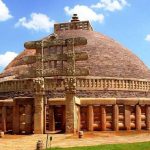
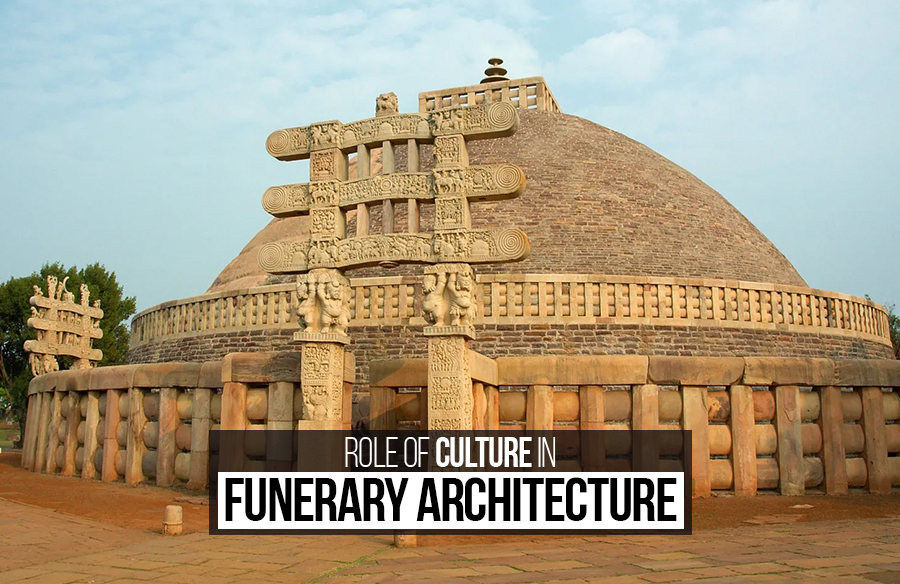
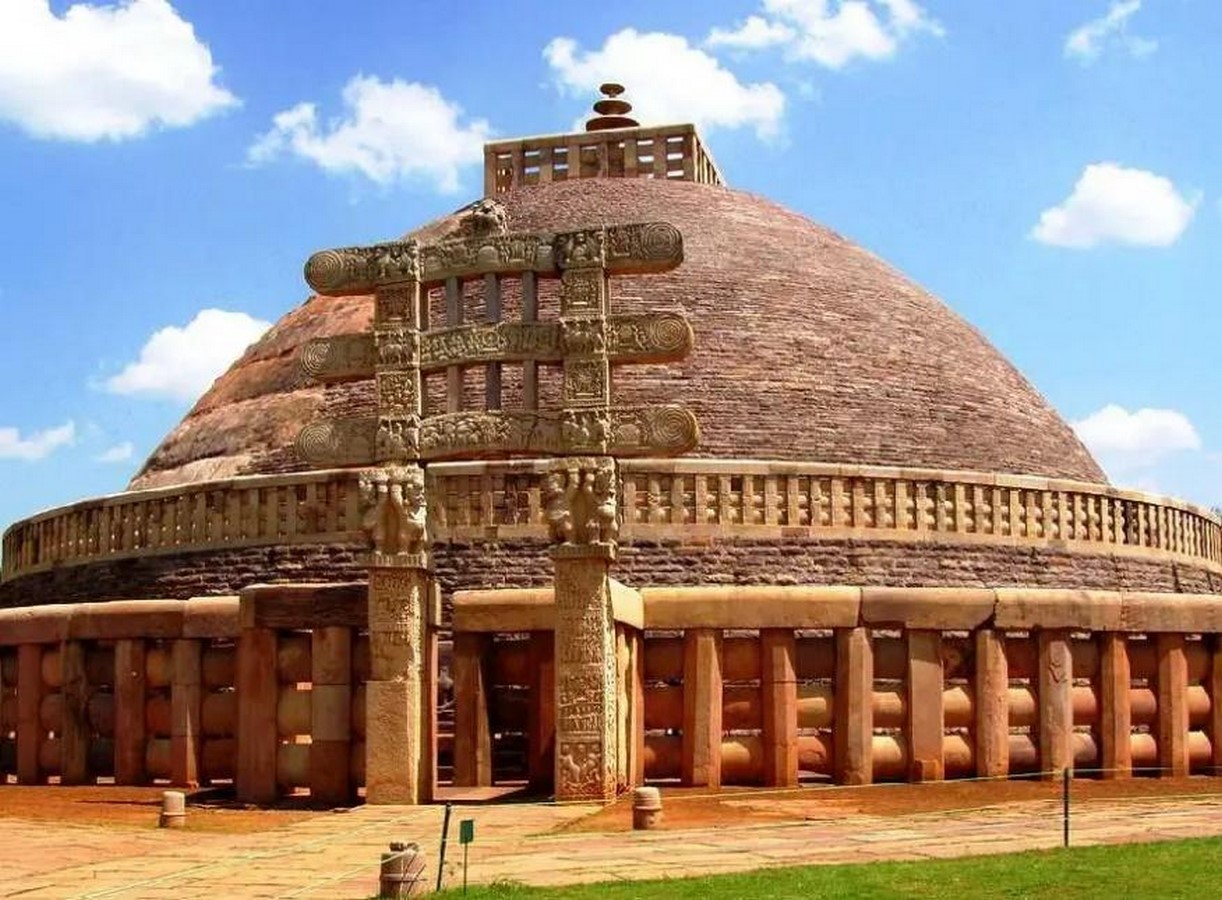
Burial mounds also evolved to be stupas. Teachers and saints of higher order were buried in these stupas in a meditative position. The built form of the stupa itself was inspired by the form of a meditating person, with the base representing crossed legs, the middle portion depicting the body, and the top (harmika) representing the head. After Buddhism rose, these stupas were prayed to before the idolization of Buddha, and now are important sepulchral monuments. This is a prime example of how a culture inspired the evolution of the built form of a burial mound.
Cremation – An Alternate Method
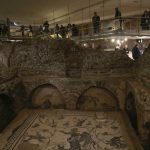
The alternate method of the final disposition of mortal remains was cremation. It arose 20,000 years ago. It was common in ancient Greco-Roman regions, evidently so due to the presence of necropolises. A necropolis is an elaborate cemetery-like structure with tombs, crematory chambers and spaces for funeral pyres, directly translated as “the city of the dead”. But the rise of Christianity almost saw the end of it, and burial again rose to popularity.
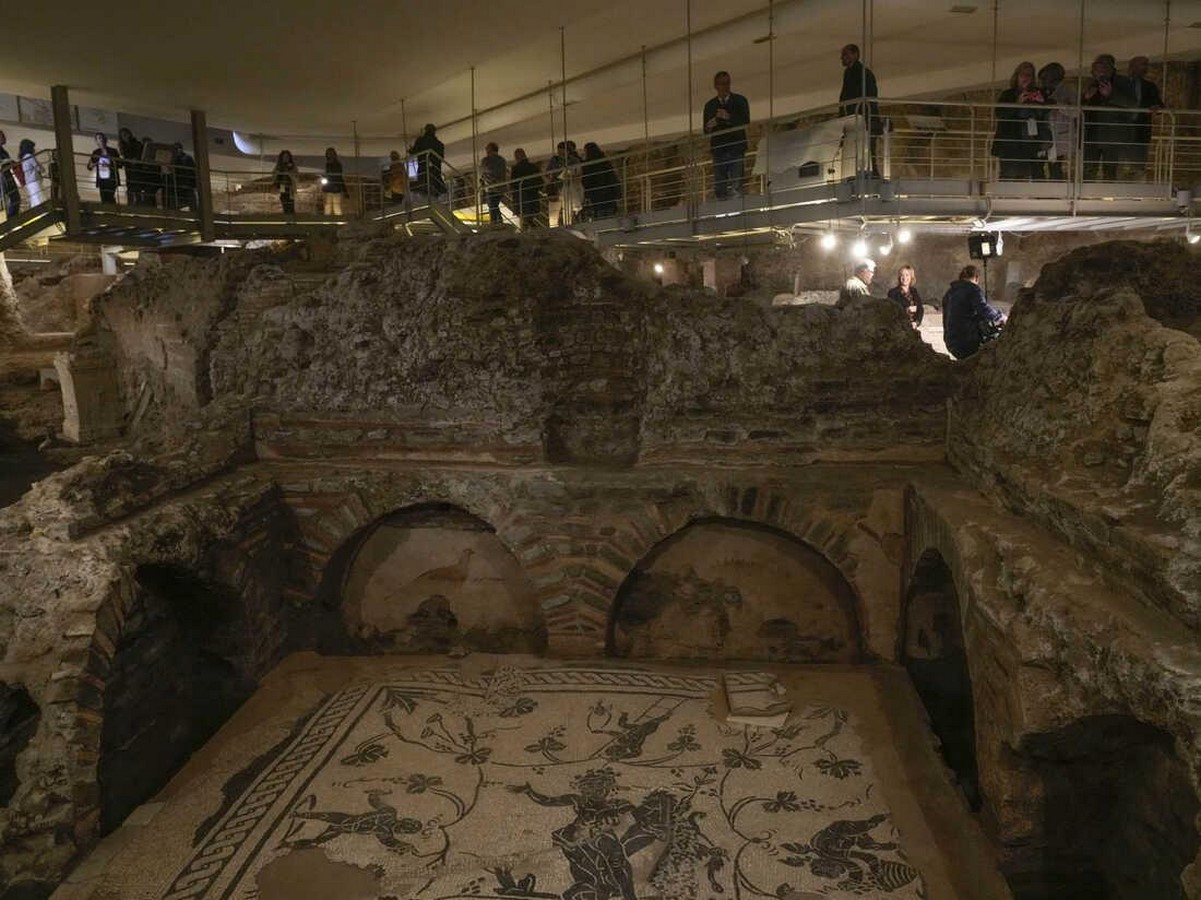
This was until Sir Henry Thompson brought it up again with the argument that “it was becoming a necessary sanitary precaution against the propagation of disease among a population daily growing larger in relation to the area it occupied”. This argument was recognised and accepted by a wide variety of people, and cremation was soon declared one of the best methods of performing the last rites.
Ghat Infrastructure as a Holistic Example of Funerary Architecture.
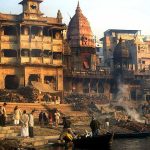
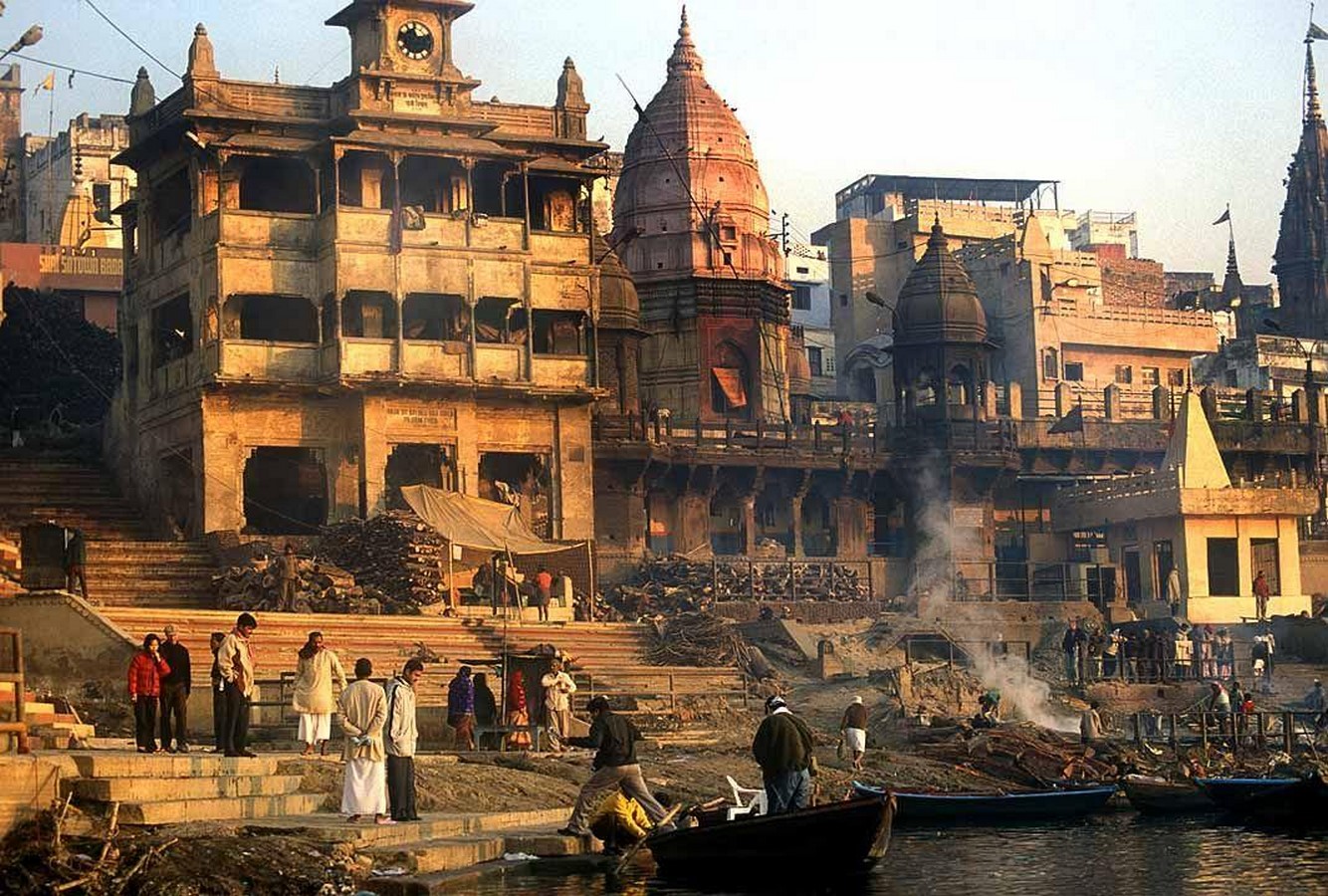
Cremation has been a widely spread method of performing death rites from ancient Rome to India, where structures like “ghats” (especially those of the river Ganga) act as crematory grounds. Ganga is considered a holy river and a medium to release one from the cycle of birth and death and thus achieve Nirvana. Ghats are basically river and land interfaces, which, when understood on a cultural level concerning funerary practices, have infrastructure such as temples, pavilions for the disposal of ashes, crematoriums, sacred shops and shacks for priests and sadhus. These structures don’t necessarily come under the domain of funerary architecture but are built in a way that aligns with the practices and beliefs of people.
Beyond Conventional Rites of Rest- Towers of Silence
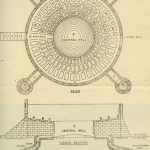
Zoroastrian Towers of Silence, or dakhmas, are funerary structures built by Zoroastrians. In the Indian context, Parsis. One such tower is present in the Malabar Hill region of Bombay, India.

They believe that dead bodies are impure, and the rotting flesh coming in contact with soil, water, or fire will contaminate these elements. To prevent this from happening, bodies are placed on top of these cylindrical towers, and vultures, being birds of prey, consume the flesh. In their culture, this is also considered their final act of charity. The dried bones are collected by salars and placed in ossuaries (a well in the centre of the structure) for thorough disintegration, often with the help of lime. This well is connected with sandstone, charcoal and sand filters to help the rainwater pass through it without contamination. The site context of structures includes forests with lush greenery and birds like peacocks; this serenity adds to the feeling of letting the soul go into a new realm.

This practice went smoothly till the 1980s, when suddenly the vulture population started declining rapidly. Finally, it was discovered that they were dying of kidney failure primarily due to a prescribed painkiller called “Diclofenac”, which was transferred to them through the human and cattle carcasses they were feeding on. A lot of Parsis then shifted to different methods like cremation and burials, and others tried reviving the towers of silence by replacing vultures with different biological and chemical aids.
Modern Funerary Culture and Practices
Preserving architecture not only preserves a building but also centuries of traditions, respecting the thought and artistry of its creators. It also showcases development through time and ages and affirms the relevance of structures even after years of change, industrialization, urbanization, and multiple factors that could easily have put them out of context.
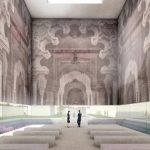
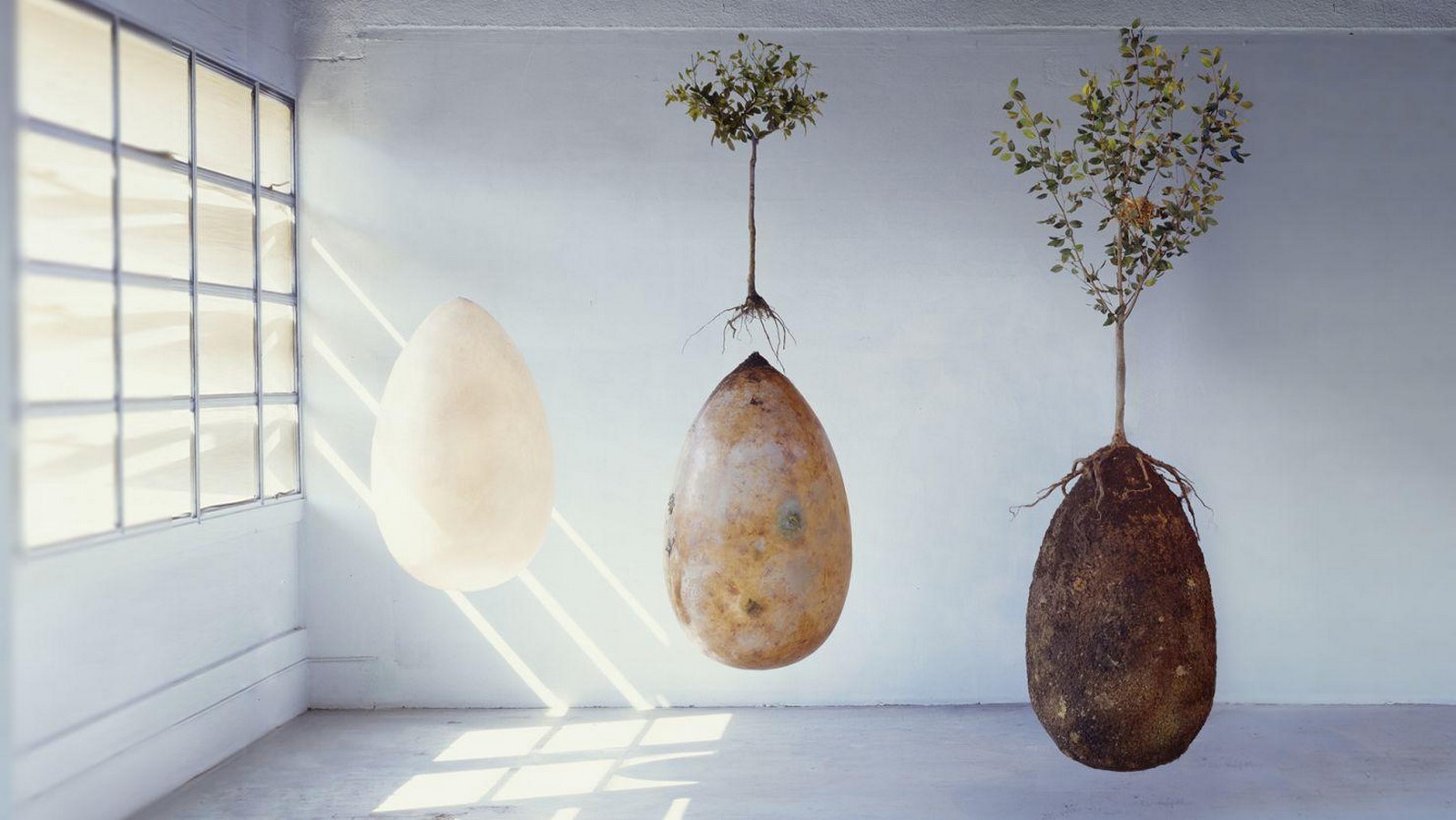
Cultural shifts encompass a shift of mentality and societal evolution of beliefs. The major change in belief that was seen was death instead of being seen only as an event of grief, and the sad end was replaced with the feeling of honouring the life one lived. Spaces started transforming from the ones built for the afterlife or simply to perform last rites to the ones built for remembrance. An inclination towards green and sustainable burials can also be seen in the replacement of coffins with burial pods like the “Capsula Mundi”. Modern funerary architecture consists of spaces like columbaria, funeral homes, memorial gardens, vertical cemeteries, crypts, etc.
Examples of Modern Funerary Architecture
Memorial Gardens are cemeteries which are landscaped with gardens and features that enhance the beauty of the space, such that visiting the grave of a loved one doesn’t feel like a gloomy task.
In North America, a one-of-a-kind garden called “The Little Spirits Garden” is built for parents who lost their children (pre- or post-term) to come together to decorate small houses for their infants based on pictures from the womb or as they prefer. This garden also acts as a place for people through the same to come together and help each other through the grieving process.

Another relatively newer and mostly uncharted concept of virtual funerals is coming into view. Culturally relevant virtual memorials through online platforms are being used to conduct funerals or prayer meets with all the loved ones from across the globe.
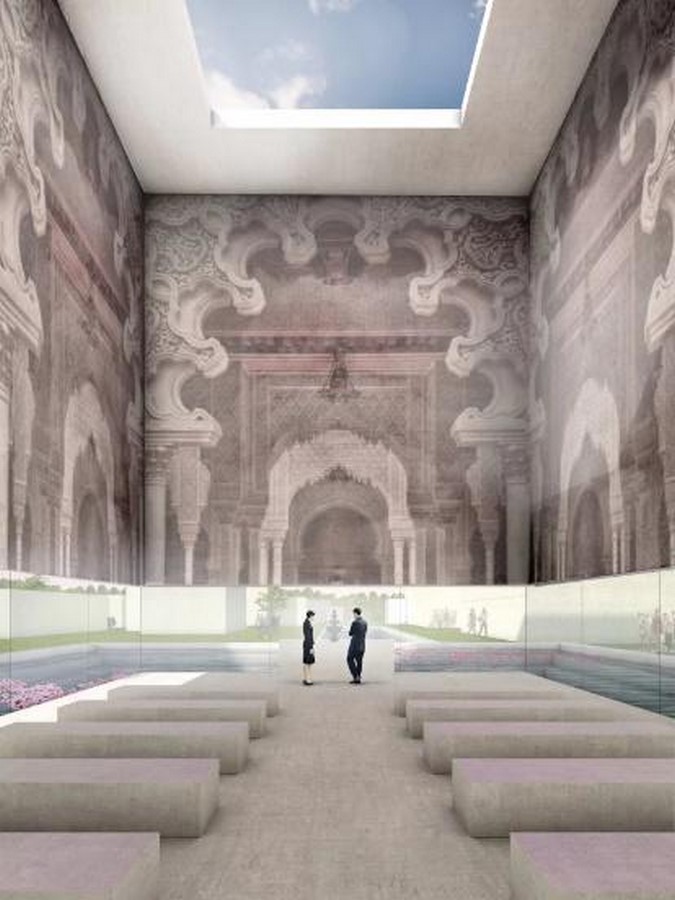
The general characteristic of all these structures is that whilst sprouting from the same culture and traditions as the past, they have now matured to fit into the society, mentality, and challenges of the present times.
Funerary architecture has many layers; it is built in a way that respects the beliefs and traditions of the group of people for whom it is built, whilst also respecting where and how it is built. Culture not only includes the rituals or history but also the societal conditions, the outlook and sentiments of the people and the needs of the environment. So, when funerary architecture is talked about in the light of culture, one must consider all these factors and respect the long years of history while understanding the need for it to evolve with the evolving world.
Citations:
- ArchDaily. (2023). Varanasi’s Ghats: The Adaptable Riverscapes of India. [online] Available at: https://www.archdaily.com/1002292/varanasis-ghats-the-adaptable-riverscapes-of-india.
- Axiom. (n.d.). Funeral Traditions From Cultures Around the World. [online] Available at: https://axiom-cms.com/deathcare-software/world-funeral-traditions/.
- Chamorro, S.T. (2020). Funerary cultural heritage: analysis, introduction notes. [online] 43, pp.66–77. Available at: https://www.researchgate.net/publication/340528568_Funerary_cultural_heritage_analysis_introduction_notes.
- EBSCO Information Services, Inc. | www.ebsco.com. (2022). Death and Burial in the Ancient World | EBSCO. [online] Available at: https://www.ebsco.com/research-starters/history/death-and-burial-ancient-world.
- Iyer, R. (2014). Funeral Traditions of Zoroastrians In Iran and India – Ramdas Iyer Photography. [online] Ramdasiyerphotography.com. Available at: https://www.ramdasiyerphotography.com/funeral-traditions-of-zoroastrians-in-iran-and-india-2/.
- Kaur, M.D. (2024). Memories in Stone: An Overview of Funerary Architecture – Cindrebay Blog. [online] Cindrebay Blog. Available at: https://blog.cindrebay.com/memories-in-stone-an-overview-of-funerary-architecture/ [Accessed 1 Jun. 2025].
- Madan, L. (2024). Towers of Silence. [online] 99% Invisible. Available at: https://99percentinvisible.org/episode/towers-of-silence/.
- Shelby, K. (2014). The stupa (article) | Buddhism. [online] Khan Academy. Available at: https://www.khanacademy.org/humanities/ap-art-history/introduction-cultures-religions-apah/buddhism-apah/a/the-stupa.
- Todayschoicecremation.com. (2025). The History of Cremation | Today’s Choice® Funeral Alternative Funeral Services Ltd. [online] Available at: https://todayschoicecremation.com/cremation-history.php [Accessed 1 Jun. 2025].
- www.e-flux.com. (n.d.). Designing Death: Contemporary Funerary Architecture and Objects – e-flux Education. [online] Available at: https://www.e-flux.com/announcements/248570/designing-death-contemporary-funerary-architecture-and-objects/.