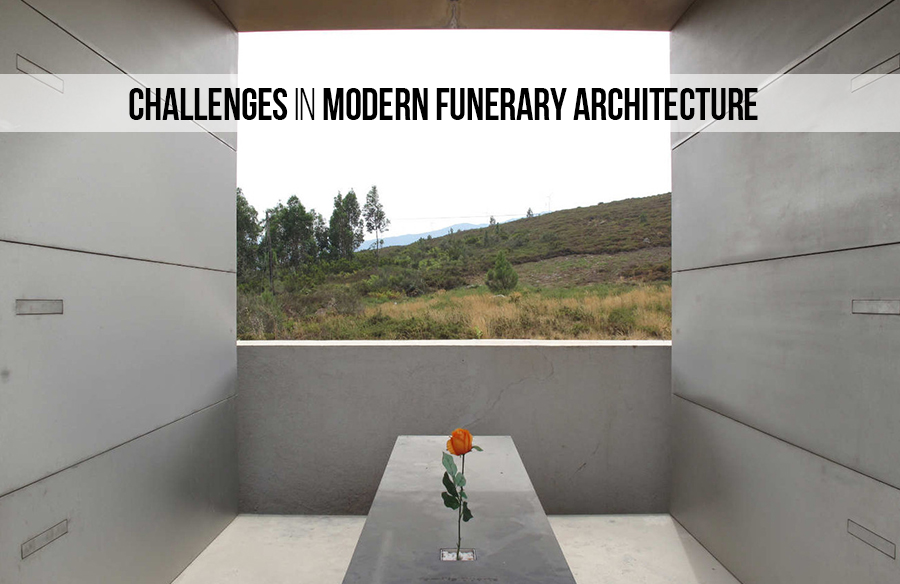
Funerary architecture has long served as a mirror of human society’s values, beliefs, and relationships with death. In the 21st century, this architectural genre faces unprecedented challenges stemming from environmental sustainability, urbanisation, cultural pluralism, technological advancement, and emotional considerations. This paper examines these evolving issues, highlighting key examples from around the world to illustrate the complex tensions modern designers must negotiate. It concludes that funerary architecture today demands a more flexible, sensitive, and sustainable approach to accommodate contemporary society’s multifaceted needs.
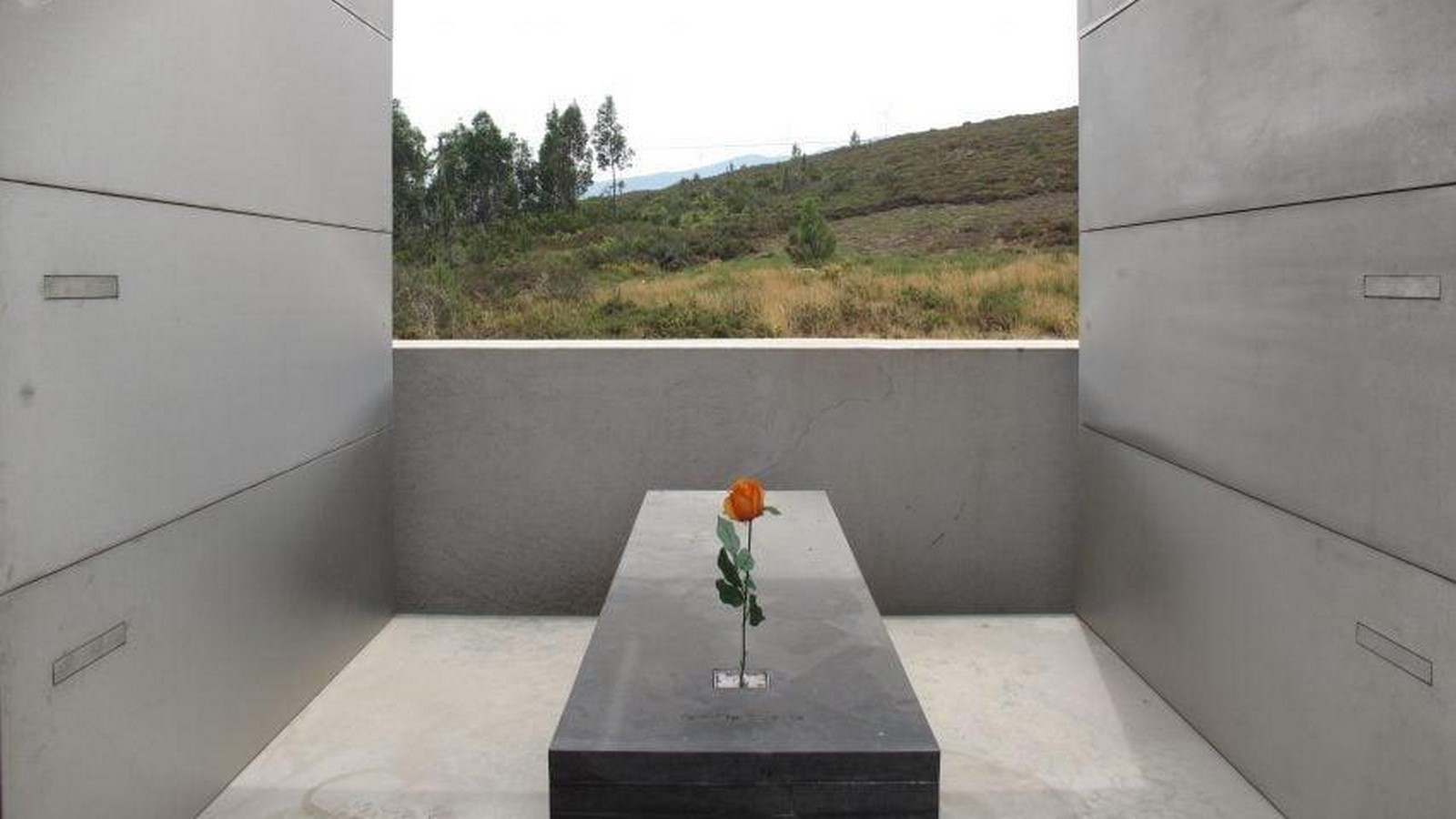
Funerary architecture, by convention, designed to honour the dead and accommodate mourning, continues to be a critical but often neglected component of the built landscape. In the past, monuments like pyramids, mausoleums, cemeteries, and memorial parks have not only identified burial sites but also represented shared memories and cultural identities (Curl, 2006). However, within the backdrop of accelerated urbanisation, environmental crises, and changing cultural values, funerary spaces in contemporary times are stretched more than ever before.
The objective of this article is to discuss the main issues of contemporary funerary architecture. It critically assesses environmental, spatial, cultural, emotional, technological, and economic considerations affecting contemporary funerary design. Through the use of international case studies, this paper considers the necessity for innovation, flexibility, and tact in contemporary funerary architectural practice.
Historical Background of Funerary Architecture
Funerary architecture is as old as civilisation. Early types, like Egyptian pyramids, were both religious function and political power (Arnold, 2003). Catacombs in the ancient Roman city served as underground rooms for Christian burial during periods of persecution (Jensen, 2010). During the Middle Ages, churchyard cemeteries multiplied, and the 19th century had the garden cemetery movement with places like Père Lachaise in Paris and Highgate in London (Curl, 2006).
Historically, mortuary architecture identified societies’ metaphysical understandings of mortality and the afterlife. Yet, following industrialisation and secularisation during the 19th and 20th centuries, practices changed. Contemporary mortuary architecture, as represented by Gunnar Asplund’s Woodland Cemetery in Stockholm, was concerned with emotional resonance through minimalism and integration with the natural world (Etlin, 2001).
Now, funerary spaces have to react not just to religious requirements but also to secular, multicultural, and ecological needs, which indicates a radical shift of this ancient typology.
Contemporary Context and Emerging Trends
Several factors characterise the modern context of funerary architecture:
- Urbanisation: Fast urban growth restricts available land for burials, especially in large metropolitan cities.
- Demographic Shifts: Ageing populations and rising mortality rates necessitate scalable solutions.
- Multiculturalism: Diverse funeral rituals require flexible and inclusive spatial arrangements.
- Technological Advances: Virtual funerals and digital memorials redefine mourning rituals.
- Environmental Awareness: Sustainable practices question conventional burial and construction practices.
- Architects today need to therefore balance traditional expectations with creative, flexible design solutions.
Key Challenges in Modern Funerary Architecture
- Environmental Sustainability
One of the most urgent challenges relates to the environmental footprint of funerary activities. The traditional methods of burial, including embalming chemicals and non-biodegradable coffins, present ecological hazards, while cremation releases considerable carbon dioxide (Davies & Rumble, 2012).
Green burials, which exclude embalming and employ biodegradable products, are also alternatives. Natural cemetery ground, such as that operated by the UK’s Natural Death Centre, values ecosystem recovery over landscaped cemetery appearance (Clayden et al., 2010).
Designers of such places need to strike a balance between minimizing environmental disruption and emotional and aesthetic demands. Additional innovations such as low-emission crematoriums, water cremation (alkaline hydrolysis), and biodegradable urns are innovative solutions for funerary architecture.
- Space Pressures and Urban Constraints
Space shortages in cities are yet another pressing concern. Horizontal cemeteries are not viable in high-density urban environments (Rugg, 2010). Countering this, some cities have welcomed vertical cemeteries — multistorey facilities that accommodate graves or columbaria.
The Memorial Necrópole Ecumênica cemetery in Santos, Brazil, and the Diamond Hill Columbarium in Hong Kong are examples of vertical funerary architecture. These centres offer high-density burial options, yet they disrupt the conventional understanding of sacred space and rituals of bereavement (Francis et al., 2005).
Urban design is increasingly incorporating funeral activities into public parks and urban spaces, where multifunctionality is encouraged instead of segregation.
- Cultural and Religious Diversity
Globalisation and migration have introduced unprecedented cultural diversity into cities. Funerary architecture must now accommodate a wide range of beliefs, from Christian burial and Muslim Janazah to Hindu cremation and Buddhist rituals.
Designing multi-faith or non-denominational cemeteries requires sensitivity. For example, the Gardens of Peace Muslim Cemetery in London provides facilities aligned with Islamic burial practices, while London’s City of London Cemetery offers multi-faith options.
Architects also have the twofold challenge of designing universal rooms but accommodating ritual specificity (Walter, 1999). Modular design, zoning within the cemetery, and flexible buildings are some of the solutions to this multifaceted requirement.
- Emotional and Psychological Considerations
Funerary architecture needs to deliver emotional comfort to the mourners. Successful architecture appeals to the senses—light, landscape, acoustics—to facilitate mourning and memory (Maddrell & Sidaway, 2010).
Spaces such as Stockholm‘s Woodland Cemetery show how the integration of landscape and simplicity can be used to create spiritual contemplation. Likewise, the urban Netherlands’ new crematorium generation utilises natural light, water features, and transitional spaces to make the grieving process smoother (Bergsma, 2015).
Funerary architecture today increasingly adopts therapeutic design concepts, transcending functionality to enable emotional recuperation.
- Technological Integration
Technology redefines memorialization and mourning rituals. Virtual funerals became widespread during the COVID-19 pandemic, while digital memorials and online grave databases are now commonplace (Harvey et al., 2012).
Architectural responses are the incorporation of QR codes on tombstones, which lead people to multimedia tributes, and the development of hybrid physical-virtual memory spaces.
These changes raise ethical and philosophical issues about the permanence, ownership, and intimacy of memory spaces, which planners and architects have to take into account carefully.
- Economic and Accessibility Issues
Lastly, economic considerations influence access to respectful funerary space. Conventional burial is growing in cost, and socio-economic differences tend to control the quality and location of burial or cremation services (Francis et al., 2005).
Public cemeteries tend to have difficulty in funding, resulting in under-maintenance or abandonment. In response, public-private partnership models (PPP models) have been introduced, but they raise questions about the commodification of death.
Architectural approaches thus need to balance cost-effectiveness with dignity, equity, and appropriateness in terms of culture.
Case Studies

- The Woodland Cemetery, Stockholm, Sweden
Designed by Gunnar Asplund and Sigurd Lewerentz, this UNESCO World Heritage Site is an example of the union of landscape and architecture to create a reflective funerary environment (Etlin, 2001). Its hills, pine woods, and simplistic chapels provide a subtle blend between the world of the living and the remembrance of the dead.
The Woodland Cemetery is an integrated approach that most contemporary funerary initiatives aspire to replicate.
- Columbarium Towers in Hong Kong
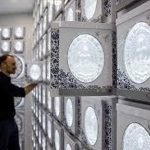
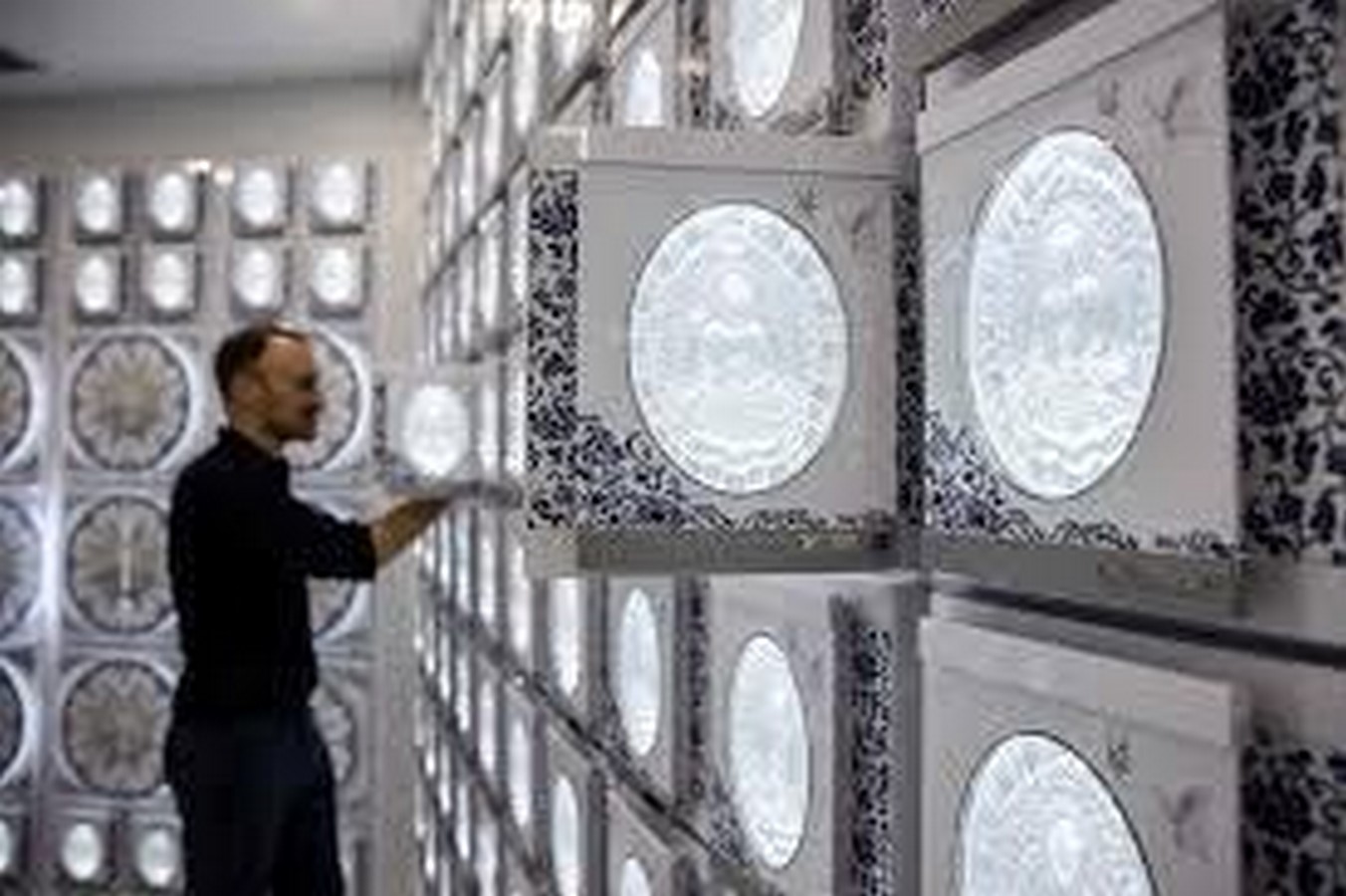
Confronted with extreme land scarcity, Hong Kong has pioneered vertical solutions for the deceased. The Cape Collinson Columbarium, for example, uses tiered niches in towers, conserving land space while ensuring accessibility.
Vertical cemeteries, however, test traditional Chinese conceptions of burial based on earth, and cultural compromises must be made (Chu, 2019).

- Memorial to the Murdered Jews of Europe, Berlin
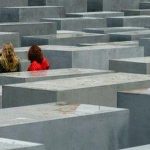
While not a cemetery in itself, Peter Eisenman’s memorial illustrates how architectural abstraction can strongly convey collective memory and mourning (Young, 1993). Its grid of stelae encourages individual contemplation without prescribing particular stories.
Such experiential and abstract designs shape modern funerary spaces that depart from figurative symbolism.

- Melbourne General Cemetery Renewal Project, Australia
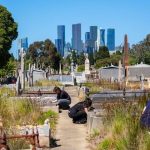
This project illustrates adaptive reuse in cemetery architecture. Historic cemeteries are reactivated through enhanced landscaping, memorial preservation, and new facilities for services, illustrating how cemeteries can be integrated into the fabric of urban living (Rugg, 2010).
Discussion
The challenges discussed are deeply interconnected. Environmental sustainability demands space-efficient solutions, which must in turn respect cultural diversity and emotional needs. Technological advances open new opportunities but also complicate traditional concepts of memory and permanence.
Architects and planners must adopt interdisciplinary approaches, blending architecture, psychology, ecology, technology, and cultural studies. Collaborative, community-driven design processes are crucial to ensure funerary spaces remain meaningful and accessible to all.
In addition, new typologies like memorial forests, hybrid cemetery parks, and modular remembrance buildings hold great hope for future funerary architecture.
Death is a fundamental human experience, and designing for it means responding to it with intense empathy, flexibility, and imagination.
Contemporary funerary architecture is challenged by a complex series of issues, fueled by ecological, urban, cultural, affective, technological, and economic exigencies. Together with the evolution of societies, places where we commemorate the dead must evolve as well.
Today’s architects need to cross over from classical paradigms, designing sustainable, inclusive, emotionally meaningful, and flexible spaces. Through balancing innovation with sensitivity to culture and emotion, contemporary funerary architecture can persist in fulfilling a vital social purpose: creating space where memory, grief, and meaning meet.
References (APA 7th Edition)
Arnold, D. (2003). The encyclopedia of ancient Egyptian architecture. I.B. Tauris.
Bergsma, J. (2015). Mourning landscapes: The architecture of grief in the Netherlands. Architecture and Culture, 3(2), 213–230. https://doi.org/10.2752/205078215X14252990759256
Chu, C. Y. (2019). Vertical Cemeteries: Spatial Negotiations and Cultural Concerns in Hong Kong. Mortality, 24(4), 385–401. https://doi.org/10.1080/13576275.2018.1483329
Clayden, A., Green, T., Hockey, J., & Powell, M. (2010). Natural burial: Landscape, practice and experience. Routledge.
Curl, J. S. (2006). The Victorian celebration of death. Sutton Publishing.
Davies, D. J., & Rumble, H. (2012). Natural burial: Traditional-secular spiritualities and funeral innovation. Continuum.
Francis, D., Kelleher, L., & Neophytou, G. (2005). The secret cemetery. Berg.
Harvey, R., Press, D., & Shepard, M. (2012). Memorialising the virtual: New death rituals. Visual Communication, 11(3), 293–316. https://doi.org/10.1177/1470357212446416
Jensen, R. M. (2010). Understanding early Christian art. Routledge.
Maddrell, A., & Sidaway, J. D. (2010). Death’s Apes: Spaces for death, dying, mourning and remembrance. Ashgate.
Rugg, J. (2010). Defining the place of burial: What makes a cemetery a cemetery? Mortality, 5(3), 259–275. https://doi.org/10.1080/713685999
Walter, T. (1999). On bereavement: The culture of grief. Open University Press.
Young, J. E. (1993). The texture of memory: Holocaust memorials and meaning. Yale University Press.
UNESCO World Heritage Centre. (n.d.). Skogskyrkogården. https://whc.unesco.org/en/list/558/
Hong Kong high-rise aims to become ‘village’ of the dead. (2023, June 27). The Straits Times. https://www.straitstimes.com/asia/east-asia/hong-kong-high-rise-aims-to-become-village-of-the-dead
Memorial to the murdered Jews of Europe. (n.d.). visit Berlin. https://www.visitberlin.de/en/memorial-murdered-jews-europe
Harperr Phineas, 2016 “Something is rotten when my trainers are more customised than my funeral” 24 November 2016;https://www.dezeen.com/2016/11/24/death-design-trainers-more-customised-than-funeral-rituals-phineas-harper-opinion/
Backhouse, M. (2025, March 20). This inner-city garden is an unlikely model for renewal and rebirth. The Sydney Morning Herald. https://www.smh.com.au/lifestyle/life-and-relationships/this-inner-city-garden-is-an-unlikely-model-for-renewal-and-rebirth-20250316-p5ljx8.html