Minimalism in Design – Ways Architecture and Nature can be combined
In the realm of architecture, the concept of minimalism has transcended mere design philosophy to become a profound approach that combines aesthetics, functionality, and a deep understanding of spatial dynamics. This article delves into the intricate world of minimalism in design, shedding light on its historical roots, essential principles, and practical applications for architects and students alike.
The Historical Roots of Minimalism
Minimalism in architecture traces its roots back to the mid-20th century, emerging as a response to the complexities of post-war society. Architects like Ludwig Mies van der Rohe and Frank Lloyd Wright played pivotal roles in shaping the minimalist movement, emphasizing the elimination of superfluous elements and a focus on fundamental forms.
Essential Principles of Minimalist Architecture
-
Simplicity and Functionality
Minimalist design revolves around the principle of simplicity. Stripping away non-essential elements, architects create spaces that serve their intended purpose with clarity and efficiency. Functionality becomes a guiding force, ensuring every element has a purpose.
-
Clean Lines and Geometric Forms
Clean lines and geometric forms characterize minimalist architecture. Rectangles, squares, and straight lines dominate, contributing to a sense of order and precision. This deliberate simplicity fosters a visual clarity that resonates with inhabitants.
-
Limited Color Palette
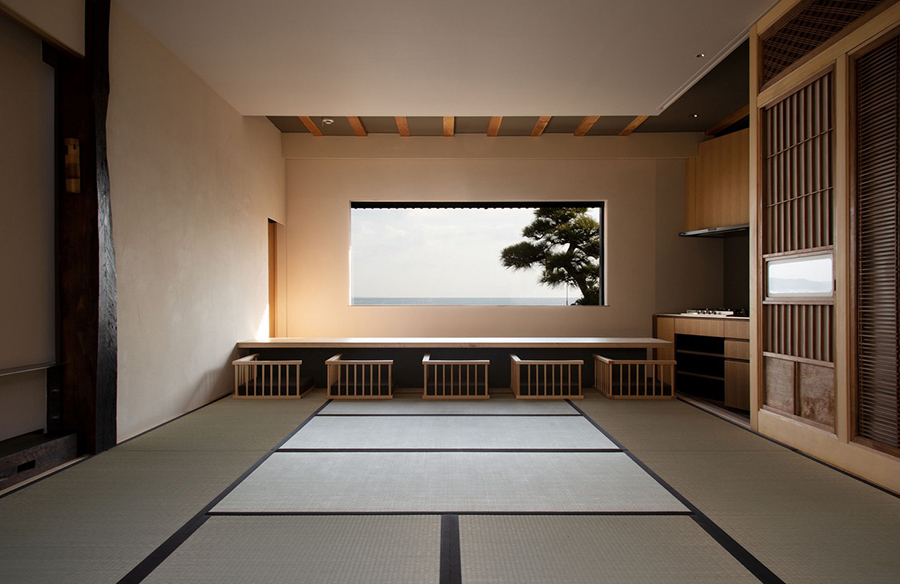
Minimalist spaces often embrace a limited color palette, typically consisting of neutral tones such as whites, grays, and earthy hues. This choice not only promotes a sense of tranquility but also allows architectural details to take center stage.
-
Abundant Natural Light
The play of natural light holds paramount importance in minimalist design. Large windows, glass walls, and open layouts maximize the entry of natural light, creating a harmonious connection between the interior and exterior environments.
Practical Applications of Minimalism in Architecture
-
Residential Architecture
Minimalist principles find ample application in residential architecture. Clean lines, open spaces, and a focus on functionality create homes that exude a sense of tranquility and sophistication. The renowned architect John Pawson’s design for the Baron House stands as an exemplar of residential minimalism, showcasing the beauty of simplicity.
-
Commercial Spaces
Businesses have embraced minimalist design to create inviting and efficient commercial spaces. Apple’s flagship stores, designed by Jony Ive, epitomize this approach with their uncluttered layouts and emphasis on showcasing products.
-
Institutional Buildings
Minimalism extends its influence to institutional buildings, fostering an environment conducive to learning and innovation. The Tokyo National Museum designed by Yoshio Taniguchi exemplifies how minimalist principles can enhance the functionality and visual appeal of educational spaces.
The Concept and Typology of Minimalist Design for Architects
-
Conceptualizing Minimalism
For architects delving into minimalist design, understanding the underlying concept is crucial. It involves a meticulous balance between simplicity and functionality. Every design decision should contribute to the overall coherence of the space, creating an environment that is both visually pleasing and purposeful.
-
Typology of Minimalist Design
Minimalist design manifests in various typologies, each with its own set of challenges and opportunities. From residential homes to commercial establishments and public spaces, architects need to tailor their approach to suit the specific requirements of the project.
Minimalism in Education: Shaping Future Architects
-
Integrating Minimalism into Architectural Education
Educational institutions play a pivotal role in shaping the future of architecture. Incorporating the principles of minimalism into architectural curricula empowers students to appreciate the significance of simplicity and functionality in design.
-
Case Studies and Workshops
Architectural schools can enhance the learning experience by incorporating case studies of iconic minimalist designs and organizing workshops that challenge students to create their own minimalist masterpieces. This hands-on approach fosters a deep understanding of the principles and practicalities of minimalist architecture.
Conclusion: Embracing Minimalism as a Design Philosophy
In conclusion, minimalism in design transcends a mere aesthetic preference; it is a philosophy that marries form and function in a harmonious dance. Architects and students alike can draw inspiration from the principles of minimalism, creating spaces that stand as testaments to the beauty of simplicity. As the architectural landscape continues to evolve, embracing minimalism ensures designs that endure both in their visual appeal and practical utility.