Views and Interior Elements – Ways Architecture and Nature can be combined
In the realm of architectural design, the synergy between views and interior elements holds a pivotal role, shaping not only the physical form but also the experiential dimension of a space. This article delves into the multifaceted concept of incorporating views and interior elements, exploring its significance for architects and students of architecture seeking to elevate their projects to new heights.
The Concept of Views in Architecture
1.1 Embracing Nature’s Canvas
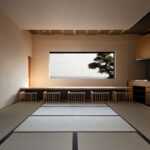
Views in architecture extend beyond mere glimpses of the surroundings; they are integral components that can define the entire design narrative. Incorporating expansive windows, balconies, or strategically positioned openings allows architects to harness natural beauty, connecting the built environment with the surrounding landscape.
1.2 Framing Perspectives
Architects often employ the technique of framing views to create visual focal points. This deliberate framing not only enhances the aesthetic appeal of a space but also guides the occupant’s gaze towards specific elements, fostering a curated experience.
1.3 Examples in Practice
An exemplary instance of this concept is evident in the Fallingwater house by Frank Lloyd Wright. The cantilevered structure not only provides breathtaking views of the waterfall but also integrates them into the very fabric of the living spaces, blurring the boundaries between the interior and exterior.
Interior Elements: Crafting Spatial Narratives
2.1 Materials and Textures
Interior elements go beyond aesthetics; they play a crucial role in shaping the ambiance and functionality of a space. Thoughtful selection of materials and textures can evoke specific emotions and enhance the overall sensory experience within a building.
2.2 Spatial Planning
Effective spatial planning involves a meticulous arrangement of interior elements to optimize functionality and flow. From furniture placement to the organization of rooms, every decision contributes to the holistic design.
2.3 Lighting Dynamics
Lighting serves as both a functional and aesthetic element, influencing the perception of space. Architects must consider natural and artificial lighting to create a dynamic interplay that enhances the visual appeal of the interior.
2.4 Case Study: The Barcelona Pavilion
Mies van der Rohe’s Barcelona Pavilion is a testament to the significance of interior elements. The strategic use of materials, such as the iconic Barcelona Chair and the travertine walls, contributes to an atmosphere of timeless elegance and sophistication.
Views and Interior Elements as a Typology
3.1 Harmonizing the Two Concepts
Achieving a harmonious balance between views and interior elements requires a nuanced understanding of the site, context, and user needs. The typology of this design approach necessitates a seamless integration of the exterior and interior realms.
3.2 Adaptive Design for Urban Spaces
In urban settings, architects face the challenge of limited views. However, innovative design solutions, such as rooftop gardens, atriums, and strategically placed reflective surfaces, can amplify the perception of space and provide glimpses of the surroundings.
3.3 Educational Perspectives
For aspiring architects and students of architecture, grasping the nuances of this typology is paramount. Immersing oneself in case studies, understanding the historical evolution of such designs, and experimenting with conceptual models contribute to a comprehensive education in this field.
Conclusion: A Call to Elevate Architectural Endeavors
Views and interior elements, when intricately woven into the fabric of architectural design, transcend the realm of aesthetics to become powerful storytellers. Architects and students alike are urged to embrace this holistic approach, drawing inspiration from iconic examples, experimenting with innovative solutions, and contributing to the ever-evolving narrative of architectural excellence.