Businesses are constantly seeking for innovative techniques to create a long-lasting impact on their customers and society in a world where competition is ferocious and attention spans are shorter. Beyond marketing efforts and catchy slogans, a key weapon has emerged: architectural design. The combination of psychology and architecture has produced an intriguing phenomenon known as the “Psychology of Branding.” This phenomenon looks into how businesses employ architectural design to promote and reflect their brand identity, resulting in a consistent and memorable brand experience for customers.
The Foundation of Brand Psychology
Brand psychology is founded on the premise that people have an innate tendency to associate visual cues with emotions, memories, and experiences. Outstanding branding activities are driven by the need to evoke exact sensations and ideas when a person comes into touch with a brand’s visual components. Not only do logos and colors play a role, but so do actual sites where people interact with the business.

Creating a Visual Symphony of Brand Identity
The architectural design may be used to translate a brand’s identity into aesthetically appealing real-world experiences. From the layout to the materials used, every component of architectural design communicates a distinct message to visitors and potential customers. A luxury brand may employ expensive materials, skilled craftsmanship, and spacious design to evoke feelings of exclusivity and refinement. A technical company, on the other hand, may use minimalist, open spaces to encourage creativity and efficiency.

Spatial Storytelling and Brand Consistency
Businesses may employ architectural design to tell their tales through their constructions. Like new individuals, architectural aspects take tourists on a journey. This trip represents the brand’s history, beliefs, and goals. By curating every component of the physical environment, brands can create consistent tales that reinforce the emotional connection customers have with the brand.
Transcending the Senses
By engaging all of the senses, the architectural design goes beyond the visual to create an immersive brand experience. Material texture, site acoustics, and even the aroma of the surroundings all contribute to a company’s overall image. Apple, for example, stimulates the tactile and visual senses with its clean and simple retail locations, reflecting the brand’s mission of simplicity and innovation.
Architecture as a Symbol of Trust and Authenticity
Consistency in architectural design reflects a brand’s commitment to its identity. Customers develop trust when they locate genuine locations that fulfil their requirements. In today’s environment, authenticity is a valuable asset. The architectural design aims to engage the client throughout the whole experience while inspiring trust and confidence.
Community and Social Engagement
Architectural design is also important in the development of brand communities. In connection and engagement circumstances, customers experience a sense of belonging. Companies, restaurants, and co-working spaces regularly employ this notion to establish venues where people can communicate and share their experiences, therefore strengthening their engagement with the company.
Challenges and Ethical Considerations
While harnessing the psychology of branding through architectural design can be powerful, it’s essential to address potential pitfalls. Striking a balance between brand identity and functional design is crucial. Architectural elements that create discomfort or hinder usability can adversely impact customer perception. Additionally, brands must consider the broader societal and environmental implications of their architectural choices, aligning with ethical and sustainable practices.

Architectural design is a powerful tool and helps businesses to reinforce and communicate their brand identity, resulting in a consistent brand experience that resonates with customers. Here’s how businesses can achieve this:
1. Reflecting Brand Values
The beliefs and goals of a corporation may be reflected in architectural design. A sustainable-focused firm, for example, may use eco-friendly building materials and energy-efficient designs to demonstrate their devotion to the environment.
2. Consistent Visual Identity
Colors, forms, and materials used in architecture can be coordinated with the company’s visual identity. A fast-paced technology firm may use sleek, contemporary lines and brilliant colors, whereas a luxury brand may use exquisite and luxurious designs.
3. Storytelling Spaces
Spaces may be built to communicate the story of the brand. Incorporating items representing the company’s history, achievements, and journey can help to create a narrative-rich atmosphere with which consumers can engage.
4. Unique Design Features
Architectural characteristics that are distinctive might become linked with a brand. Consider Apple’s simple retail layouts or Starbucks’ cozy and inviting coffee shop layouts. Customers will recognize these traits right away.
5. Emotional Connection
The architectural design may elicit feelings that correspond to the brand’s identity. A wellness-focused business may build tranquil, zen-like environments, or an adventurous brand may choose dynamic, high-energy designs.
6. Customer Experience Enhancement
Customer experience may be improved through architectural design. Positive brand views are reinforced through intuitive layouts, pleasant settings, and well-planned interiors.
7. Cultural Alignment:
The architectural design may be used by businesses to connect with local culture or the cultural essence of their target audience. This demonstrates knowledge of the neighborhood and connects with customers on a deeper level.
8. Interactive Spaces
Customers can be engaged in novel ways via interactive architectural components. A retail store, for example, may include interactive displays that showcase the brand’s innovation and customer-centric attitude.
9. Flexibility and Adaptability
Designs that are adaptable and flexible might indicate a brand’s capacity to change. Spaces that can be readily modified to host various events or activities may demonstrate the brand’s adaptability.
10. Iconic Landmarks
Businesses may develop architectural monuments that become iconic symbols of their brand in some situations. These landmarks become recognizable icons that represent the existence and values of the business.
11. Sustainability Integration
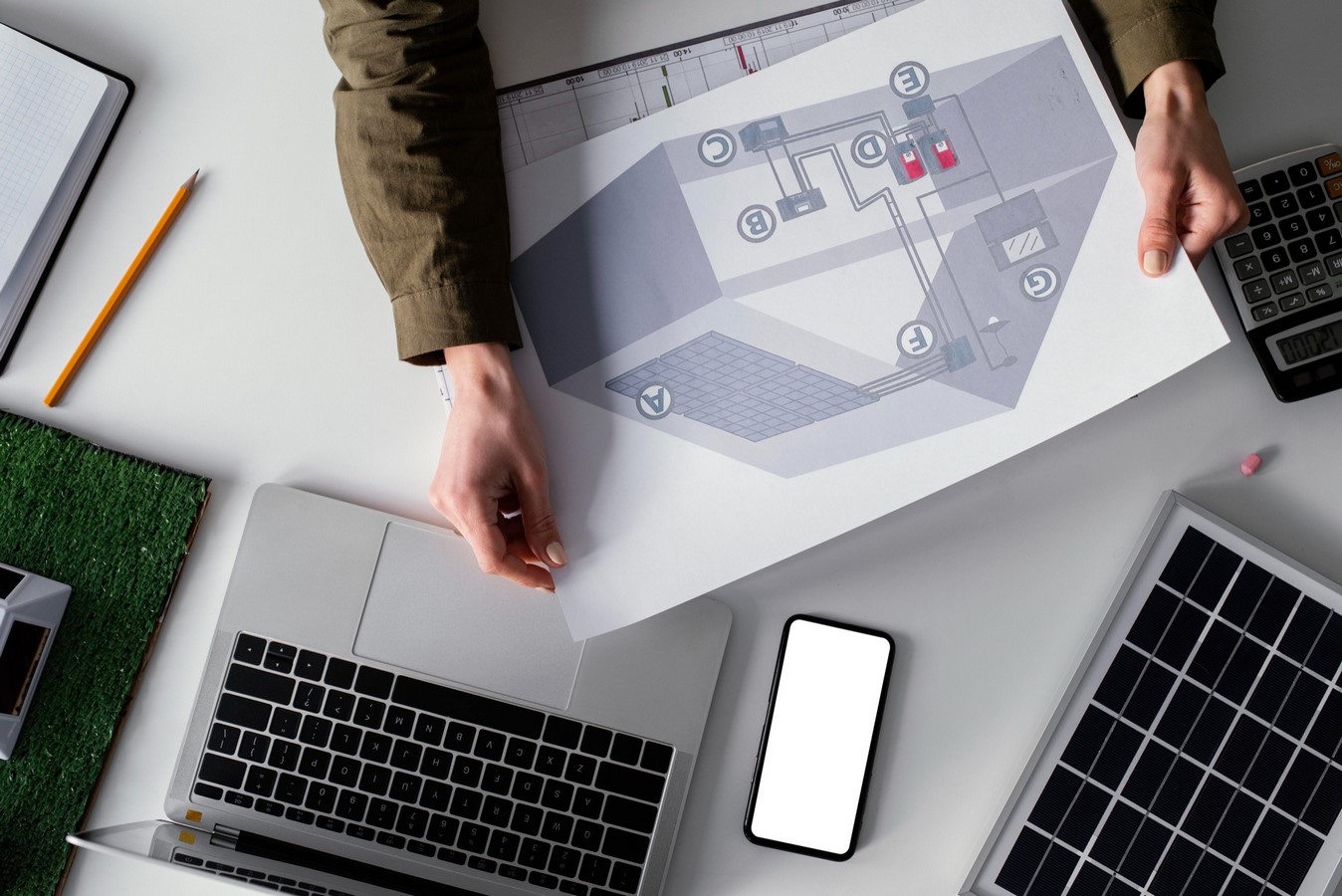
Incorporating environmentally concerned design aspects correlates with environmentally conscientious brands. Solar panels, rainwater collection, and green spaces may all demonstrate a dedication to sustainability.
12. Seamless Online-Offline Integration
Architectural design allows brands to expand their online identities into actual venues. Integrating digital displays, interactive panels, and QR codes might help to bridge the online and offline experiences.
13. Employee Well-being
Customers and staff are both affected by architectural design. Creating pleasant, well-designed workplaces may boost staff morale and productivity, therefore improving the whole brand experience.
Businesses can create a unified and immersive brand experience that connects with customers and differentiates them from rivals by intentionally combining architectural design aspects that correspond with their brand identity.
Reference:
Nugno (2019) Mind over matter: The psychology of branding, Medium. Available at: https://medium.com/@bynugno/mind-over-matter-the-psychology-of-branding-dbef7c755c (Accessed: 13 August 2023).