In a world filled with urgent calls for environmental awareness, architects and urban planners are taking center stage in shaping a sustainable future. The synthesis of eco-friendly concepts and architectural and urban design principles is a fascinating dance of creativity, obstacles, and possibilities. The incorporation of eco-friendly ideas into architectural and urban design is not a mere fantasy; it is a clear imperative that echoes the urgency of our times. Examples like the lush rooftop gardens and solar-covered towers act as vivid strokes on the canvas of sustainable development (Guide). These endeavors do, however, have their fair share of difficulties, highlighting the extent of the transition that is taking place. As we investigate this dynamic interplay, we discover a tapestry that not only transforms our cities but also nurtures our planet..
Architecture and Nature
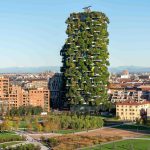
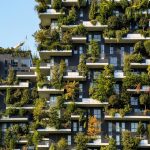
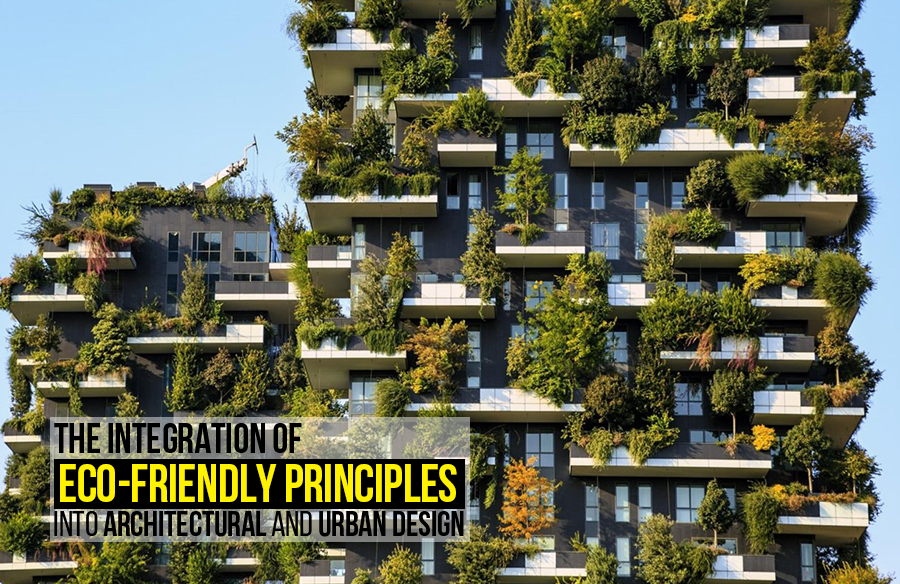
Green Roof & Living facades: The quest of integrating nature into our built environment is a delicate yet remarkable task in the field of architecture. Imagine standing in front of a building that has been turned into a living tapestry, with walls cascading with lush vertical plants. As a towering building that perfectly combines human habitation with nature’s embrace, the Bosco Verticale in Milan, Italy, serves as a live example of this idea. However, within the appeal lies the difficulty of long-term survival and maintenance (“Vertical Forest | Milan”).


Critics express valid concerns regarding the viability of such intricate living installations. Can these vertical gardens be maintained in the long run? Will the expenses surpass their benefits? In addition, continuous study provides insight into plant species that are best suited for such installations and are more tolerant to the challenges of the urban environment. This remind us that integrating nature and architecture is a complex but crucial job, even if it requires discussing challenges and uncertainties.
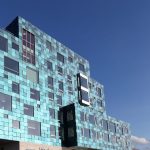
Solar Harvesting: The sun has evolved to become an active participant in architectural storytelling. Solar panels, which were once seen as an afterthought, are now integrated into building designs. The International School in Copenhagen is an example of this, with solar panels adorning the facade like pieces of a technological puzzle, catching sunlight and translating it into clean, renewable energy.
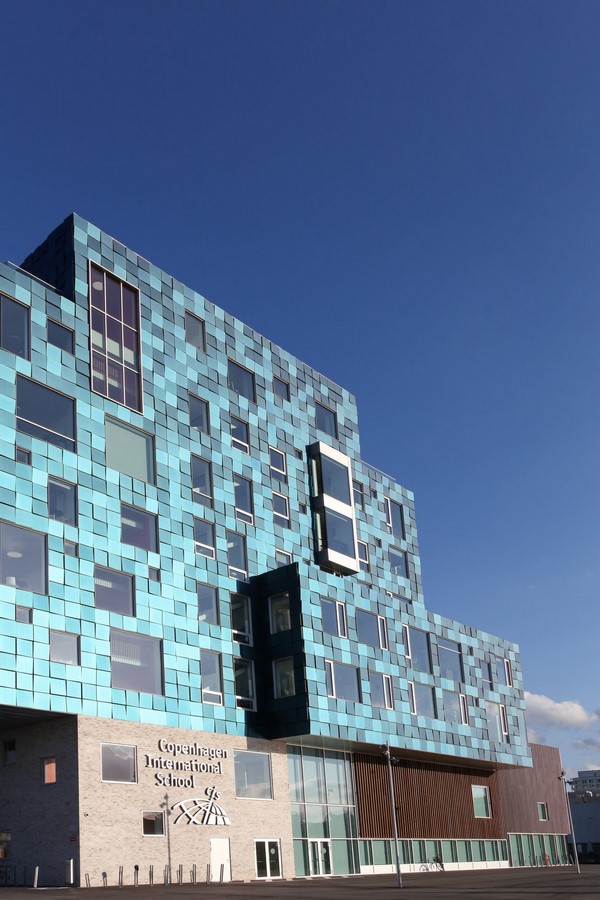
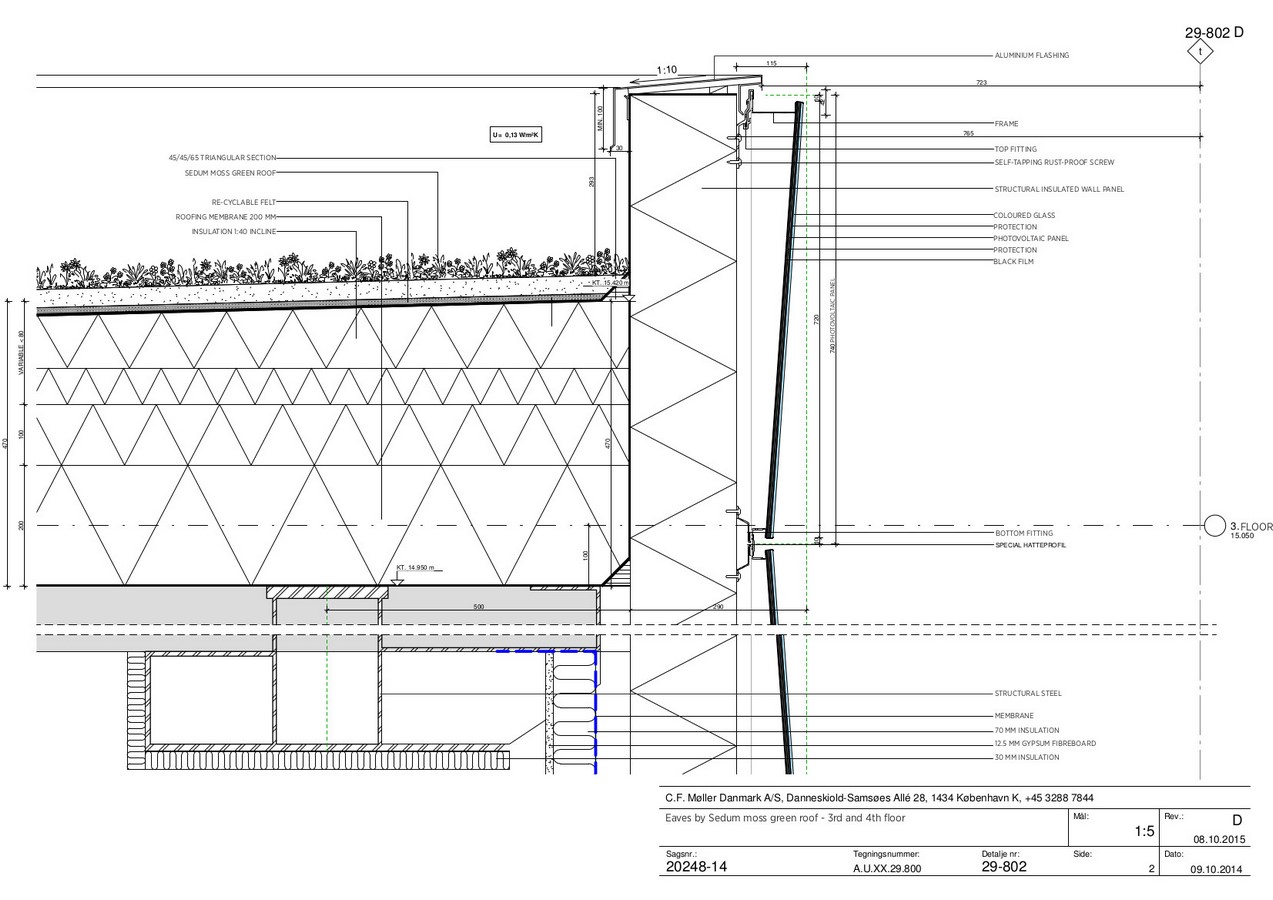
They transcend a plain surface into an artwork, demonstrating how user comfort and aesthetic appeal may coexist in perfect harmony. This architectural wonder proclaims that sustainability can be enticing and that solar technology and design prowess can coexist (Gibson et al.). The solar-adorned façade of the Copenhagen International School is more than just a statement about how our urban environments can be agents of change. It serves as a reminder that our buildings can contribute to energy solutions while still being architectural marvels.
Sustainability and Urban Planning
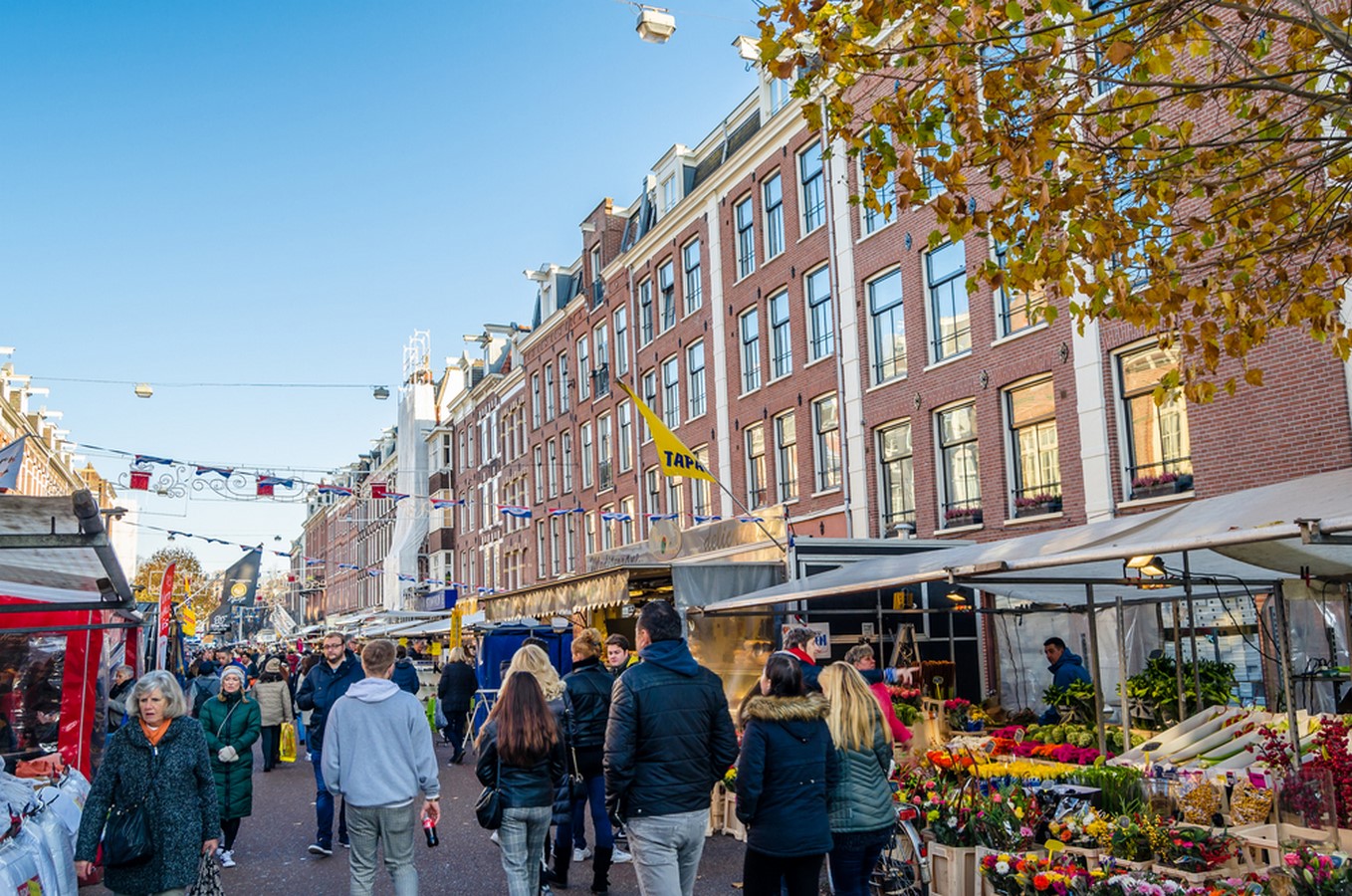
While individual buildings pioneer the way for eco-friendly design, the overall urban structure is significantly vital. Sustainable urban planning aims to develop communities that are accessible, efficient, and environmentally friendly. Imagine a busy street filled with people walking, cycling, and engaging with their surroundings rather than cars. Pedestrian-friendly areas promote a healthier lifestyle, lower air pollution, and develop a sense of community. The redevelopment of Times Square in New York City into a car-free sanctuary exemplifies the potential of this method.
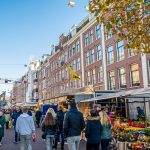
Cities’ beats are changing as pedestrian zones and dedicated bicycle lanes develop as antidotes to the cacophony of honking horns. Cities such as Amsterdam and Copenhagen are setting the example by constructing streets that favor people over automobiles, promoting healthier lifestyles while lowering pollution (Brady). Skeptics, on the other hand, challenge its relevance in expansive cities where car dependence is high and the difficulty of implementing such changes in car-centric cultures provokes questions about feasibility and acceptability.
Pockets of nature beckon like a quiet oasis amid the concrete jungle. This urban juxtaposition exemplifies biophilic architecture, a philosophy that aspires to reinstate humanity’s harmonious connection with the natural environment. This architectural concept has spurred a movement to recover our connection to nature within urban surroundings, from huge parks to modest pocket gardens. Biophilic design has given rise to large parks, green belts, and even little pocket gardens in an effort to reconnect urban inhabitants with nature. This concept is exemplified by Singapore’s transition into a “City in a Garden” with the landmark Gardens by the Bay project. These vertical gardens are more than simply stunning ornaments; they also function as air filters, rainfall collectors, and solar energy generators. Within the Gardens, the Cloud Forest and Flower Dome provide immersive experiences that educate and inspire visitors about the world’s different ecosystems.
Paving a Greener Path Tomorrow
The incorporation of eco-friendly principles into architectural and urban design is no longer an idealistic dream; it is a necessity. The examples and problems show that the path to a more sustainable future is not without complications. This path, however, is defined by innovation and a shared commitment to fostering both human well-being and the environment (Anselm). The synergy between humans and the environment becomes palpable when architectural projections become tangible structures that breathe with nature and urban plans morph into dynamic, walkable communities.
The transition to environmentally friendly architecture and urban design requires knowledge conveyance. Workshops, seminars, and educational programs can help architects, planners, and the general public understand and advocate for environmentally friendly techniques. The diversity of viewpoints guarantees that the design process is both imaginative and balanced. Understanding the long-term benefits of green design is critical to influencing attitudes. Integrating eco-friendly ideas is about going beyond creating buildings or developing communities; it’s about leaving a legacy of resilience, innovation, and responsible stewardship that will last eternally through the ages.
References:
Anselm, Jideofor. “Building with Nature (Ecological Principles in Building Design).” Science Alert, https://scialert.net/fulltext/?doi=jas.2006.958.963. Accessed 28 August 2023.
Brady, Sasha. “How Amsterdam’s future is car-free and bike-friendly.” Lonely Planet, 10 October 2019, https://www.lonelyplanet.com/news/amsterdam-car-free-plan. Accessed 28 August 2023.
Gibson, Eleanor, et al. “CF Møller Architects covers Copenhagen school in 12,000 solar panels.” Dezeen, 23 August 2017, https://www.dezeen.com/2017/08/23/copenhagen-international-school-c-f-moller-architects-12000-solar-panels-denmark/. Accessed 28 August 2023.
Guide, Step. “Eco-friendly architecture: the importance of sustainable design.” FibreGuard, 16 July 2021, https://fibreguard.com/blog/eco-friendly-architecture-sustainable-design. Accessed 28 August 2023.
“Vertical Forest | Milan.” Stefano Boeri Architetti, https://www.stefanoboeriarchitetti.net/en/project/vertical-forest/. Accessed 28 August 2023.