The future is a concept we live in continuously, without realizing its passing. So much happens in every second, around the world, that maybe picking up matcha instead of your morning expresso could have resulted in a whole new future. The pace of our lives and our influence on the world around us is extremely potent in the Anthropocene we have developed, but looking back at our humble beginnings, how did we get here?
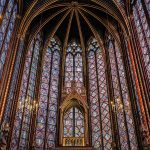
Nearly every period in human history can be categorized with a corresponding art movement, and the art movement, in turn, tells us almost everything we needed to know about the societies and culture of the age. Be the towering cathedrals of gothic Europe, suggestive of a deep-set reverence for religion. The strong clean lines, and concise proportions of the Greeks or the distilled essence of the emotion of de-Stijl.
The art of the era not only speaks for its people but is a tell-tale relic of all that was valuable or missing from the times, and until recently, the art and architecture of the time would mirror one another.


Art, Science, and Philosophy were methods to communicate human knowledge, and architecture, its embodiment. The Hagia Sophia, for instance, was a technological marvel in its age. Pushing the limits of materials and human knowledge, it also embodies the core religious sentiments of the era it was conceived in.
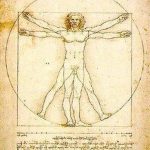
And the beauty of its celestial dome continued to mesmerize everyone around it. The amalgamation of scientific inquiry, technological advances, and the arts in the renaissance was a turning point, steering mankind towards a more rational, tangible understanding of the world we live in.

But today, these three disciplines couldn’t be further away from one another, in terms of both, their study and their practice. We have almost succeeded in isolating our expressions of knowledge with as little interaction between them as we can achieve. Each of their purposes and direct applications has been demarcated in our minds. Technology is for the machines, none of which we can live without. They make our lives faster.
Philosophy is for politicians and journalists, who we elect to make decisions for us based on how well they portray an understanding of our needs. Art is sadly only for a privileged few, a luxury that only the cream of society can ponder over, while surrounded in silks and perfume, as they pretend to be happy.
And architecture?
Once the influx of all that society stood for, now seems as though it is looking to redefine itself, as it tries to convince a Populus that forgot its existence, about how it was, and still is desperately needed as a keystone to bring us back to harmony.
But the flames of this need to have every object we use be carefully created to extract a long-lasting functionality and to have our homes and cities be tailored to this new Anthropocene, are inescapable, as we march further along our death march to progress. We stop for nothing in this route. Be the routine sacrifices of our home, warning after warning from a dying planet, or a worldwide pandemic that forces everyone to the confines of the very homes and cities where this need was first felt.
We now stand at crossroads as our march evolves into a sprint. If we succeed in bringing together what science teaches us, about the nature of the world, what art and design offer in functionality and practical adaptation with the ethics that our philosophy teaches us, we will build homes, institutions, and cities that will heal some of the damage we created, if not cause any more harm.
Once we wake up and hear the sirens that the planet has been blaring at us, we will need to equip ourselves to entirely rewrite our lifestyle. We will be required to question the foundations of all our institutions and build them up again from scratch without taking more from the planet than we already have, and while protecting its cultural significance in the lives of its people, and this is where the future of architecture, in both its theory and practice will lie in. Everything we build or design will need to be replete in its purpose and have minimal impact on the piece of earth it stands upon.
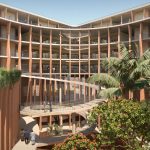
People and Planet will now be at the forefront of every design process and channelling the gifts of nature to power the structure, passively through design and actively with technology will now be the norm. Through carefully tailored design, a cost of living will be minimal, and cities will be dignified homes to many more species along with humans.
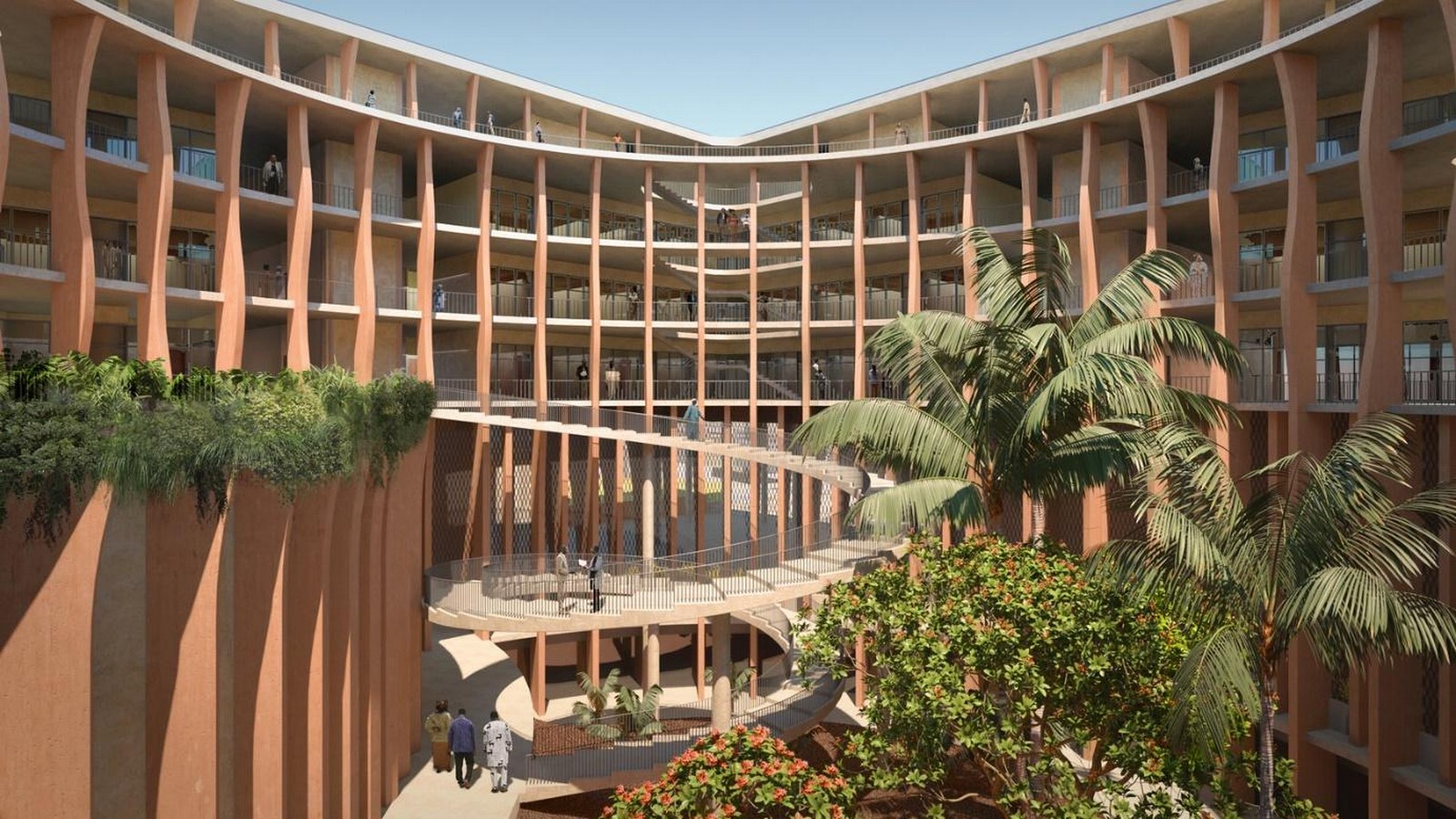
If the course of time pans in this way, by enabling architects to harness the power of our various forms of knowledge and mold our spaces to meet these burning needs, we will be generating an invaluable resource that rewrites the future of not only our discipline, but for all of humanity
Image References
Image 1
Wikipedia. (2021). Gothic cathedrals and churches. [online]
Available at: https://en.wikipedia.org/wiki/Gothic_cathedrals_and_churches#/media/File:Sainte_Chapelle_Interior_Stained_Glass.jpg [Accessed 3 Apr. 2021].
Image 2
Author: Bigman, A. (2012). A brief visual history of the utopian De Stijl movement. [online] 99designs.
Available at: https://99designs.com/blog/design-history-movements/know-your-design-history-the-utopian-de-stijl-movement/.
Image 3
Italian Renaissance Art.com. (2019). The Vitruvian Man. [online]
Available at: https://www.italian-renaissance-art.com/Vitruvian-Man.html.
Image 4
Archdaily.com. (2019). Ecological Architecture | Tag | ArchDaily. [online]
Available at: https://www.archdaily.com/tag/ecological-architecture.