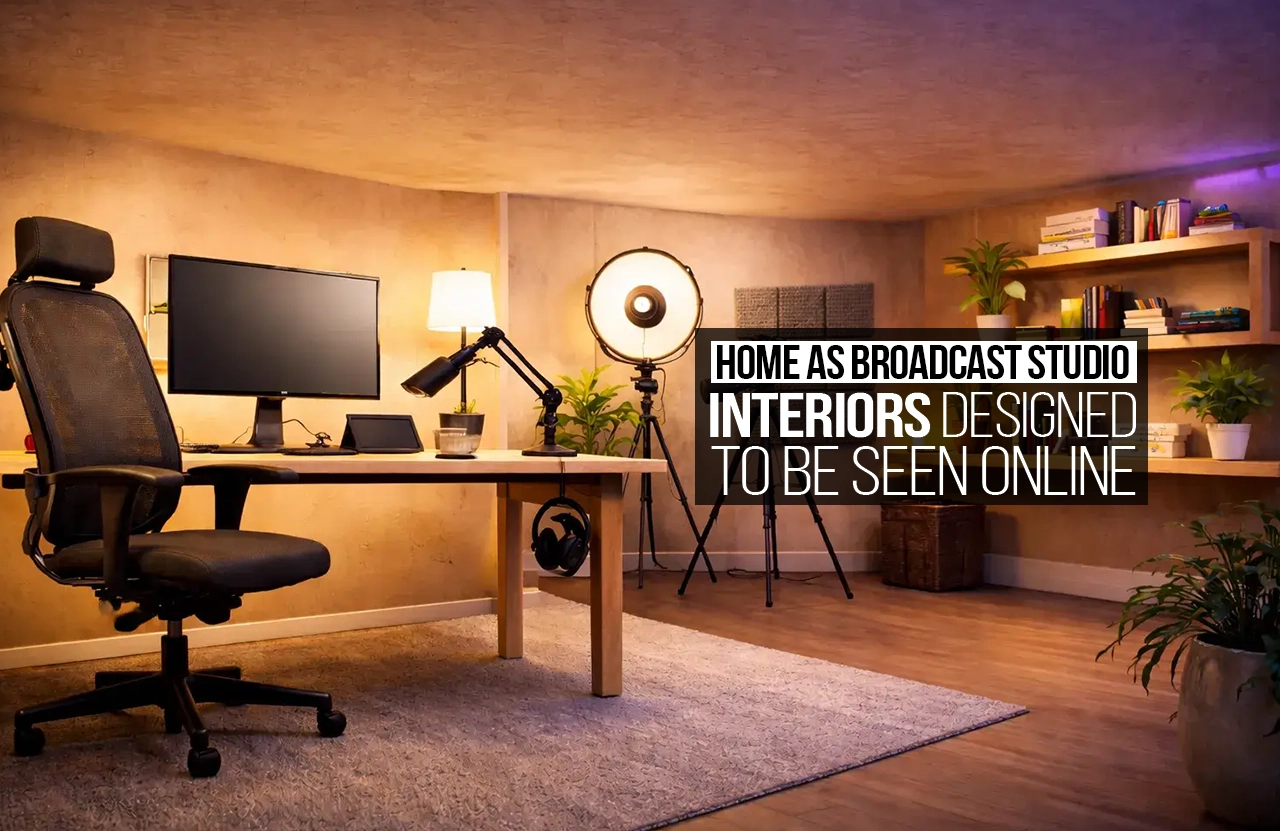
Half an hour before her video call at 9 a.m., Meera is not worrying about her hairstyle. Instead, she is moving the lamp around because the angle is incorrect, the bookshelf behind her is too empty, and the colour of the wall, which looked pleasant in the morning light, now appears grey and dull on her laptop screen. She is not just decorating her house; she is in fact putting the room in a certain state. And since this kind of preparation is carried out by millions of people who work or socialise from home, it has interesting consequences for the way interiors are normally seen—namely, as extensions of the self. Nowadays, the perception of design is transforming for various reasons. What does the room convey to the person viewing it on their screen?
The Room that Performs
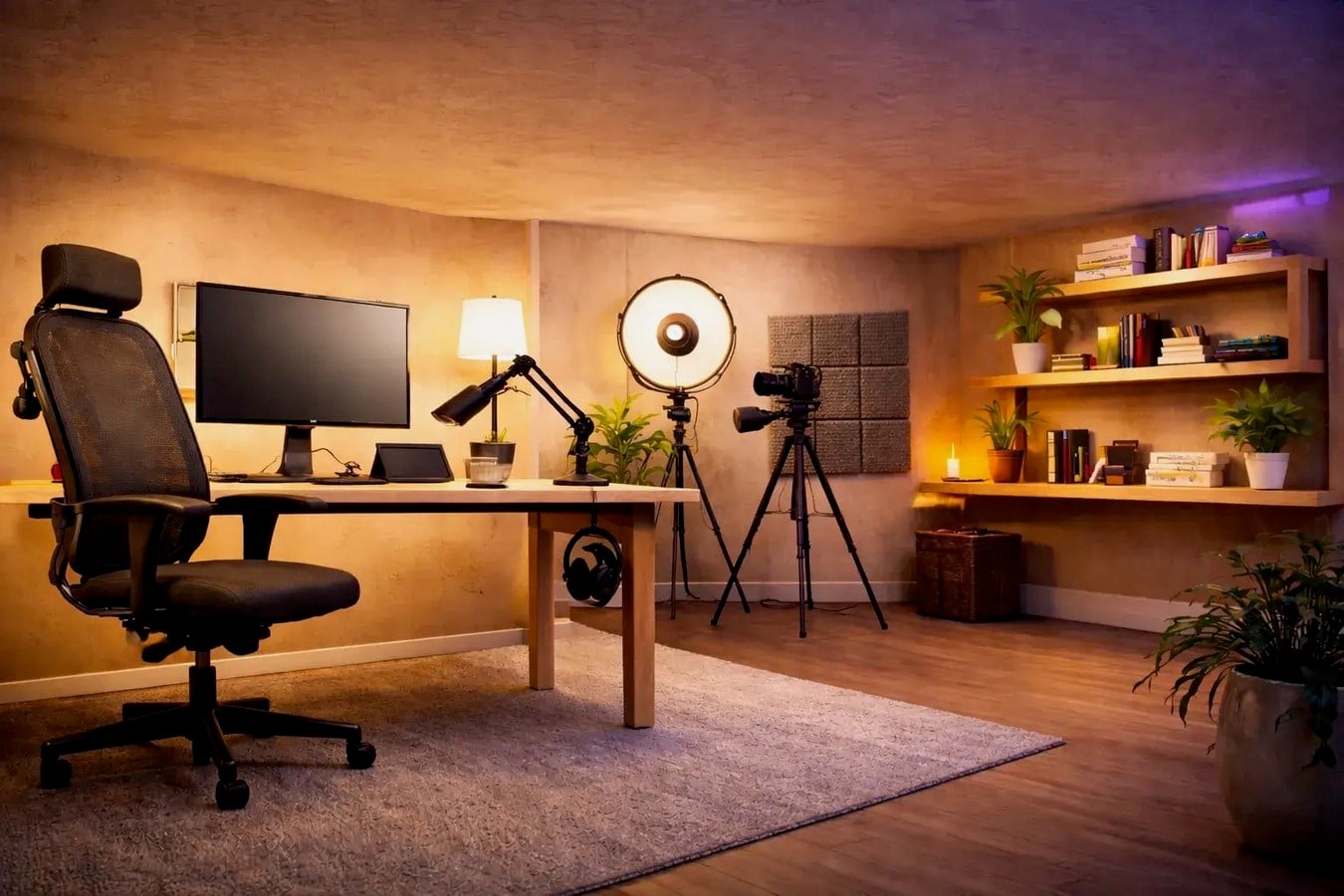
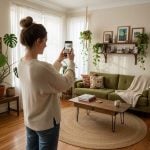
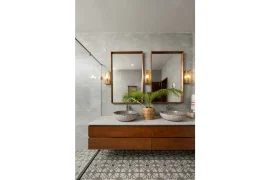
For many years, interior design has been based on the needs and desires of the people who live in the houses. However, since video calls and social media have made us all content providers, designers have noticed that some rooms are in fact being arranged for a second audience. The kitchen island, which always was used for sipping coffee in solitude, is now used as a backdrop for photogenic breakfasts. The reading corner is no longer just for curling up with a novel, since it is also intended for adopting a content-friendly pose.
It isn’t merely a concern of influencers. Currently, we all view things through the lens of the video call. With a carefully selected collection of books, a thoughtfully positioned plant, and warm lamps instead of the harsh light of overhead fluorescent lights. In fact, we are designing our homes so that they serve two roles at the same time, a place where we live and a place where we perform for an audience that is not there.
Designing for the Frame, Not the Room
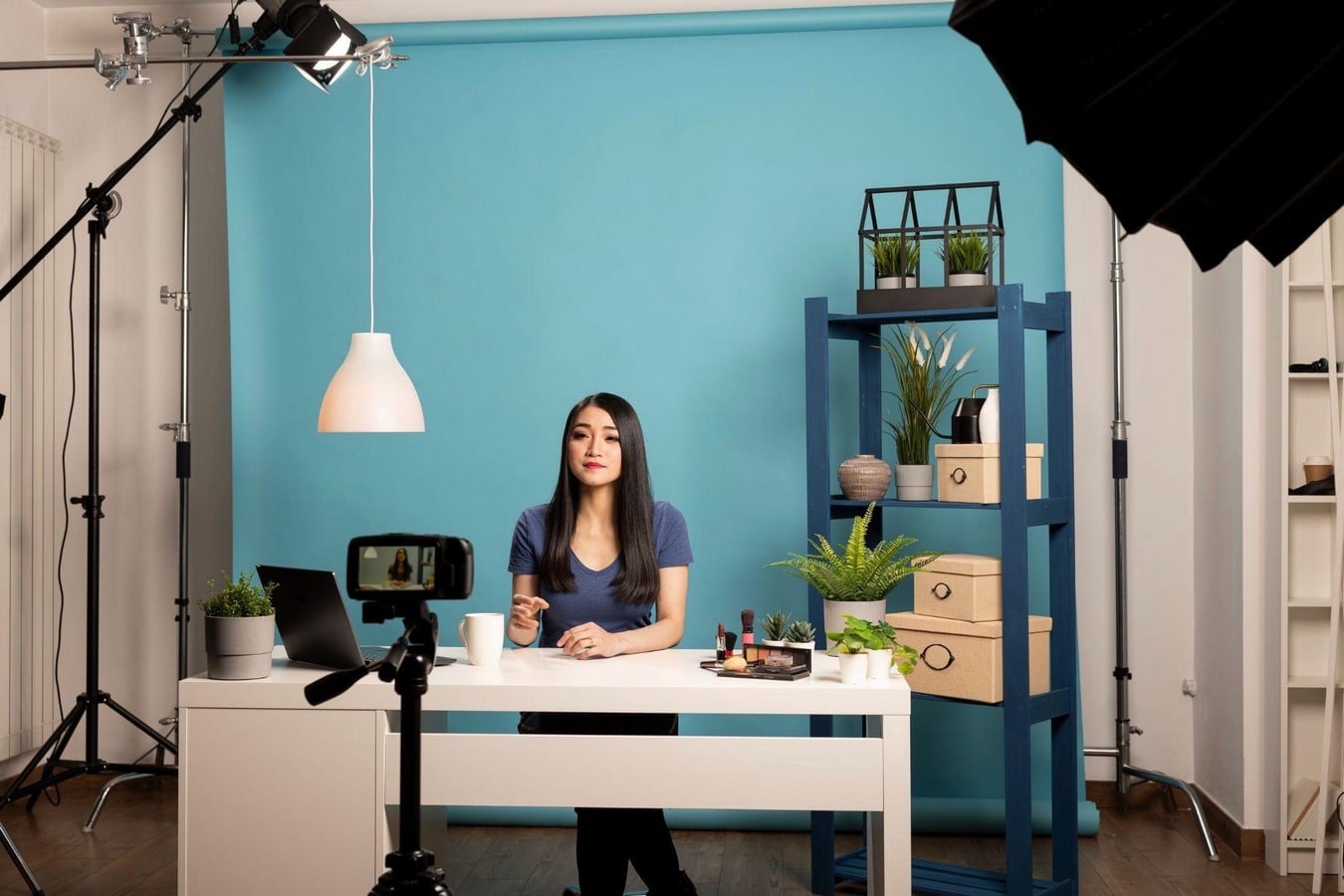
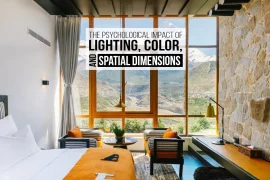
This change is likewise becoming apparent in the professional design sector. Lighting consultants are now receiving more enquiries from clients who want ‘camera-friendly’ lighting, i.e., lighting that is not too harsh on the face. Designers are taking into consideration the traffic flow in a room when deciding what will look good within the narrow field of view of a laptop or phone. Quite a few people have observed that some property advertisements now include a ‘Zoom-friendly study nook’ as a selling point, together with rooms with plenty of light and sufficient storage.
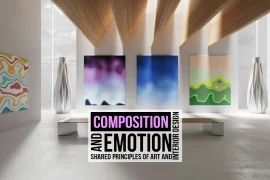
Designers are becoming accustomed to considering a room from two distinct yet overlapping perspectives: how it feels to people in the room and how it appears on screen. Once, the only real test of a room was how it felt to the people who used it; that remains true today, but interior designers now have one more question: how will the room appear when framed within an eight-inch rectangle for someone who will never enter it?
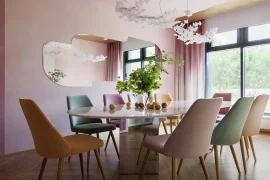
The two viewpoints can be at odds. A dark and moody colour palette looks rich and enveloping in person, but like a bruise on a screen. An empty kitchen counter looks great for social media but is impractical for day-to-day use. Content creators may want their rooms to look like a hotel suite, but that leaves little room for actual living.
Content Creators and the Rise of the Domestic Studio
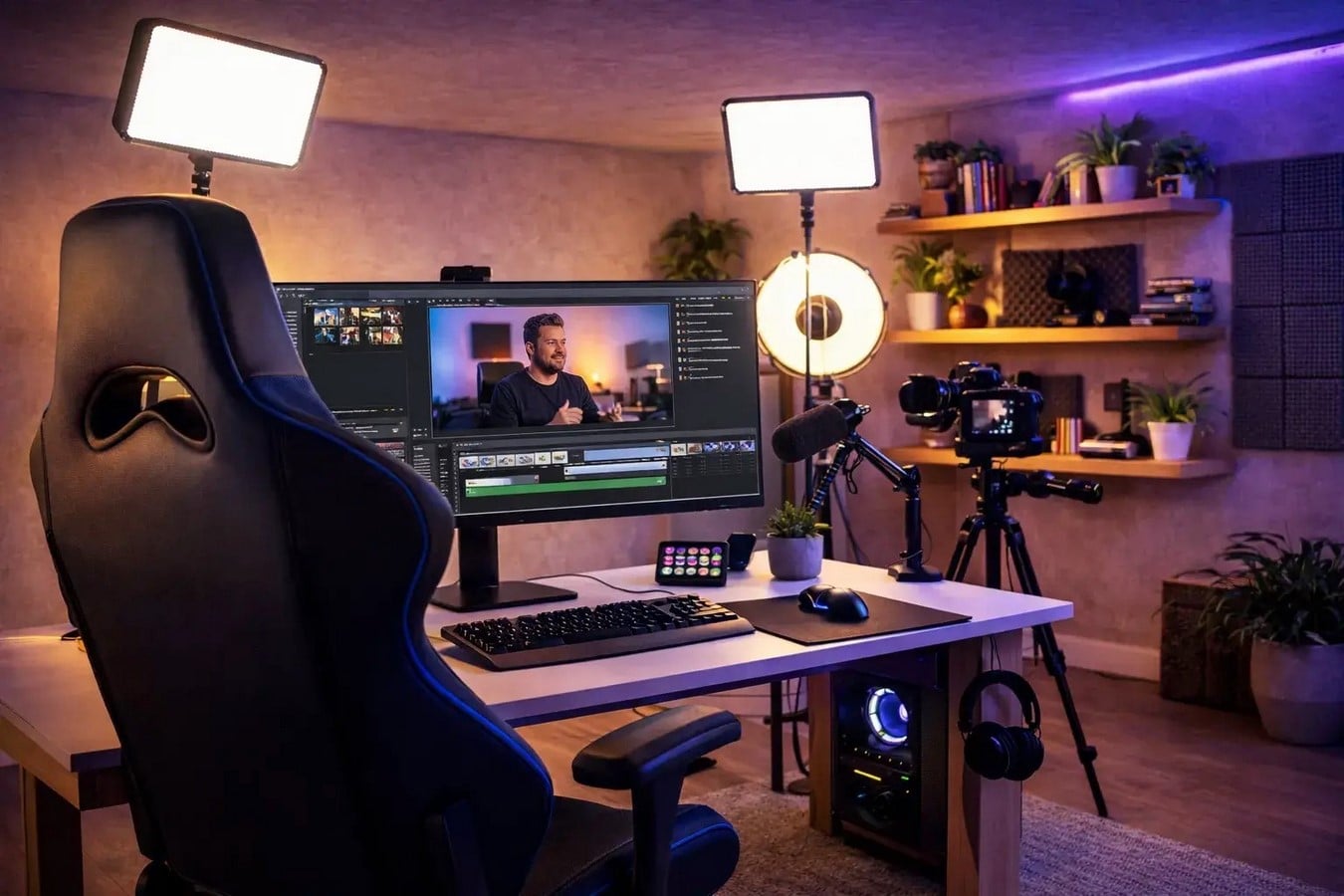
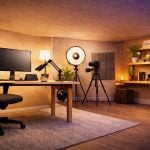
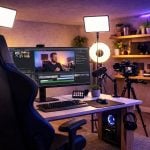
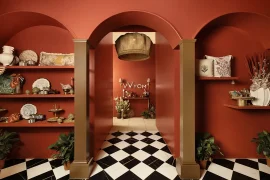
But this shift is most apparent in the homes of content creators. In their living rooms, ring lights blink off and on like another piece of furniture. Backdrops change from post to post, the better to capture that #cosymorningvibes aesthetic. For these creators, interior decoration is inseparable from content creation. The walls are not chosen for warmth or texture but for contrast against their skin tone and the products they promote. The entire room becomes a set, and when “#beautyjunkie” trends, the whole palette is reconsidered.
This leads to interiors that put practical considerations for living at risk in pursuit of a particular kind of beauty as defined by the demands of the camera. It also accelerates the life cycle of interior styles. The living room “look” has a far shorter shelf life now that it is being recorded and shared online.
Who Wins, and Who Loses?
But it is not without consequences. Larger homes tend to capture more natural light and hence photograph better than smaller ones. Homes with few residents have more space per resident, which makes styling easier. Such homes are objectively better presented in the new media environment, which puts pressure on all to make their home just as nice. It favours those who can afford bigger houses and/or have small families, while putting pressure on the others to make their more compact, more intimate homes look less cramped and uncomfortable in pictures.
Another aspect of the home as a spectacle is that it undermines values of privacy. Now, every home is a theatre, which means that its residents are perpetually in performance even when there is no audience. As a result, designers advising clients in these conditions have to think in reverse: instead of recommending materials that reflect light, they have to suggest absorbing surfaces, and so on.
What This Means Going Forward
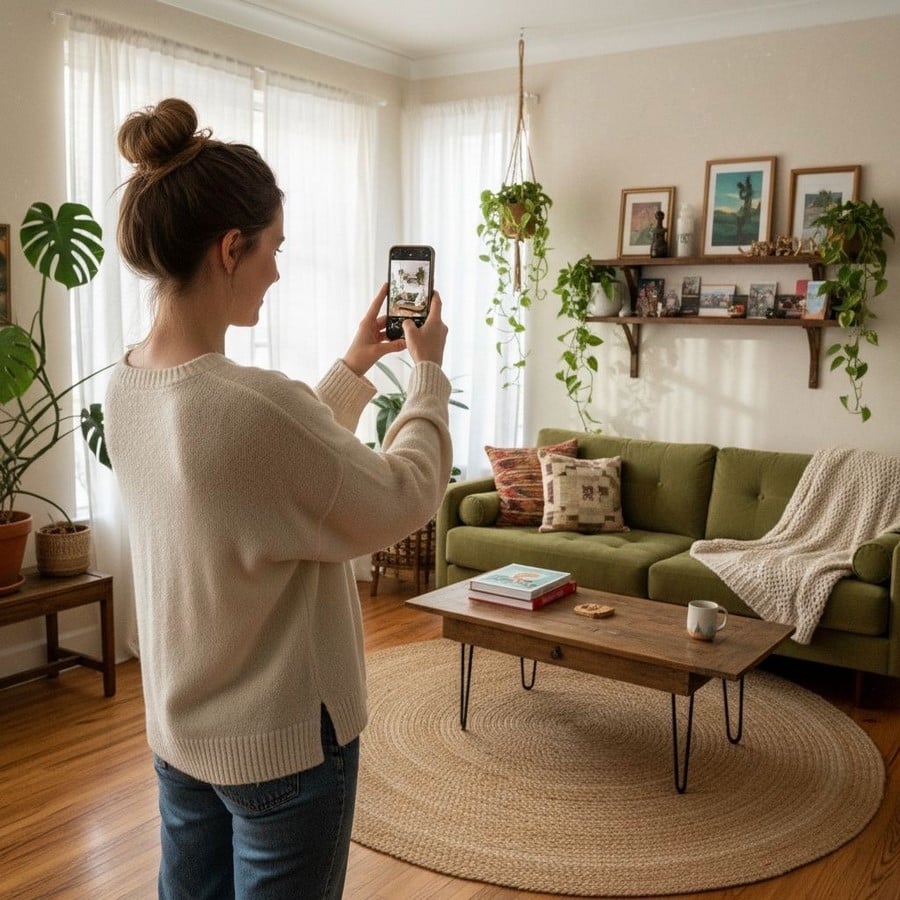
So what does this mean for the interior design industry as a whole? Does it herald the coming of an era of insincerity, in which all things interior are but content vehicles for the next big social media post? It really isn’t, since the best pieces to come out of this turn toward content creation are those that are most attuned to the needs of their (human) occupants. Not only do the smartest designers understand the desire of a creator to make their space look nice on camera, but they also remember lighting that doesn’t wash out a loved one’s face and put up glaring light fixtures, which may look cool in a 7 pm screenshot but is unwelcoming to dinner guests in the same hour.
So that you don’t fall prey to the empty spectacle of a designer trying too hard to make his or her place look nice on a feed, next time you find yourself ogling a nicely composed video call background, try asking yourself not “Is that nice?” but “Is that for me?” The question is valid because a larger chunk of our social lives now than ever before is being spent performing for others, however tiny the audience may be.
References:
Decorilla (2026) Home Office Background Ideas to Always Be “Zoom Ready”. Available at: https://www.decorilla.com/online-decorating/home-office-background-ideas [Accessed: 20 August 2026].
Han, G. (2024) 10 Minimalist Modern Zoom Backgrounds for Virtual Meetings. Design Milk. Available at: https://design-milk.com/10-minimalist-modern-zoom-backdrops-for-virtual-meetings/ [Accessed: 20 August 2026].
Honest Communications (n.d.) From Pinterest to Purchase: How Social Media Shapes Home & Interior Trends. Available at: https://www.honestcommunications.co.uk/from-pinterest-to-purchase-how-social-media-is-driving-home-and-interiors-trends/ [Accessed: 20 August 2026].
Houzz (n.d.) 6 Video Backdrops to Elevate Your Work-From-Home Time. Available at: https://www.houzz.com/magazine/6-video-backdrops-to-elevate-your-work-from-home-time-stsetivw-vs~134072691 [Accessed: 20 August 2026].
Stack Influence (2026) 10 Top Home Decor Influencers on Instagram & TikTok. Available at: https://stackinfluence.com/blog/10-top-home-decor-influencers-instagram-tiktok [Accessed: 20 August 2026].
TopModern (n.d.) 7 Ways to Style Your Home Office for Zoom Meetings. Available at: https://www.topmodern.com/style-studio/7-ways-to-style-your-home-office-for-zoom-meeting [Accessed: 20 August 2026].