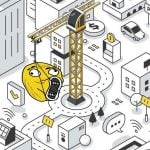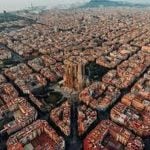
While the traditional urban form was designed based on the expertise of architects, planners, policymakers, and developers, in the era of the Internet, internet culture plays an important role in defining the nature of cities in terms of their appearance and transformation. Today, memes, viral content, social media, internet aesthetics, and other digital elements take part in creating cities’ identities. Meme urbanism refers to the connection between internet culture and urban design and represents an area of study which explores how internet culture contributes to shaping urban aesthetics, public spaces, architecture, and urban branding. This article analyses the origins and the development of meme urbanism, the theoretical framework behind it, its contribution to modern urban aesthetics, and the significance of meme urbanism in today’s world. With the help of specific examples taken from social media culture, placemaking, tourism marketing, and urban planning trends, this article discusses how memes play a role in building the city’s aesthetic identity and how the contemporary city becomes both real and digital.
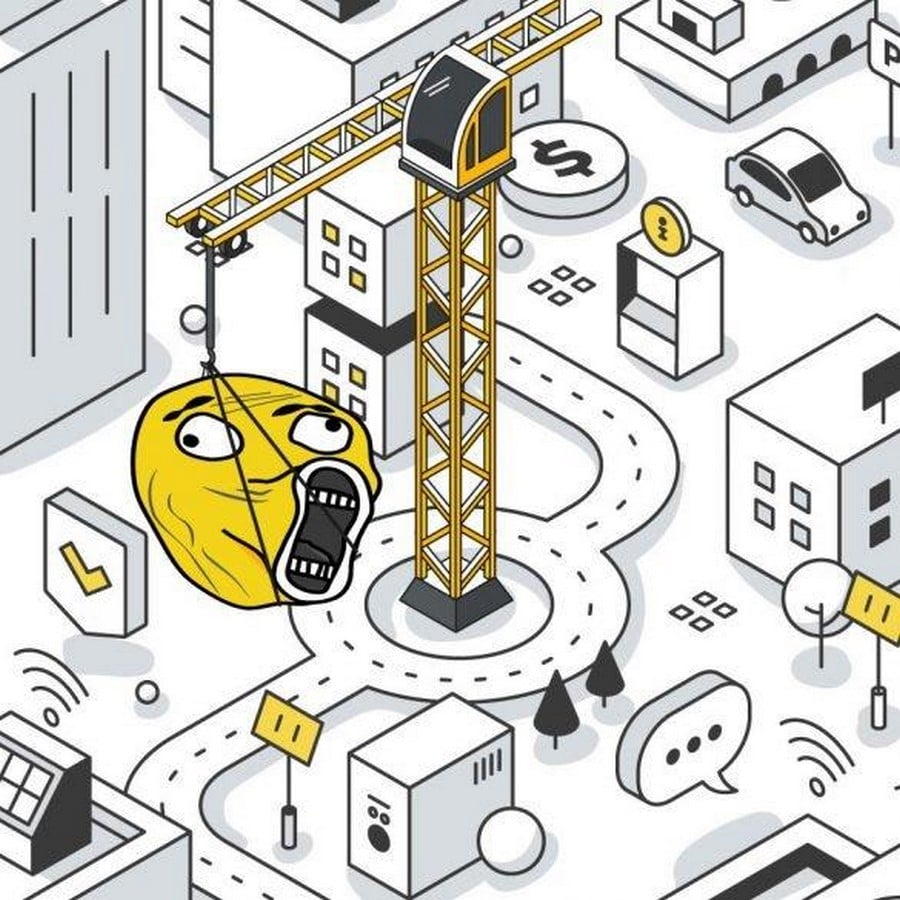
Urban planning has always been affected by cultural movements. Medieval urban design was affected by religion, urban environments in the nineteenth century were impacted by industrialisation, while urban planning at the beginning of the twenty-first century was affected by modernism. Today, digital culture has become a key player in shaping the urban environment of the world. The emergence of various social media websites like Instagram, TikTok, Reddit, X (formerly Twitter), and YouTube allows cities to become the object for photographs, remixing, sharing, and commenting on the Internet.
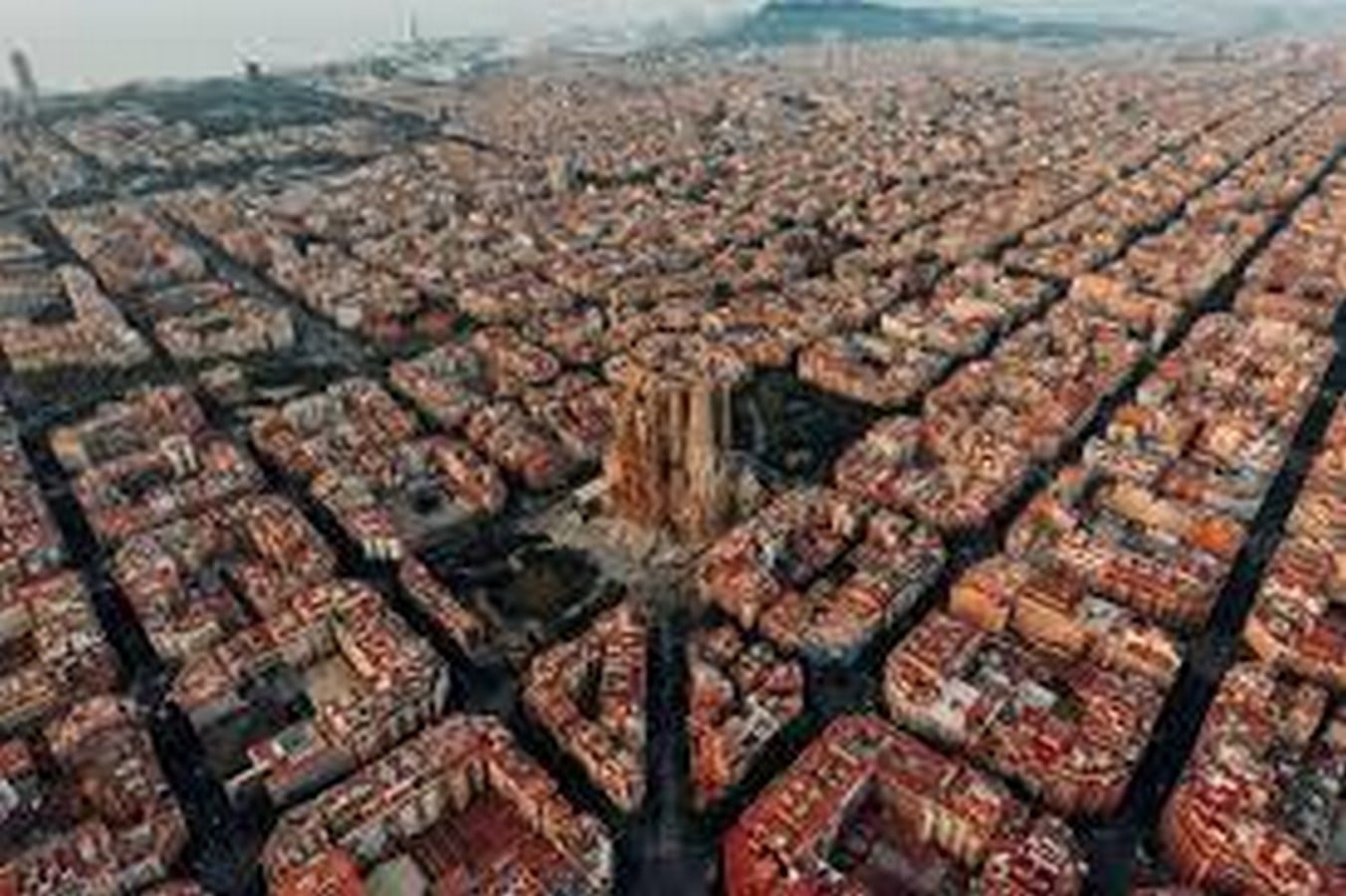
Internet culture and urban form not only interact in terms of documenting the urban environment. Nowadays, digital culture plays a crucial role in defining what elements are considered attractive or desirable in cities. Any colourful staircase, weird street signs, murals, plazas, and buildings might be made famous on the Internet, which would then affect future urban developments as well. As a result, the process of shaping the aesthetic characteristics of the city is not limited to professional fields anymore.
Meme Urbanism refers to this trend whereby internet culture affects the way people perceive and discuss urban life, as well as the development of urban areas. Memes have grown to become a tool for transmitting culture, which affects how people behave and think. Scholars have established that memes can effectively be used in transmitting culture and affect social narratives and public perceptions (Baspehlivan, 2023). With the growing digitalisation of cities, meme culture is helping to shape urban life.
The purpose of this article is to study how internet culture impacts city aesthetics and the potential benefits and pitfalls of meme urbanism.
Understanding Meme Urbanism
Meme, as a term, was coined by Richard Dawkins, an evolutionary biologist, as a unit of cultural propagation. Memes today can be seen as highly shareable pieces of imagery and text, which move through mimicry, adaptation, and collective engagement.
The notion of memes has been recently conceptualised in a new way, as part of a larger memescape, which can be considered an environment of culture in which concepts, images, emotions, and stories travel through various platforms, both offline and online spaces (Baspehlivan, 2023).
However, the memescape is not limited to the digital sphere but spreads into the physical world as well. Meme urbanism becomes an outcome of the collision between digital culture production and the city. Urban areas become subjects for memes because they have visual appeal, symbolic value, humour, novelty, or emotional significance. Images of peculiar architecture, pretty streets, pedestrian-friendly areas, or oddities of an urban environment generate collective cultural symbols that impact society.
Unlike conventional urban design, which employs an expert-led approach, meme urbanism uses an interactive technique. The people involved in this process include citizens, visitors, social media personalities, and communities.
The Evolution of City Aesthetics in the Digital Age
In the past, the aesthetics of cities have been defined based on art and architecture, culture, and even planning philosophy. Classically, cities have been concerned with symmetry and monumentality. Modern cities were concerned with efficiency and rationality. In postmodern cities, diversity and symbolism have been appreciated.
Today, aesthetics have become more and more defined by a city’s digital visibility.
Cities are no longer simply physical spaces; rather, they must be able to take photographs. Today, people are beginning to realise that the visual appeal of spaces can increase their visibility on social media. Social media popularity is becoming much more important than before because it means greater visibility.
Internet-based aesthetics movements have also begun to influence the way cities are perceived. There is Cottagecore, Dark Academia, Vaporwave, Minimalism, Cyberpunk, and many other aesthetic movements in internet spaces.
For instance:
- Historic areas have an affinity for Cottagecore styles.
- Lit-up urban areas fit into Cyberpunk themes.
- Industrial zones attract creative aesthetics.
- Walkable streets contribute to developing urban narratives.
Thus, aesthetic values are as influenced by the digital culture as they are by the principles of urbanism.
Social Media as an Urban Design Influencer
Social media may very well be the leading factor driving meme urbanism.
Such media sites as Instagram and TikTok place value on visually appealing content. Urban landscapes, providing such imagery, enjoy considerable online exposure. Such exposure may impact tourism, investments, public policy, and development in cities.
Modern cities throughout the world tend to generate “Instagrammable” spaces, which include but are not limited to the following components:
- Interactive installations of urban public art
- Vivid street decorations
- Murals and graffiti art walls
- Special viewpoints
- Unique elements of street furniture
- Urban intervention projects
They serve as visual landmarks that should be shared online.
It operates in both directions. Social media not only records urban landscapes but also contributes to their shaping. The governments, tourism organisations, and developers follow the metrics of online engagement and modify their projects accordingly.
According to Månsson & Ek (2020), user-generated imagery plays an increasing role in forming destination images that often clash with official marketing approaches. It implies that internet memes and viral imagery may effectively become instruments of urban identity creation.
The Rise of the Memeable City
Cities have become famous due to memes and not by means of regular marketing campaigns.
These include:
- Memorable architectural objects that went viral.
- Special streets are distinguished by certain visual characteristics.
- Amusing public signs.
- Bizarre monuments.
- Iconic infrastructure projects which became memes.
All these are examples showing how important recognition and memeability have become in modern city aesthetics as opposed to beauty.
A memeable city is characterised by unique visuals.
Indeed, one of the reasons why certain urban phenomena may be considered successful is because of their strangeness and peculiarity. In fact, the internet culture appreciates such qualities in its memes, creating different aesthetics from those in classical urban studies.
Urban memes research provides an insight into how visual patterns can be used to create cultural identity in cities.
Architecture in the Age of Memes
The field of architecture has always been an expression of cultural values. In the era of meme urbanism, architecture is being used more and more as digital content.
Buildings are instantly snapped, mashed up, parodied, and shared across the planet soon after their construction. Often, the fame of a particular architectural project precedes its understanding by architects themselves.
Some trends within contemporary architecture include:
- Iconic Shapes: The buildings are being made with unique shapes, which can help attract notice through the internet.
- Experience Design: Spaces are designed in such a way that creates memorable experiences which can be captured through photographs.
- Visual Identity: The identity of the architecture helps contribute towards city branding.
- Symbolic Simplicity: Visually simple Buildings tend to function well digitally compared to those which have more complicated visuals, which need interpretations.
Studies into architectural memes reveal how culture and architectural identity can be analysed using a network of symbols.
This transformation raises important questions regarding authenticity, design quality, and the relationship between architecture and media.
Urban Tourism and Digital Visibility
Tourism has been deeply impacted by the phenomenon of meme urbanism.
Whereas traditional tourism involved guidebooks, travel agencies, and marketing by governments, contemporary tourism involves social media presence.
Travellers may pick destinations according to:
- Virality photos
- TikTok suggestions
- Instagram reels
- Aesthetic online communities
- Memes
This transformation has led to changes in urban aesthetics.
Cities find themselves competing in the economy of attention, whereby visual distinctiveness is a virtue. Public spaces that can inspire social media engagement receive more funding and promotion.
However, virality also poses problems in that:
- Overtourism
- Crowding
- Commercialization
- Going up property values
- Loss of local culture
Therefore, meme urbanism may lead to positive as well as negative implications for cities.
Walkability, Urbanism, and the Meme Revolution
One of the most interesting things to emerge from meme urbanism is the rise of the use of urban planning ideas in internet culture.
These were ideas that used to exist only in the sphere of professional planning but have since become part of internet discussion through memes, videos, and online debate. These ideas range from:
- Walking cities
- Cycling cities
- Mixed-use communities
- Public transit advocacy
- 15-minute cities
Internet culture has turned these ideas into stories. Discussions on urbanist social media communities indicate that internet platforms have contributed significantly to growing public interest in urban design, especially among younger generations.
This development illustrates how meme culture can support civic engagement and urban literacy.
Public Spaces as Memetic Landscapes
Public spaces are more often than not serving as the venues for digital interactions.
Squares, parks, plazas, waterfronts, and streets have become both physical spaces and media spaces.
The research into object-memes of architecture suggests that elements with which people can emotionally identify and resonate may serve as catalysts in activating the potential of public spaces by producing affective engagement and symbolic identification.
Some examples include:
- Interactive artworks
- Landmark sculptures
- Digital art installations
- Event architecture
- Photogenic furniture
Such elements are able to contribute to the aesthetics of cities through their memorability and circulation in digital media channels.
The potential of the public space is now dependent not only on the physical usage but also on its ability to create digital visibility.
The Risks of Meme Urbanism
However, despite the benefits, there are various issues with meme urbanism.
- Spectacle-oriented Design: Cities can be designed based on their visual appearance rather than their functionality.
- Homogenization: Ironically, attempts at creating a distinctive image may end up with cities around the world looking alike.
- Attention-Oriented Design: Design decisions may be made based on what is popular online rather than the needs of residents.
- Trends: Internet trends are ephemeral, resulting in urban design that goes out of date quickly.
- Commodification of Urban Spaces: Cities may become a product aimed only at consumption.
These examples demonstrate the need for critical approaches to the aesthetics of the city.
Digital Cities and Hybrid Urban Identities
The modern city now exists in both physical and digital realities.
According to urban experts, digital infrastructure has merged with urban experience to an extent where it is not possible to separate one from the other. The city has ceased to be mere spaces; it has become an information network.
City aesthetics have been redefined by such a hybrid reality.
It happens because people interact with urban places virtually even before they visit the site physically.
City aesthetics are therefore determined by:
- Online stories
- Digital photography
- Visibility algorithms
- User-generated content
- Social media trends
Implications for Urban Designers and Architects
The evolution of meme urbanism comes with new challenges for designers.
Urban experts should understand that city aesthetics function in the physical as well as the digital space.
Urban design in the future should:
- Promote Authenticity: Urban design should be based on local culture rather than the current Internet trend.
- Enable Participation: Citizens should help create stories about the city.
- Pursue Inclusivity: City aesthetics should cater to diverse populations instead of the selective Internet community.
- Promote Sustainability: Memed spaces should also be sustainable.
- Strive for Visibility and Performance: Photogenic design should go along with functional design.
Through understanding meme urbanism, designers can work effectively with digital culture.
The link between internet culture and the urban environment is one of the major cultural shifts associated with modern urbanism. Memes, social networks, digital aesthetics, and other forms of participation within internet culture have begun to affect the ways cities are seen, experienced, and planned.
Meme urbanism proves that city aesthetics can no longer be constructed only by architects, planners, and municipalities. Digital communities and urban environments work together to produce an image, which has been influenced by viral photos, online stories, and internet trends.
Although meme urbanism provides many new possibilities for community engagement, expression of local culture, and urban branding, some negative aspects are also worth mentioning. These include shallowness, homogenization, and commoditization. The future of city aesthetics will thus have to find a balance between digital presence and authenticity.
As cities develop further within the rapidly evolving digital ecosystem, it is imperative that one comprehends the concept of meme urbanism. The future city will not only be made of concrete, stone, and steel, but it will also be crafted through imagery, stories, hashtags, and memes. The aesthetic sense of the urban environment will thus be derived from an ongoing interaction between the physical environment and the digital culture.
References:
Baspehlivan, U. (2023). Theorising the memescape: The spatial politics of internet memes. Review of International Studies, 50(1), 1-23.
Cai, J., Dong, J., & Zhou, Y. (2024). The modern architecture culture of Harbin is based on memes. Heritage Science, 12(412), 1-22.
Chateau, L. (2024). Anxious aesthetics: Memes and alienation in digital capitalism (Doctoral dissertation, Tilburg University).
D’Acci, L. (2014). Urban DNA for cities’ evolution: Cities as a physical expression of dynamic equilibria between competitive and cooperative forces. arXiv Preprint arXiv:1408.2874.
Holovatiuk, A., & Leshchenko, N. (2022). Objects-memes in the architectural organisation of attractive urban public spaces. Landscape Architecture and Art, 20, 76-86.
Kryssanov, V. V., Okabe, M., Kakusho, K., & Minoh, M. (2006). Communication of social agents and the digital city: A semiotic perspective. arXiv Preprint cs/0605121.
Månsson, M., & Ek, R. (2020). One does not simply project a destination image within a participatory culture. Journal of Destination Marketing & Management, 18, 100494.
Zhang, M., Gu, X., Xiao, J., Zou, P., Shi, Z., He, S., Li, H., & Li, S. (2022). Urban visual memes analysis based on dictionary learning: A case study of urban imagery. Symmetry, 14(1), 175.
Dawkins, R. (1976). The selfish gene. Oxford University Press.
Lynch, K. (1960). The image of the city. MIT Press.
Jacobs, J. (1961). The death and life of great American cities. Random House.
Gehl, J. (2010). Cities for people. Island Press
Useradmin. (2023, December 1). Internet Memes Are Bringing New Urbanism to the Masses – Tomorrow. City – The biggest platform for urban planning. Tomorrow.City – The biggest platform for urban innovation. https://www.tomorrow.city/internet-memes-are-bringing-new-urbanism-to-the-masses/
Olga, G., & Olga, G. (2025, November 17). Memes and Aesthetics: The evolution of digital art in popular culture. Olga Guarch. https://www.guarcholga.es/memes-and-aesthetics-the-evolution-of-digital-art-in-popular-culture/
Biswas, S. (2023, August 19). Symbolism and geometry in urban planning: The relationship between city design and cultural symbolism. RTF | Rethinking the Future. https://www.re-thinkingthefuture.com/architectural-community/a10828-symbolism-and-geometry-in-urban-planning-the-relationship-between-city-design-and-cultural-symbolism/