A Shift in Everyday Social Life
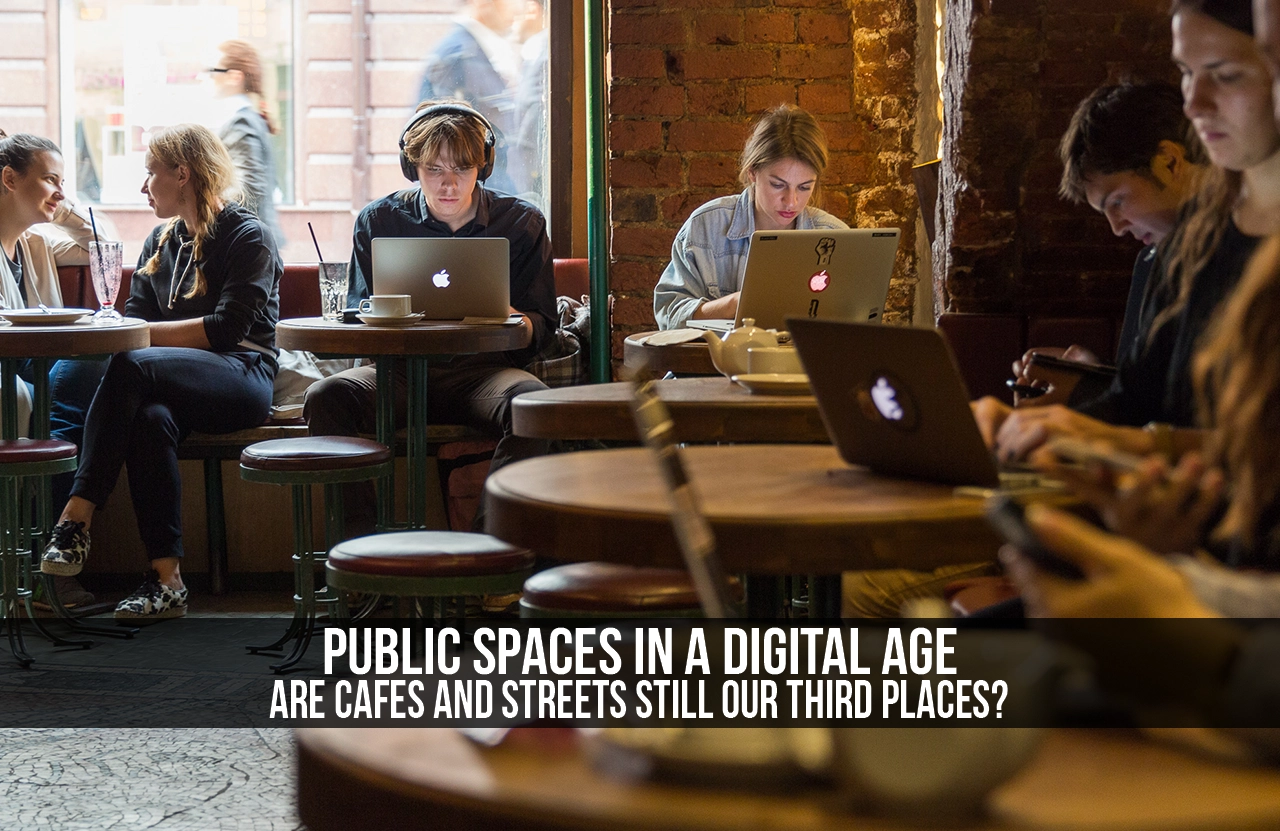
A café once echoed with conversations, laughter, and the gentle clinking of cups. Today, the same space often carries a quieter rhythm—one shaped by the tapping of keyboards and the soft glow of screens. People still gather here, occupying the same tables and sharing the same physical environment, yet their attention is frequently divided between the world around them and the digital spaces within their devices. It is not uncommon to see a group of friends sitting together, each absorbed in their own virtual world.
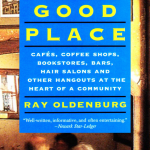
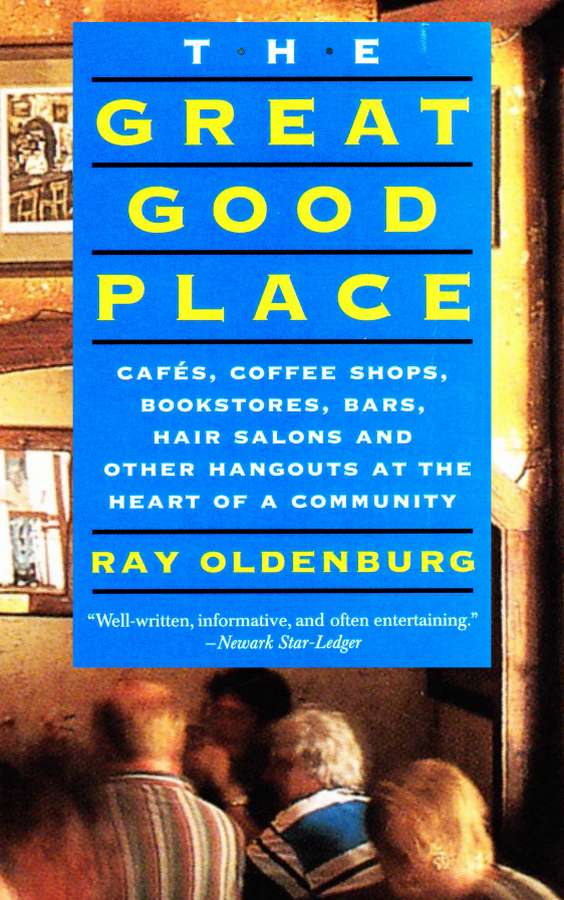
This subtle yet noticeable transformation raises an important question about the nature of public life in the digital age. As smartphones, social media, and remote connectivity increasingly shape how we interact, the role of traditional public spaces—cafés, streets, and parks- begins to shift. Are these places still functioning as meaningful social environments, or have they become merely shared settings for individual digital experiences? More importantly, do they continue to serve as what sociologist Ray Oldenburg once described as “third places”, informal gathering spaces that foster community, conversation, and a sense of belonging?

Understanding Third Places: Beyond Home and Work
The concept of “third places” was introduced by Ray Oldenburg to describe informal public settings that exist beyond the private sphere of home (the first place) and the structured environment of work (the second place). These are spaces where people gather voluntarily, creating opportunities for community, belonging, and everyday social interaction.
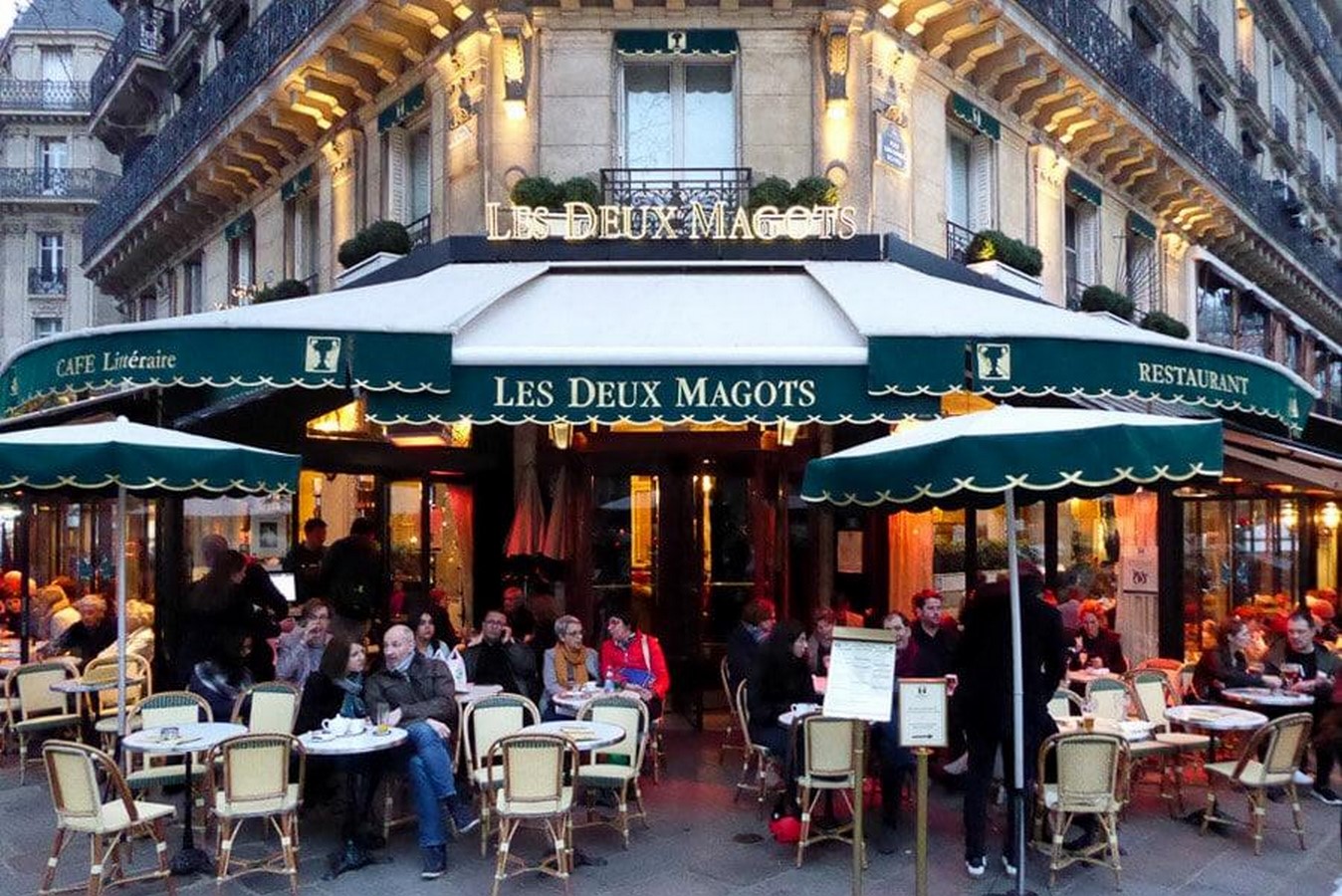
Traditionally, third places included cafés, neighbourhood streets, public squares, and parks. What defined them was their accessibility, neutrality, and their ability to encourage spontaneous conversations. Within these environments, social hierarchies often softened, allowing people from different backgrounds to interact more freely and comfortably.
For instance, a small tea stall or a roadside café in an Indian neighbourhood frequently becomes a daily meeting point where conversations move effortlessly from politics to personal stories. Similarly, streets during festivals transform into lively communal spaces filled with interaction, movement, and shared experiences. These environments function not only as physical settings but also as social infrastructures that quietly nurture human connection.
The Digital Age: Redefining Human Interaction
The emergence of the digital age has significantly reshaped the way people communicate and engage with one another. Smartphones, social media platforms, and digital workspaces have enabled individuals to remain constantly connected, even when they are not physically present in the same location.
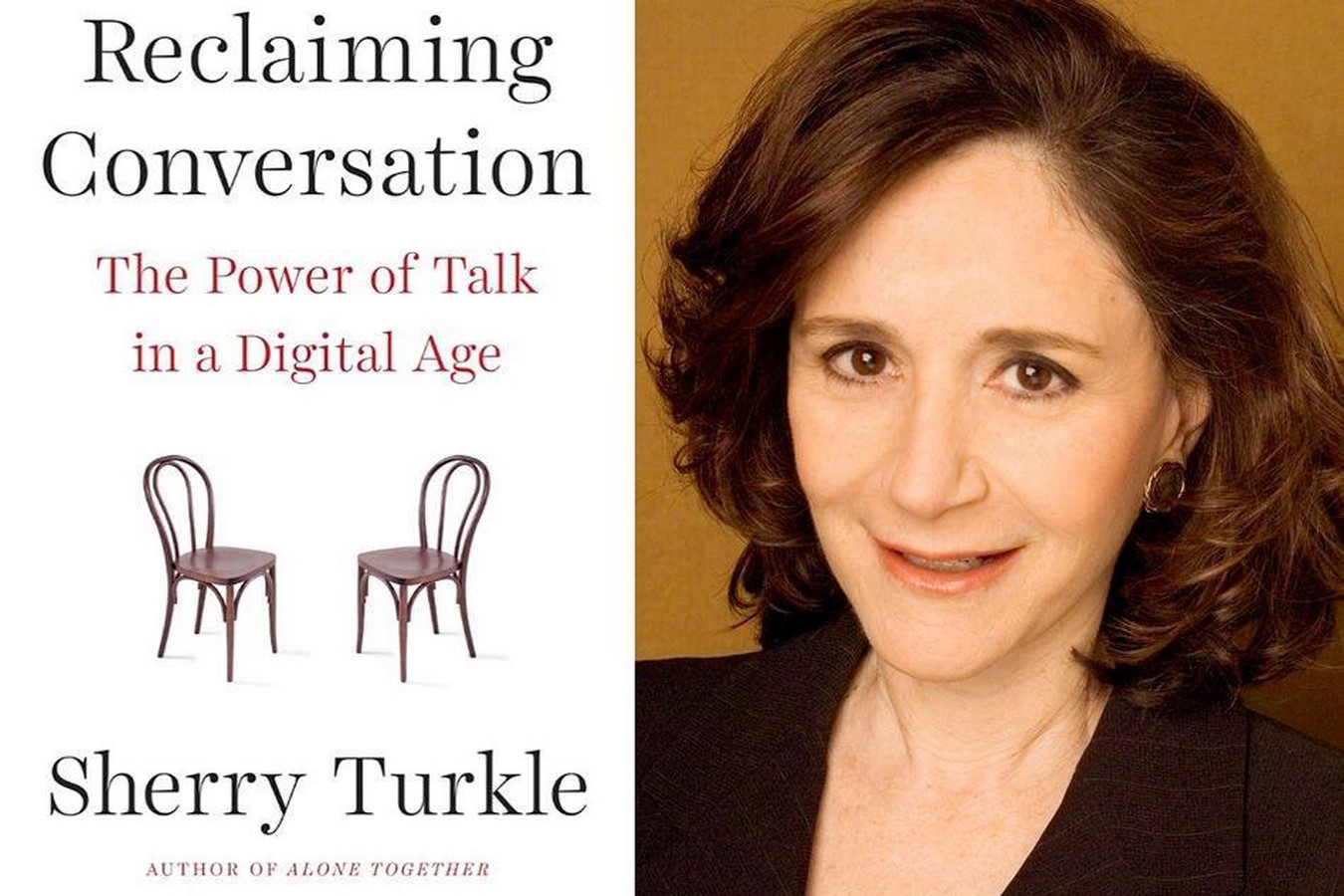
This has created a paradoxical condition—people are more connected than ever before, yet often feel socially distant within physical environments. The phenomenon of “alone together,” a term discussed by Sherry Turkle, has become increasingly visible in public spaces. Individuals may occupy the same setting, sitting side by side, yet their attention is largely directed toward their devices rather than toward the people around them.
For example, in many urban cafés today, it is common to see individuals working on laptops for extended hours, attending virtual meetings, or scrolling through social media feeds. The purpose of visiting these spaces has gradually expanded, from simply meeting others to accommodating productivity, personal reflection, or digital engagement.
However, interpreting this shift as the decline of public life would be an oversimplification. Instead, it suggests a transformation in the way public spaces are used, perceived, and experienced in the digital era.
Transformation of Cafes: From Social Hubs to Hybrid Spaces
Cafés have undergone one of the most visible transformations in the digital age. Once primarily associated with conversation and leisure, they now function as hybrid environments that accommodate a range of activities, from social interaction to individual work.
Example: The Rise of the Laptop Café
In cities such as Mumbai, Delhi, and Bangalore, many cafés are increasingly designed to cater to freelancers, students, and remote workers. Features such as reliable Wi-Fi connectivity, accessible charging points, comfortable seating, and carefully designed ambient lighting have become essential components of café interiors. These elements encourage longer stays and support individual productivity.
Spatial Implications
Architecturally, this shift has influenced the way cafés are planned and organised:
- Seating layouts often combine communal tables with smaller, semi-private corners
• Lighting strategies balance warmth and comfort with functional visibility
• Noise levels are moderated to maintain an environment suitable for both work and casual interaction
Changing Nature of Interaction
Although traditional face-to-face conversations may occur less frequently, cafés still enable a form of shared social presence. People may not actively engage with strangers, yet they occupy the same environment. This quiet coexistence can feel reassuring, offering a subtle sense of belonging without the expectation of constant interaction.
Streets as Evolving Public Realms
Streets, too, have transformed in response to shifting social and cultural dynamics. Historically, streets functioned as vibrant public environments where people gathered to interact, trade, and celebrate everyday life. In many ways, they represented the most democratic form of third places—open, accessible, and constantly active.
Example: Event-Based Streets
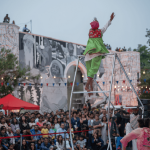
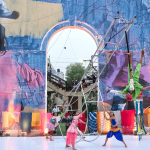
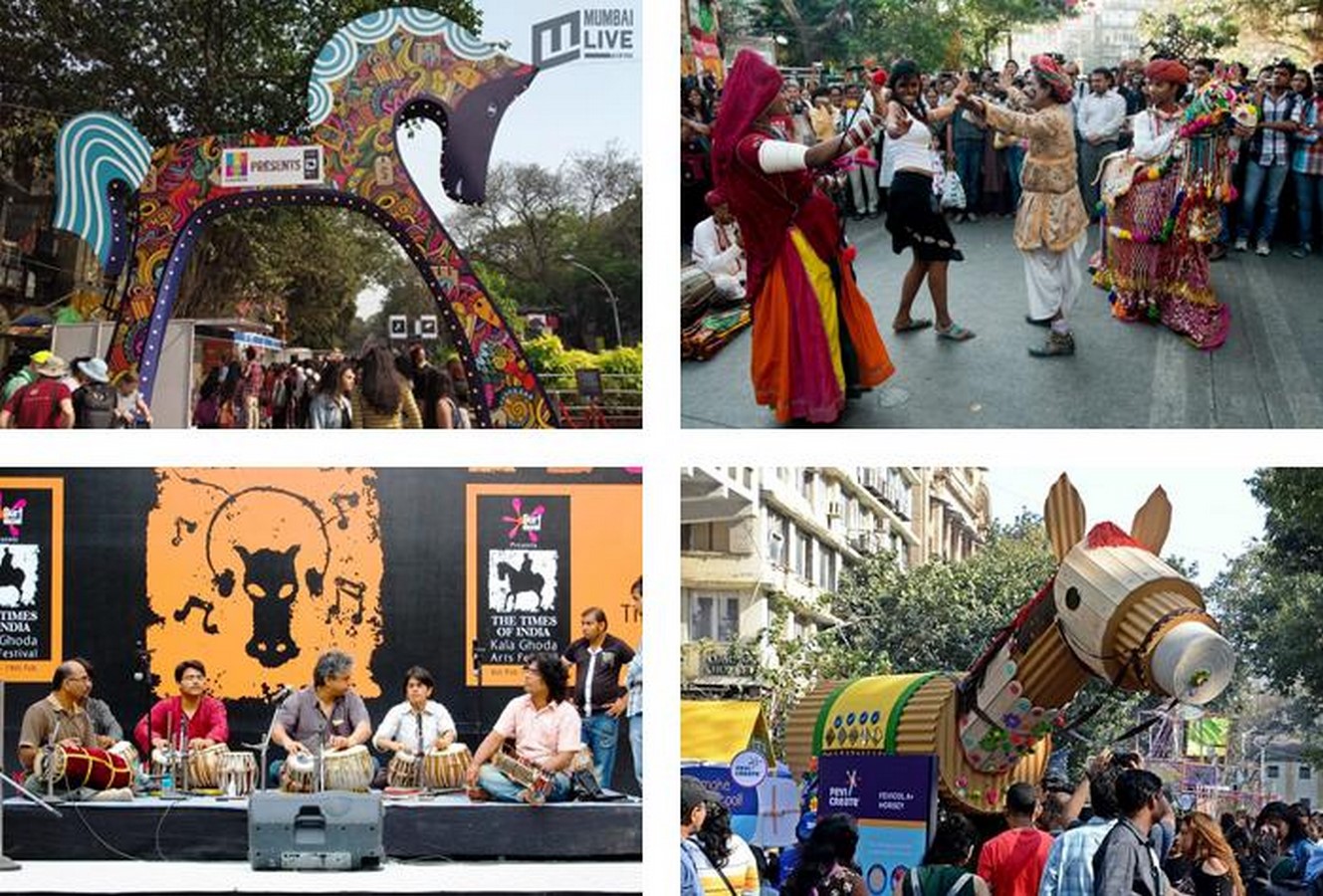
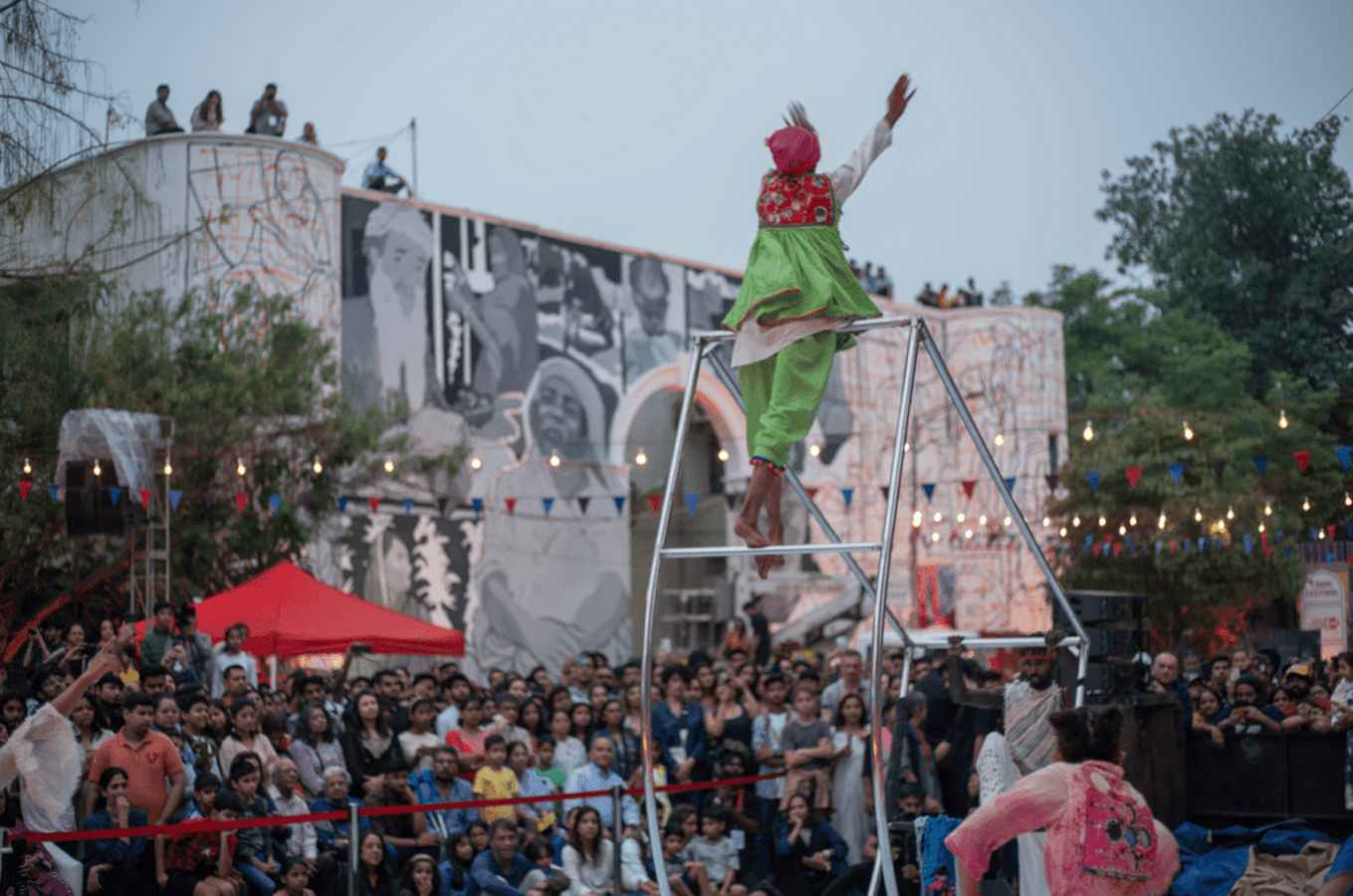
Today, streets are often activated through organised events such as street markets, food festivals, and cultural performances. Neighbourhoods like Bandra, Mumbai or areas such as Connaught Place, Delhi frequently host such activities, temporarily transforming ordinary streets into lively social environments and curated public experiences.
Digital Influence on Streets
The digital age has also shaped how streets are designed, perceived, and used:
- Streets are increasingly designed to appear “Instagrammable”
• Public art, murals, and urban installations attract digital documentation
• Social media amplifies the visibility of certain locations, turning them into popular gathering spots
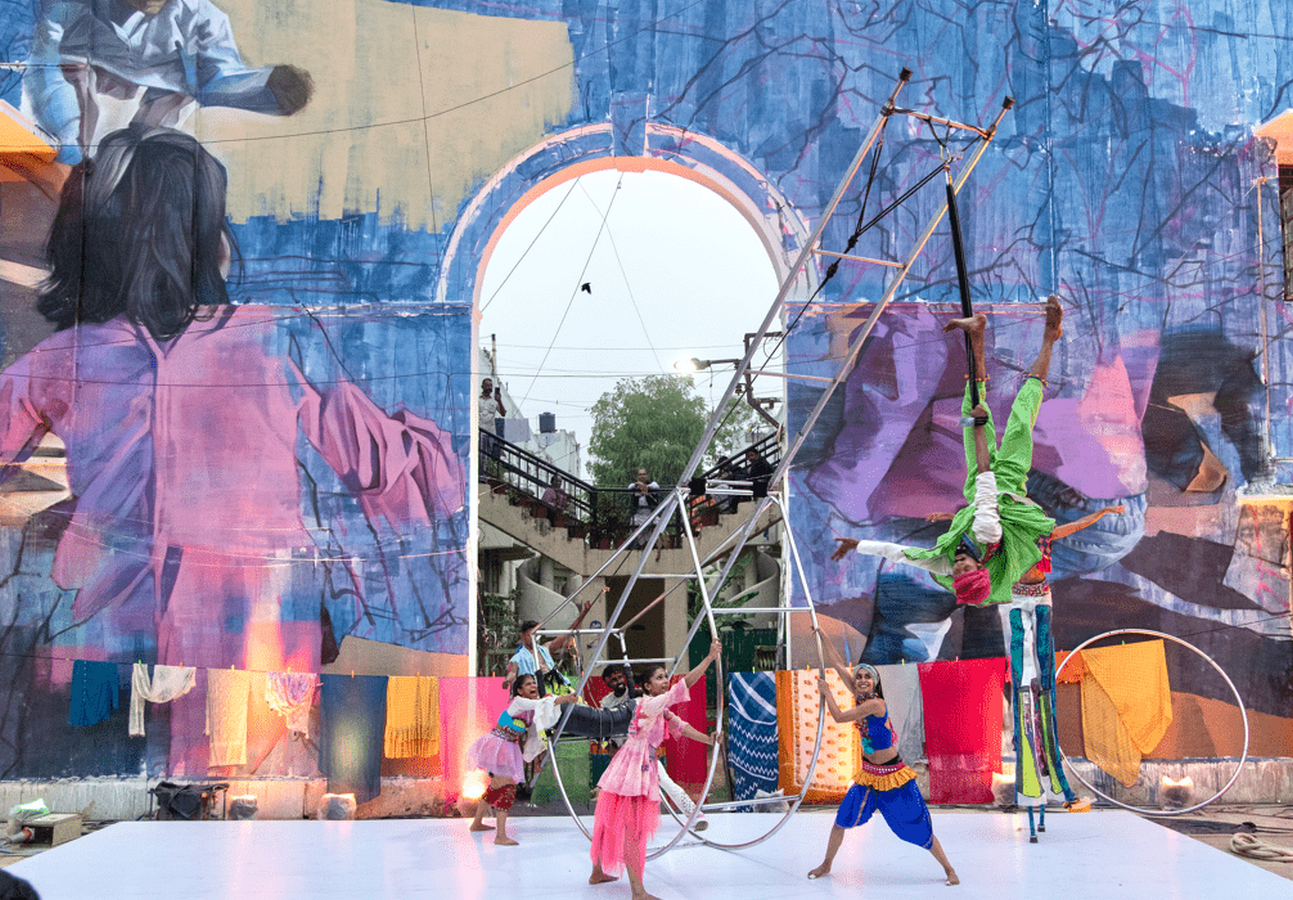
Shift in Engagement
While streets continue to attract large numbers of people, the nature of engagement has gradually shifted. Instead of purely spontaneous encounters, experiences are often intentionally planned, photographed, and shared online. As a result, the physical experience of the street becomes closely intertwined with its digital representation.
The Role of Architecture: Designing for a Hybrid Reality
As public spaces continue to evolve, architecture plays a crucial role in shaping the way they are experienced. Designers today must respond to a hybrid reality where physical presence and digital interaction coexist within the same environments.
Designing for Flexibility
Contemporary public spaces are increasingly designed to accommodate a wide range of activities:
- Spaces that support both social gatherings and individual work
• Flexible layouts that can adapt to different uses throughout the day
• Integration between indoor and outdoor environments
Technology as Infrastructure
Digital connectivity is no longer simply an added feature but an essential layer of infrastructure. Reliable Wi-Fi access, charging stations, and even smart urban elements are gradually becoming integral components of public space design.
Balancing Interaction and Privacy
One of the key design challenges is creating environments that encourage interaction while also respecting the need for personal space. Semi-private seating arrangements, varied spatial zones, and carefully planned circulation patterns can help achieve this balance.
From an architectural perspective, the aim is not to eliminate digital behaviour but to integrate it in a way that enhances the overall spatial experience rather than diminishing it.
Are Third Places Losing Their Social Value?
The question remains: if interactions are increasingly mediated through screens, do third places still fulfil their original purpose?
The answer lies in recognising that social value is not static—it evolves with time. While traditional forms of face-to-face interaction may have reduced in some contexts, new forms of engagement have gradually emerged within these spaces.
New Forms of Connection
- Virtual meetings conducted within physical environments
• Shared experiences documented and circulated through social media
• Silent companionship among individuals occupying the same space
The Importance of Co-Presence
Even in the absence of direct conversation, the presence of others can contribute to a sense of community. Simply being in a public environment, surrounded by people, often provides emotional comfort and helps reduce feelings of isolation.
Example: Studying in a Café
A student studying alone in a café may not interact directly with others, yet the surrounding environment offers a sense of motivation and subtle connection that can be difficult to replicate in complete isolation.
Conclusion: Redefining Third Places in the Digital Age
Cafés and streets have not ceased to function as third places; rather, they have gradually adapted to the realities of the digital age. Their role has expanded from facilitating primarily face-to-face interaction to accommodating a broader range of experiences, including digital engagement and moments of solitary presence.
These spaces now exist at the intersection of physical and virtual life, reflecting the complexities of contemporary urban living. While the nature of social interaction has evolved, the fundamental human need for shared environments remains unchanged.
The challenge for architects and urban designers lies in recognising this transformation and designing spaces that support both connection and individuality. Instead of resisting the influence of technology, the focus should be on creating environments where digital and physical experiences can coexist in meaningful ways.
In the end, third places are not defined solely by conversation, but by the possibility of connection—whether spoken, silent, or mediated through a screen, a concept first articulated by Ray Oldenburg.
References:
https://www.pps.org/article/roldenburg