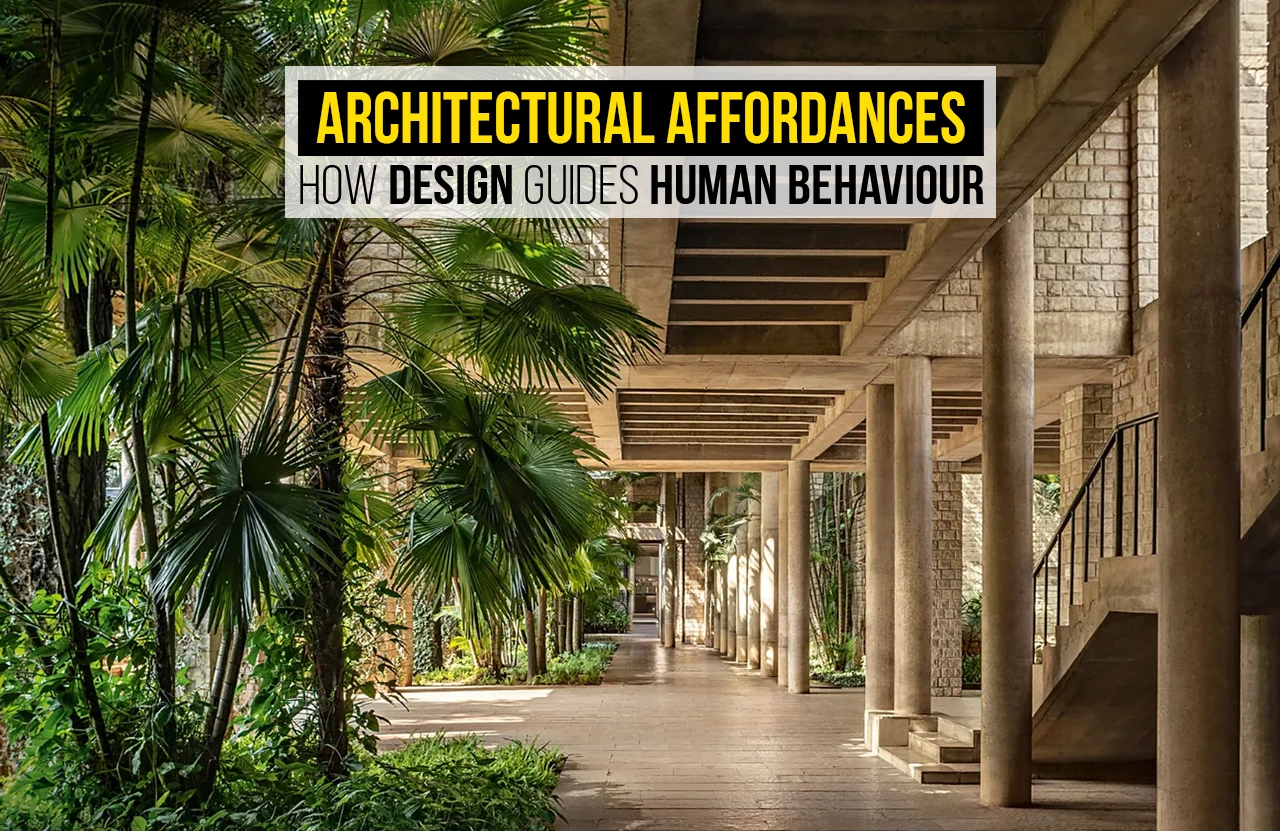
Words and images from books, letters, and movies have the ability to evoke emotions and feelings in us; this is the main reason for the continued presence of these art forms. It is quite common for one to feel pleasant while reading a novel, or for one to feel gloomy after watching a movie, evidence of the power that words and visuals hold in the human mind. In a similar way, the space we enter, live, study, and play in has the ability to influence our thoughts, actions, and emotions.
How does architecture guide human behaviour?
Architecture not only guides one through a structure or space, but it also conversely dictates one’s temperament. It is common knowledge that doors serve as entrance and exit points, and stairs lead to a different level, but the different widths of these elements reveal another attribute. For example, wider doors automatically signal that it is the main entrance, and a wider staircase makes it apparent that the circulation element leads to a significant space, which is important to the building. In a retail store or commercial complex, the design is maintained to allow customers to spend more time and pass by all products for maximum accessibility, increasing the likelihood of purchase. Institutes, universities, and schools predominantly include spaces with high ceilings to invite crowds and narrow corridors to deter loitering. Every element has a behavioural consequence for its users – detention centres generally consist of small rooms to create discomfort, allow for easier surveillance, and establish control over the detainees. This effectively results in diminished psychological resistance and an urge to change to benefit their time in the centre.
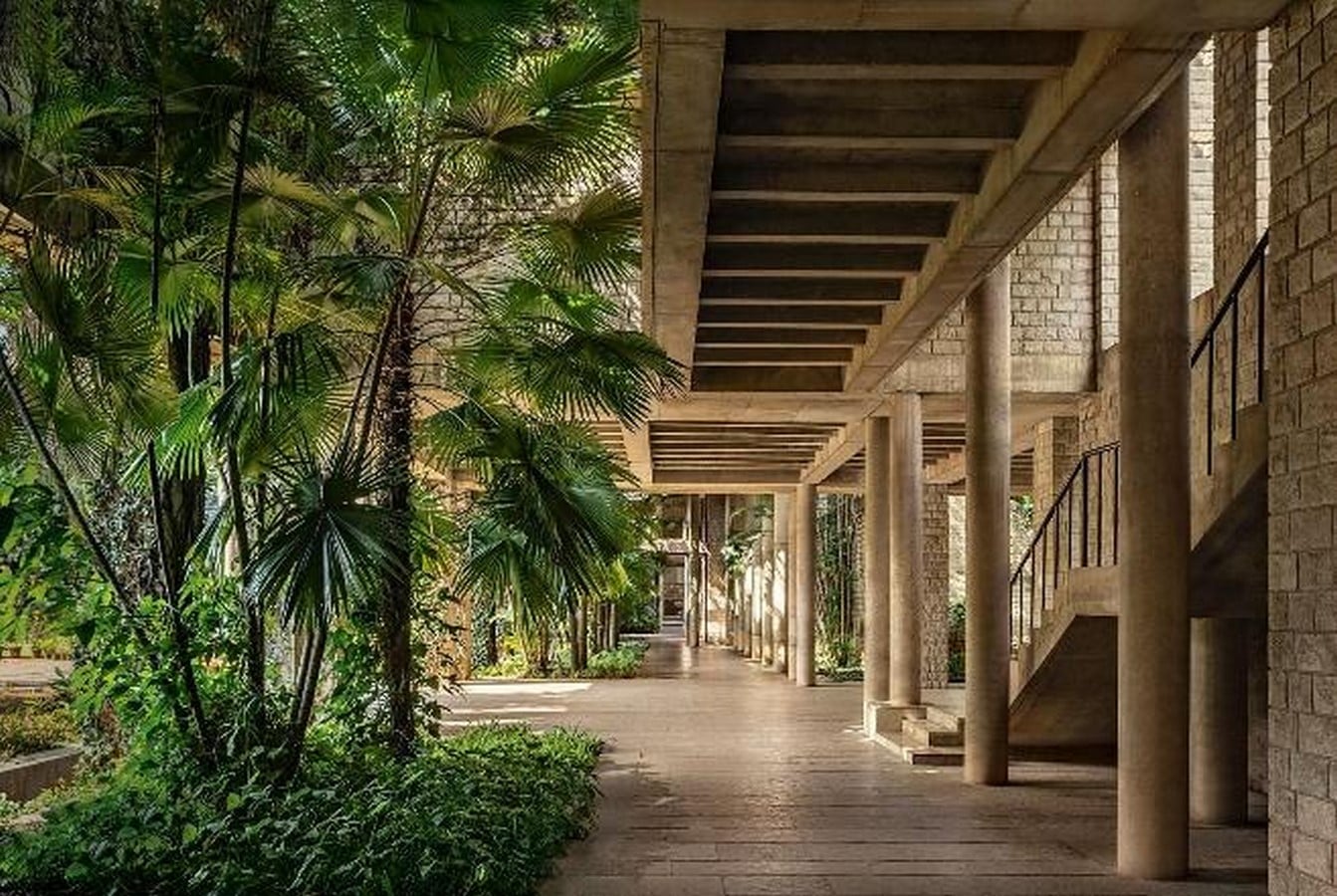
Architectural Elements in Public Spaces
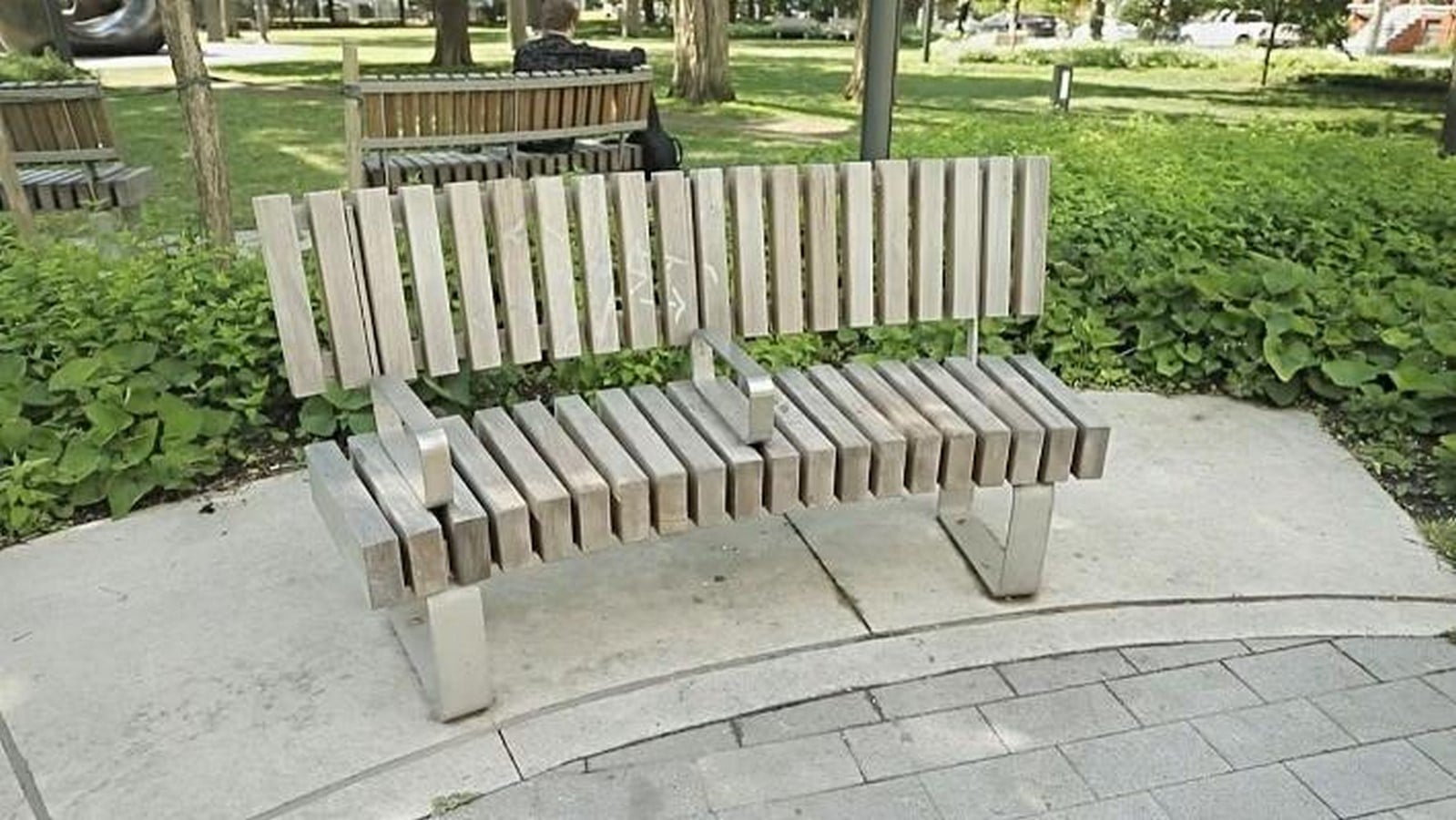
Public space architecture uses evident elements to eliminate issues without the need for a constant attendant. For instance, public benches in certain locations have armrests at odd positions to prevent users from lying down and to ensure space privacy. In a similar vein, boundary walls around buildings are built high and sometimes have pieces of glass or metal spikes, sending a clear message to the public. Parallel strategies convey messages when public squares lack shade and wide footpaths lack seating, discouraging the gathering of masses.
The addition of small ramps in footpaths and in public buildings, which might go unnoticed by pedestrians, is actually pivotal since it bridges the gap and supports wheelchair accessibility. Lighting, too, is a crucial design factor; spaces with higher footfall, like transit hubs, are designed to let in natural light and make use of cool lights, as these heighten focus and alertness, often required in public. To further demonstrate, transit hubs have clear entry and exit points to ensure unrestricted flow, reducing frustration and anxiety among daily commuters. Meanwhile, restaurants are designed with warm, ambient lighting, enabling customers to relax, calm down, and have a pleasant time; even the interiors and flooring of these spaces ensure lighter or bolder tones, depending on their theme.
Human Behaviour in Private Spaces
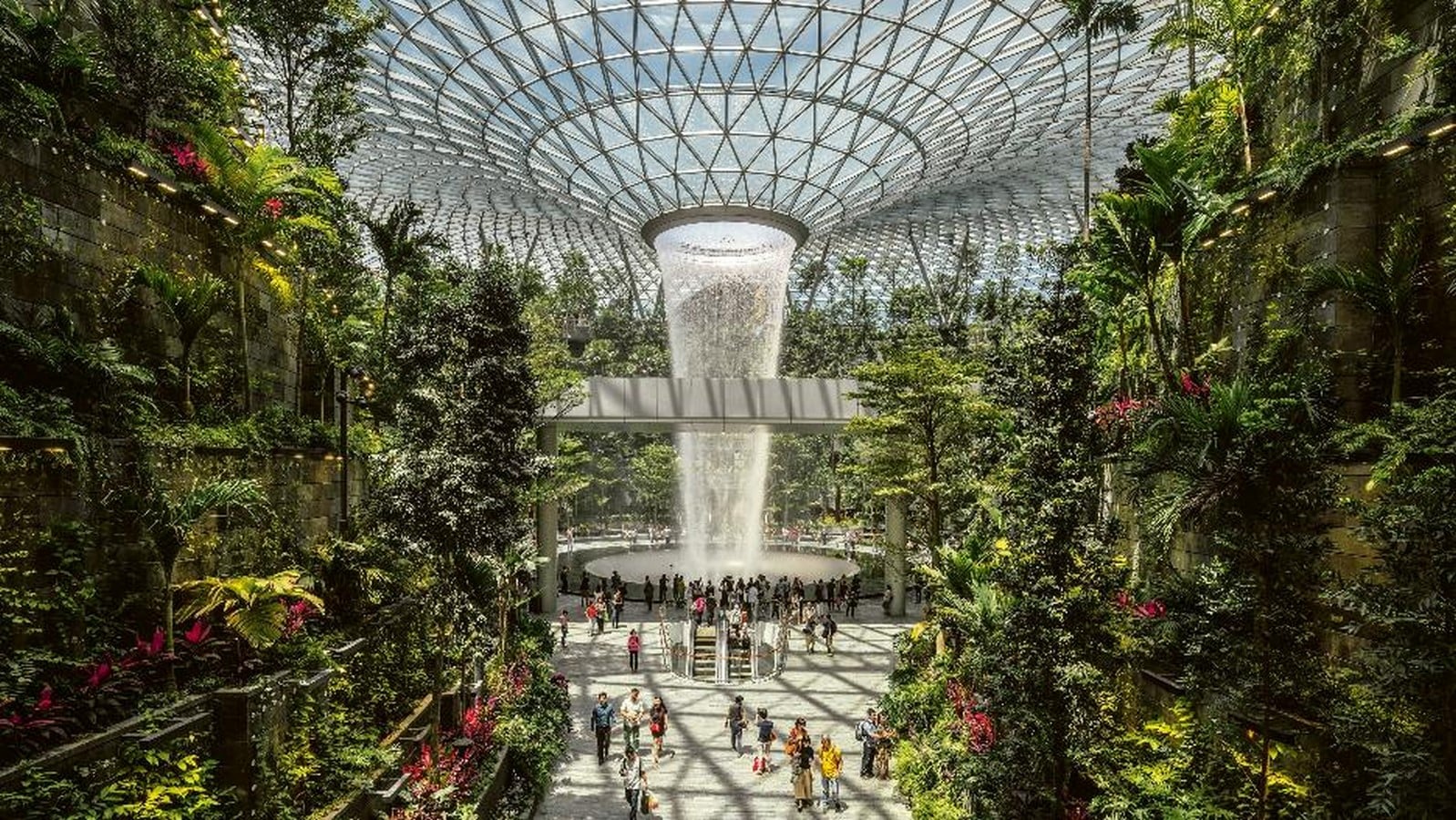
Public and private spaces are designed with different briefs and perspectives and comprise design strategies unlike each other. Home, being a private space, is designed to provide a safe and quiet space for the residents. The use of materials becomes of grave importance since people live in the same environment for years together, natural materials like wood, clay blocks, stone for walls and flooring, make the space balanced and absorbable. A few designs even bring in water through indoor ponds, fountains, and fish tanks, for their ability to improve the temperature and psychological well-being of people.
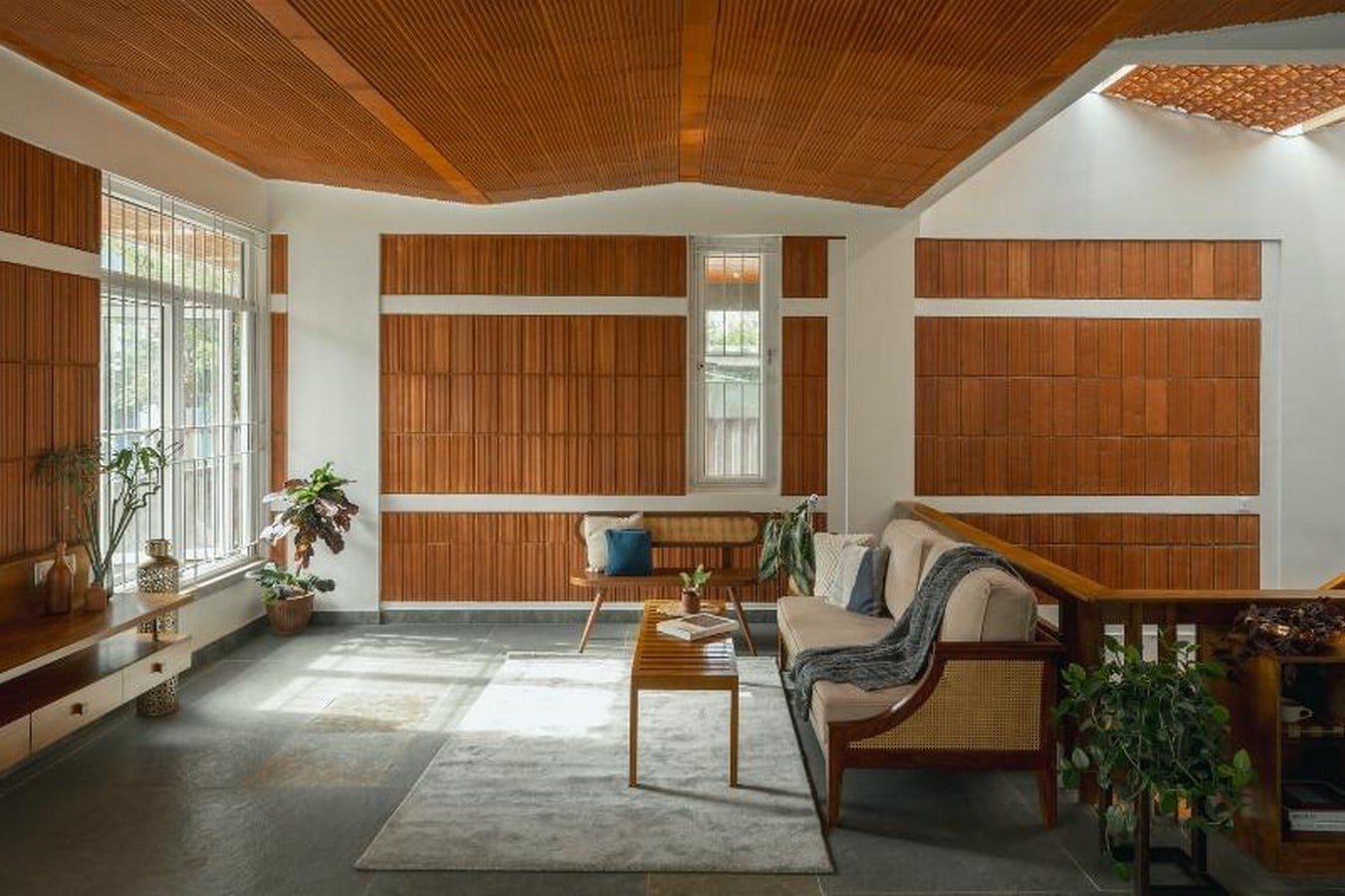
An efficient layout has the power to increase the efficiency of the residents; the size and furniture layout also have effects on human behaviour. Clustered layouts in small rooms with dim lighting could cause one to feel claustrophobic and anxious, while layouts that are adequately spaced with ample daylight would have the opposite effect. The colour of the walls makes a space look crammed or big; small rooms with white walls generate a false perception of a bigger space, while rooms with darker colours tend to weigh upon the user.
The Relation with The Creative Industry
Apart from architecture, websites and apps are likewise designed with human behaviour at their centre. The size of fonts and bold colours are used to form an impression in the user’s mind to build up retention and enforce its daily use. Humans tend to remember simulations that are engaging; web developers work on to stimulate these traits and capture users’ attention. From movies to music to advertisements, every creative industry has deduced the effect it has over human behaviour and has been curating products and designs with the aim to provoke emotions that would eventually lead them to buy or watch.
Everything around holds a power over us; therefore, designers carry a responsibility towards society in designing spaces that determine movement, encourage interactions, and are stress – free to exist in
References:
- Akshay (2026). The Architecture That Controls Behavior. [online]. (Last updated 21 Jan 2026). Available at: https://www.aestheticdesigns.in/uncategorized/the-architecture-that-controls-behavior/ [Accessed 27 May 2026].
- amartins73 (2024). How Architecture Affects Human Behavior. [online]. (Last updated 26 March 2024). Available at: https://www.snlandplan.com/post/how-architecture-affects-human-behavior [Accessed 27 May 2026].
- JCV & Associates (2026). Building Brains: How Architecture Influences Human Behavior. [online]. (Last updated 2026). Available at: https://www.jcvassociates.ph/blogs/building-brains-how-architecture-influences-human-behavior/ [Accessed 27 May 2026].
- Emkaan (2026). How Can Architecture Shape Human Behavior? [online]. (Last updated 2026). Available at: https://emkaan.com/how-can-architecture-shape-human-behavior/ [Accessed 27 May 2026].
- Brady Mick (2018). Designing for Behavior. [online]. (Last updated 15 February 2018). Available at: https://www.workdesign.com/2018/02/designing-for-behavior/ [Accessed 27 May 2026].
- DBUU (2025). The Impact of Architecture on Human Behavior. [online]. (Last updated 28 November 2025). Available at: https://www.dbuu.ac.in/blog/the-impact-of-architecture-on-human-behavior/ [Accessed 27 May 2026].