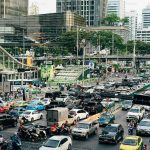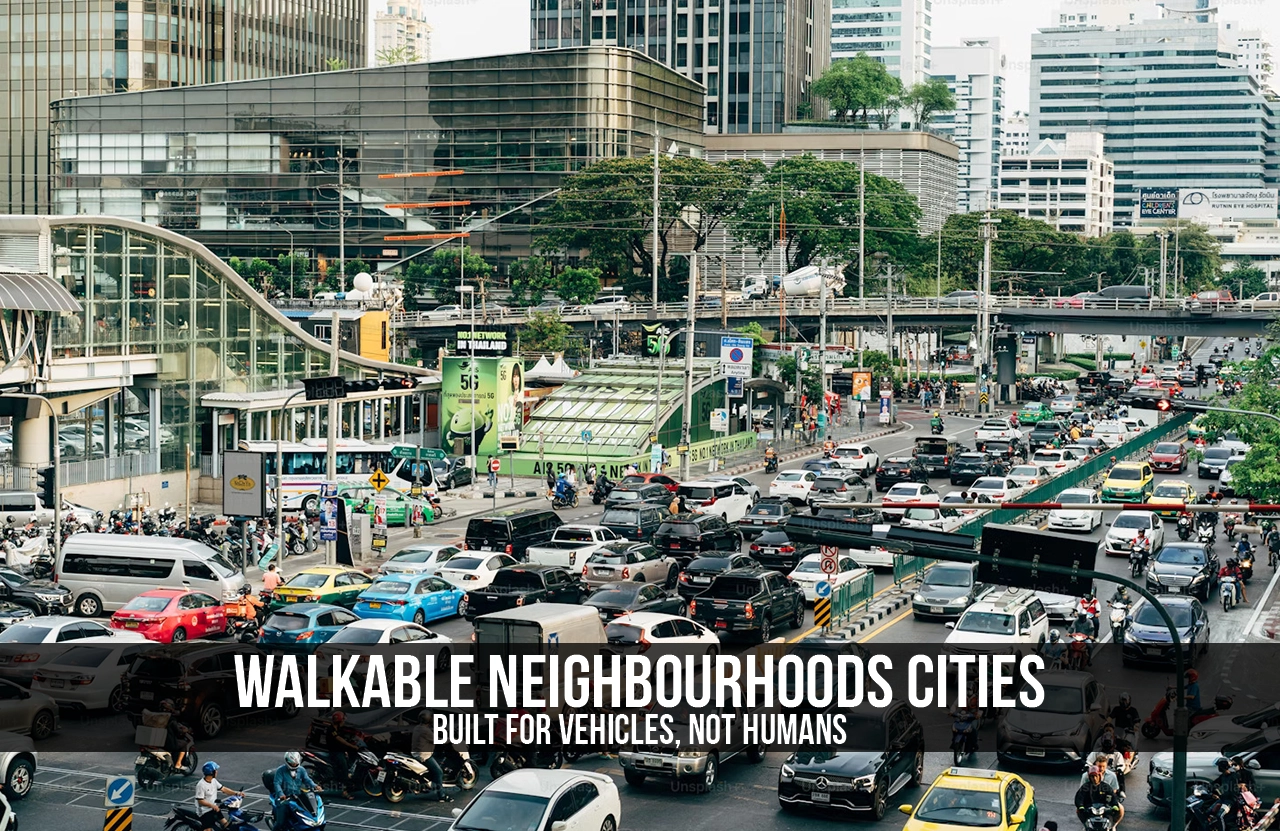
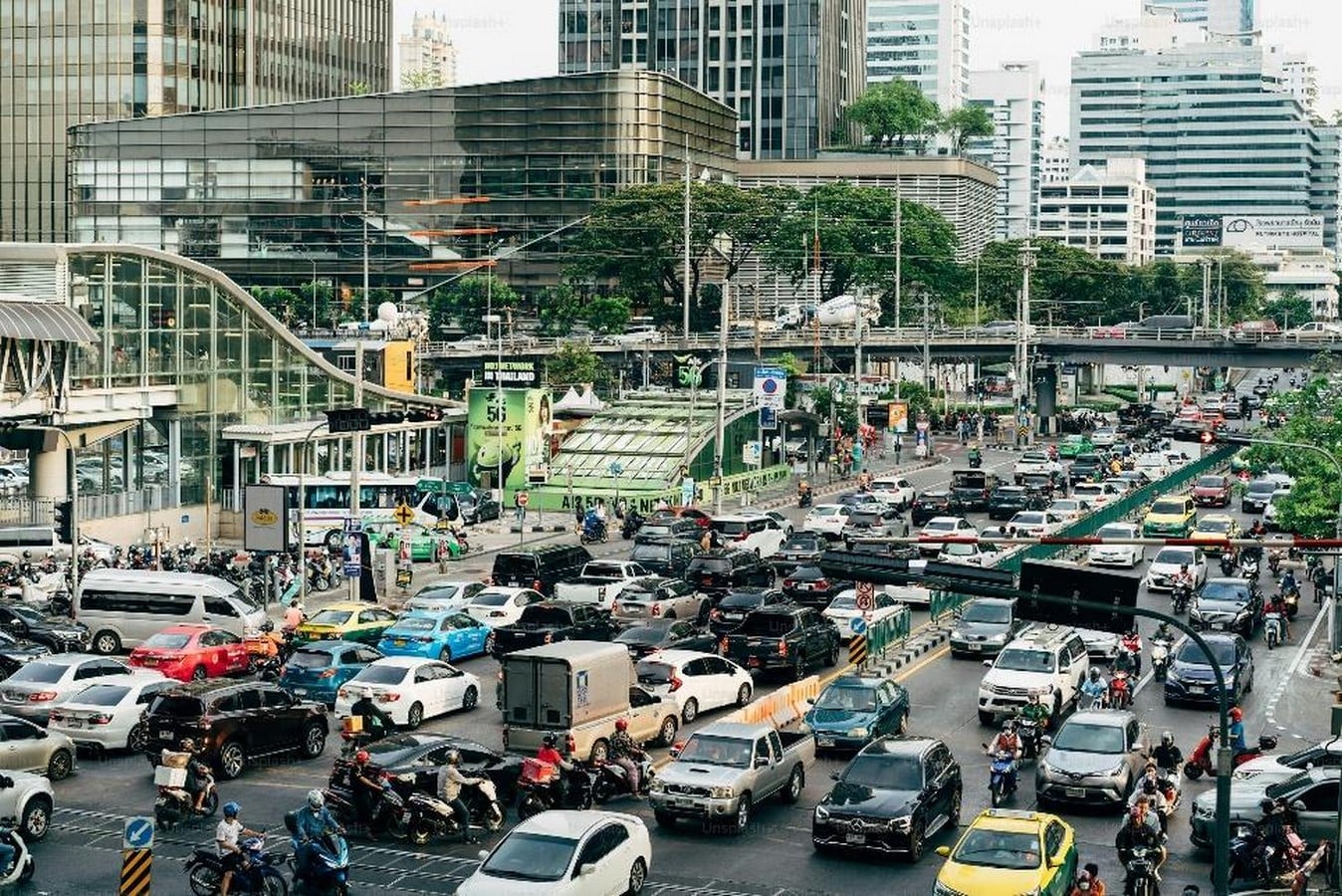
Walking in Indian cities feels like a subway surfers’ run where cars and scooters have all the right and footpaths are optional. In many cities, 40% of the major roads don’t have usable roads; and the ones that do, are often full of vendors, parked vehicles or potholes and debris. Footpaths are so encroached that people choose to walk on the roads instead. Footpaths do exist in some places but are often blocked or neglected, making people walk in traffic lanes out of necessity.
This is more than an inconvenience; it is a planning failure. For decades, Indian cities have been designed around moving vehicles quickly rather than moving people safely. Flyovers rise, roads widen and parking lots multiply, while the humble pedestrian is left negotiating broken pavements, open drains, and chaotic crossings. Yet, ironically, walking remains one of the most common modes of travel in India. Millions still walk to schools, markets, bus stops, railway stations, temples, parks and workplaces every day. If cities ignore walkers, they ignore the majority of urban life.
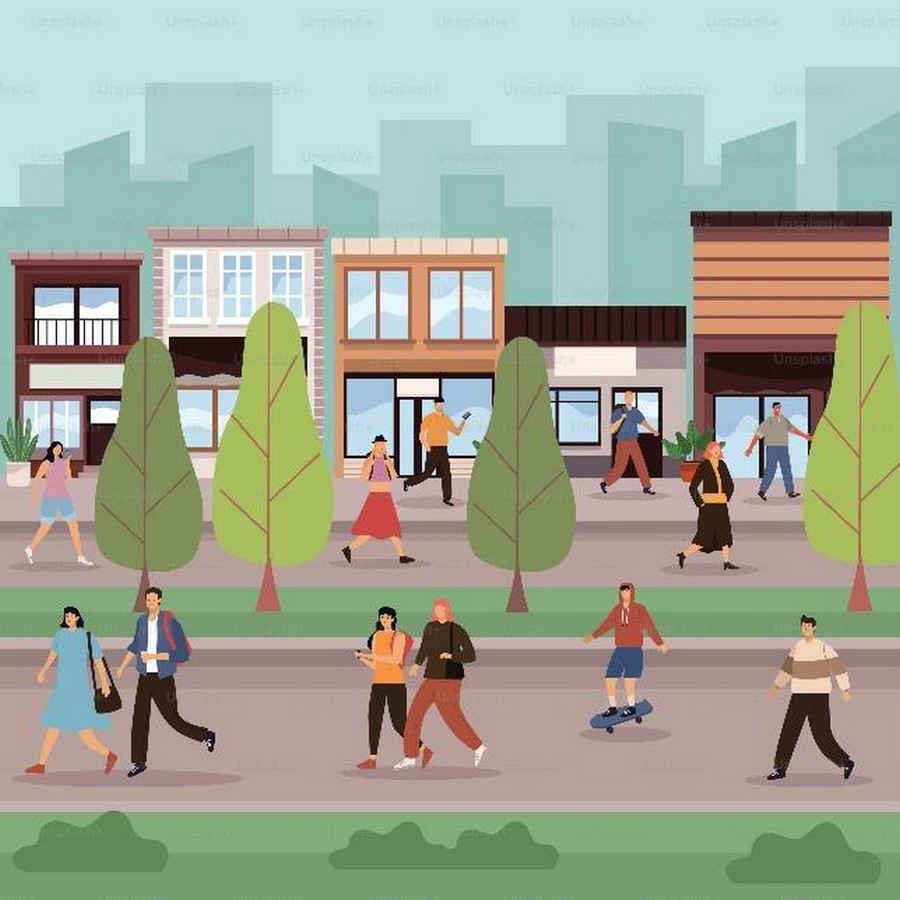
A walkable neighbourhood is not just a place with sidewalks. It is a place where daily needs are close by, streets feel safe, crossings are convenient and walking is pleasant rather than punishing. It allows children to walk to school, older adults to move independently and local businesses to thrive because people actually spend time on the street instead of rushing past behind windshields. In simple terms, walkability makes cities feel alive.
India already has several examples, both old and new, of places where walking works beautifully. Often, these places were built before cars dominated planning, which is why they still feel human in scale.
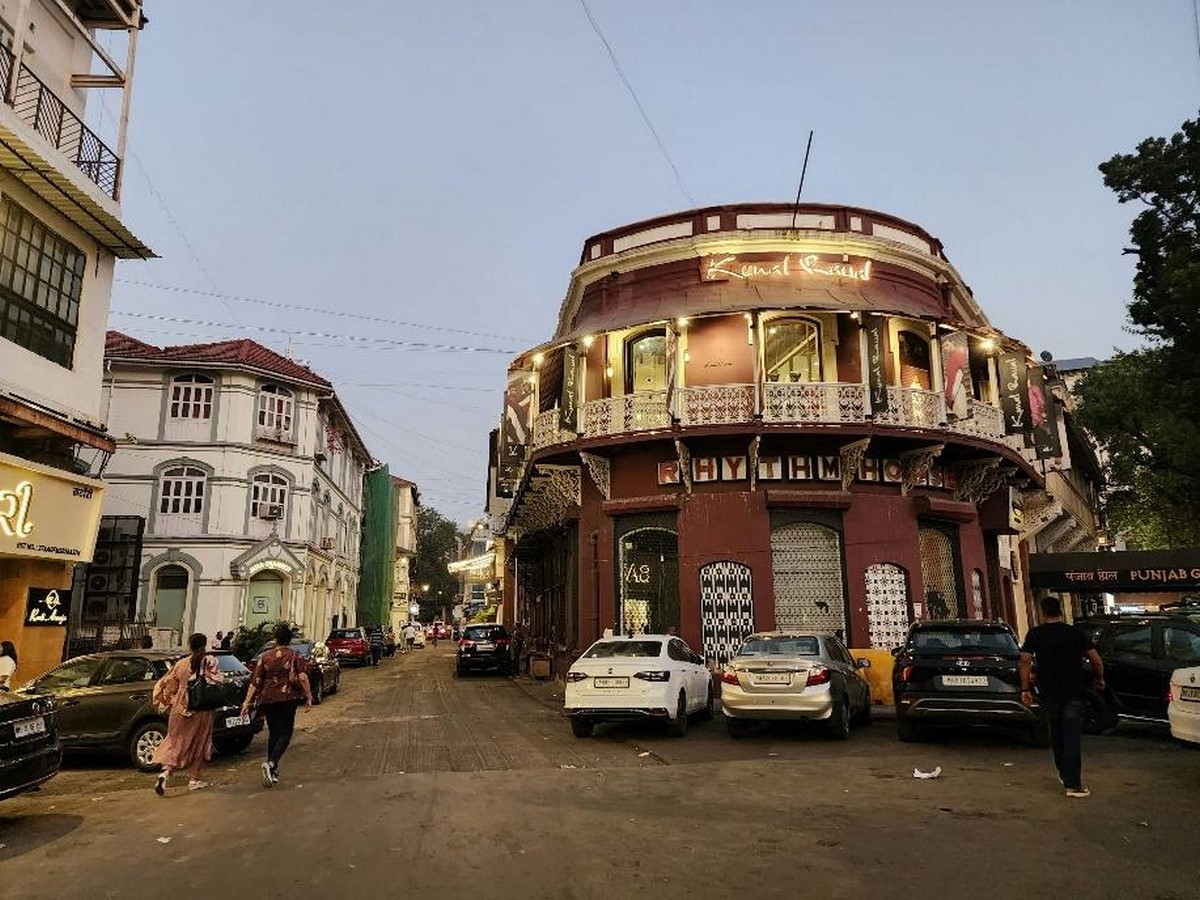
Take South Mumbai, especially areas like Fort, Kala Ghoda and Colaba. Here, streets are lined with heritage buildings, cafés, bookstores, offices, and art galleries all packed within short distances. You can step out for coffee, wander into a museum, shop at a street market and end your evening by the sea, all on foot. The narrow blocks, mixed land use, and active street edges naturally encourage walking.
Then there are Bandra’s promenades, such as Bandstand and Carter Road. These waterfront stretches are not just footpaths; they are social spaces. Families stroll, joggers run, couples sit by the sea and children play. Good walkability is not only about utility, it is also about leisure and joy.
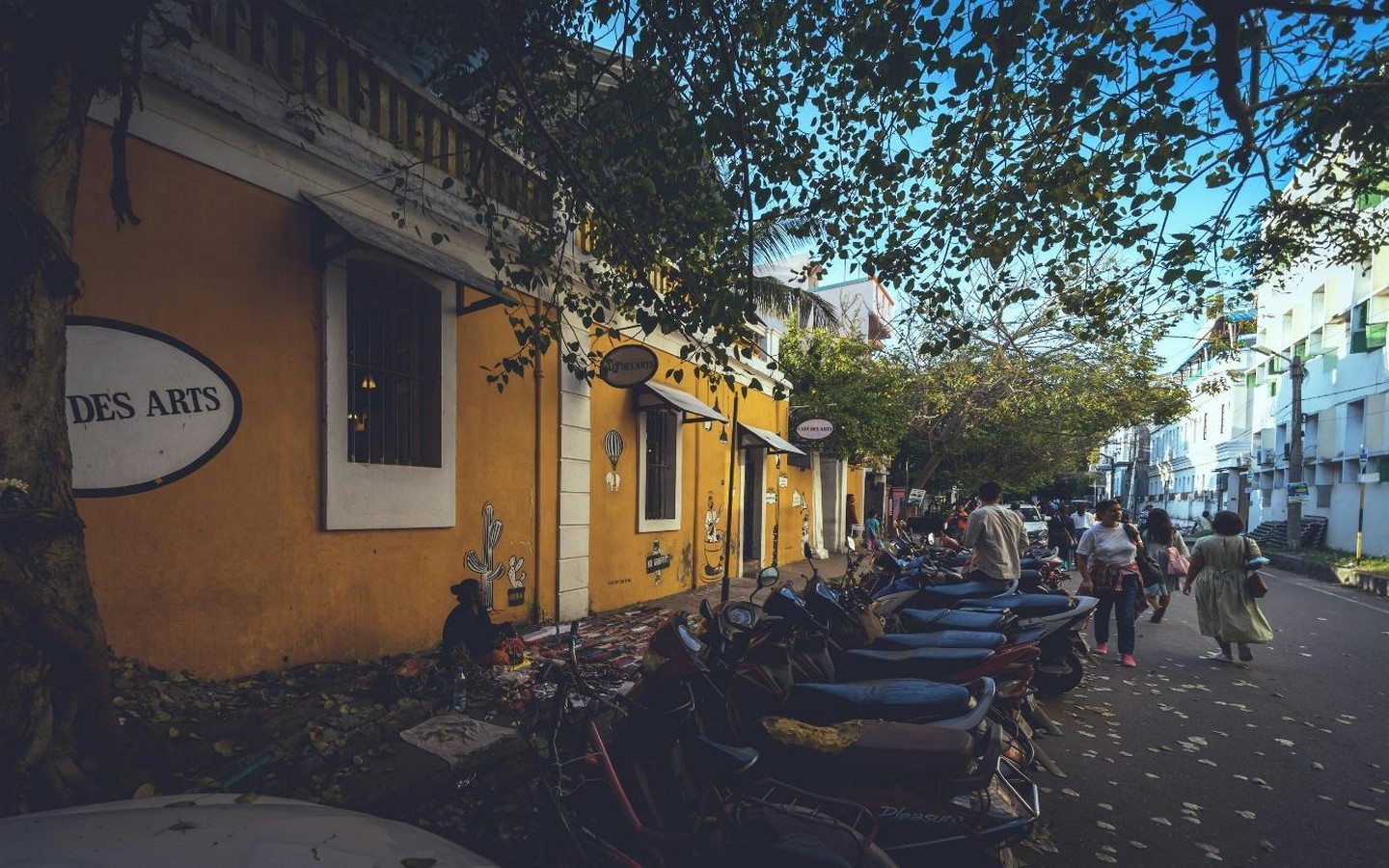
Further south, Pondicherry’s White Town offers another lesson. Its French-era grid, tree-lined streets, pastel buildings, and compact scale create a calm, pedestrian-friendly environment. Most attractions, cafés, churches, galleries and the beach promenade are reachable within minutes. It proves that beauty and walkability often go hand in hand.
In Fort Kochi, Kerala, narrow streets connect heritage houses, art cafés, and cultural landmarks. The area’s slow pace and compact layout make walking the best way to experience it. Similarly, older parts of Mysuru remain pleasant because of broad roads, shaded avenues, and lower traffic intensity compared to denser metros.
Even India’s planned cities offer useful models. Chandigarh, with its sector system, green belts, and pedestrian plazas, demonstrates how organized urban planning can support walkability. Sector 17 Plaza remains one of the country’s classic public pedestrian spaces.
What is encouraging is that newer interventions are beginning to reclaim streets for people. Chennai has been widely recognized for its pedestrian-first projects, where redesigned footpaths, safer crossings, and better public spaces have improved mobility and accessibility. The city’s “Complete Streets” program showed that footpaths are not decorative extras they are essential infrastructure.
Bengaluru’s Church Street is another strong example. Once dominated by traffic and clutter, it was redesigned with wider walkways, better paving, seating, and improved public realm quality. Today, it is one of the city’s most vibrant urban streets, crowded not because of cars, but because people enjoy being there.
In Nagpur, walkable corridors around metro stations are being developed to encourage last-mile connectivity. This is a crucial shift, public transport only works well when people can safely walk to and from stations. A metro station surrounded by hostile roads is like an airport with no runway.
So how can more Indian neighbourhoods become walkable?
First, cities need continuous footpaths. Not footpaths that begin heroically for fifty metres and disappear into a wall, but connected pedestrian networks linking homes to schools, parks, markets, and transit stops. Continuity matters more than cosmetic beautification.
Second, streets need to be designed for comfort. In India’s climate, shade is infrastructure. Trees, arcades, benches, lighting, and drinking water points make walking possible in summer heat and safer at night.
Third, cities must embrace mixed-use neighbourhoods. When housing, shops, schools, clinics, and parks are close together, walking becomes practical. If buying milk requires a 4-kilometre drive, planning has already failed.
Fourth, traffic speeds must come down. Raised crossings, narrower carriageways, pedestrian signals, and traffic calming measures can dramatically improve safety. A fast road may move cars efficiently, but it often kills street life.
Finally, citizens should be involved. Some of the best walkability improvements begin with local residents pointing out broken pavements, dangerous crossings, missing ramps, or shaded shortcuts that planners overlook. Streets are used by people, so people should help shape them.
The future of Indian cities cannot be endless flyovers and bigger parking lots. Land is limited, pollution is rising, and congestion grows no matter how many lanes are added. Walkable neighbourhoods offer a smarter alternative: healthier citizens, stronger local economies, safer streets, and more vibrant communities.
The real sign of a successful city is not how fast cars move through it, but how comfortably people move within it. When neighbourhoods become walkable, cities stop feeling like traffic systems and start feeling human again.
Ahirwadi, P.L. (no date) ITDP India. Available at: https://itdp.in/ (Accessed: 16 April 2026).
Ahirwadi, P.L. (2025) White Town, colaba & more: Explore India’s 10 most walkable neighbourhoods, Curly Tales. Available at: https://curlytales.com/india/travel/white-town-colaba-more-explore-indias-most-walkable-neighbourhoods/ (Accessed: 16 April 2026).