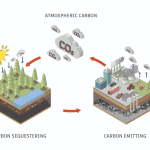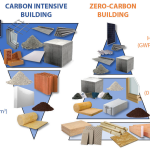
The construction industry is the foremost contributor to global carbon emissions. The entire process, which includes the extraction of raw materials, manufacturing, and transportation, carries a significant ecological burden. In light of this, the concept of carbon-negative materials has been introduced. Carbon-negative materials are defined as substances that remove and sequester more carbon dioxide from the atmosphere than is emitted over their entire life cycle, from raw material sourcing to manufacturing. These materials function as carbon sinks, unlike standard materials that add carbon to the atmosphere or neutral materials that only balance emissions, leading to a net decrease in atmospheric greenhouse gases.
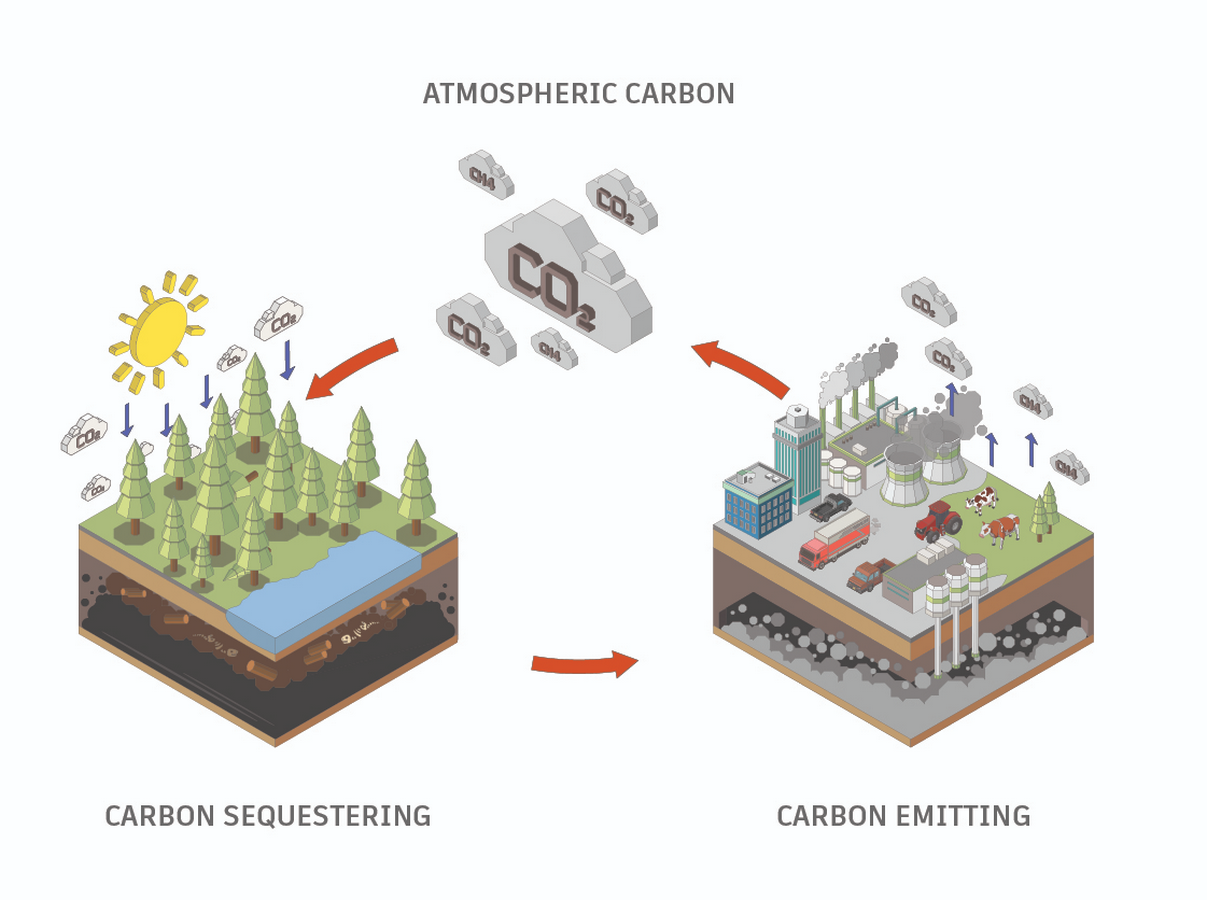
Reversing the Footprint of the Built Environment
The mechanism for carbon removal is fundamentally based on biomass carbon sequestration. A material qualifies as carbon-negative only if it is produced efficiently, preferably using upcycled waste biomass. A similar concept is carbon neutrality, which refers to a situation in which the carbon emitted by a material is offset by carbon removed from the atmosphere.
Photosynthesis capability – Nature showcases the most efficient technology for capturing carbon. Plants take in atmospheric CO2 during their growth. Through photosynthesis, they split carbon from oxygen, releasing oxygen back into the air while storing carbon to develop their roots, stems, or leaves.
Upcycling – This process involves converting carbon-rich biomass waste into more sustainable products. By transforming materials like rice husks or wood cellulose into a stable polymer matrix, the carbon is kept from returning to the atmosphere.
Sequestration – When the material is formed into a product, the carbon is effectively kept out of the atmosphere.
Carbon negative building systems
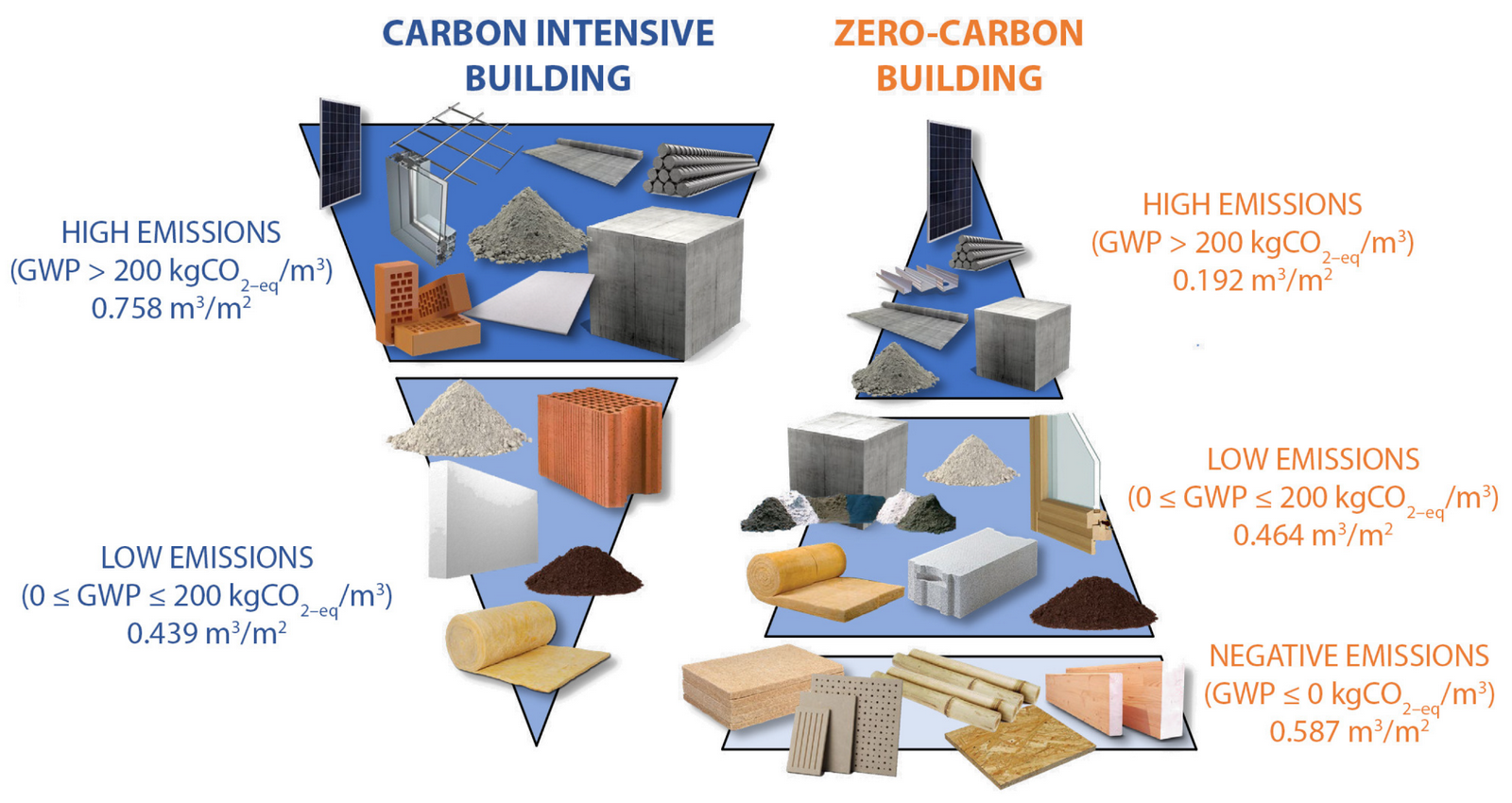
Carbon-negative building systems employ construction materials and technologies that can significantly cut down the carbon emissions of buildings while effectively extracting carbon from the atmosphere. This is achievable through the use of sustainable energy sources, energy-efficient engineering, and carbon capture technology. The materials and products used in buildings, such as steel and aluminum, are produced through a variety of processes. These processes include the extraction of raw materials, their processing, melting, the manufacturing of final products, and their transportation to building sites. Each of these processes consumes energy that results in carbon emissions.
Traditional construction methods do not utilize carbon sink building materials. These construction technologies primarily rely on fossil fuels for their energy needs, resulting in substantial carbon emissions. Transitioning to carbon-negative building materials is crucial, as it also provides significant financial advantages. The use of renewable power sources and energy-efficient engineering usually leads to lower energy costs for both builders and tenants. Concrete is affordable and easy to produce, making it a popular choice in the construction industry. Annually, at least 30 billion metric tons of concrete are used, contributing to at least 7% of global carbon emissions.
Natural Carbon Sinks in Construction
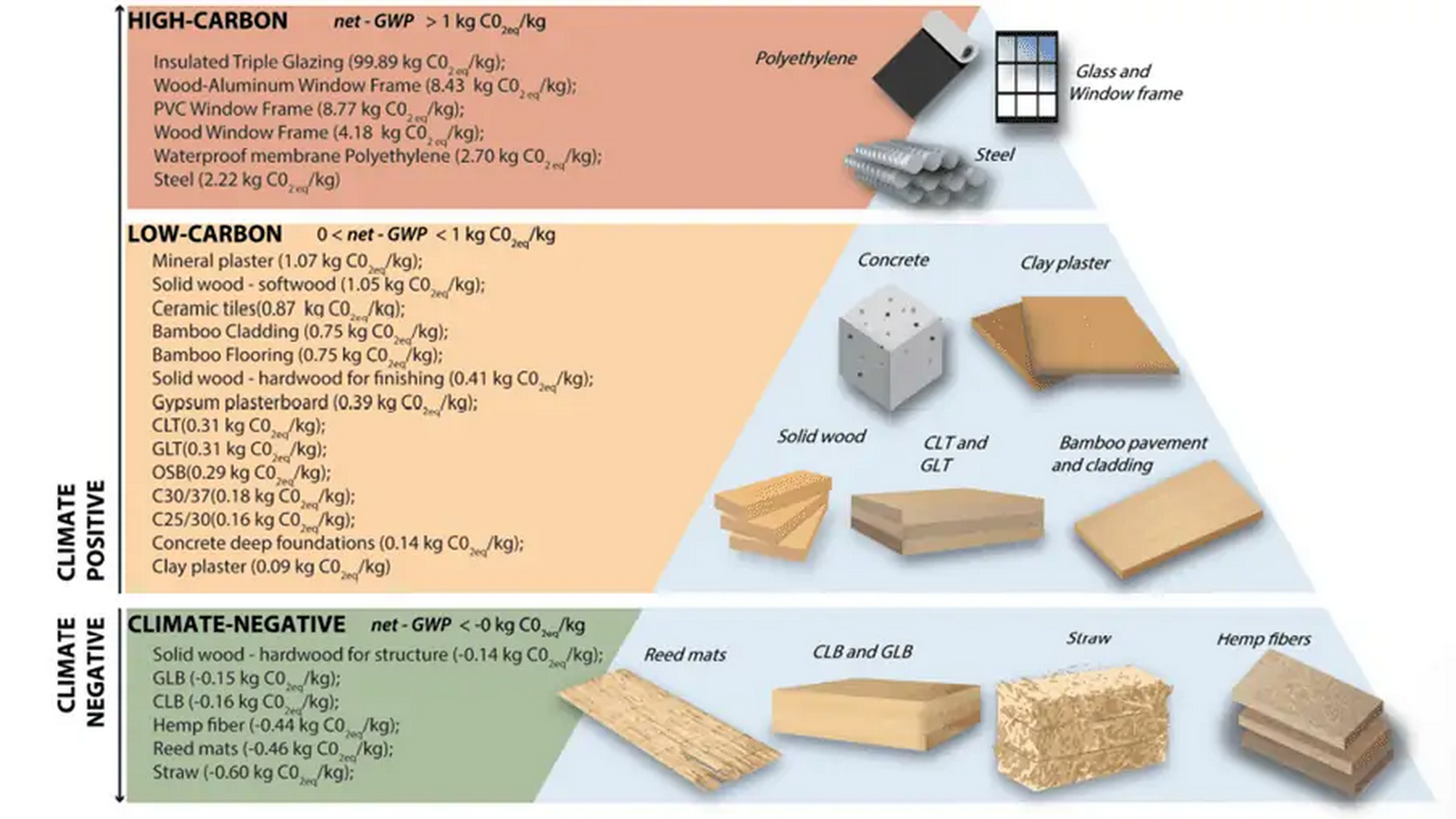
Recycled metals: The processes involved in metal production are highly carbon-intensive. However, reusing existing metal structural components, such as steel columns and beams, can significantly reduce this impact, even when the complete recycling process is applied. Additionally, builders can utilize non-building metal products, like shipping containers, to create innovative new structures.
Low-carbon bricks: Incorporating 40% fly ash, a fine glass powder primarily composed of iron, silica, and alumina, effectively reduces the embodied carbon in traditional bricks.
Green tiles: Tiles made from 50% recycled glass and other minerals are considered green and can be utilized for both internal and external flooring and cladding.
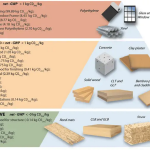
Structural timber: Wood consists of 50% carbon by dry weight. Taking into account both the embodied carbon and the carbon stored in wood, many timber building materials are classified as carbon negative.
Hempcrete: This material is a composite of hemp fibers bound together with a glue-like binder. Despite its ability to absorb twice as much carbon as a typical forest, it remains relatively unpopular in the construction industry.
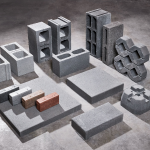
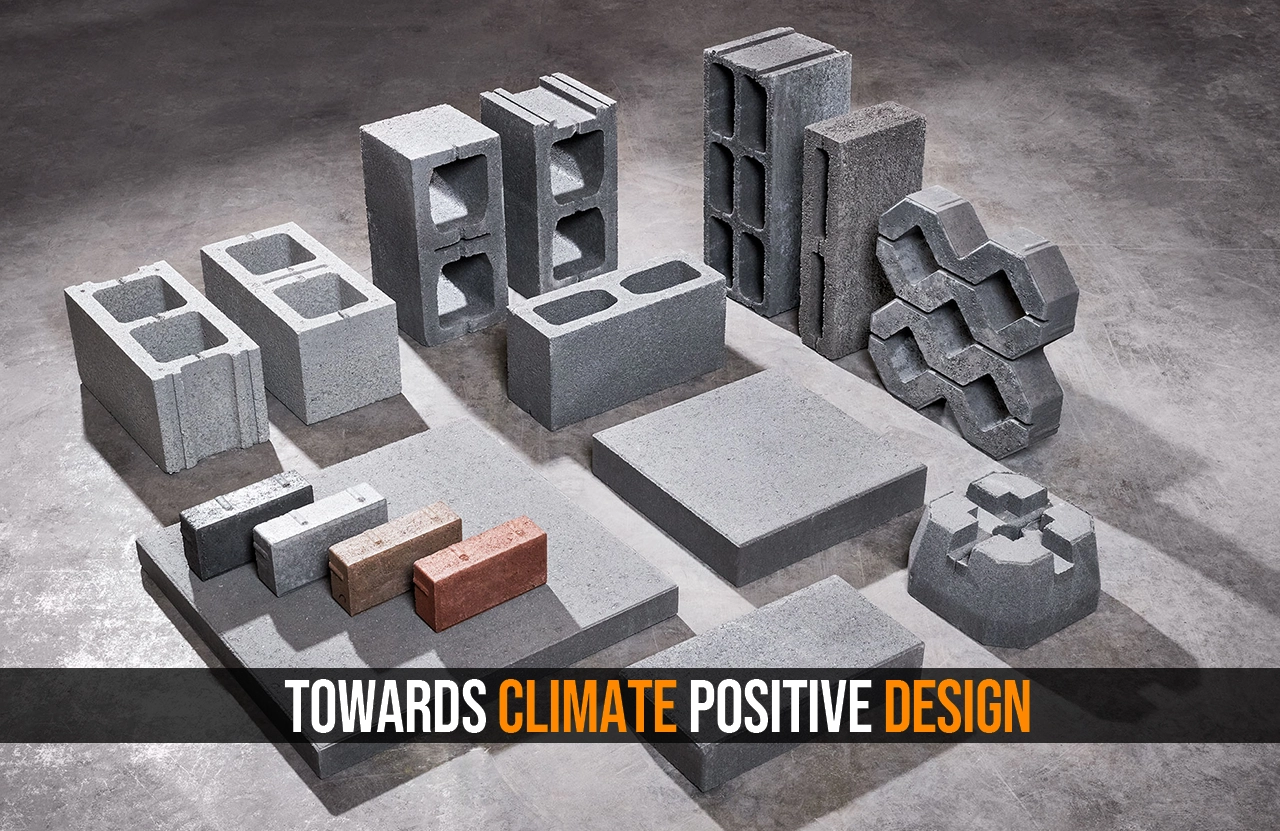
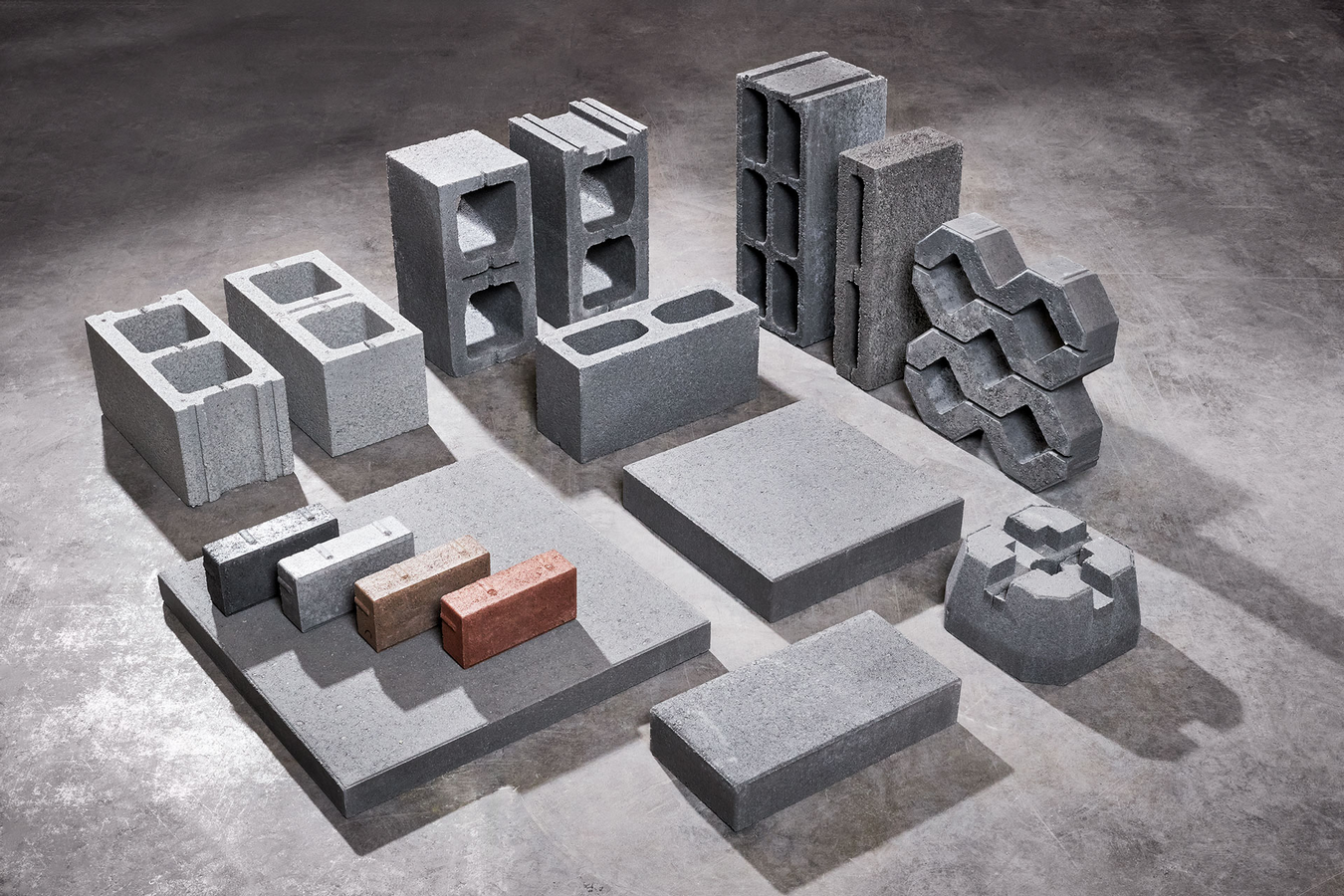
Carbon-negative concrete: There are several easy-to-make carbon-negative concrete blocks. One is by adding a biogenic limestone, which can pull carbon from the air. Another way is by replacing the traditional mix of cement with a magnesium-based cement using seawater. Washed copper slag can be used instead of aggregate or sand. Using recycled granite from demolished debris can also help in reducing emissions of concrete.
Technological Innovations in Carbon Capture
Plantd Structural Panels: Plantd is a revolutionary, sustainable building materials company that transforms fast-growing perennial grass into durable, carbon-negative building materials. They make building materials that are a direct substitute for traditional building products. They also don’t need any alternative installation techniques. This company grows fast-growing perennial grass instead of cutting down trees, and the resulting product is capable of retaining 80% of carbon captured in the field.

CarbiCrete CMU: CarbiCrete develops low-cost, innovative building products that help curb emissions. Its patented technology allows the production of cement-free, carbon-negative concrete using mineral waste and CO2 as raw materials. The company offers high-quality precast concrete at a lower cost and in a way that minimizes its carbon footprint. With traditional cement-based concrete, the first step is mixing cement with aggregate and water.
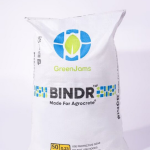
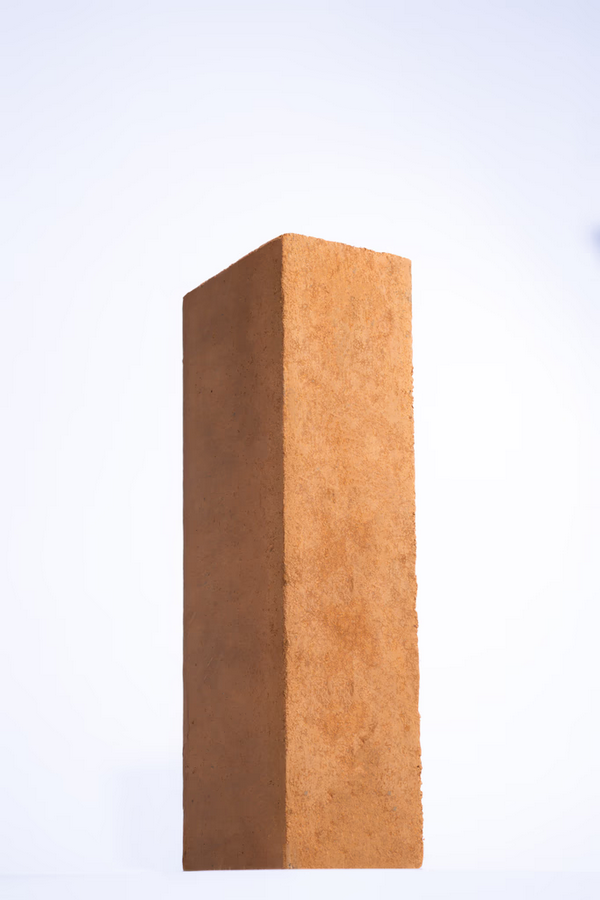
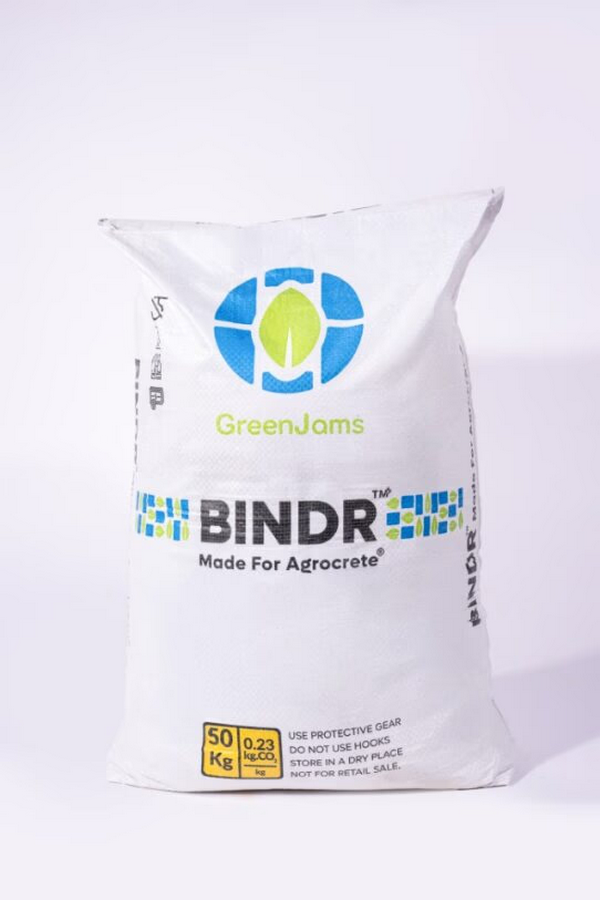
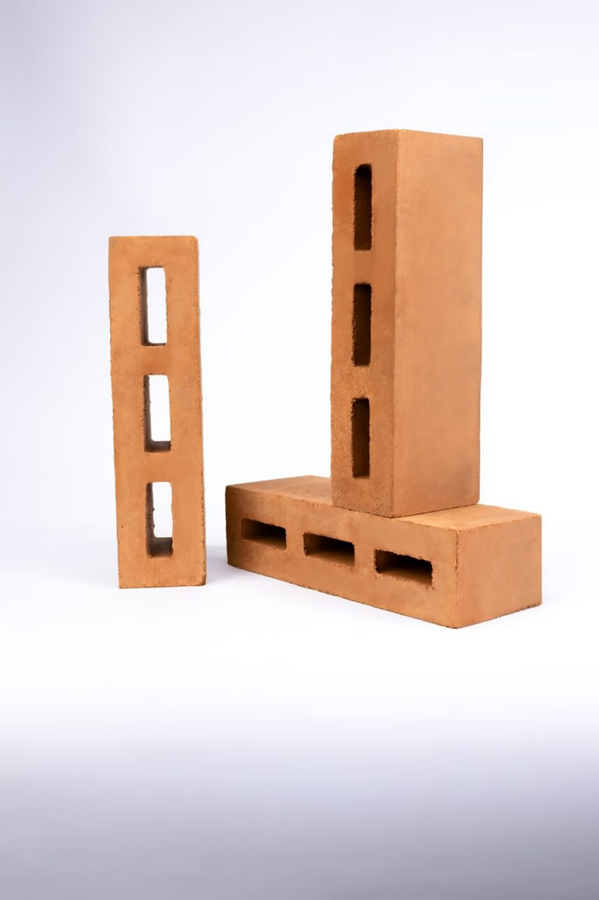
GreenJams Agrocrete: They create carbon-negative building materials from agricultural biomass and hemp blocks. The product called Agrocrete is made from up-cycled material and can cut construction costs by 50%, increase the thermal insulation by 50%, and reduce the time needed to construct buildings. The agricultural residues, such as paddy straw, cotton stalks, bagesse, etc., used to make Agrocrete, get mixed with the firm’s innovative product BINDR. It is a 100% up-cycled, low-carbon alternative to Portland cement made from industrial by-products of steel, paper, and power industries.
The Shift
Unlike operational emissions, which can be gradually reduced over time through improved technologies, embodied emissions require immediate action. Carbon-negative materials confront this challenge directly by reversing the carbon flow—converting buildings from sources of emissions into functioning carbon sinks. This offers a significant advantage over carbon-neutral methods, which only strive to balance emissions rather than eliminate them. Additionally, the global construction surge, driven by rapid urbanization and population growth, intensifies the need for immediate solutions. With millions of square meters of new construction added each year, continuing with conventional materials would significantly worsen climate impacts. Carbon-negative materials offer a scalable, proactive approach, enabling the industry to meet development requirements while also contributing to climate mitigation.
Architects and designers must integrate carbon considerations from the earliest stages of the design process, ensuring that material selection is guided not merely by cost or aesthetics but by lifecycle carbon assessments and environmental performance. This strategy requires the use of advanced tools such as whole-life carbon analysis to guide decisions. At the same time, construction practices must evolve to accommodate new material systems, often requiring revised methods, workforce training, and updated standards, all supported by close collaboration among engineers, materials scientists, policymakers, and contractors. There is also a growing need to shift towards localised and circular material economies, where regionally sourced biomass and industrial by-products reduce transport emissions and strengthen contextual responsiveness. Ultimately, this transformation signifies a broader cultural shift within the industry, where success is evaluated not only by functionality and cost-efficiency but also by a building’s ability to actively contribute to environmental regeneration, including carbon capture, biodiversity support, and improved ecological quality. Despite the challenges that remain, the momentum in this field is undeniable. With continued innovation, supportive policies,and increased awareness, carbon-negative materials could become a cornerstone of future architecture.