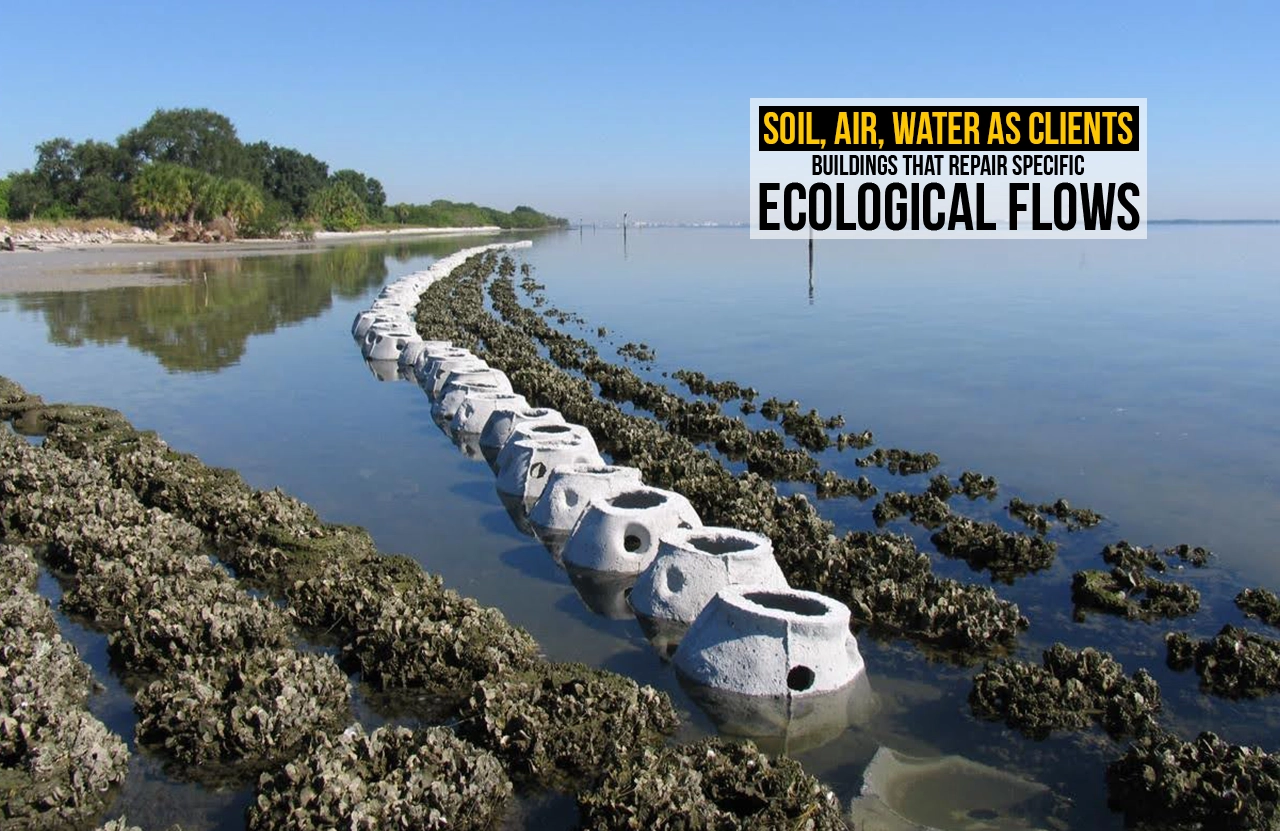
Repair. A word with strong negative connotations. Because something must have been destroyed before it can be repaired, and what is even more significant is that it has been destroyed dramatically – nobody usually repairs something that is only slightly broken, do they?
What lies behind the architecture of buildings that repair specific ecological flows? Is it a technological avant-garde – an avant-garde of architectural thought – or merely a poor attempt to conceal our shame behind marvellous façades and constructions?
The answer is not so obvious.
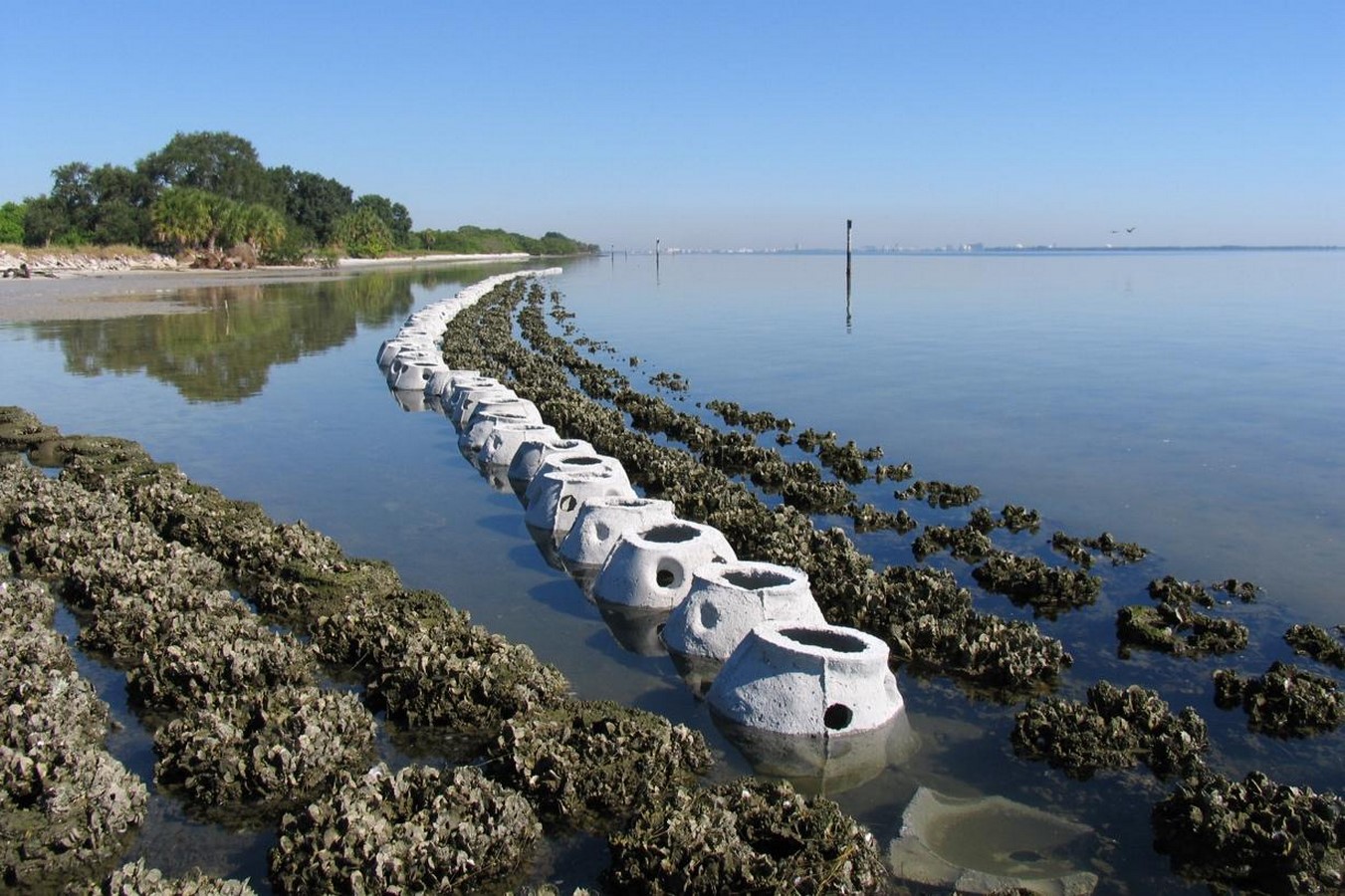
Regenerative Concept
Creating concepts and paradigms has long since become mainstream as the new sexy. But it isn’t.
Sustainable development, new economy movement, SMART cities, land management – paradigms appear at nearly the same speed as the environment is being harmed. The justification and rationale for new job posts, educational programmes, and new architecture projects appear, and thus society ‘moves forward’ and ‘develops’. But it doesn’t.
Regenerative Architecture/Design as a concept has come from agriculture in the 1970s, gaining more popularity in the 1990s and developing into advanced approaches of net-positivity etc. in the 2000s.
Looking back at history, we’ll find that we’re just reinventing the bike – without the wheels.
Back to History
What is nowadays called an important part of ecological, regenerative, and restorative ecosystems was originally designed to be integral to any architectural system. It happened in ancient times and continued in the medieval period. The Khmer Empire, the Persian, the ancient Greeks, the Indians – just a short list of societies that understood the core principles of non-damage and co-existence between people and nature, and used such approaches as systems thinking, resource flows, and ecological restoration – approaches that seem innovative today.
Then we lost it for centuries and suddenly came back, forced by industrial processes. After huge damage had been revealed and the idea of limited resources became obvious for all economic processes, the utilitarian approach won – in the 20th century, repair buildings grew rapidly. They were nothing special in terms of design or architecture, but it was all about investing money to recover a process to continue getting benefits from the post-industrial process.
Jumping into the Future
The utilitarian approach has stopped being enough, at least since the 2000s. Human beings require a mission behind everything they do – that’s how the big dream-driven approach works. And the architecture world responds – in a way that even the repairing process has become the cause to invent some new (or reinvent old) conceptualisation theories.
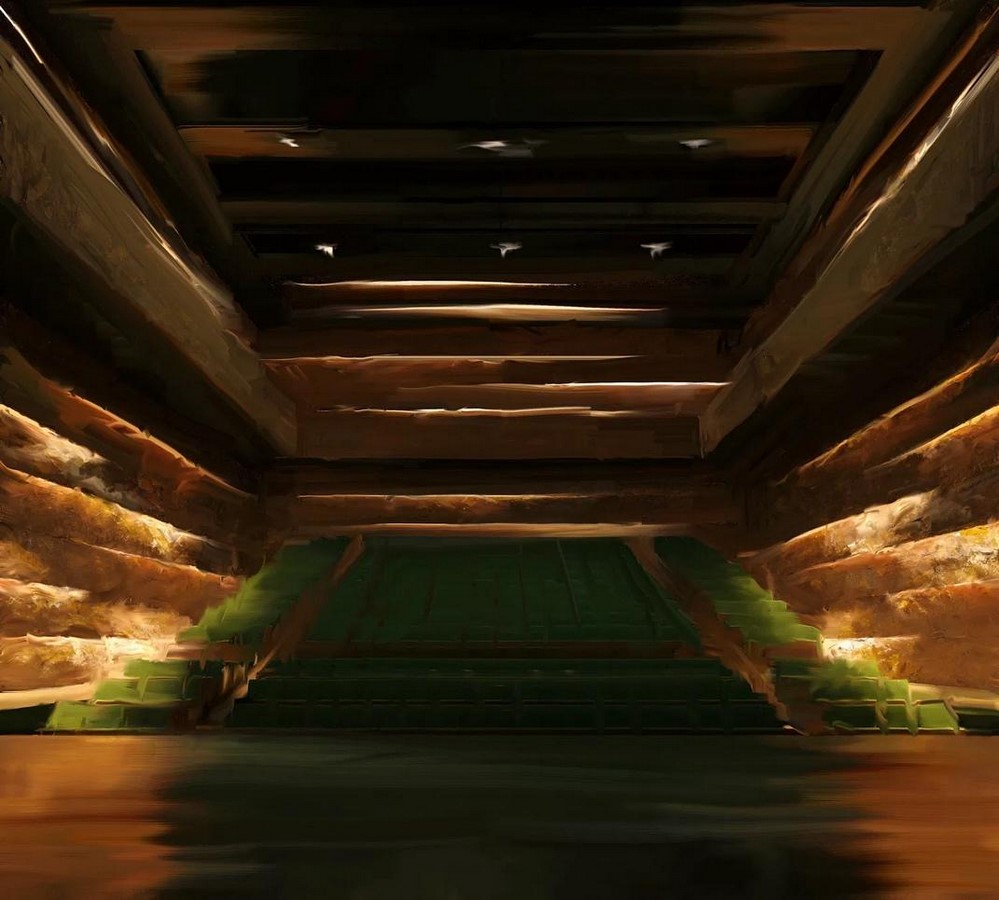
Every palm in Dubai in the United Arab Emirates has its own outlet for the water recovery system. A big dream of creating a water-planted oasis in the desert. And the Rhine River is becoming the core conceptual part of the design concept of the theatre in Düsseldorf – it is seen by the architectural and design world as a good design thinking approach. A big dream of implementing socially oriented buildings into the ecological mainstream philosophy.
And whilst all this is happening, every year the planet suffers from at least 10 large tanker spills and over 30,000 chemical spills. Maybe it’s time to jump back from the future and refocus day-to-day attention whilst constructing usual architectural forms?
Kitsch or Help?
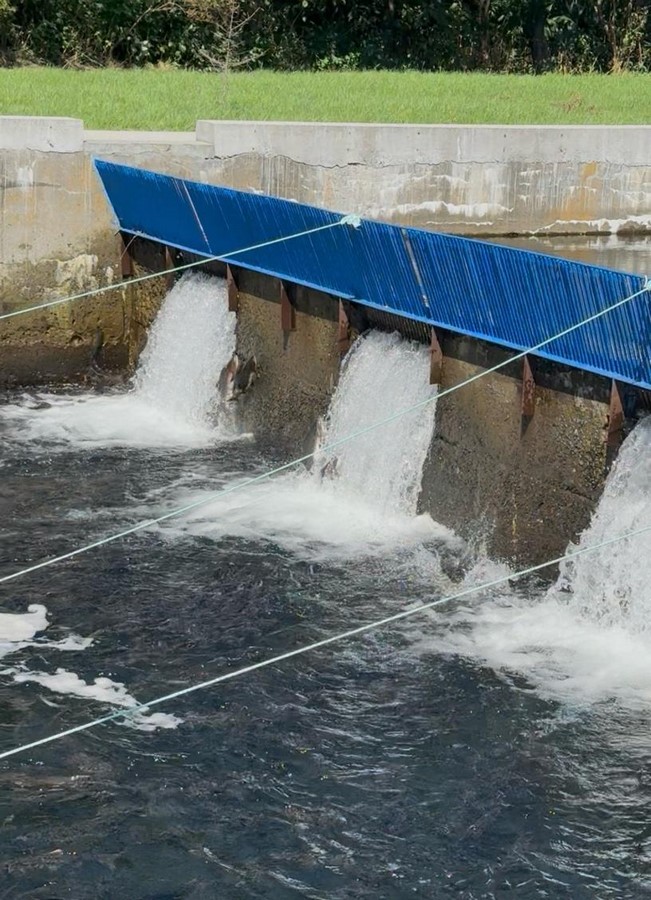
Imagine a real situation. The population of a certain type of fish has decreased, and the decision is made to build a special farm on the river along its spawning route. The idea is good – to control the fish population. The constructive part of the architectural solution will be a wall to prevent fish from uncontrolled movement towards spawning (which is a very natural process for them). And fish, driven by their instincts, will harm themselves considerably while trying to jump and overcome the wall. Some will even die. Is creating such a system helping or kitsch?
Conceptual paradigms, even when they sound good, don’t make human beings saints – they just help people who are constantly eating junk food to feel better about themselves by providing access to a fitness club. But as fitness works better without eating junk food, any architectural concepts work better when they become not a new fetish, but a world standard.
Why Care?
Architecture has a strong creative impact, and that’s why it has a social obligation to be worthwhile.
So, before discussing what buildings would look like when we all fly to the Moon or to Mars, let’s first examine whether we’re able to maintain a construction process on the planet without harming its nature.
Because if not, nothing else makes sense.