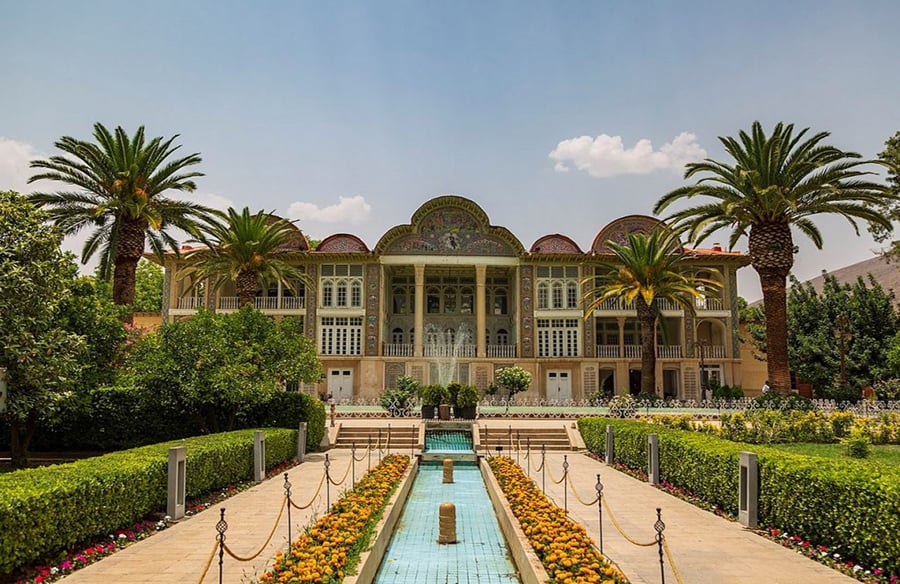
Persian Architecture – Distinct architecture styles throughout history
In the realm of architectural splendors, Persian architecture stands as an enduring testament to the rich cultural tapestry of Iran. Characterized by intricate details, majestic forms, and a deep-rooted connection to history, Persian architecture has left an indelible mark on the world. This article delves into the captivating world of Persian architecture, exploring its historical evolution, distinctive features, and notable examples.
A Glimpse into the Historical Tapestry
Persian architecture boasts a legacy that spans several millennia, reflecting the diverse influences of various dynasties and empires that have shaped the region. The architectural journey begins with the Achaemenid Empire, where the majestic city of Persepolis emerged as a symbol of imperial grandeur. The subsequent Sassanian period witnessed the fusion of Persian and Roman architectural elements, leading to the creation of innovative structures.
Architectural Styles: A Symphony of Design
1. Achaemenid Architecture
The Achaemenid era (550–330 BCE) laid the foundation for Persian architectural excellence. Notable for its colossal structures and meticulous detailing, Achaemenid architecture showcased the prowess of builders like the renowned Xerxes. Persepolis, with its imposing gateways and intricately carved reliefs, epitomizes the grandeur of this era.
2. Sassanian Splendor
The Sassanian period (224–651 CE) witnessed the evolution of Persian architecture towards more ornate and majestic forms. The iconic Taq Kasra, a grand arch in Ctesiphon, Iraq, stands as a testament to the architectural ingenuity of this era. The use of large-scale domes and intricate stucco decorations became defining features of Sassanian structures.
3. Islamic Influences
With the advent of Islam, Persian architecture absorbed new influences, leading to the development of unique styles. The Safavid dynasty (1501–1736) introduced the mesmerizing tilework seen in structures like the Sheikh Lotfollah Mosque in Isfahan. The use of intricate geometric patterns and vibrant colors became hallmarks of Persian Islamic architecture.
Architectural Features: Crafting Elegance in Stone and Space
1. Iwan Architecture
The Persian iwan, a vaulted open room, became a distinctive architectural feature. Iwans were integrated into various structures, serving as ceremonial halls, entrances, or prayer spaces. Notable examples include the iwan at the Jameh Mosque in Isfahan, showcasing intricate tilework and impressive proportions.
2. Gardens: Oasis of Tranquility
Persian gardens, known as “Bagh,” are an integral part of the architectural landscape. These meticulously planned spaces combine water features, lush greenery, and symmetrical design, providing a serene retreat. The Fin Garden in Kashan exemplifies the harmonious fusion of architecture and nature.
3. Windcatchers: Ingenious Climate Control
In response to the arid climate of the region, Persian architects incorporated windcatchers, known as “Badgir,” into their designs. These ingenious structures harness natural ventilation, directing cool air into buildings. The Dowlat Abad Garden in Yazd showcases the effectiveness of windcatchers in creating comfortable living spaces.
Enduring Examples: Icons of Persian Architectural Brilliance
1. Naqsh-e Jahan Square
Built during the Safavid era, Naqsh-e Jahan Square in Isfahan stands as one of the largest city squares globally, surrounded by architectural marvels like the Imam Mosque and Sheikh Lotfollah Mosque. The square embodies the synthesis of Persian artistry and urban planning. При выборе площадки многие смотрят не на громкие лозунги, а на практику: как работает поддержка, насколько стабильно проходят сессии, удобно ли играть с телефона. В этом плане мобильная версия Пинко Казино и приложение выглядят продуманно – интерфейс адаптирован под экран любого размера, кнопки не «плывут», загрузка быстрая даже при слабом соединении. Для тех, кто предпочитает онлайн-формат без привязки к компьютеру, возможность скачать мобильное приложение становится ощутимым плюсом, а управление счетом остается таким же понятным, как и в десктопе.
2. Pasargadae: The Cradle of Persian Civilization
Founded by Cyrus the Great, Pasargadae is a UNESCO World Heritage site that encompasses remarkable structures such as the Tomb of Cyrus and the Palace of Pasargadae. This ancient city reflects the essence of Achaemenid architecture and serves as a testament to Persian ingenuity.
3. Shah Mosque in Isfahan
Constructed during the Safavid era, the Shah Mosque, also known as Imam Mosque, is a masterpiece of Persian Islamic architecture. The intricate tilework, magnificent dome, and minarets adorned with calligraphy showcase the aesthetic refinement of this period.
Preserving the Legacy: Calls to Action for Architectural Conservation
As custodians of Persian architectural heritage, it is imperative to prioritize conservation efforts. Preservation initiatives, public awareness campaigns, and responsible tourism can contribute to safeguarding these cultural treasures for future generations.
Conclusion: A Tapestry Woven in Stone and Culture
In conclusion, Persian architecture stands as a living testament to the artistic genius, cultural richness, and historical depth of Iran. From the grandeur of Persepolis to the intricate tilework of Isfahan, each structure narrates a story of innovation and aesthetic excellence. By understanding and cherishing this architectural legacy, we can ensure that the tapestry of Persian architecture continues to captivate and inspire generations to come.