Greek architecture is known for its intricate design, columns and grandeur. It first became popular in the Renaissance period, then in the 18th and 19th centuries, and now in the 20th century; this style shows power and timelessness. Consider the cradle of the Western world; Greek architecture is used in many famous facades worldwide. The Lincoln Memorial in Washington, D.C, the Prado Museum in Madrid and Downing College in Cambridge, England, are a few facades inspired by Greek architecture. This article will discuss the different influences it has in the modern world.

The Columns
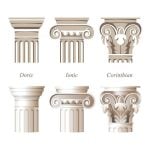
Greek architecture is known for its three types of columns:
- The Doric Order: The oldest and the simplest column was first seen at the beginning of the 7th century BCE. It is stouter, smooth, and has round capitals compared to the other two types. These were placed close to one another; they had a rounded end and a square top.
- The Ionic Order: Originating from Ionia now, Turkey is characterized by its stroll-like ornaments and was developed during a period like the Doric.
- Corinthian Order: Taking its name from the city of Corinth, it can be distinguished from its ornate capitals, carved with stylized acanthus leaves and popular during the mid-5th century BCE.

These columns give a sense of elegance and balance and are now used in many government buildings, banks and universities to show strength and stability. The U.S. Capitol, the British Museum, and the Supreme Court building all incorporate classical columns in their facades.
This also affected interior design, where modern designers use mouldings, high ceilings and classical motifs to add elegance. Luxury homes, hotels and neoclassical mansions incorporate Greek architecture for a timeless appeal.
Importance of Symmetry and Geometry
The Greeks were the best at mathematical ratios for creating perfectly balanced structures. One example is the golden ratio, where a ratio between two numbers equals approximately 1.618. Modern architects apply these principles in minimalistic and contemporary designs to make structures look balanced. The Notre Dame, The Taj Mahal and the UN Secretariat buildings are examples of golden ratio buildings.

Open and Functional Spaces
Greek architecture emphasized open courtyards, colonnades (equally spaced columns), and large gathering spaces; this was done to provide natural ventilation and increase community engagement. This concept is seen today, where urban planning, modern plazas, open-concept flats, and apartments are the trend. The Lincoln Memorial and modern museum integrate Greek-styled open layouts.

Minimalism
Despite the grandeur used in the architecture, they had clean lines, simple geometric forms and structural clarity, which created the foundation for modern minimalism. This type of contemporary minimalism can be seen in homes and is also a new trend. Minimalism makes a space look cleaner and more prominent, making it more functional and aesthetically pleasing.
Temple-like Grandeur in Public Buildings
Greek temples were designed to show presence, and modern buildings still follow this aesthetic. Pediments, columns and domes in civic buildings are taken from Greek design. The New York Stock Exchange is one example of such a building.
Materiality
Ancient Greeks mainly used marble, limestone and terracotta, which are still valued today. White flooring, stone facades and clay tiles make Greek architecture relive again. The Acropolis Museum in Athens is a good blend of ancient and modern materials and represents Greek architecture in the best way possible.
Sustainability
Greek buildings were designed to adapt to any climate with high ceilings, courtyards and columned spaces. These passive design strategies are now relevant in architecture and reduce the need for overpowered machines to control temperature. Modern buildings use this type of architecture to maximize airflow and natural light.
Examples of buildings that follow Greek architecture
The Reichstag: Located in Berlin, Germany, the Reichstag is famous for its glass dome and is one of the most visited sites in Berlin. Pail Wallot wanted to create a representative and monumental monument, so he combined elements of Renaissance, Baroque, and Classicism elements. Though renovated with modern elements, its original design is influenced by Greek and Roman styles.

The National Gallery: The home to one of the world’s most significant collections of paintings was designed by architect William Wilkins in the 1830s. The Neoclassical style of ancient Greek architecture inspired his design.

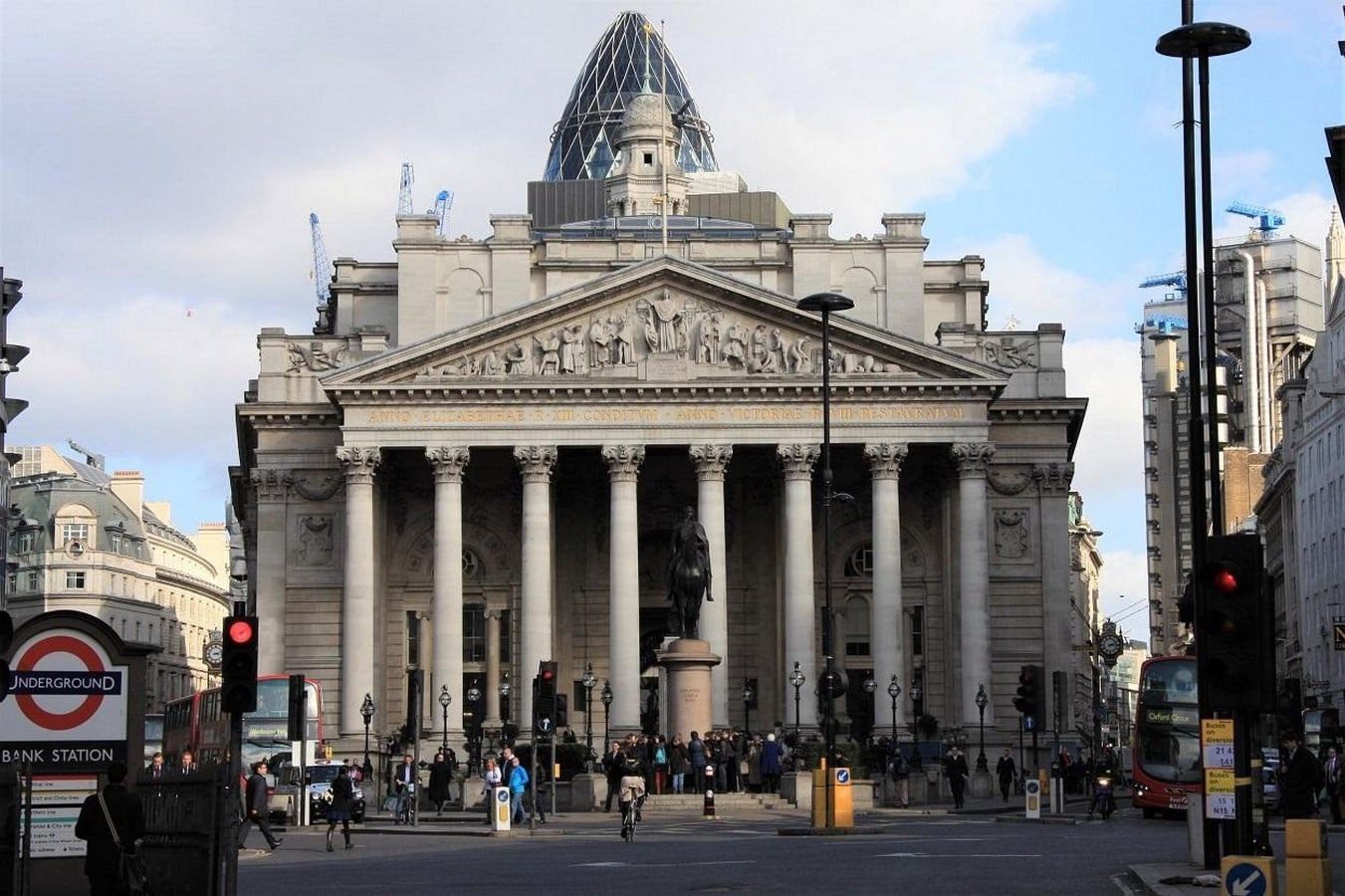
The Royal Exchange buildings: The Royal Exchange building is divided into two parts, one with rounded columns, which are stone-faced Ionic columns, and the other has a stucco finish to show Greek architecture.
What did we learn from Greek architecture?
Greek architecture is more than history. It is a design philosophy that continues to inspire our world. The influence of the intricate column design in government buildings to minimalistic interiors, Greek architecture influence is deeply embedded in modern design. This also shows that legacy is often beautiful and timeless, and the techniques of Greek architecture will also inspire future generations to come.
References:
- Greek and Roman columns (no date) Greek and Roman Columns – Museum of Natural Sciences | University of Saskatchewan. Available at: https://artsandscience.usask.ca/museumofnaturalsciences/programming/downtown-tour/columns.php#:~:text=The%20first%20three%20orders%2C%20Doric,also%20used%20extensively%20in%20Rome.
- Buildner (no date b) The 3 orders of Ancient Greek architecture, Architecture Competitions and Awards // Organised by Buildner. Available at: https://architecturecompetitions.com/the-3-orders-of-ancient-greek-architecture
- Reichstag dome: Architecture, history, and panoramic views (2022) Limofahr. Available at: https://www.limofahr.com/blog/berlin-airport-to-reichstag-dome
- 10 things you might not know about the National Gallery, London – Google Arts & Culture (no date) Google. Available at: https://artsandculture.google.com/story/10-things-you-might-not-know-about-the-national-gallery-london-the-national-gallery-london/kQXhAIQhnCfDeg?hl=en
- Planning permission granted for the Royal Exchange Buildings – Planning Design Ltd (2023) Planning Design. Available at: https://www.planningdesign.co.uk/planning-for-royal-exchange-buildings/#:~:text=The%20Royal%20Exchange%20Buildings%20were,room%2C%20ballroom%2C%20and%20newsroom.
Image References:
- Ruined Greek Architecture (Website) Available at https://www.britannica.com/topic/Parthenon
- Greek architecture columns (Website) Available at https://www.greekschannel.com/the-divine-ancient-greek-architecture/
- The Notre Dame (Website) Available at https://www.storyofacity.com/2019/12/17/year-review-remembering-notre-dame-cathedral/
- The Lincoln Memorial (Website) Available at https://www.nps.gov/linc/learn/historyculture/memorial-features.htm
- The Reichstag (Website) Available at https://www.berlin.de/en/attractions-and-sights/3560965-3104052-reichstag.en.html
- The National Gallery (Website) Available at https://www.nationalgallery.org.uk/about-us/press-and-media/press-releases/room-32-reopens-to-the-public-after-a-21-month-refurbishment
- The Royal Exchange Building (Website) Available at https://walklondon.com/london-attractions/royal-exchange.htm