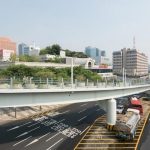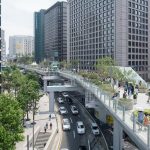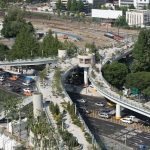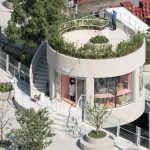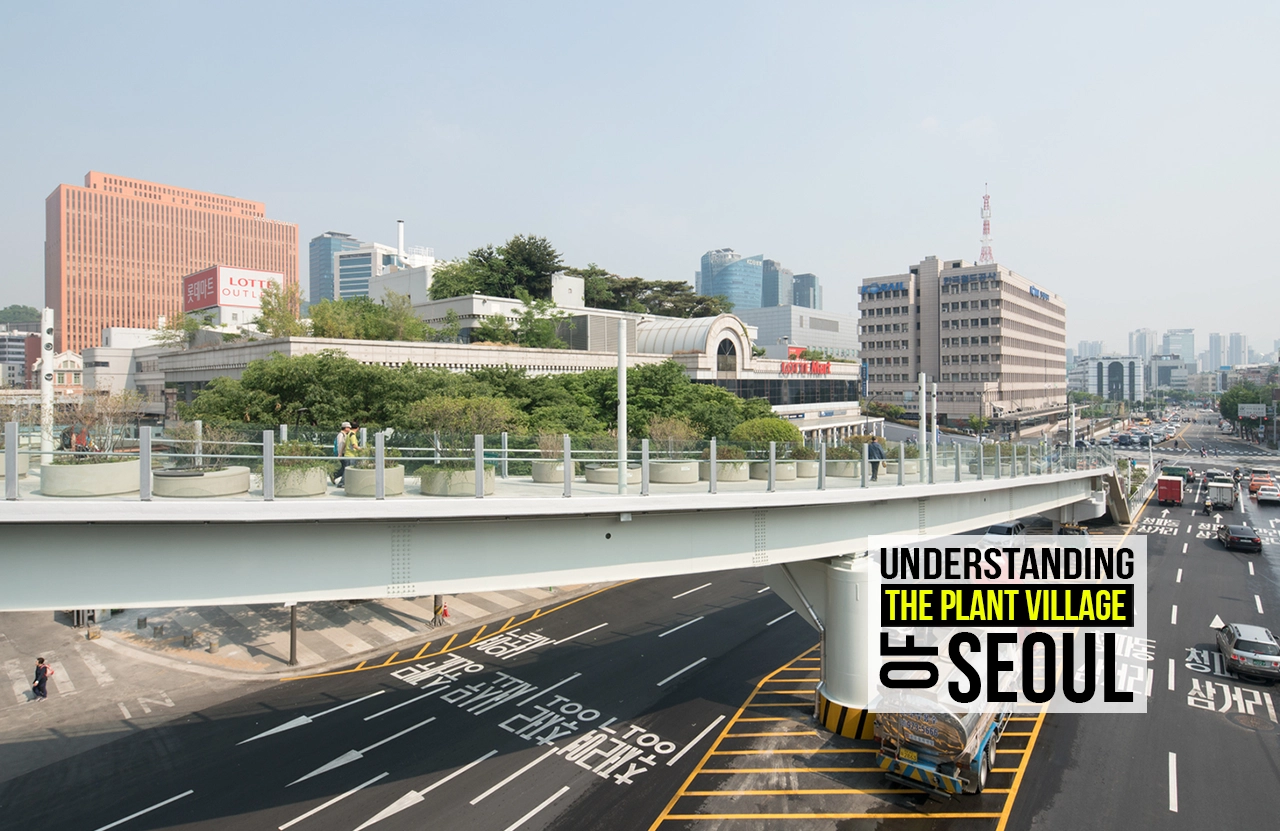
Seoullo 7017, often addressed as the “Skygarden,” serves not just as an overhead passage bridge; it is a living testament to Seoul’s transition from a concrete-heavy industrial hub to a human-centric green metropolis. Once a decaying highway overpass, it now breathes life into the heart of the city. Seoullo is a natural pathway that is an ever-changing landscape in a modern city that accommodates the widest variety of Korean species into a public park, gathering approximately 52 families of plants, including trees, shrubs, and flowers displayed in 645 tree pots, collecting around 160 species and subspecies. In total, the park will include 24,000 plants (trees, shrubs, and flowers). The pathways serve as a living example of a mindful adaptive reuse strategy.
From Grey to Green: The Rebirth of the 1970 Overpass
The Seoulle is a living example of adaptive reuse as it uses the original car highway from 1970 to make a sustainable, green, and natural pedestrian walkway whose construction was completed in 2017, which made the walkway named after the two eras combining together “7017”. This sky garden helps people living in the city get closer to nature. While one walks, one can see impressive views of the old Seoul Station and the famous Namdaemun Gate. It is an educational arboretum and a nursery for future species. The skygarden explores the architectural upcycling that played a leading role in saving the structure from demolition, transforming a visible symbol of traffic congestion into an open sanctuary of oxygen for the public. The park is also expected to serve as an “urban nursery”, with plants and trees grown on Seoullo 7017 eventually transplanted to other districts. (Arch Daily, n.a.)
A Botanical Alphabet: The Plant Village Concept
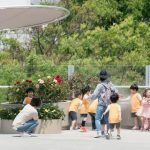
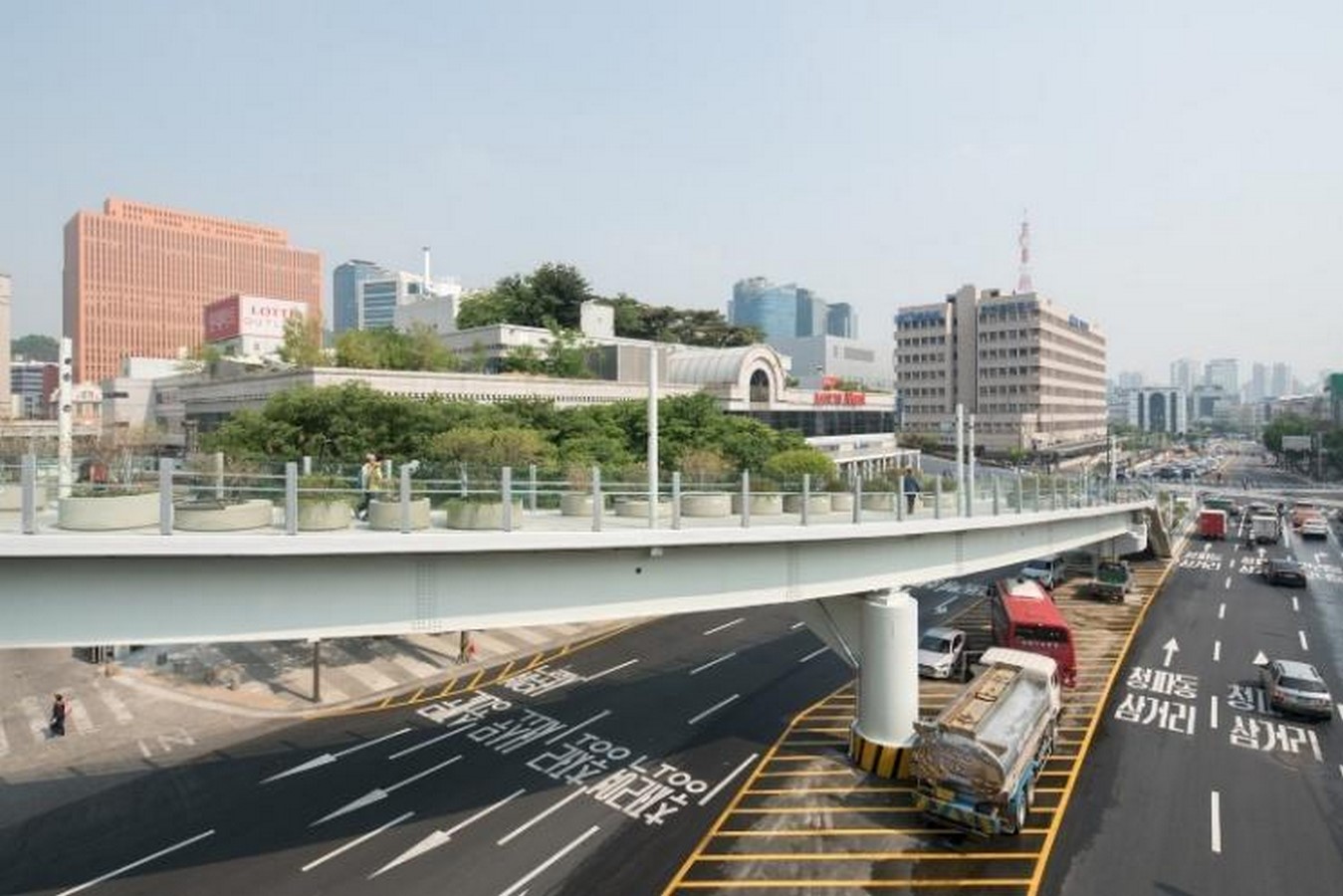
The skygarden is found in the heart of Seoul, also known as the plant village, and is an ever- changing landscape innovation that highlights the widest variety of Korean flora, special into a public-centric location. The plant village is a suitable name for the skygarden as it caters to 52 families of plants, including trees, shrubs, and flowers highlighted in 645 tree pots, collecting around 160 species and subspecies. Overall, the park includes 24,000 plants (trees, shrubs, and flowers). The linear design of the sky garden was designed with the intention to cater to small gardens, each with its own unique design layout, perfume, colour, and identity. The landscape of the skygarden is strategically planned so that it keeps changing according to seasons, the bright colours of leaves in autumn of the Aceraceae family (maples), the blossom of cherry trees and rhododendron in spring, the evergreen conifer trees in winter, and shrubs and trees bearing fruit in summer. Some of the highlighted flora species in two large squares are the colourful Rosa Square, where one can enjoy concerts and performances, next to the flowery tree pots, and the Magnolia Square with an open-air stage and café. (Dezeen, 2017)
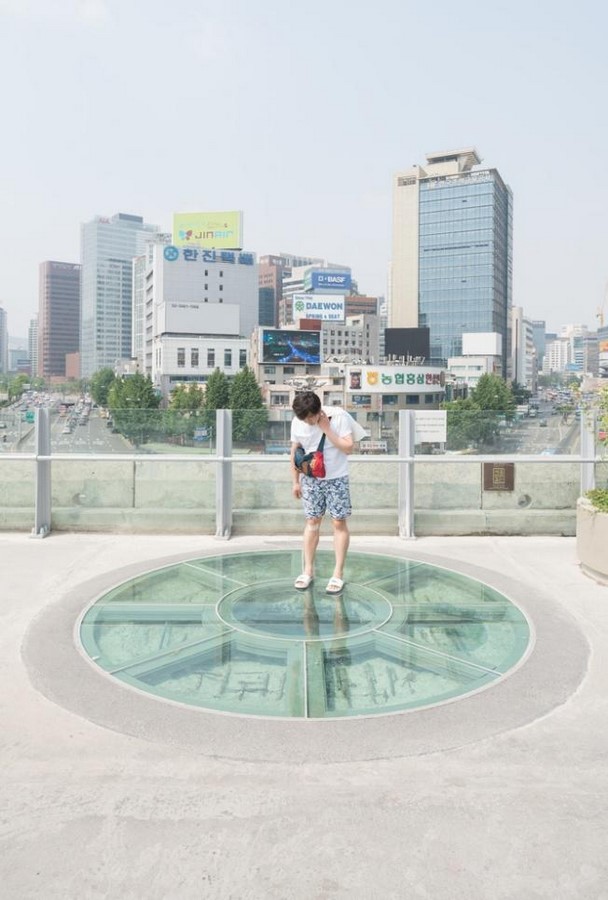
The “Floating” Experience: Navigating the Skygarden
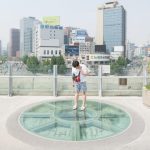
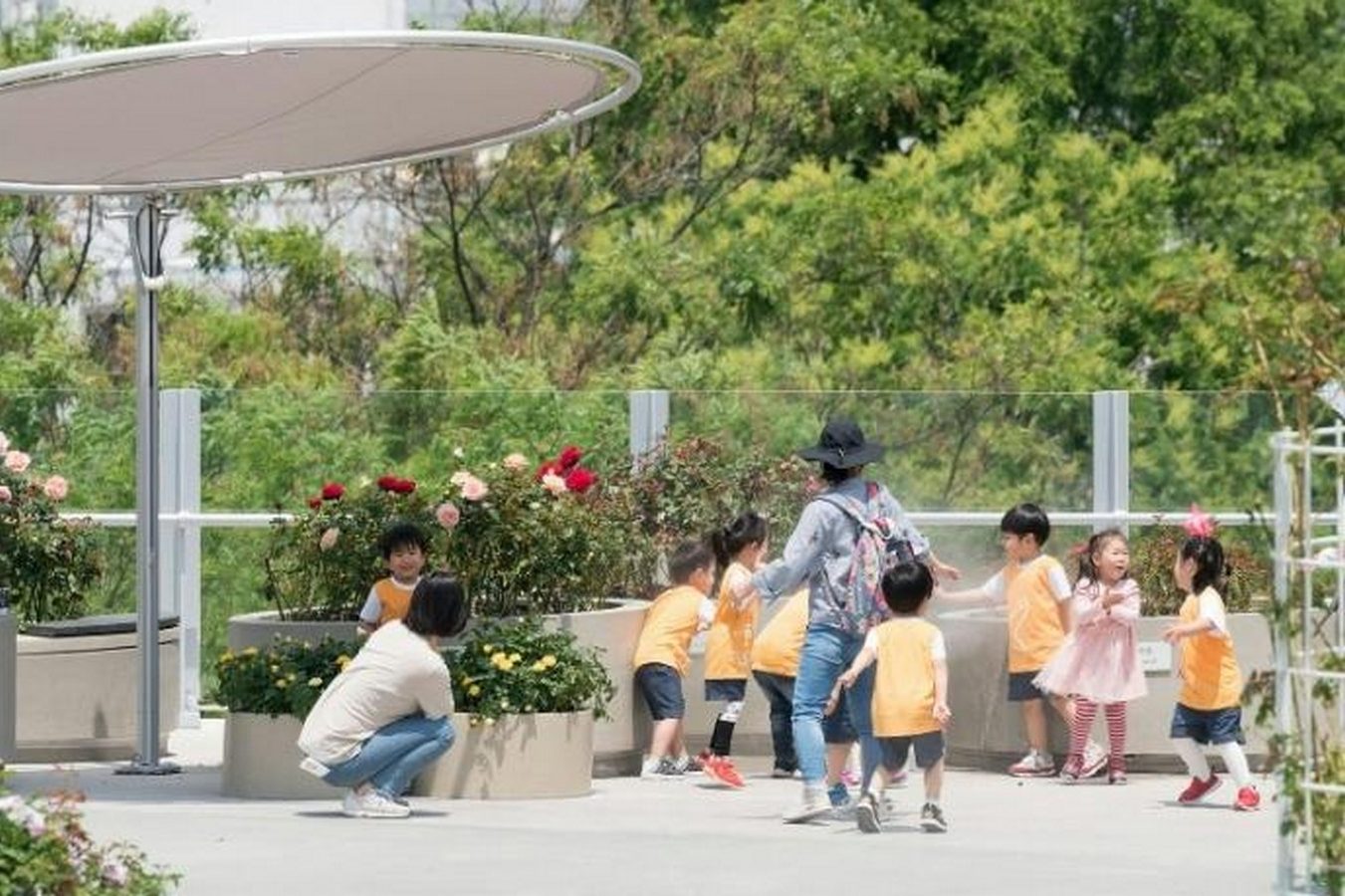
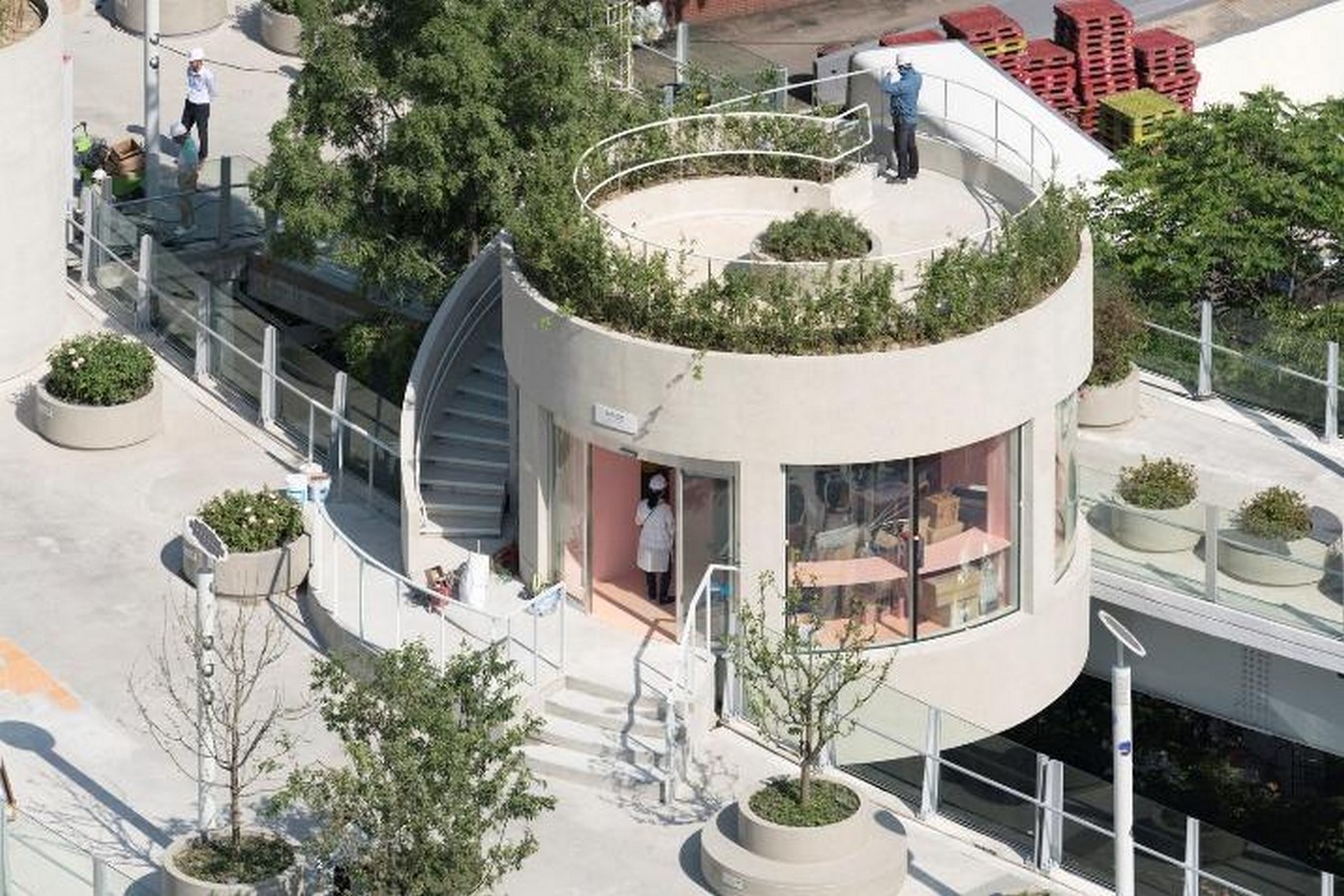
The Plant Village is situated in the center of Seoul, Korea, at a height of 16 meters, offering a mesmerizing view of the city. The skygarden was strategically designed in collaboration with the Seoul Metropolitan Government, local NGOs, landscape teams, and city advisors. MVRDV was deeply committed to incorporating the greatest variety of plant life into a highly urban environment. The park includes 16 small pavilions, such as cafes, shops, exhibition spaces, gardener’s pavilions, trampolines, foot baths, stages, and a children’s theatre, along with an information center. The design creates spaces that enhance the user experience and adds extra fun activities that engage the city on both cultural and commercial levels. Multiple stairs, lifts, bridges, and escalators connect the city to the new park, integrating it seamlessly into the surrounding urban area (Landezine-award, n.a). The plant village is designed with the Glass Floors strategically for the viewpoints to feature reinforced glass panels, allowing one to look directly down at the rushing traffic below. In addition, the bridge serves multiple purposes beyond just walking. It includes “peep holes” for viewing the city, foot baths to relax tired travellers, and small galleries that showcase rotating art installations. ( Stott,2017)
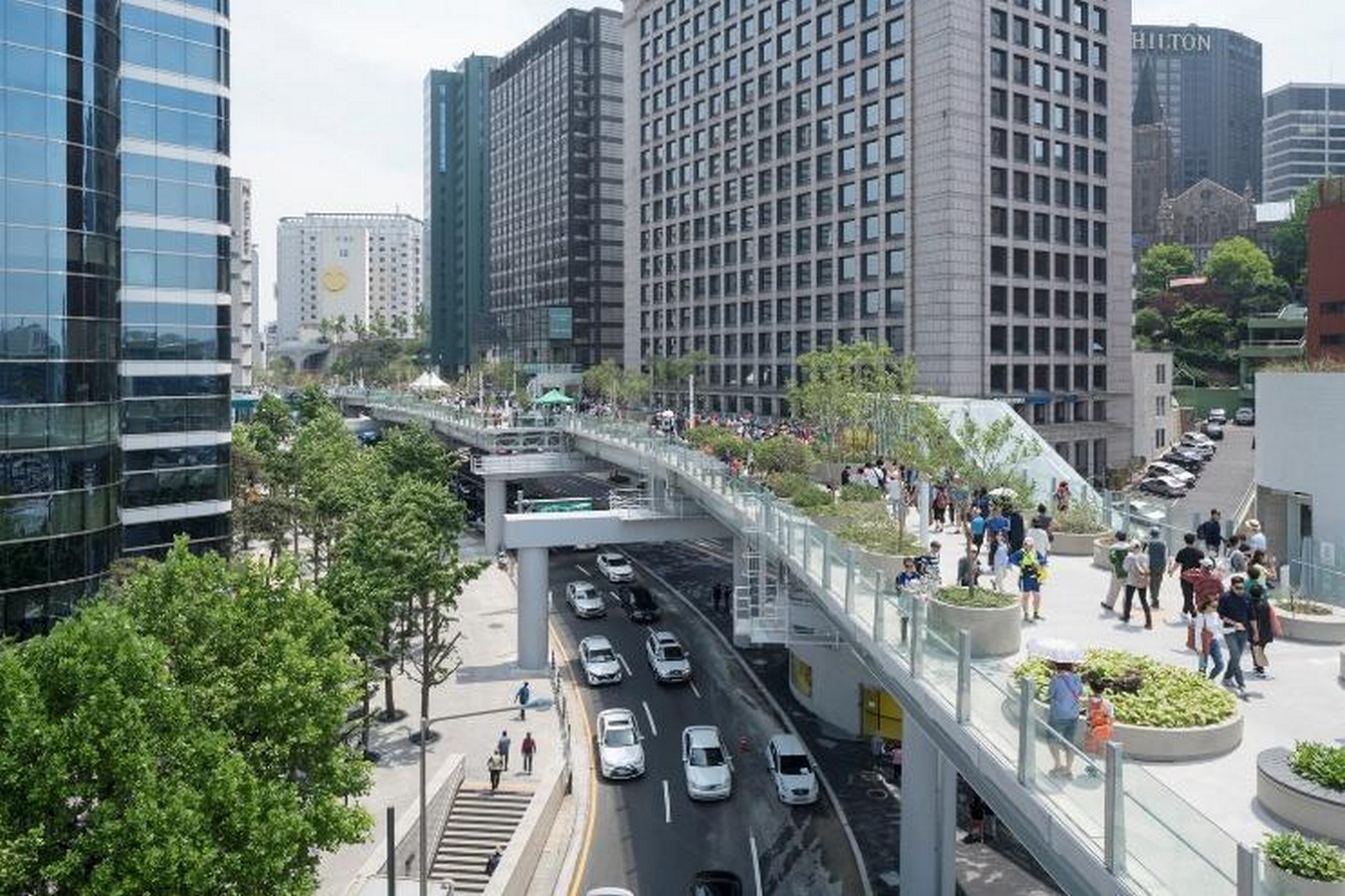
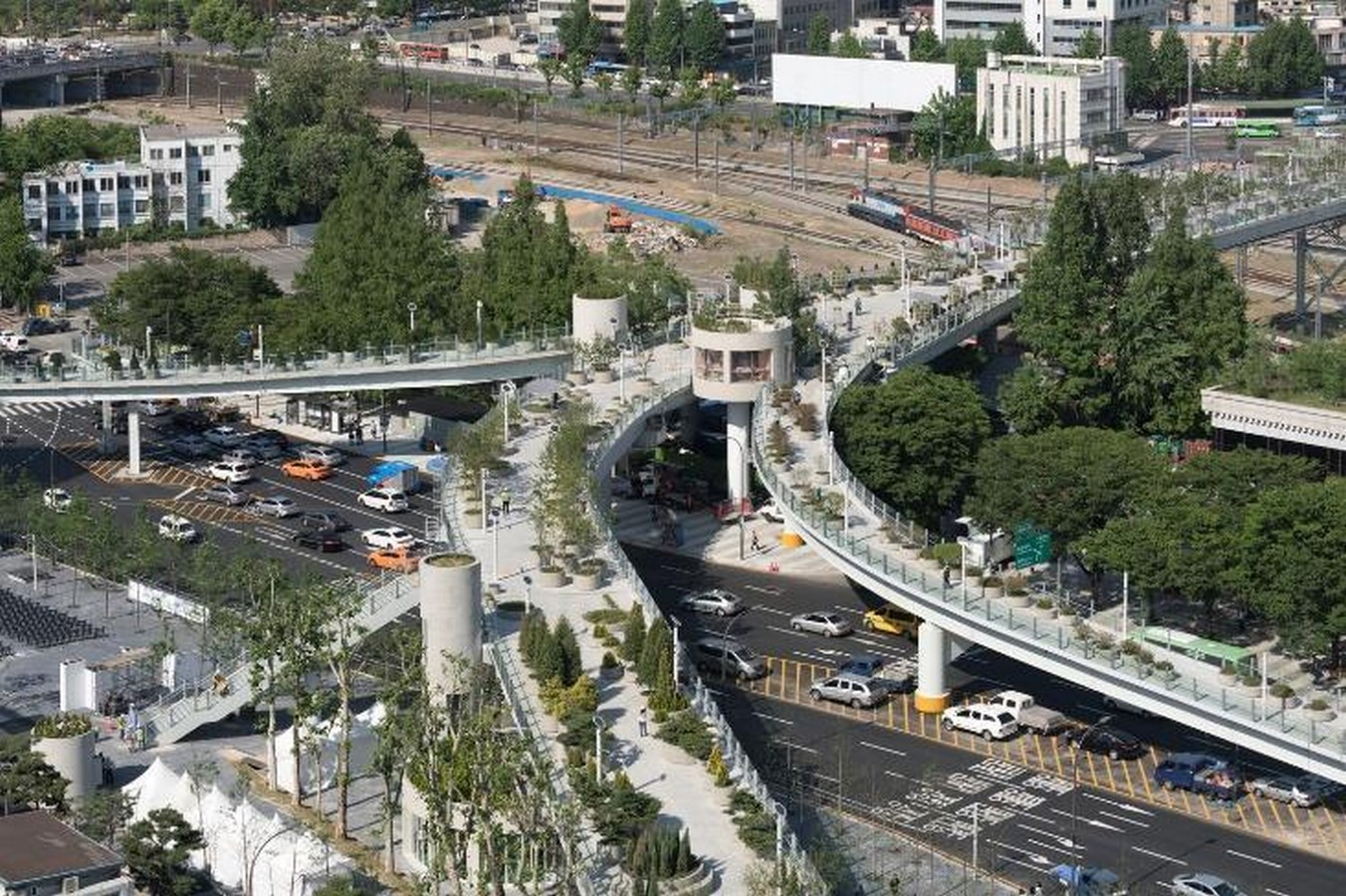
The plant village acts as a living bridge that connects the oldest traditional market of Korea, Namdaemun Market, with the Mallidong, a rising neighbourhood which is known for its trendy cafes and local artisans, and the hotels & transit groups, as the integrated stairs and elevators allow tourists to bypass the gridlock and move seamlessly through the urban core. Before the redesign of the elevated highway into the plant village, the area surrounding Seoul Station lacked proper connectivity and was fragmented by large roads and railway tracks.
Reference List for Content:
(ArchDaily, 2017) https://www.archdaily.com/871754/mvrdvs-skygarden-a-transformed-983-meter-former-highway-opens-in-seoul
(Dezeen, 2017) https://www.dezeen.com/2017/05/22/mvrdv-seoullo-7017-conversion-overpass-highway-road-park-garden-high-line-seoul-south-korea/
(Landezine, 2017) https://landezine-award.com/seoullo-7017-skygarden/
(Stott, 2017) https://www.archdaily.com/882382/seoullo-skygarden-mvrdv
Reference List for images
(Duivenbode,n.a https://www.archdaily.com/882382/seoullo-skygarden-mvrdv