Motorsport as a System of Spaces
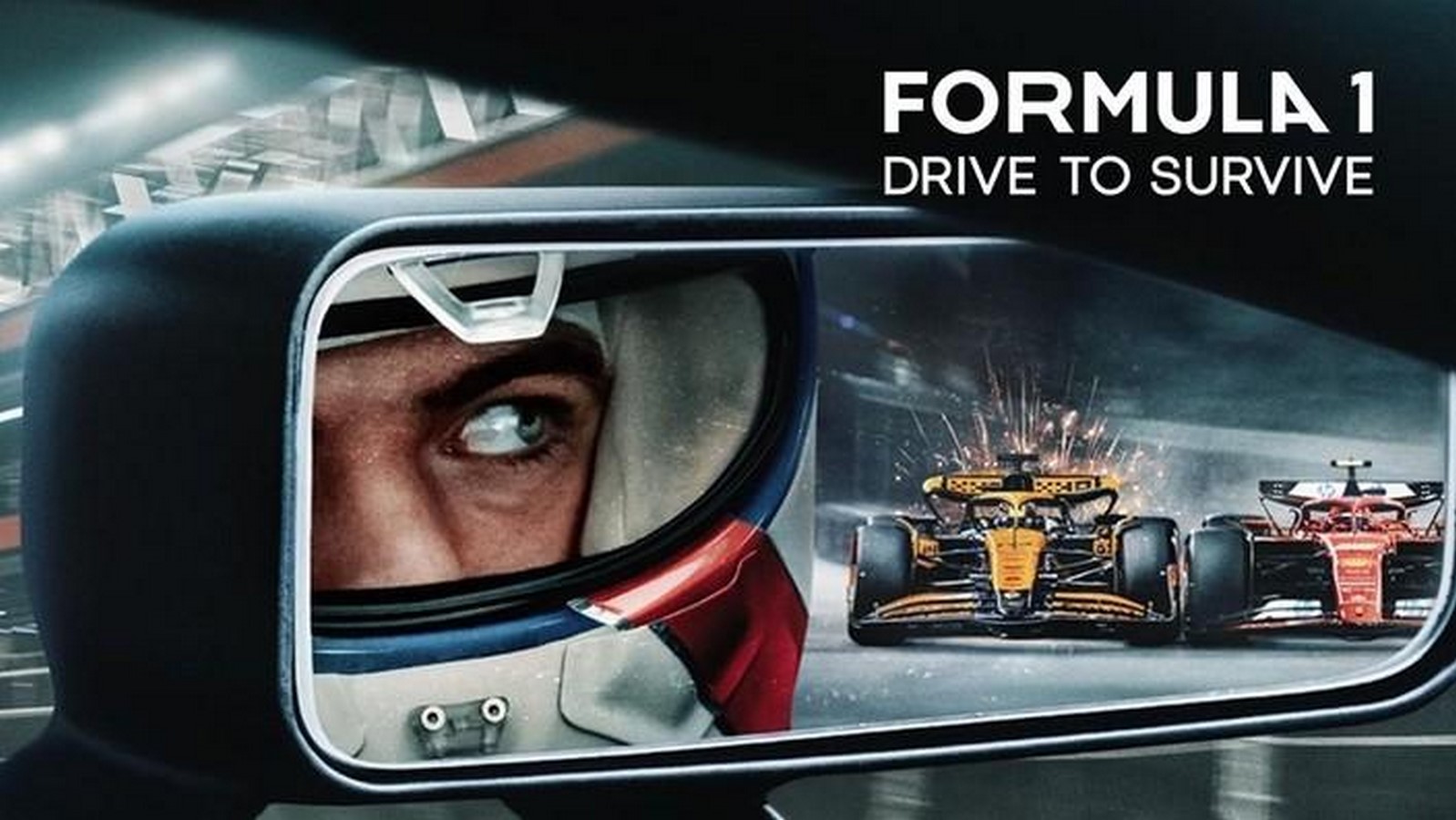
Sports documentaries may emphasize rivalries, characters, and dramatic moments. However, Formula 1: Drive to Survive provides a more complex experience for designers interested in space: it is a record of one of the most complex mobile infrastructure systems in the modern world. Behind the rush of the racing weekends is a global architectural system designed for speed, accuracy, exclusivity, and spectacle.
From an architectural perspective, the documentary series is less about overtake and podiums and more about the role of space in extreme conditions. From paddock and pit garage areas to hospitality lounges and grandstands, Formula 1 is a system in which architecture is modular, transportable, and constantly optimized. It is a system of architecture that must assemble, work perfectly, and vanish—only to reappear on another continent in a matter of days.
This review of Formula 1: Drive to Survive considers the series not merely as entertainment but as a case study in high-performance spatial design.
The Paddock: A Temporary City with Metropolitan Efficiency
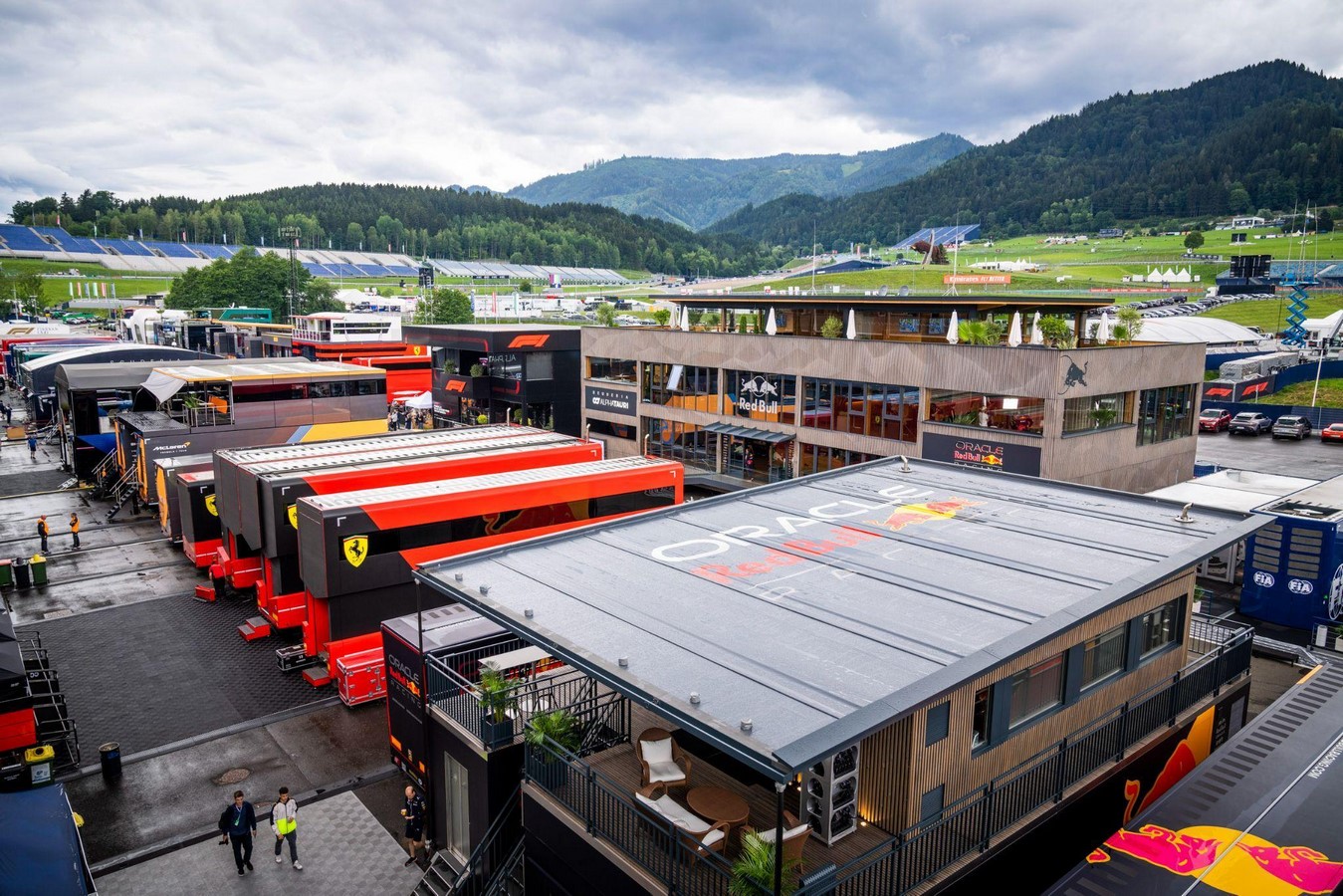
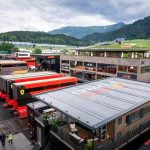
Each Grand Prix event builds a temporary city that can only be described as such. The paddock is a complex that operates, at the same time, as:
- An administrative headquarters
- An engineering laboratory
- A media center
- A corporate hospitality facility
The paddock operates with a level of clarity and organization that is impressive, considering its temporary nature at each event. Modular container systems are transported around the world, assembled with precision, and organized with a level of detail that is impressive. Technical areas are segregated from hospitality areas; media areas are segregated from team operations; access points are carefully controlled.
The most interesting aspect of the paddock, from an architectural perspective, is the lack of visual disorder. Logistics, not aesthetics, inform the spatial order. The paddock shows that temporary architecture can be organized to a level that approaches that of a permanent city.
Design lesson: Event architecture does not require iconic statements to succeed. It requires careful planning, efficient circulation, and effective systems. Architects designing expos, festivals, or other large-scale events can learn a great deal from the Formula 1 experience.
Pit Garages: Designing for Seconds
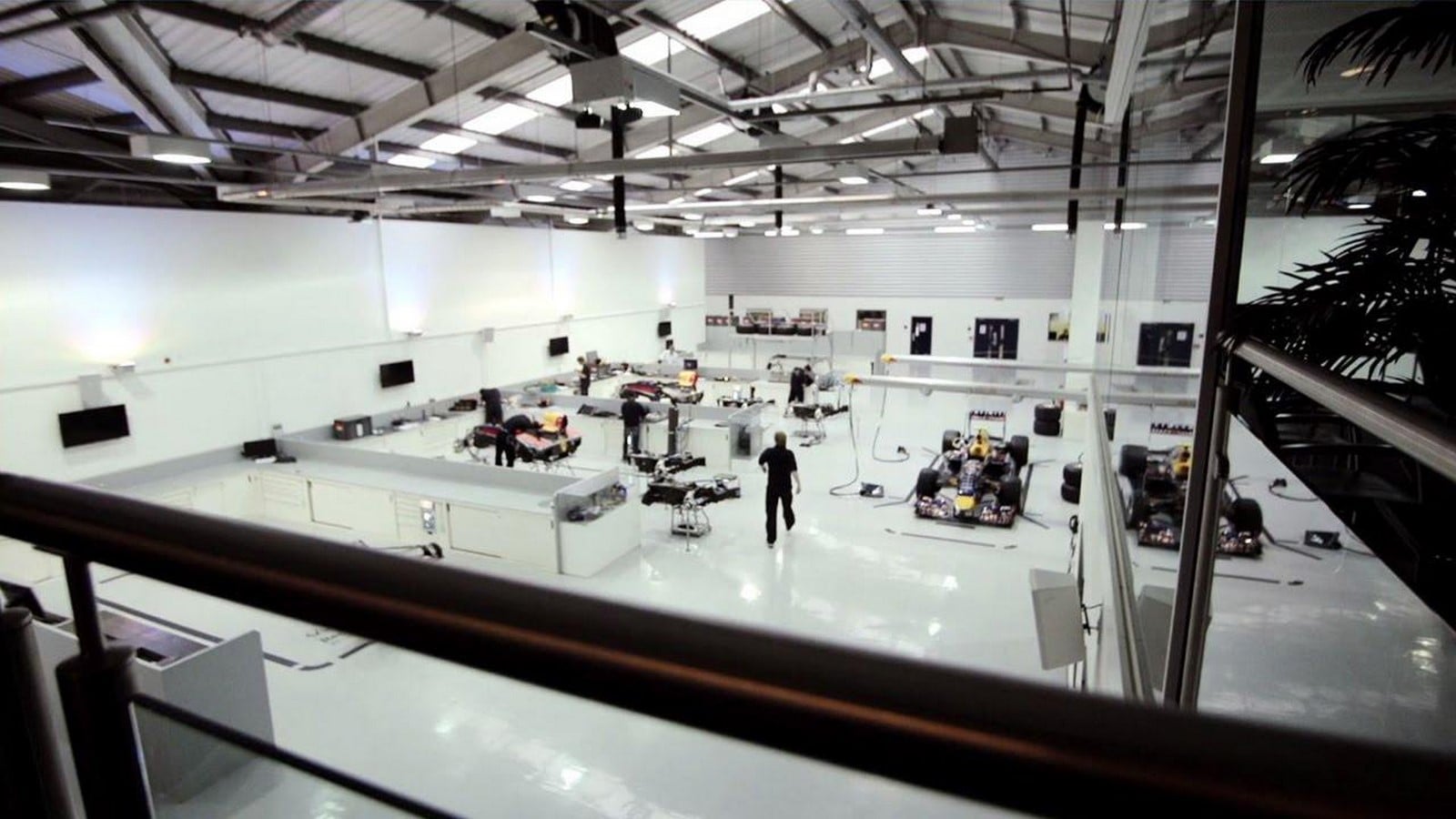
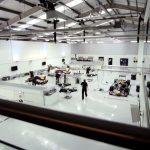
Few areas in the built world are subject to such extreme time pressures as a Formula 1 pit garage. These interiors are small, dense, and choreographed with the precision of surgery. There is no unnecessary movement, no unclear path of circulation, no misplaced object.
The garage is not a space—it is a machine for delivering performance.
- It is characterized in space as follows:
- There are clear visual paths to the pit lane.
- There is immediate access to equipment and data systems.
- There are few obstructions.
- There is carefully organized storage.
All of this is arranged to minimize friction—both physical and mental. When pit stops occur in seconds, architecture must remove all uncertainty.
This clarity of space in high-pressure design, such as emergency rooms, manufacturing facilities, or television studios, is a crucial lesson for designers.
The series continually demonstrates that speed is not only mechanical but architectural.
Spectator Architecture: Engineering the Gaze
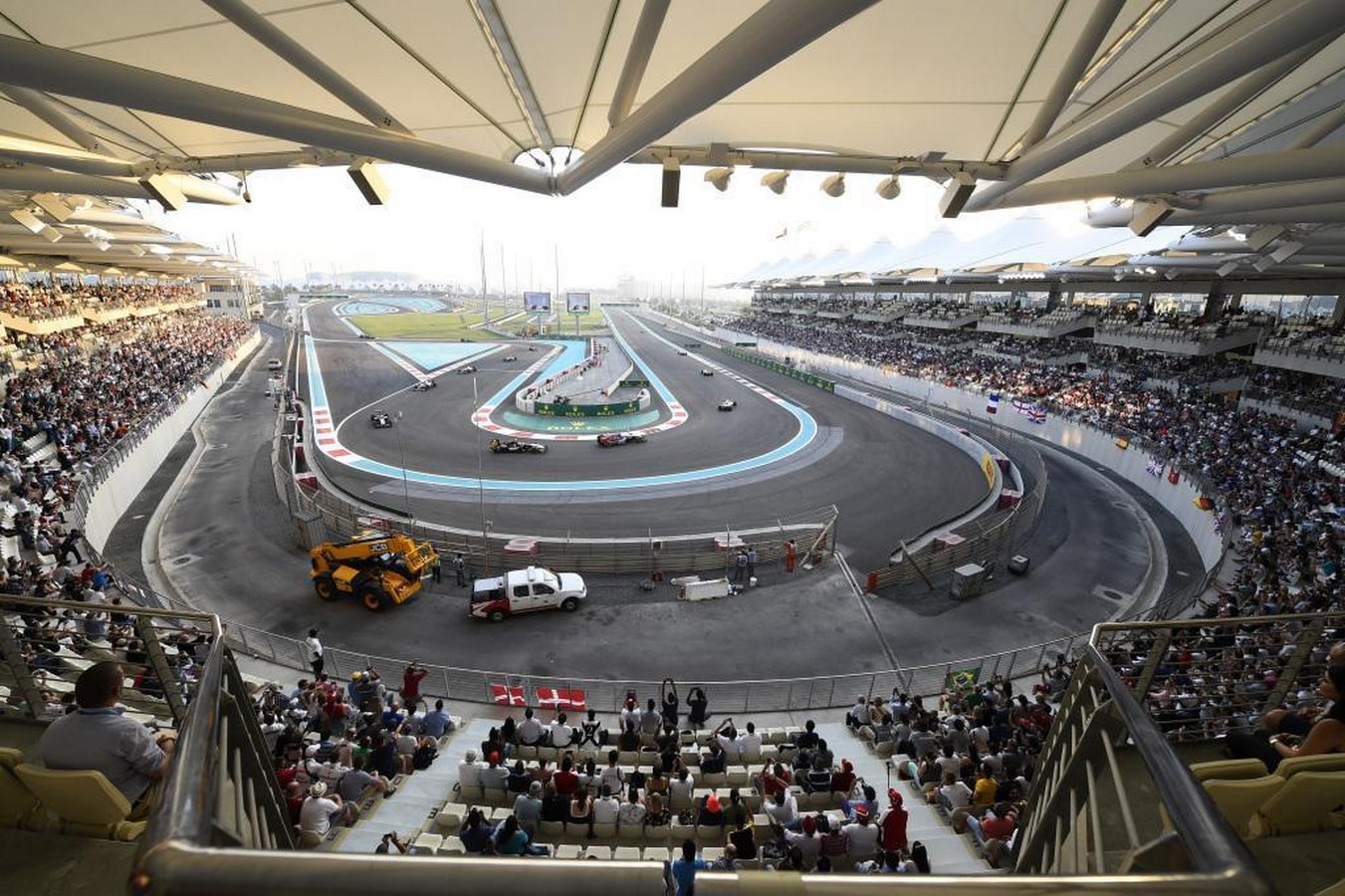
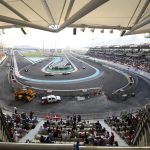
Racing tracks are velocity stages. The design has to address not only safety standards but also the choreography of vision. The design of grandstands, track boundaries, and observation decks is aimed at recording cars moving at incredible speeds while adhering to the tightest safety standards.
The calculation of sightlines is precise. Barriers have to provide safety without impeding sightlines. The density of the audience calls for precise evacuation strategies. Even acoustics, such as the resonance of engines in grandstands, are part of the spatial experience.
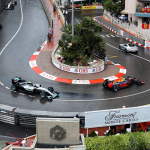
Unlike traditional sports stadiums, Formula 1 racing tracks occupy landscapes. They traverse deserts, forests, cityscapes, and shoreline areas. The constructed parts of the track define motion rather than enclose it.
Key takeaway: The design of motion is inherently different from the design of stillness. Architects have to take into account the difference in perception at high speed, where glimpses rather than sustained views become the norm, and anticipation becomes part of the spatial experience.
For stadium architects and urban planners, Formula 1: Drive to Survive shows how infrastructure can turn geography into spectacle.
Global Standardization vs Local Context
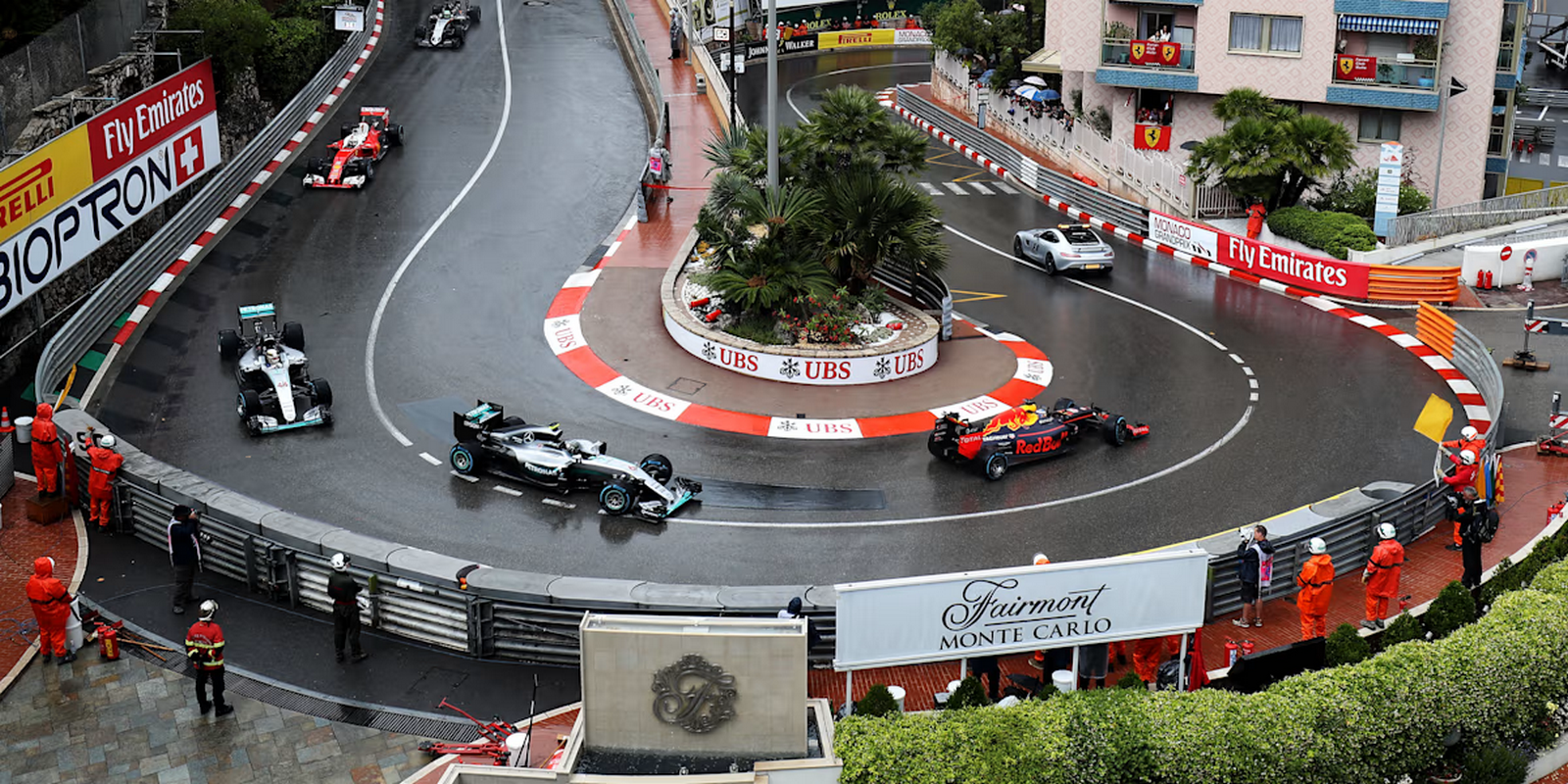
Every Grand Prix takes place in a distinct climatic and cultural setting. Some races take place on traditional street courses that are integrated into the dense urban environment, while others take place on specially designed circuits in the desert or in newly developed areas.
The series gently points to the conflict between global standardization and local uniqueness. The paddock and team areas are standardized in their visual and functional language—branding, modules, and spatial structures are standardized. However, the environment changes drastically.
This ambivalence corresponds to an ongoing architectural discussion:
- To what extent must buildings be globally distinctive?
- To what extent must they be attuned to the local environment?
Formula 1 shows that it is possible to combine both. The systems are standardized to optimize efficiency, and the environment provides variation. The architecture is both global and local.
Hospitality Suites: Corporate Architecture on the Move
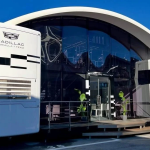
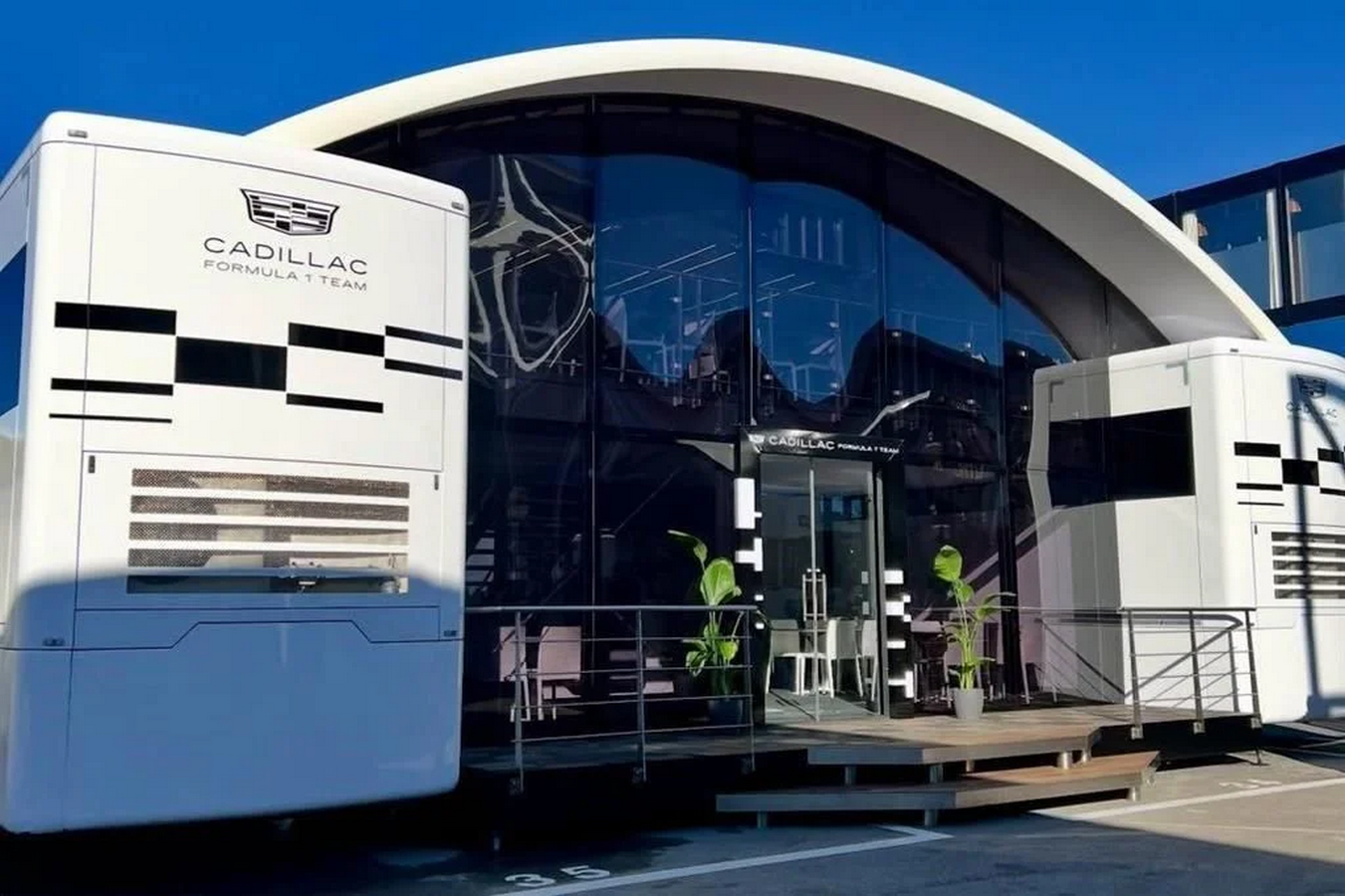
After the technical areas, there are hospitality suites that seem remarkably permanent. These structures, with glass fronts, lighting, and minimalist interiors, serve as nomadic corporate headquarters.
They are disassembled, reassembled, and relocated repeatedly—and still manage to exude a sense of permanence and high-end quality. The materials used are consistent. The sequences of space are choreographed to wow sponsors and visitors.
In this case, architecture is used as a means of brand reinforcement.
The takeaway for designers working on corporate identity projects is that temporary architecture can—and perhaps must—attain the level of polish that permanent architecture has.
Circulation and Hierarchy: Space as a Filter
One of the most interesting architectural observations that can be made in the series is the rigorous zoning of access. Formula 1 spaces are organized by a system of hierarchy:
- “Drivers and engineers are confined to restricted zones.
- Media staff work within designated corridors.
- VIP guests are directed to designated hospitality areas.
- The general public is kept at a distance from the activities of the pit lane.
Architecture is a filtering system. Circulation routes are used to assert authority without direct conflict. Security is embedded in space rather than being aggressively imposed.”
Most modern public and corporate buildings have difficulty with the problem of layered access. Formula 1 shows how the strategic use of space, with carefully defined thresholds, entry points, and transitions, can impose order subtly.
Technology as Spatial Language
Whereas in conventional sports settings, digital information is absent from Formula 1 environments. Digital information is omnipresent in Formula 1 environments, from screens and data projectors to LED walls. This redefines the use of space.
The paddock area is not only a physical space but also a data space. Data is constantly being analyzed by engineers. Decisions are made using digital information.
This brings about an architectural question: Are future buildings becoming hybrid digital-physical spaces?
Formula 1: Drive to Survive believes that the future generation of buildings will not only contain technology but will be influenced by it. Walls, desks, and corridors are less important than data streams.
Infrastructure as Aesthetic
One of the subtle positives of this series is that it portrays the beauty of industry. There is nothing hidden; everything is celebrated. There is a use of metal, machinery, polished finishes, and lighting that creates a language that is unapologetically technological.
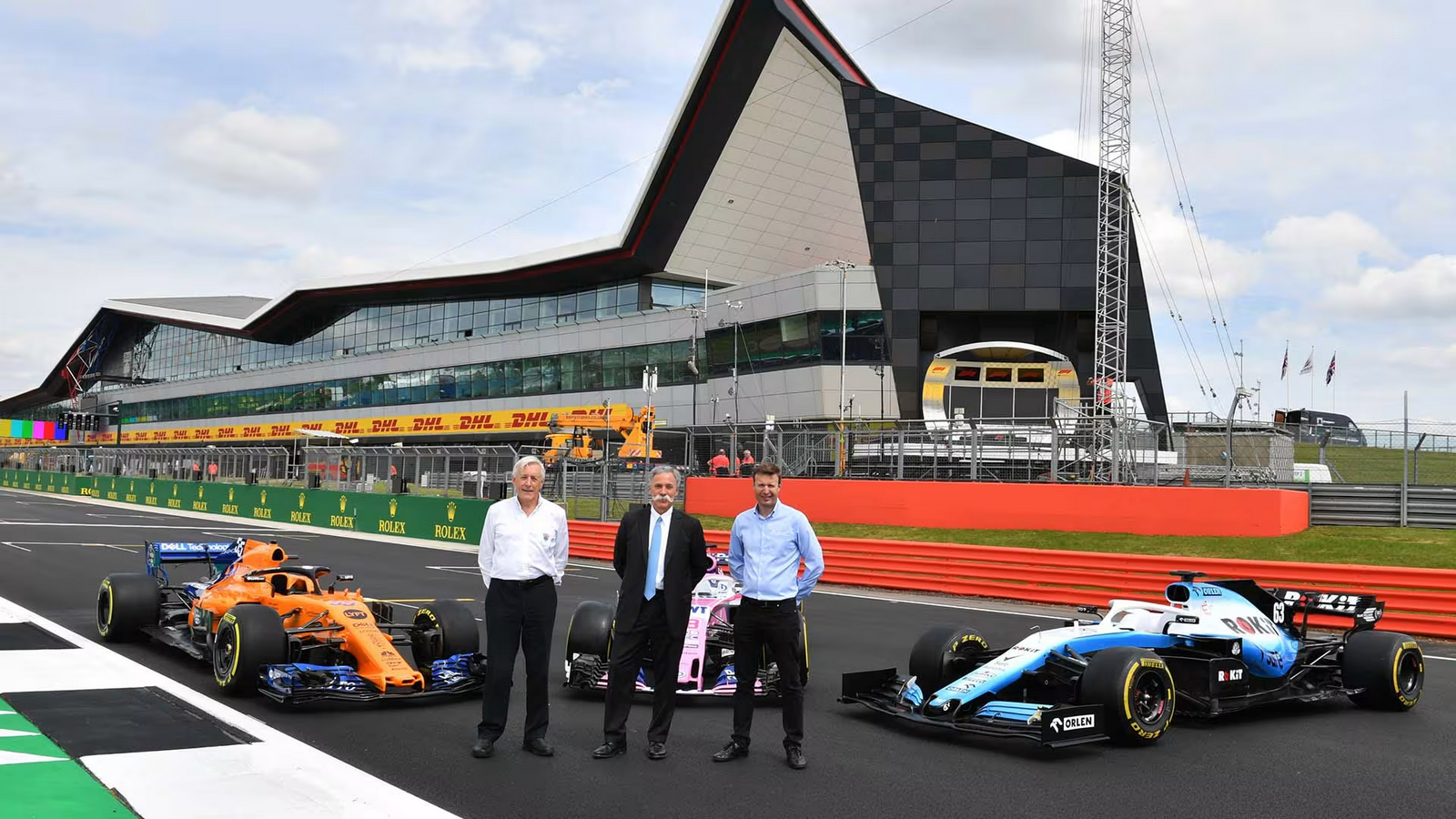
It is in line with current high-tech architecture that emphasizes form as function. There is a beauty to this approach. There is nothing here that is intended to be anything other than functional. Everything has a function.
It is a message to architects that infrastructure can be a spectacle, that technology can create its own beauty.
Critical Reflection: Performance and Exclusivity
Even though this series is highly effective in showing precision and innovation in architecture, it also represents a world that is exclusive and consumes a lot of resources.
Who does this high-performance infrastructure serve? What is the cost to our environment for this type of mobility? As a designer, Formula 1 represents the ultimate in efficiency.
Efficiency does not always mean sustainability or inclusiveness.Designers who watch this world can be impressed with its precision but also question its scale. Architecture must perform, but it also needs to question itself.
Designing at the Edge of Speed
Formula 1: Drive to Survive is a sports documentary series. Architecturally speaking, the series is a study of a system in action at the edge of human and machine capability. It is a study of how temporary environments can be just as well designed as permanent cities. It is a study of how the flow of work shapes space. It is a study of how hierarchy, branding, and technology shape our modern world.
Architecturally speaking, the series concludes that architecture is no longer just about buildings. Architecture is a system choreography—in development, in optimization, and in repurposing on a global scale.
The most important takeaway for architects from the series is: when space is optimized for seconds, simplicity is key. Precision is more important than ornament. Movement is more important than power. Infrastructure is identity.
The world of Formula 1 is a fascinating place. Watching the series, architecture at 300 km/h is clear. Perhaps the greatest takeaway from the series is just that.